POLYWELL Lubricating Linear Rails: For Polyamide Thermal Break Strip Production Line Stability
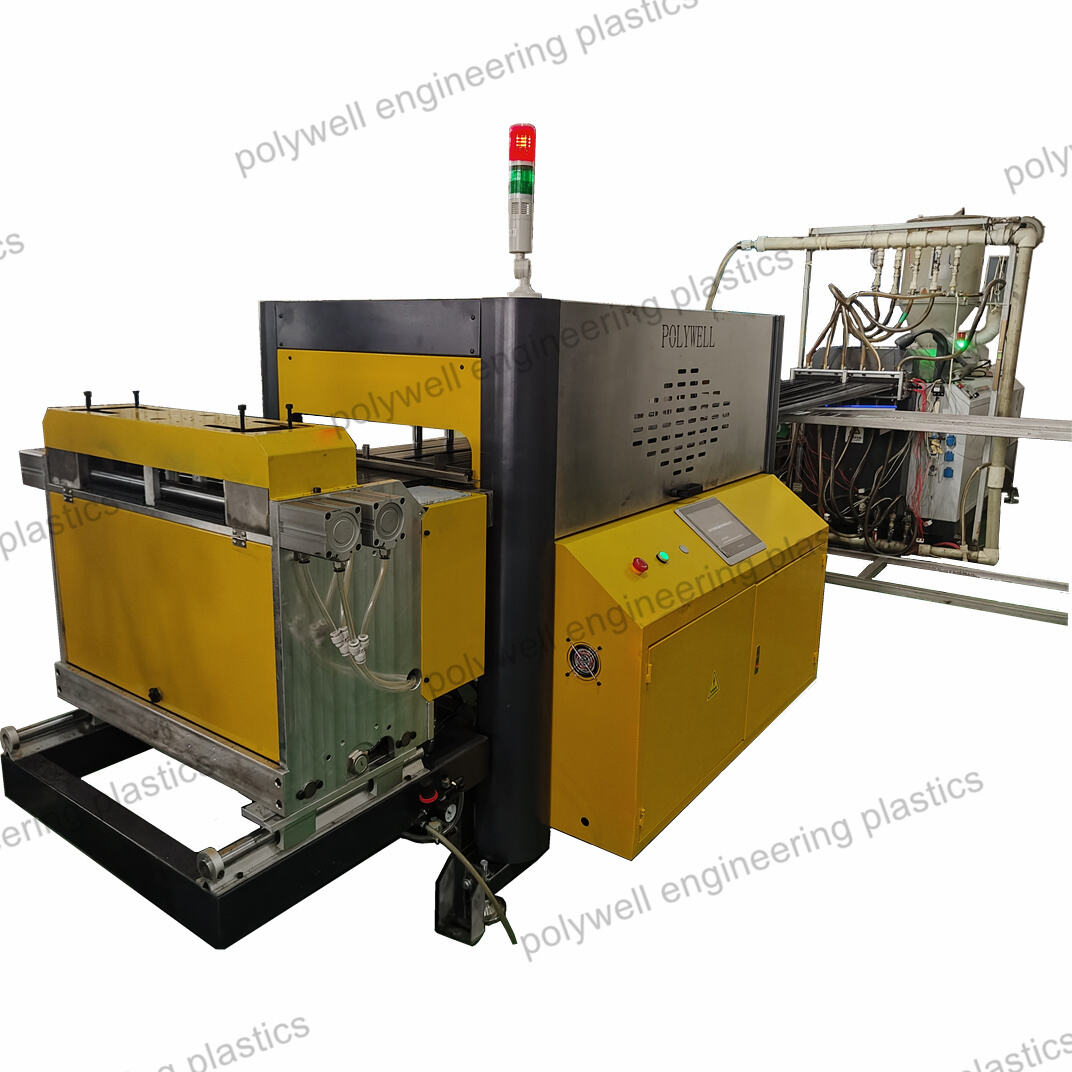
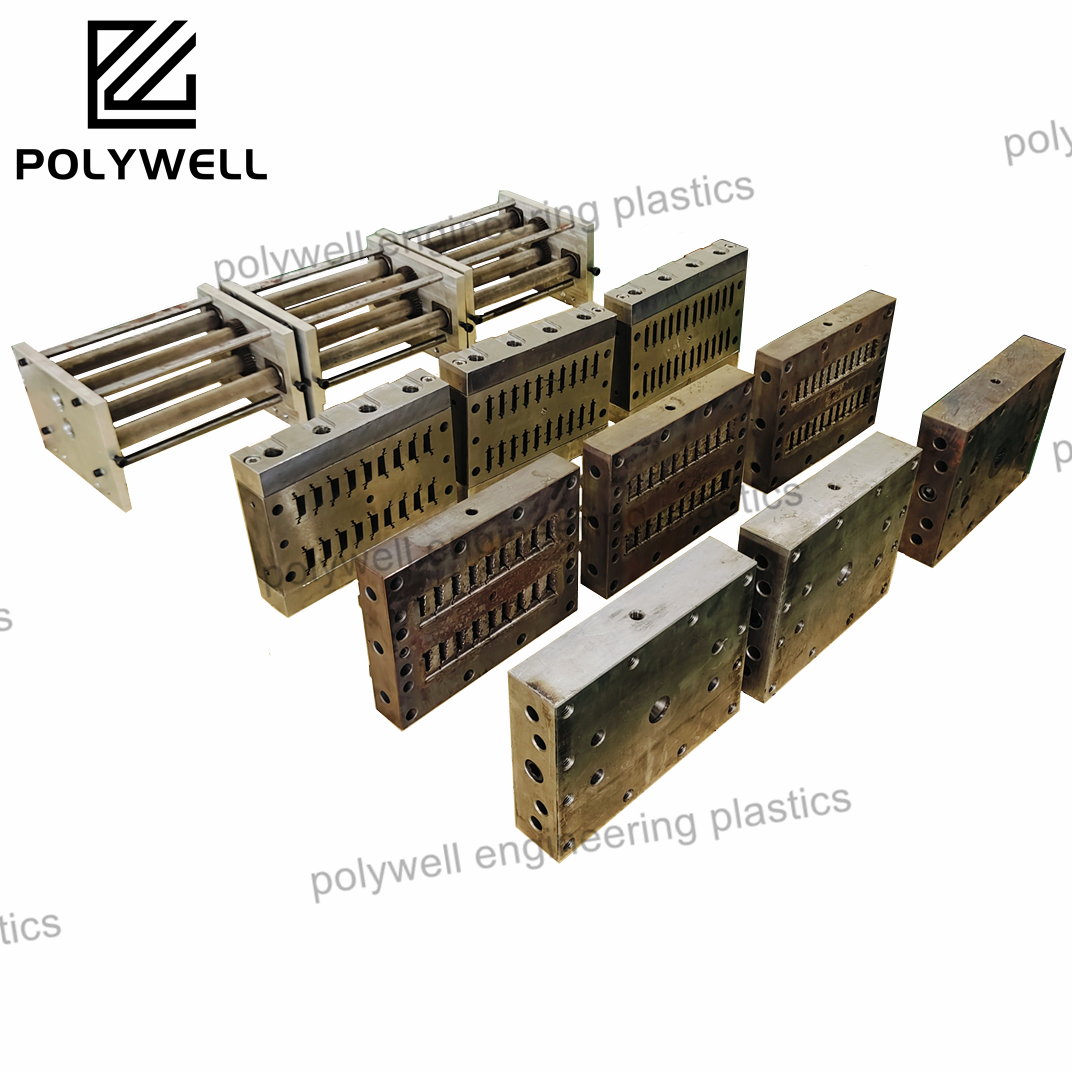
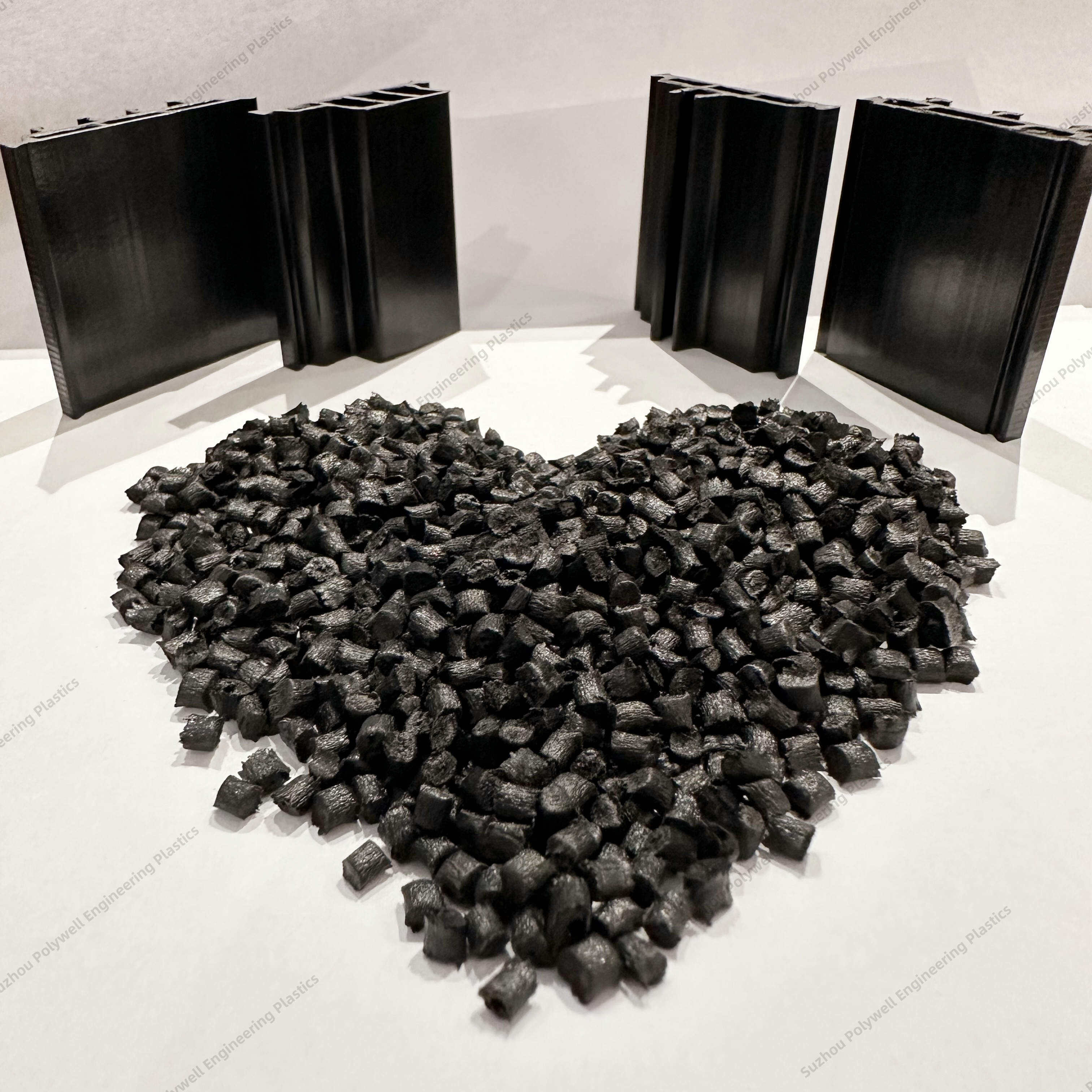
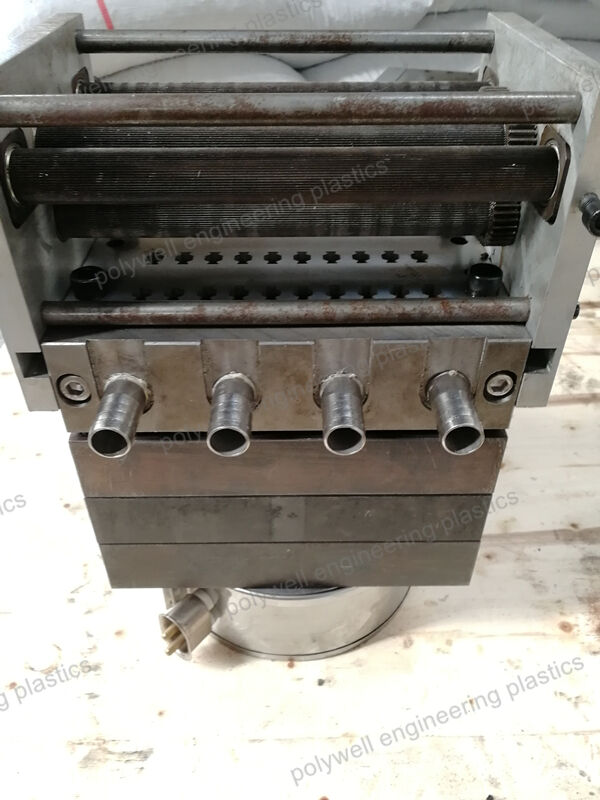
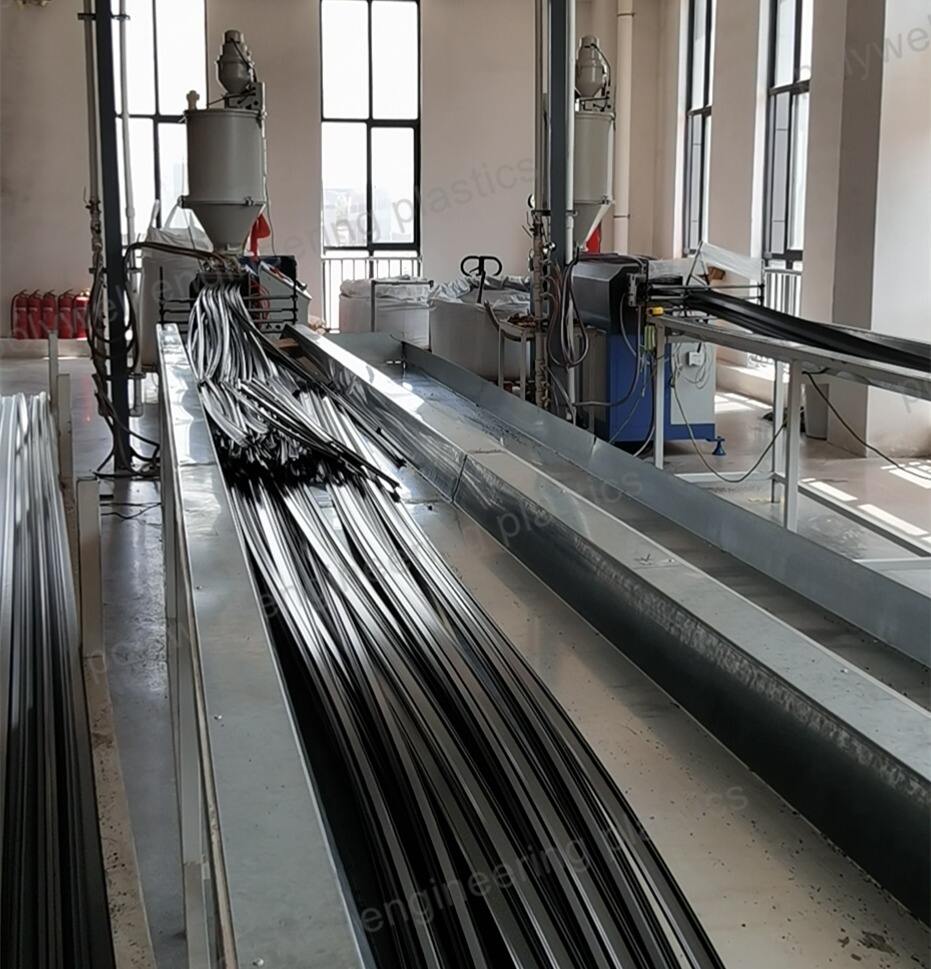
This page belongs to POLYWELL, a provider with 15+ years of experience in polyamide thermal break strip solutions, offering lubricating linear rails as part of its “Other equipments on Polyamide strips production line.” The lubricating linear rails ensure smooth, low friction movement of components (e.g., extruder parts, cutting tools) in polyamide strip production, reducing wear and extending equipment lifespan. POLYWELL provides technical support for rail maintenance and lubrication schedules, plus Design for Manufacturing (DFM) services to integrate the rails into existing lines. On site service resolves installation or operational issues, while lifelong training helps clients maintain rail performance. Client testimonials (e.g., Mr. Tiago praising POLYWELL’s equipment usability) confirm reliability, and the 6 step cooperation process (drawing upload → quote → customization → delivery) ensures tailored solutions for manufacturers.
Get A Quote
 EN
EN