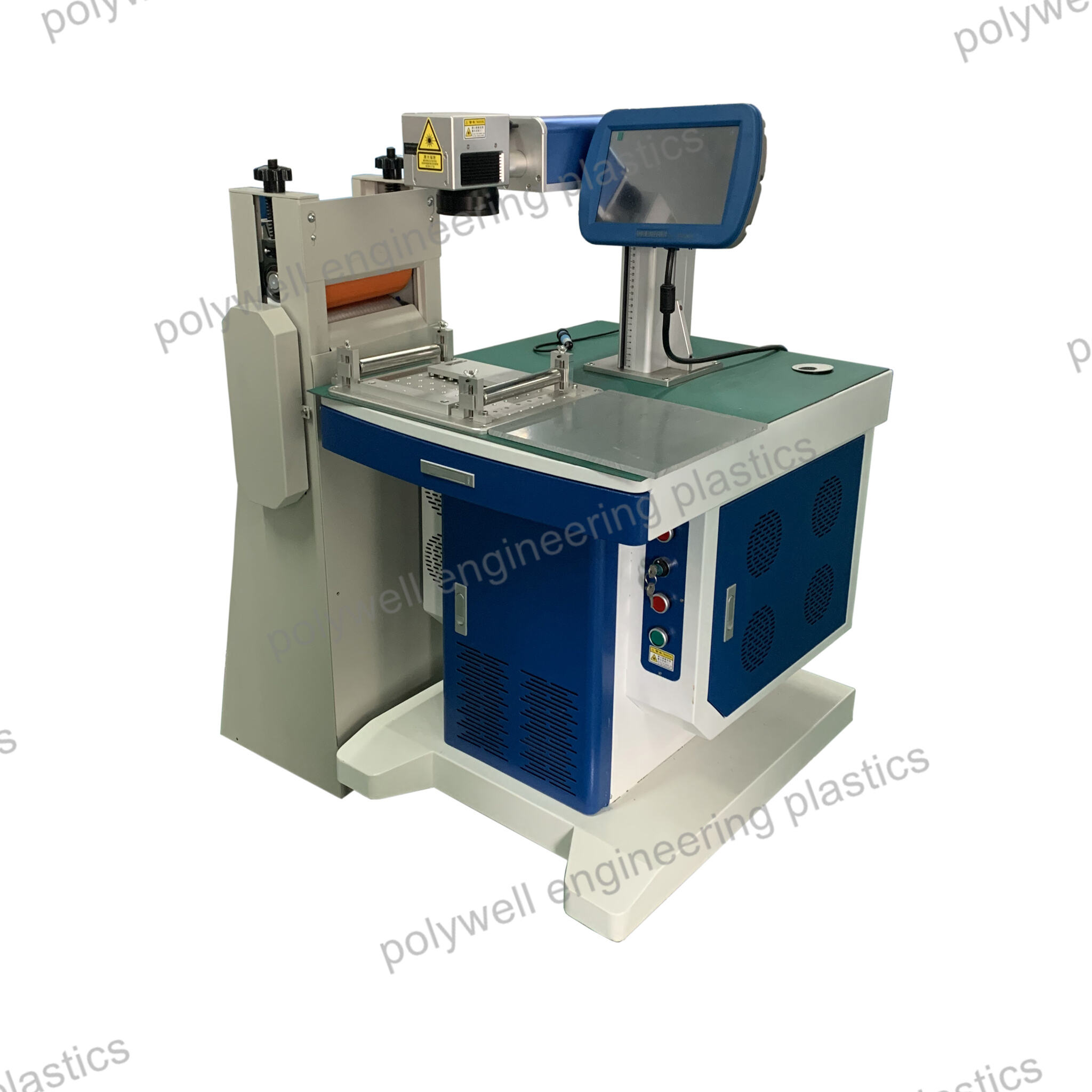
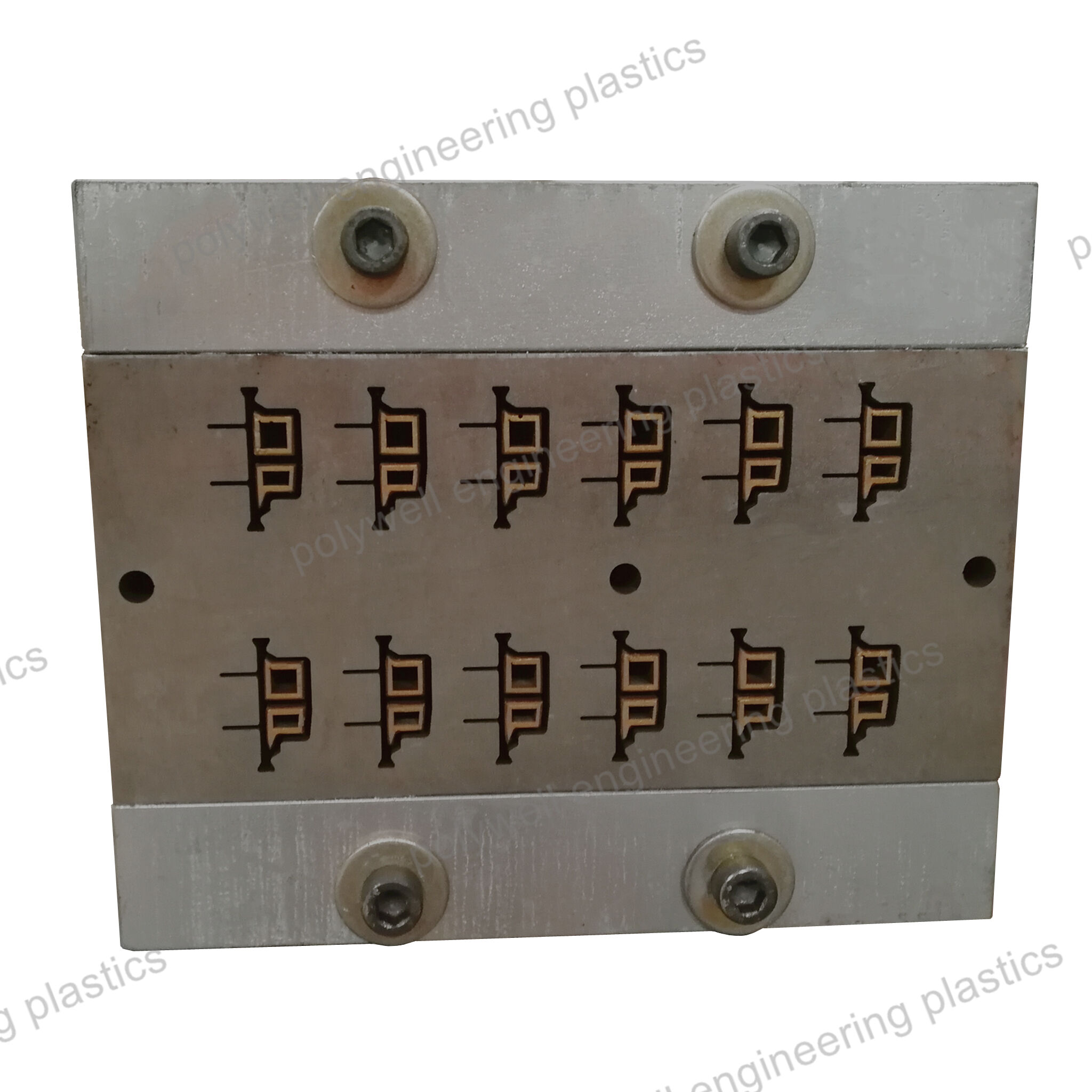
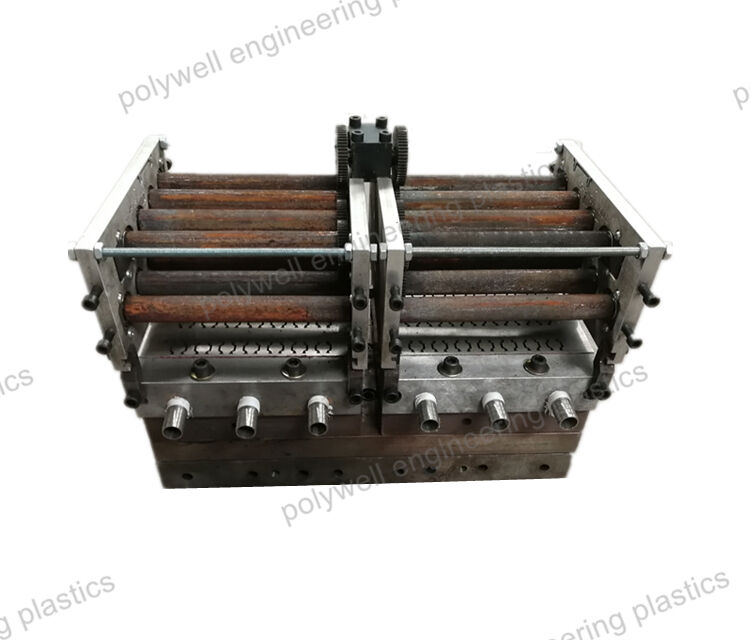
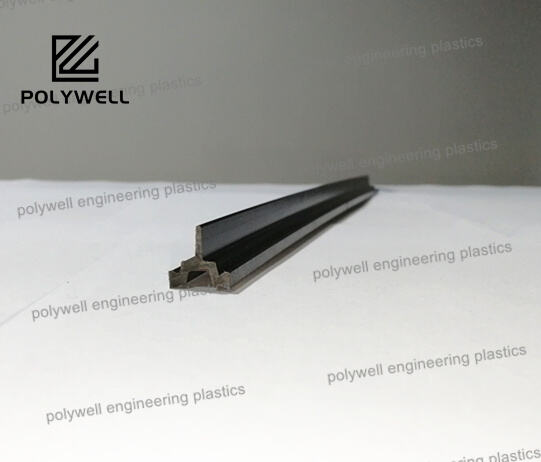
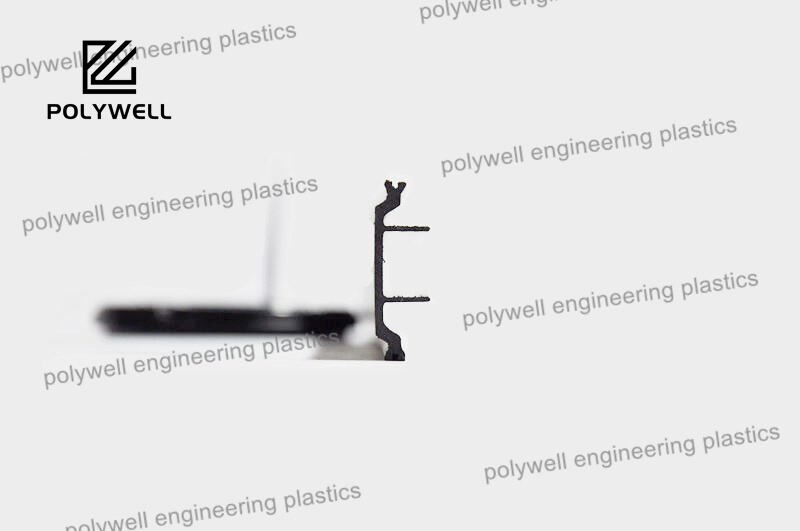
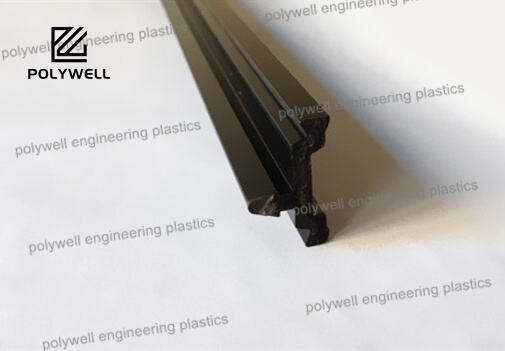
POLYWELL Chain Guide Rail: Smooth Material Handling for Polyamide Thermal Break Strips
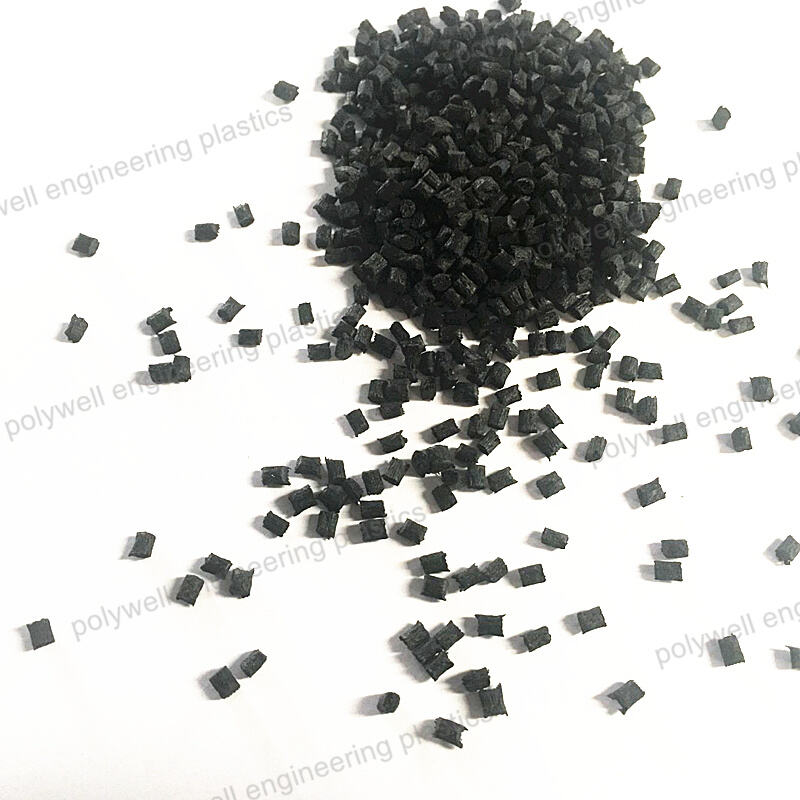
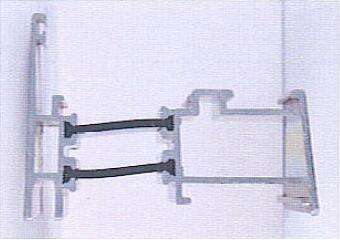
This page showcases POLYWELL’s chain guide rail, designed to guide conveyor chains in polyamide thermal break strip production lines—ensuring efficient material transport between extrusion, cutting, and packaging stages. Backed by 15+ years of experience, the chain guide rail reduces chain wear and prevents derailment, maintaining consistent production flow. POLYWELL provides technical support for rail sizing and alignment, DFM services to integrate it with other equipment, and on site service to resolve issues. Lifelong training helps clients manage maintenance, while client testimonials (Ms. Özge’s success with polyamide granules) confirm POLYWELL’s expertise. The 6 step cooperation process ensures manufacturers get tailored chain guide rail solutions from quote to delivery.
Get A Quote

 EN
EN