Nylon & Polyamide Materials: Guide to PA66 Applications

All Categories

Nylon and Polyamide: Understanding Their Connection & Practical Applications

This page explores the relationship between nylon and polyamide, emphasizing that nylon is a specific type of polyamide rather than a separate material. It breaks down the connection: polyamide is the broad chemical category (defined by amide bonds), while nylon encompasses the most commercially popular polyamide variants (PA6, PA66, PA11). The content covers shared properties (durability, chemical resistance) and application specific uses: nylon (polyamide) in zippers, gears, and sportswear; other polyamides in high temperature industrial parts. It also includes a comparison of common nylon (polyamide) grades, helping buyers and designers select the right type for their needs. This resource simplifies complex polymer terminology for manufacturers, students, and anyone working with these materials.
Get A Quote

Advantages of the product

Expert Material Formulation Since 2006

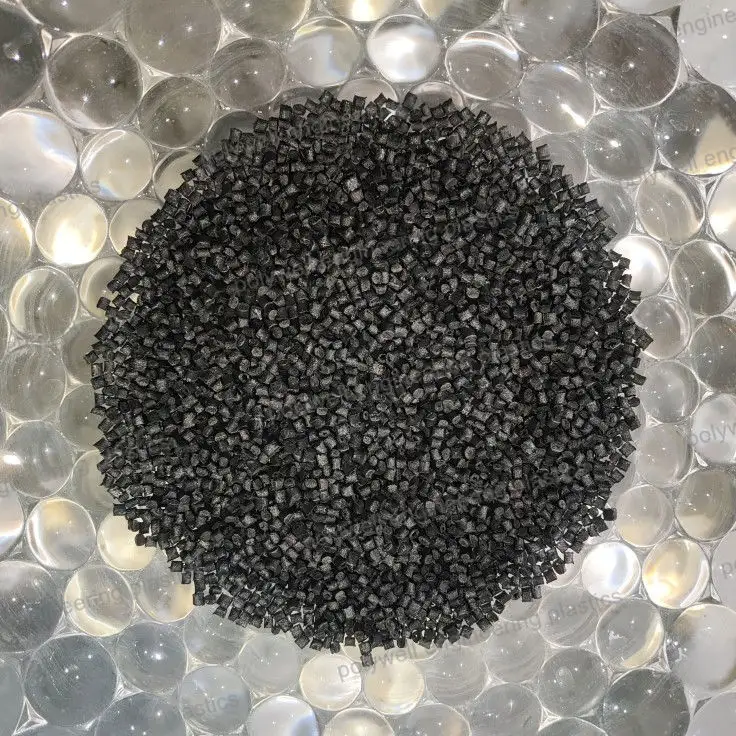
Our polyamide material is the result of continuous R&D since 2006, specifically tailored for thermal break applications. This deep, specialized knowledge allows us to engineer materials with optimal mechanical strength, thermal stability, and resistance to aging. Unlike generic suppliers, we understand how formulation impacts performance in real world conditions, ensuring our strips provide a reliable and long lasting thermal barrier. This expertise is the foundation of our entire product line and one stop service.

Related products

The relationship between "nylon and polyamide" is one of specific instance versus general category. Polyamide is the overarching chemical family of polymers connected by amide linkages in their main chain. Nylon is the dominant and most famous subcategory of aliphatic polyamides. From a practical standpoint, in many engineering and manufacturing contexts, the terms are used interchangeably, particularly when referring to common types like PA6 and PA66. However, subtle distinctions persist. "Polyamide" is the more scientifically precise term, encompassing a wider range of materials beyond the classic nylons. This includes semi-aromatic polyamides (PPA), which offer higher heat and chemical resistance, and polyphthalamides, as well as bio-based polyamides like PA11 and PA12 derived from castor oil. When a professional specifies "polyamide," it often implies a focus on the fundamental material properties and a broader consideration of the available chemical types. When they say "nylon," it typically harkens to the most common, traditional aliphatic types and their well-understood behavior. Both share defining characteristics: high mechanical strength and toughness, excellent abrasion resistance, good fatigue endurance, and a propensity to absorb moisture. This hygroscopic nature is a critical design factor, as it plasticizes the material, increasing toughness but reducing stiffness and dimensional stability. The choice between different polyamides, including various nylons, involves balancing properties like melting point, moisture absorption, chemical resistance, and cost against the demands of the specific application, whether it be an automotive gear, an electrical connector, or a high-performance fiber.

Frequently Asked Questions

Why is polyamide a better choice than other polymers for thermal breaks?

Polyamide, especially PA66, is superior due to its exceptional balance of properties crucial for thermal breaks. It maintains high strength and rigidity over a wide temperature range, offers excellent resistance to creep under long term load, and has a high melting point for dimensional stability. Its low thermal conductivity and proven durability in harsh environments make it the industry preferred material over alternatives like PVC or PP.

Related Articles

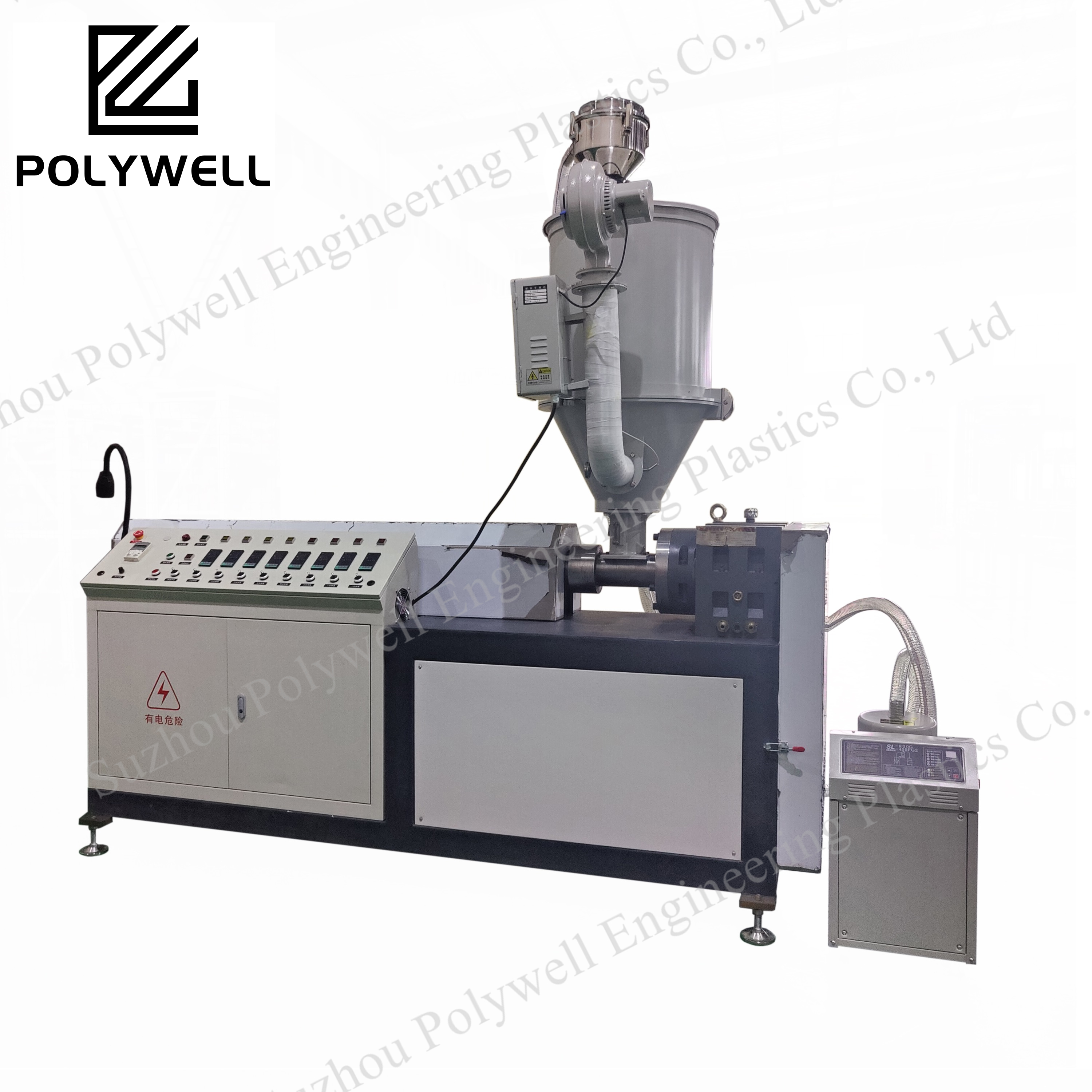
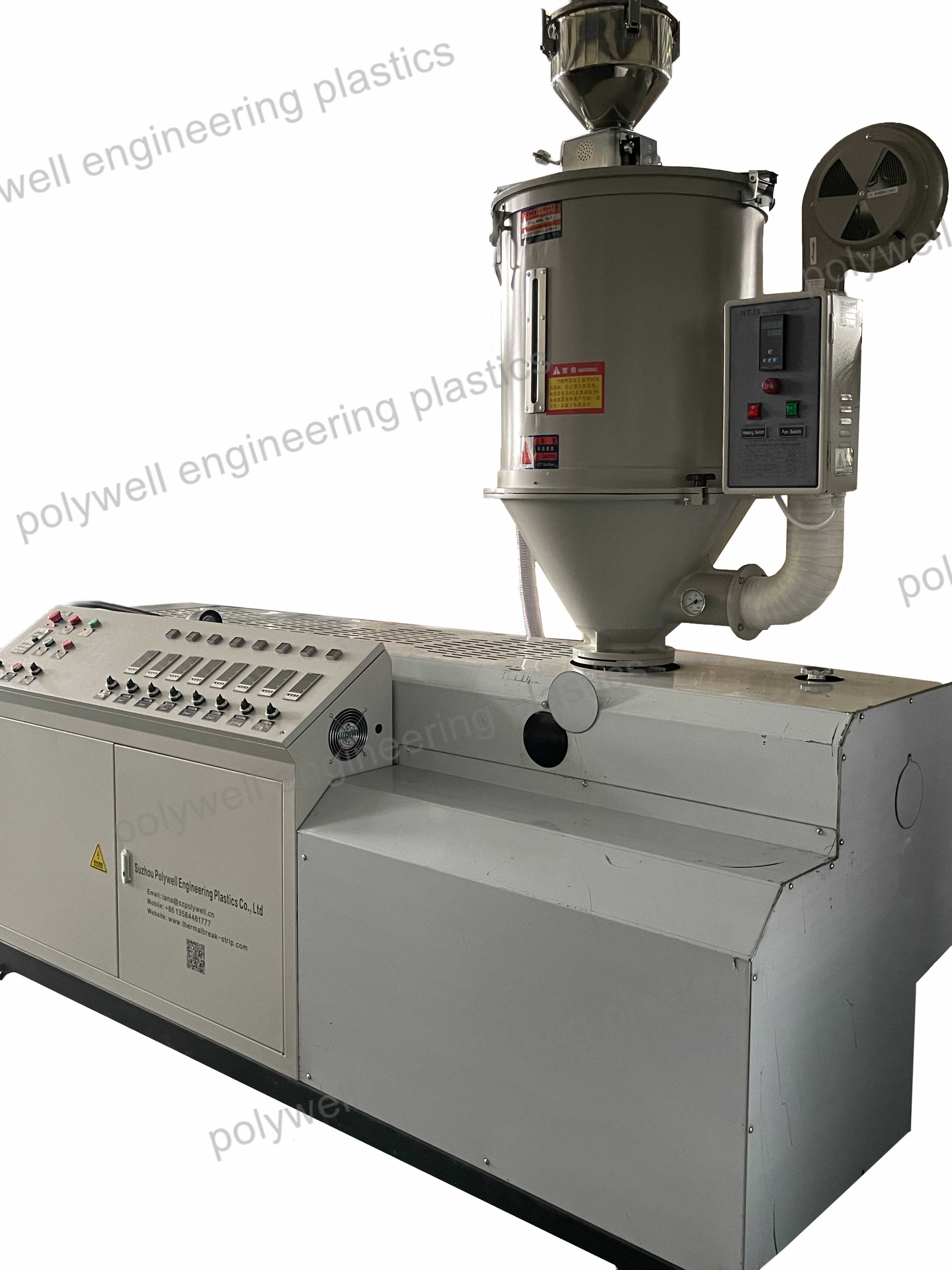
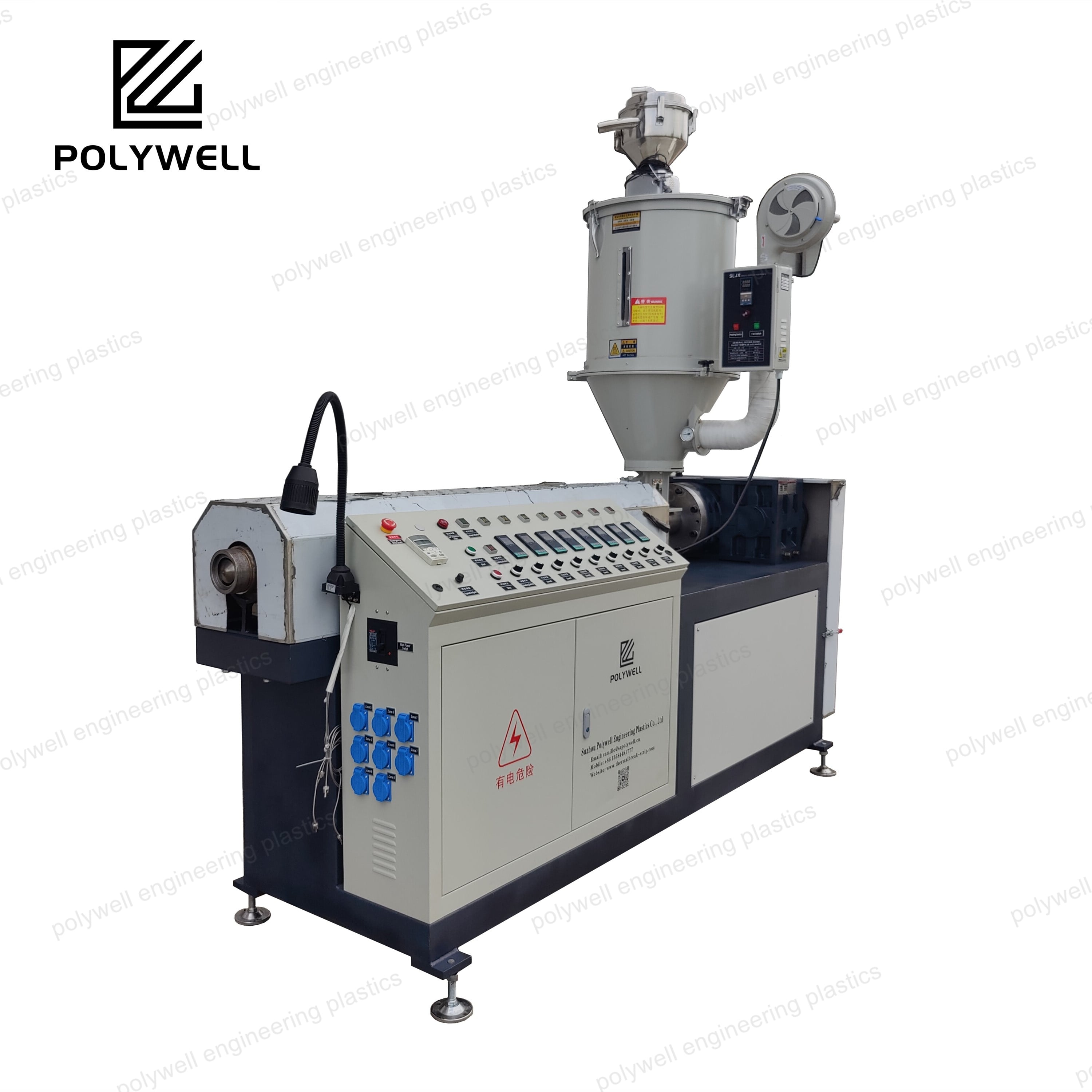
Help you select the extruder of PA66 thermal break strips

30

Dec

Help you select the extruder of PA66 thermal break strips

POLYWELL helps you choose the ideal extruder for manufacturing PA66 thermal break strips. Our expert advice ensures efficient extrusion, high-quality output, and optimal performance for energy-saving applications.
View More
The Manufacturing Process of PA66GF25 Granules Explained

18

Nov

The Manufacturing Process of PA66GF25 Granules Explained

POLYWELL manufactures high-quality PA66GF25 granules through a detailed process, ensuring superior strength and thermal stability for various applications.
View More
Factors to Consider When Selecting Plastic Extrusion Molds

18

Nov

Factors to Consider When Selecting Plastic Extrusion Molds

When selecting plastic extrusion molds, consider material compatibility, design, production volume, cost, and maintenance. Trust POLYWELL for quality solutions.
View More
How to Optimize Your Thermal Break Strip Manufacturing Process?

30

Oct

How to Optimize Your Thermal Break Strip Manufacturing Process?

Discover how to boost energy efficiency by 40% with optimized thermal break strip production. Leverage PA66GF25, aerogel composites, and AI-driven extrusion for superior performance. Download the full optimization guide.
View More

customer evaluation

Miller

We have been using their polyamide material for over three years. The batch to bconsistency is remarkable, which has eliminated production variations in our thermal break strips. The material's inherent low thermal conductivity and mechanical strength have significantly improved the performance of our final window products. It's a reliable foundation for high quality insulating profiles.

Get a Free Quote

Our representative will contact you soon.
Email
Name
Company Name
Message
0/1000
Expert Material Formulation Since 2006

Expert Material Formulation Since 2006

Our polyamide material is the product of continuous research and development since 2006 specifically for thermal break applications This extensive expertise allows us to engineer materials with an optimal balance of very low thermal conductivity for superior insulation and high mechanical strength to support structural loads The material is also formulated for excellent resistance to weathering UV exposure and corrosion ensuring long term performance and reliability in diverse climatic conditions and contributing to durable energy efficient building envelopes
Superior Mechanical and Thermal Properties

Superior Mechanical and Thermal Properties

We engineer our polyamide material to excel in critical performance areas essential for thermal breaks It maintains high strength and rigidity across a wide temperature range ensuring the structural integrity of window and door profiles under various environmental stresses The inherently low thermal conductivity forms the core of its heat insulation capability effectively reducing energy loss Furthermore the material offers excellent resistance to creep under long term load guaranteeing lasting performance
Customization for Specific Application Needs

Customization for Specific Application Needs

We offer customized polyamide material formulations to meet unique project requirements We can adjust properties such as glass fiber content for enhanced load bearing capacity incorporate additives for specific fire ratings or UV stability and modify color for aesthetic purposes This flexibility ensures that the thermal break strip is perfectly suited for its intended application whether for standard windows large curtain walls or specialized architectural systems providing an optimized solution for every client
Inquiry Inquiry Email Email WhatsApp WhatsApp Wechat Wechat
Wechat
TopTop

Related Search