Reflective Barrier Insulation for Radiant Heat Control

All Categories

Reflective Barrier Insulation: Multi Scenario Solutions for Radiant Heat Control

This page is dedicated to reflective barrier insulation, a versatile solution that controls radiant heat transfer in residential, commercial, and industrial environments. It details the insulation’s core advantage: using reflective materials (aluminum foil) to reflect radiant heat instead of absorbing it, making it ideal for both hot and cold climates. The content covers key applications: attic and roof insulation (to reduce summer heat gain), garage and workshop insulation (to maintain comfortable temperatures), and industrial equipment insulation (to protect workers from hot surfaces). It also includes product variations (e.g., flame retardant options for commercial use, moisture resistant options for basements) and installation guidelines (e.g., attaching to rafters, installing under flooring). Additionally, it highlights long term benefits like reduced HVAC strain and extended equipment lifespan, catering to anyone seeking efficient, low maintenance insulation.
Get A Quote

Advantages of the product

Whole Profile Insulation for Comprehensive Performance

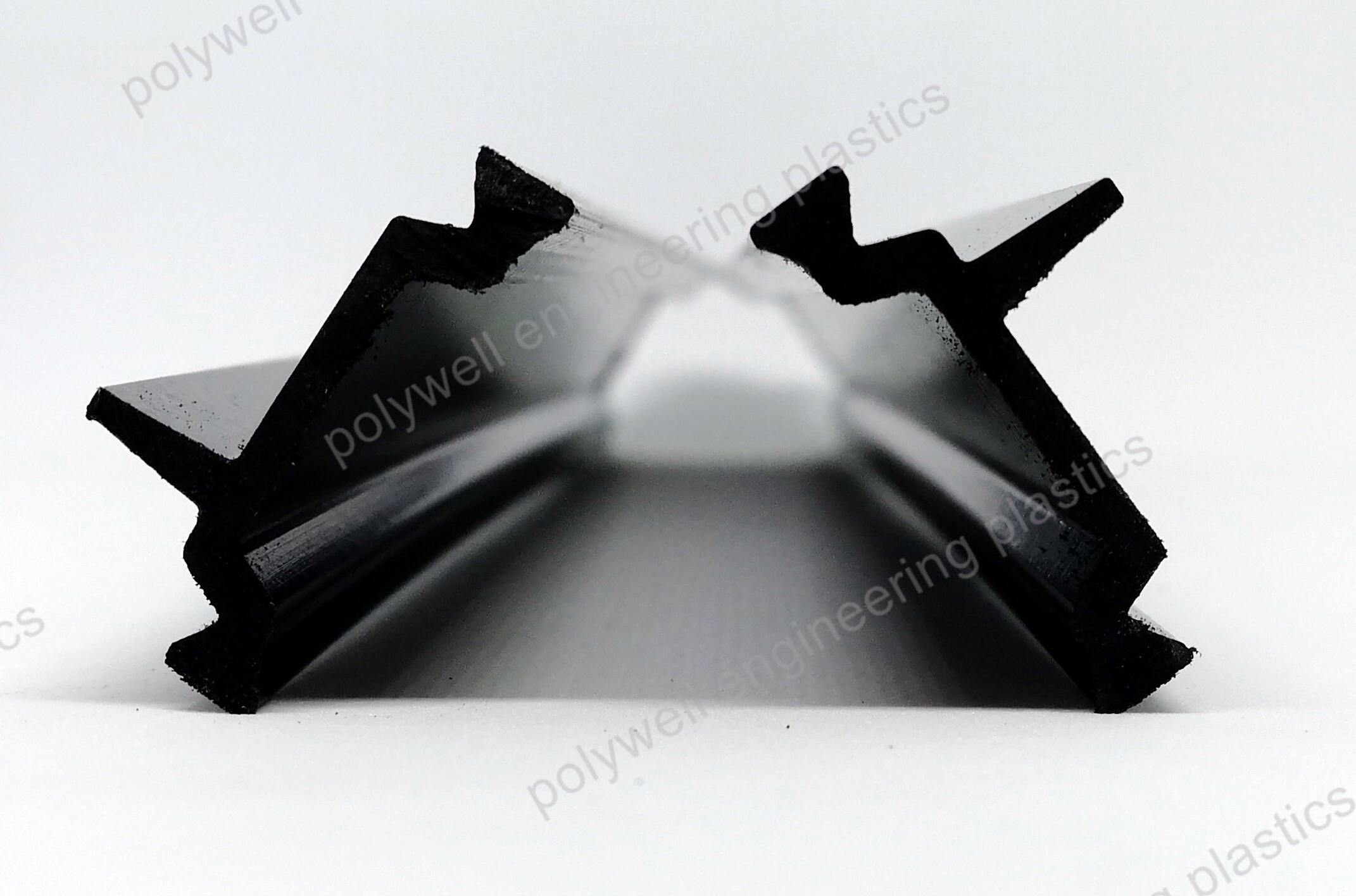
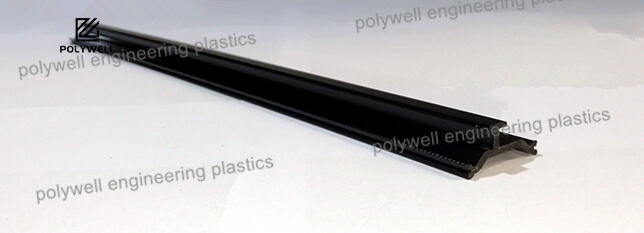
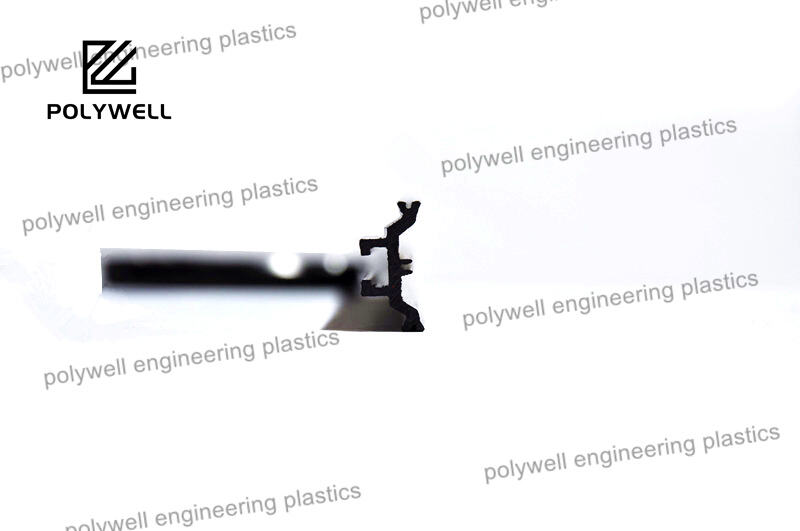
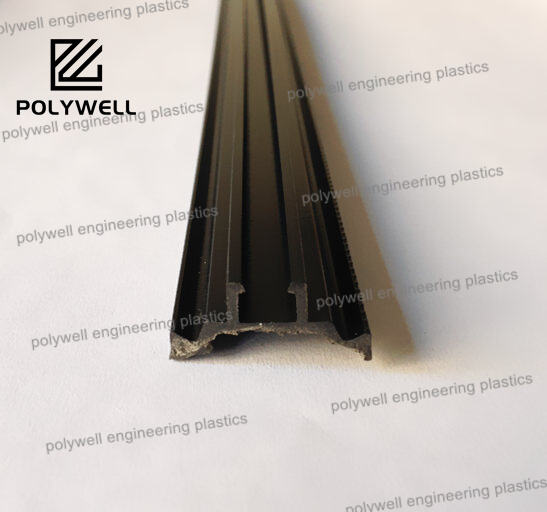
Our solution enables the creation of a continuous thermal barrier throughout the entire window or door frame, not just at isolated points. This "whole profile" insulation approach is far more effective than localized breaks, as it minimizes all potential paths for heat flow. This comprehensive strategy ensures maximum energy efficiency and consistent interior surface temperatures across the entire frame.

Related products

Reflective barrier insulation encompasses a category of thermal control materials that utilize low-emissivity surfaces to manage radiant heat transfer while providing additional resistance to conductive and convective heat flow. These composite materials typically consist of one or multiple layers of aluminum foil (99% purity preferred) laminated to substrates such as polyethylene bubbles, closed-cell foams, or fiberglass mats. The fundamental operating principle leverages the physical property of emissivity, where highly reflective surfaces with emissivity ratings below 0.1 effectively bounce infrared radiation back toward its source. This mechanism proves particularly effective in applications where significant temperature differentials drive radiant heat transfer, such as attic spaces, wall cavities adjacent to siding, and industrial process environments. Performance varies with installation orientation, requiring maintained air spaces of at least ¾-inch adjacent to reflective surfaces for optimal function. Standard performance metrics include both traditional R-values (ranging from R-3 to R-21 depending on configuration) and radiant barrier effectiveness measured through ASTM C1313 testing. Beyond thermal performance, these materials typically function as vapor retarders when properly sealed, moisture barriers in specific configurations, and air infiltration blockers when installed as continuous systems. Manufacturing processes employ advanced laminating technologies that ensure layer integrity under thermal cycling and mechanical stress. Applications span residential construction (where they complement traditional insulation in hot climates), commercial roofing systems, industrial equipment insulation, and specialized uses in transportation and aerospace. Installation protocols emphasize seam sealing, proper fastening, and protection from dust accumulation that can degrade reflective performance. Modern developments include integrated fire retardants, reinforced scrim layers for tear resistance, and UV-stabilized coatings for exposed applications. The versatility and cost-effectiveness of reflective barrier insulation have established its role in comprehensive energy conservation strategies across global markets.

Frequently Asked Questions

How does effective heat insulation impact building energy consumption?

Effective heat insulation significantly reduces the load on a building's HVAC system. By minimizing heat loss in winter and heat gain in summer, it maintains stable indoor temperatures with less energy. This can lead to reductions of 10 20% or more in heating and cooling costs. It is a passive, highly effective strategy for lowering a building's operational energy consumption and carbon footprint.

Related Articles

Factors to Consider When Selecting Plastic Extrusion Molds

18

Nov

Factors to Consider When Selecting Plastic Extrusion Molds

When selecting plastic extrusion molds, consider material compatibility, design, production volume, cost, and maintenance. Trust POLYWELL for quality solutions.
View More
What Are the Key Features of Modern Single Screw Extruders?

28

Mar

What Are the Key Features of Modern Single Screw Extruders?

Explore the essential components of modern single screw extruders, focusing on high-performance screw design, advanced barrel heating, and precision control. Learn about energy efficiency innovations, IoT integration, and their applications in plastic extrusion cutting machines, enhancing processing efficiency and product quality.
View More
Complete Production Line Configuration for PA66GF25 Thermal Break Strips

17

Sep

Complete Production Line Configuration for PA66GF25 Thermal Break Strips

Maximize performance in PA66GF25 thermal break strip manufacturing with optimized extrusion, mold design, and AI-driven quality control. Discover how to achieve 98% fiber alignment and ±0.1 mm tolerances. Request a technical consultation today.
View More
Daily Inspection of Single Screw Extruder for Thermal Break Strip Production

17

Sep

Daily Inspection of Single Screw Extruder for Thermal Break Strip Production

Ensure peak extrusion performance with our daily inspection checklist for single screw extruders in thermal break strip production. Prevent downtime and maintain quality—download your free guide now.
View More

customer evaluation

Daisy

By using their thermal break strips, we have measured a consistent 15% improvement in the insulating performance of our window units. This directly translates to lower energy bills for our clients and helps our projects achieve valuable green building certification points.

Get a Free Quote

Our representative will contact you soon.
Email
Name
Company Name
Message
0/1000
Superior Thermal Barrier Performance

Superior Thermal Barrier Performance

The core of our heat insulation capability lies in the exceptionally low thermal conductivity of our specially formulated polyamide materials When integrated into an aluminum profile the strip creates a high resistance barrier to heat flow This directly translates to significant energy savings on heating and cooling improved comfort by eliminating cold drafts and prevention of problematic condensation on interior surfaces
Maintains Performance in Extreme Climates

Maintains Performance in Extreme Climates

Our thermal break strips are engineered to retain their mechanical properties and insulating performance across a wide temperature range from freezing winters to hot summers The material does not become brittle in the cold or soften excessively in the heat ensuring the insulation remains effective and the structural integrity of the fenestration product is uncompromised year round in any climate
Contributes to Green Building Certifications

Contributes to Green Building Certifications

Effective heat insulation is a cornerstone of energy efficient building design By incorporating our high performance thermal breaks window and door manufacturers can significantly improve the thermal performance of their products This helps buildings achieve higher energy ratings and meet the stringent requirements for international green building standards such as LEED BREEAM and Passive House adding value and marketability
Inquiry Inquiry Email Email WhatsApp WhatsApp Wechat Wechat
Wechat
TopTop

Related Search