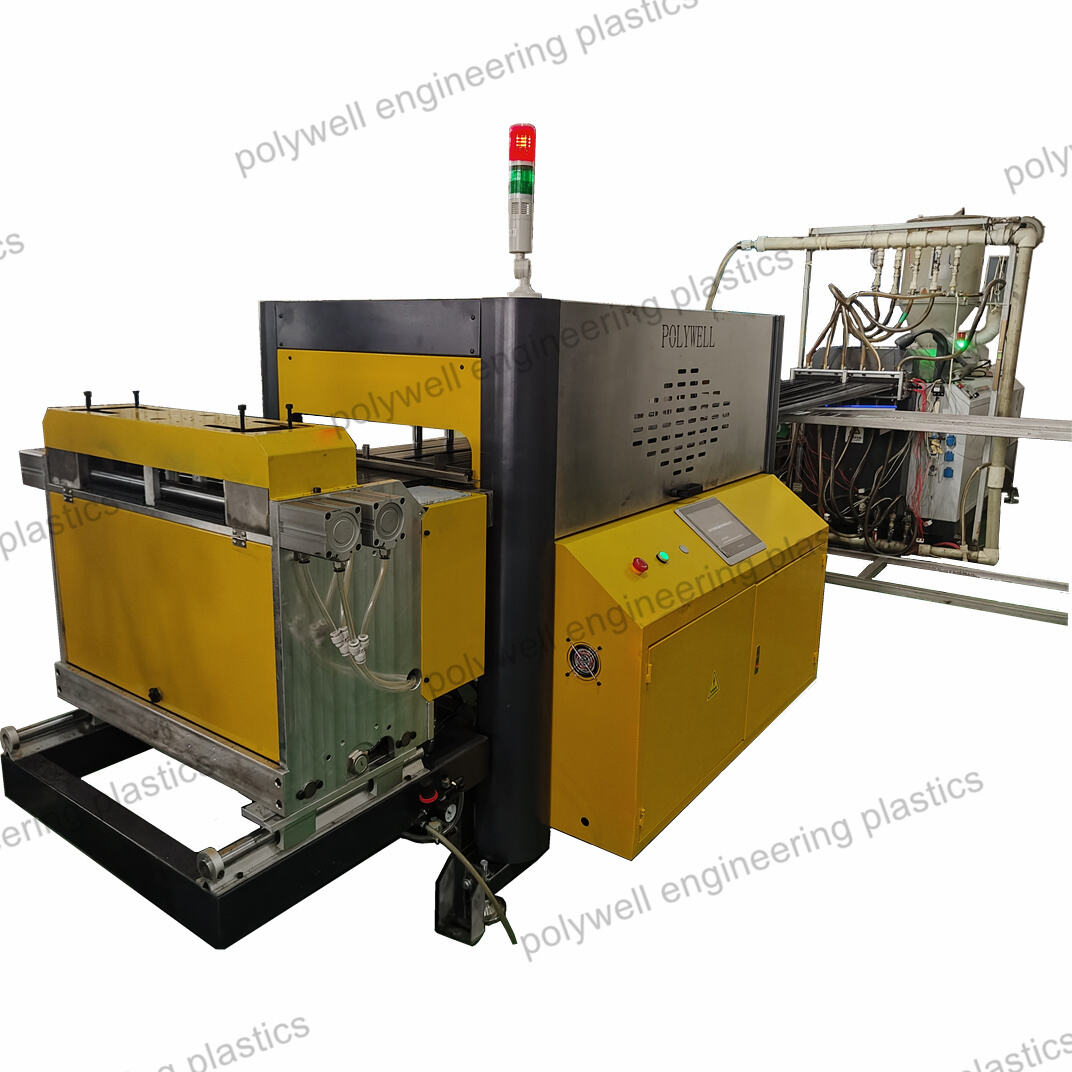
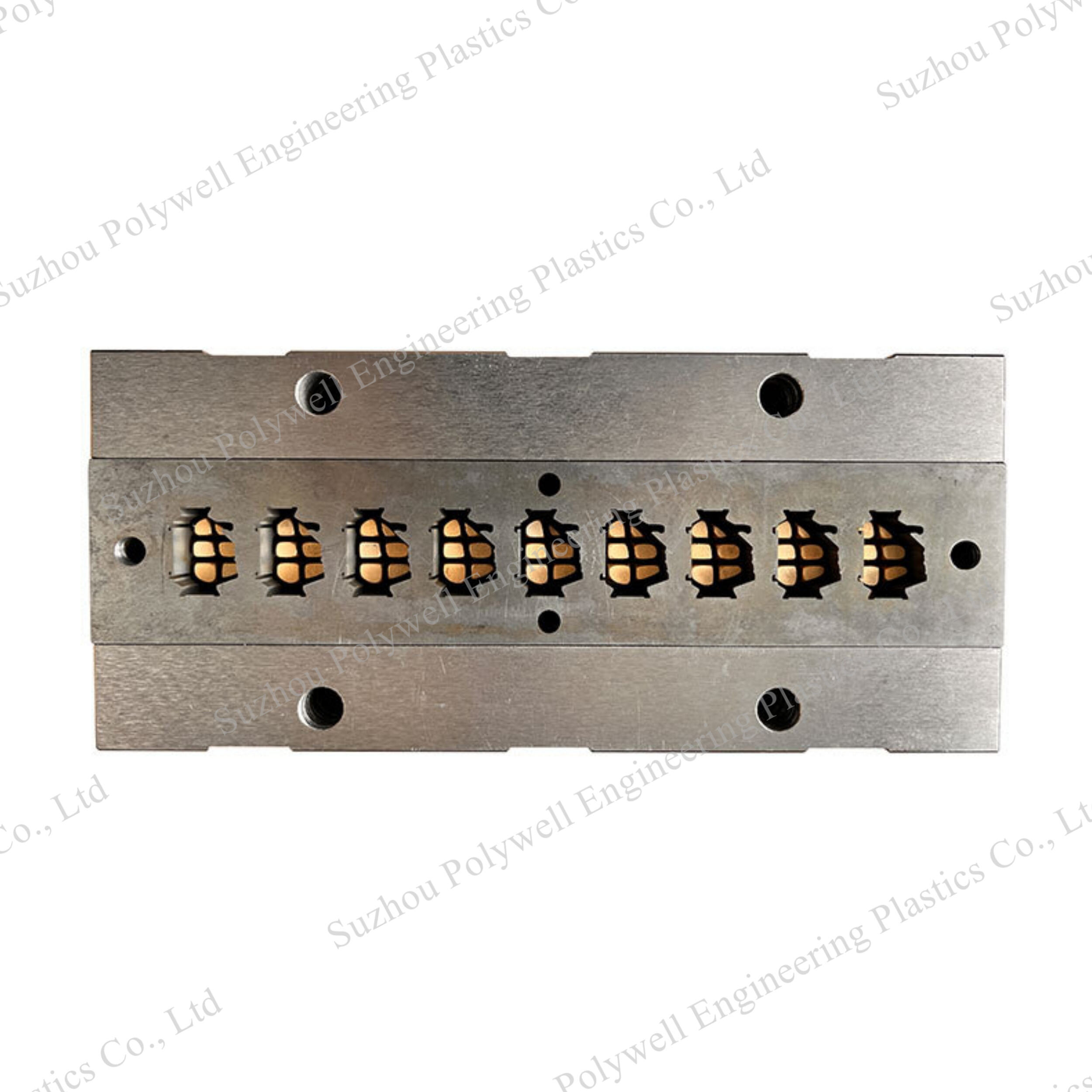
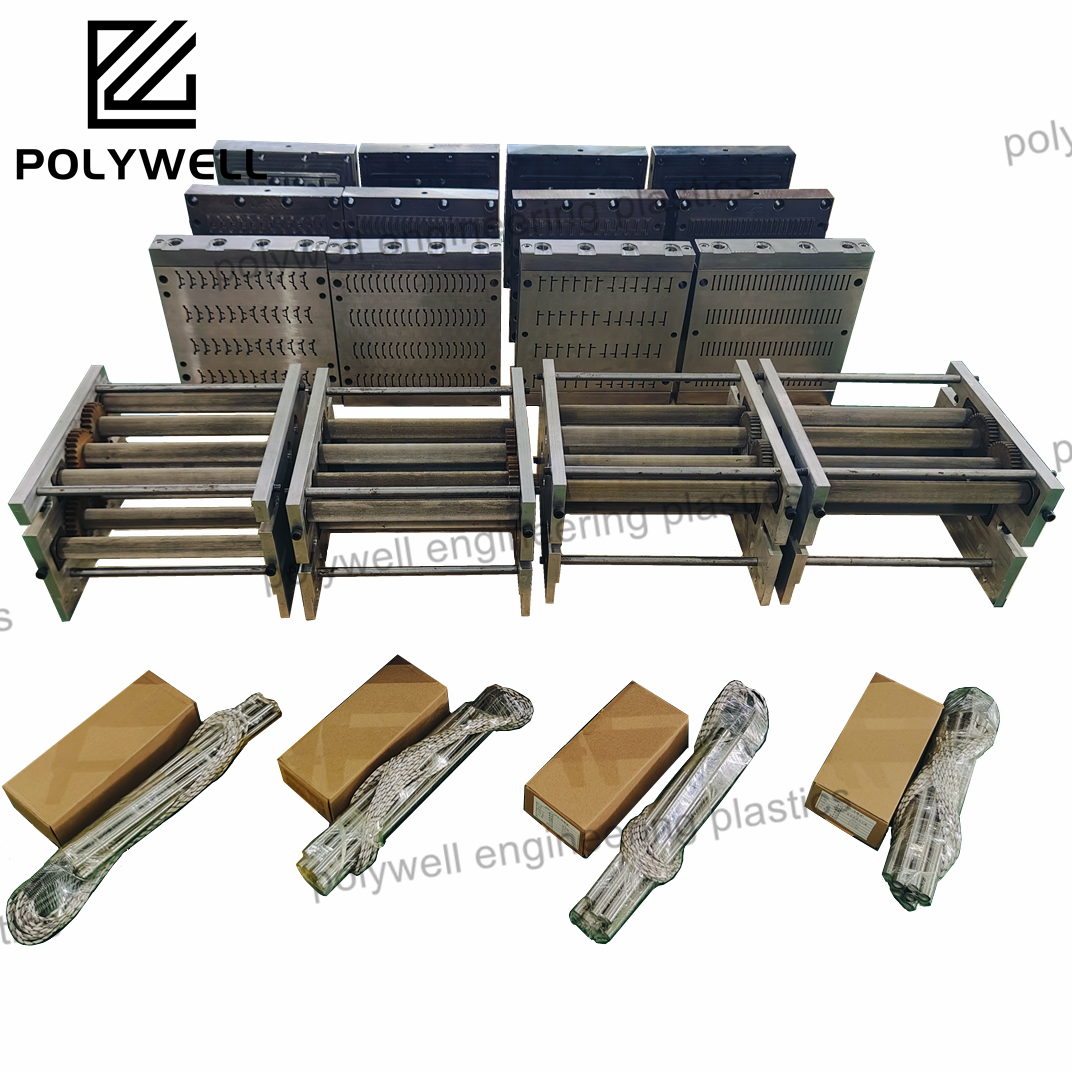
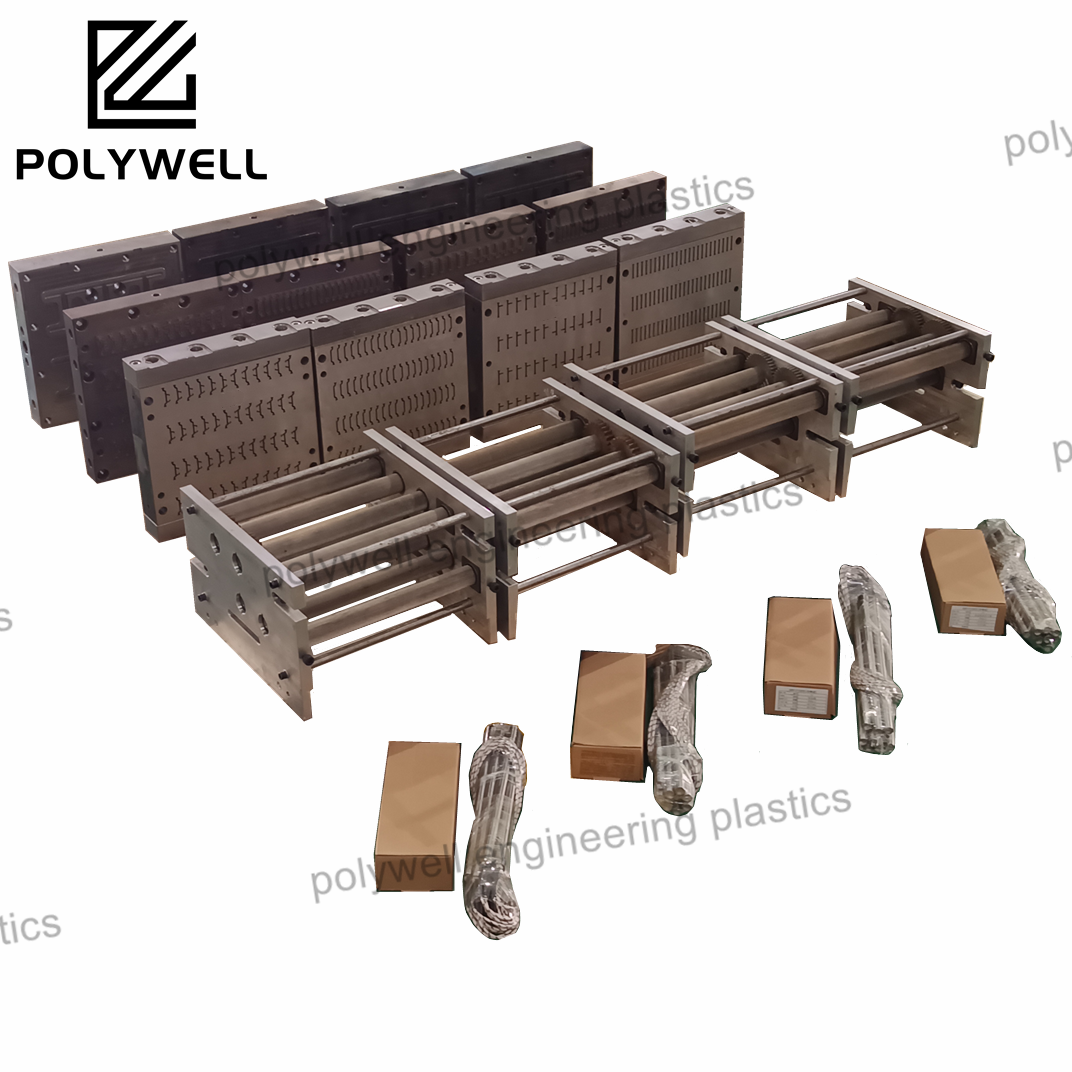
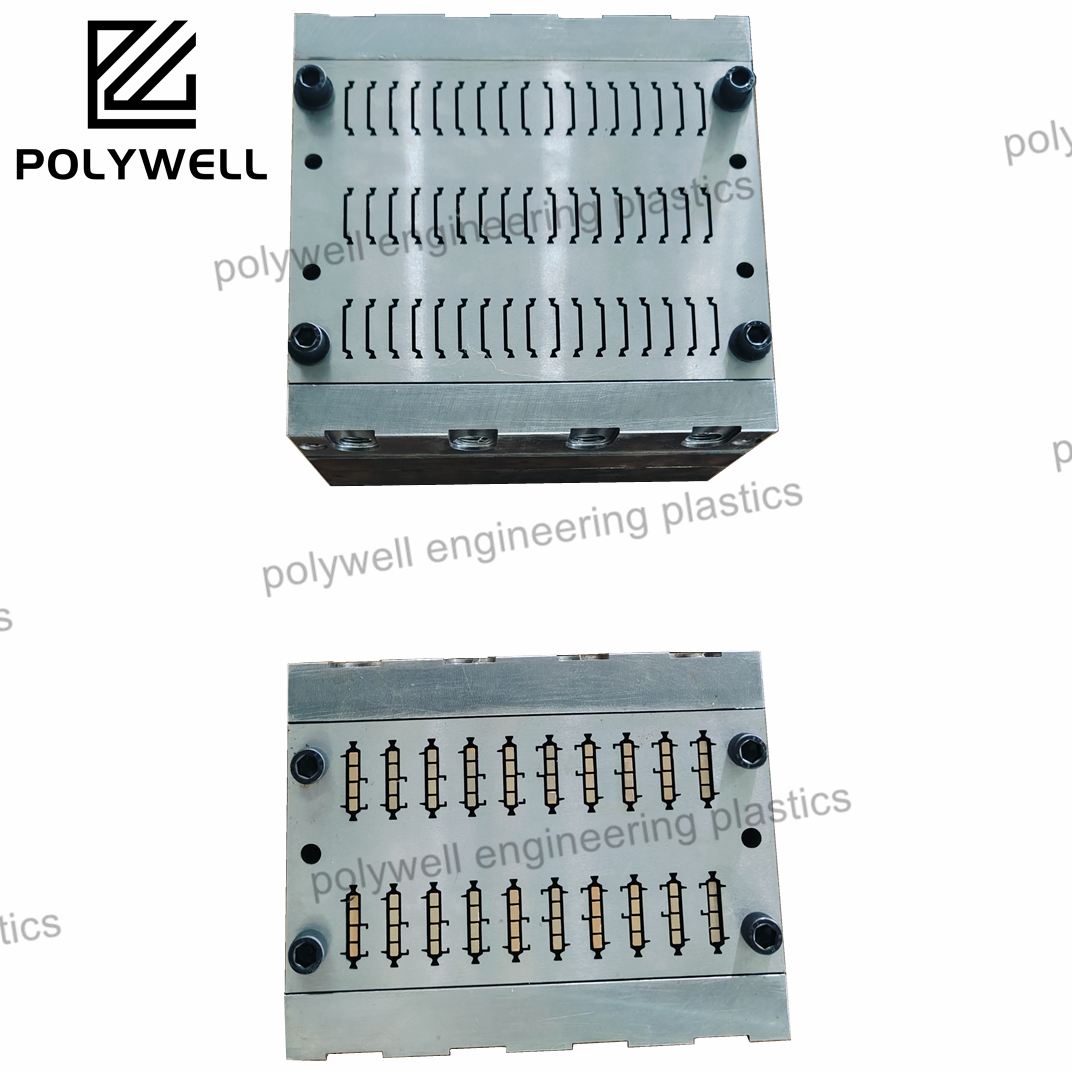
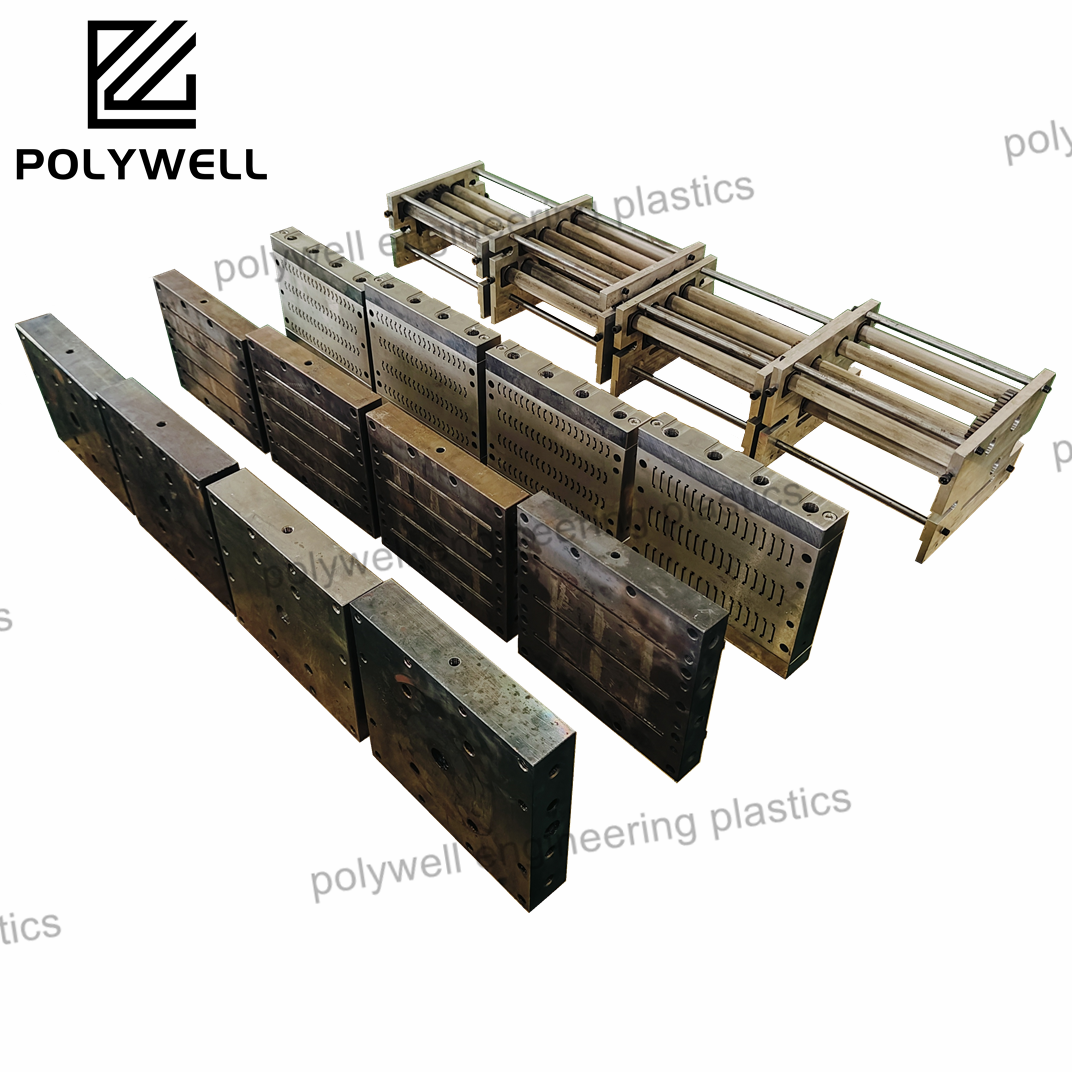
POLYWELL Polymer Extrusion: Optimized for Polyamide Thermal Break Strip Manufacturing
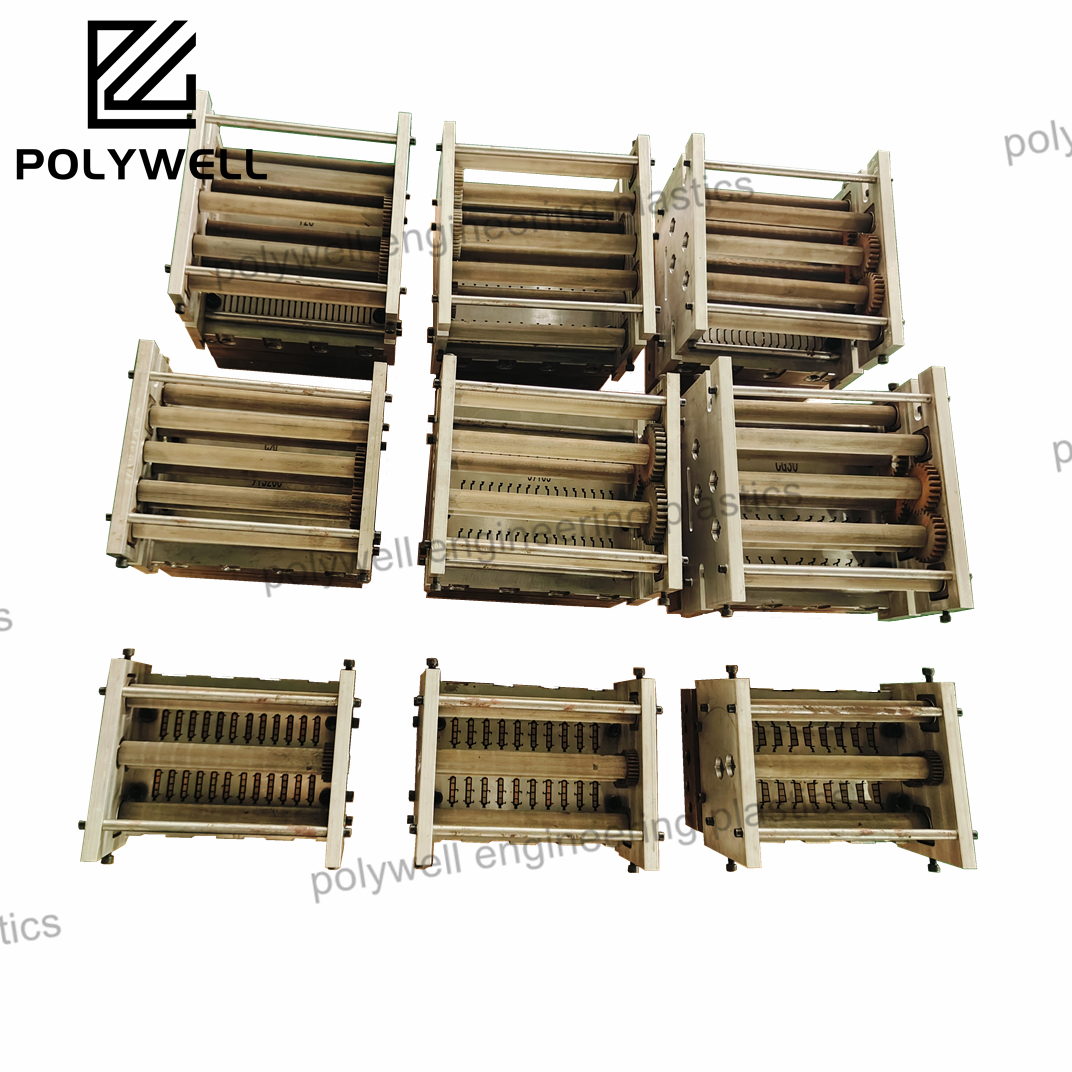
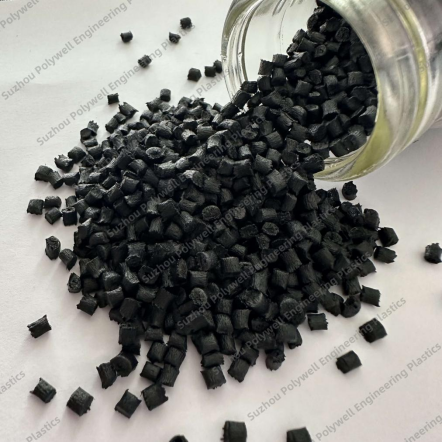
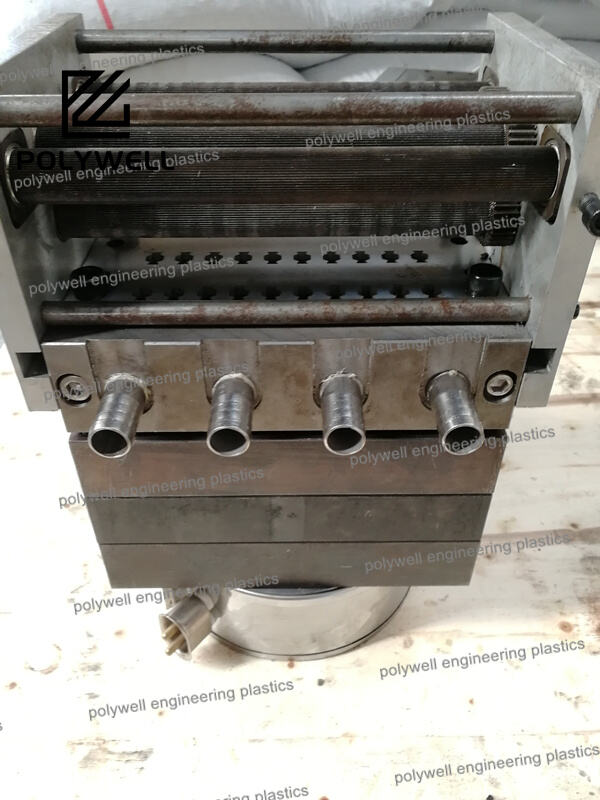
This page belongs to POLYWELL, offering polymer extrusion solutions tailored for polyamide (a key polymer) thermal break strip production—backed by 15+ years of expertise. Its polymer extrusion equipment features optimized screws and barrels to handle polyamide’s properties, ensuring uniform melting and minimal material waste. POLYWELL provides technical support for polymer extrusion parameters (e.g., temperature, speed), DFM services to predict risks, and on site service to resolve issues. Client feedback (Ms. Özge’s success with polyamide granules) confirms polymer extrusion effectiveness, and the 6 step cooperation process ensures manufacturers get tailored solutions.
Get A Quote

 EN
EN