
 EN
EN


Design Options for Thermally Broken Aluminum Windows
POLYWELL offers high-performance thermal break strips for energy-efficient aluminum windows, enhancing thermal and sound insulation with precision design.
View More
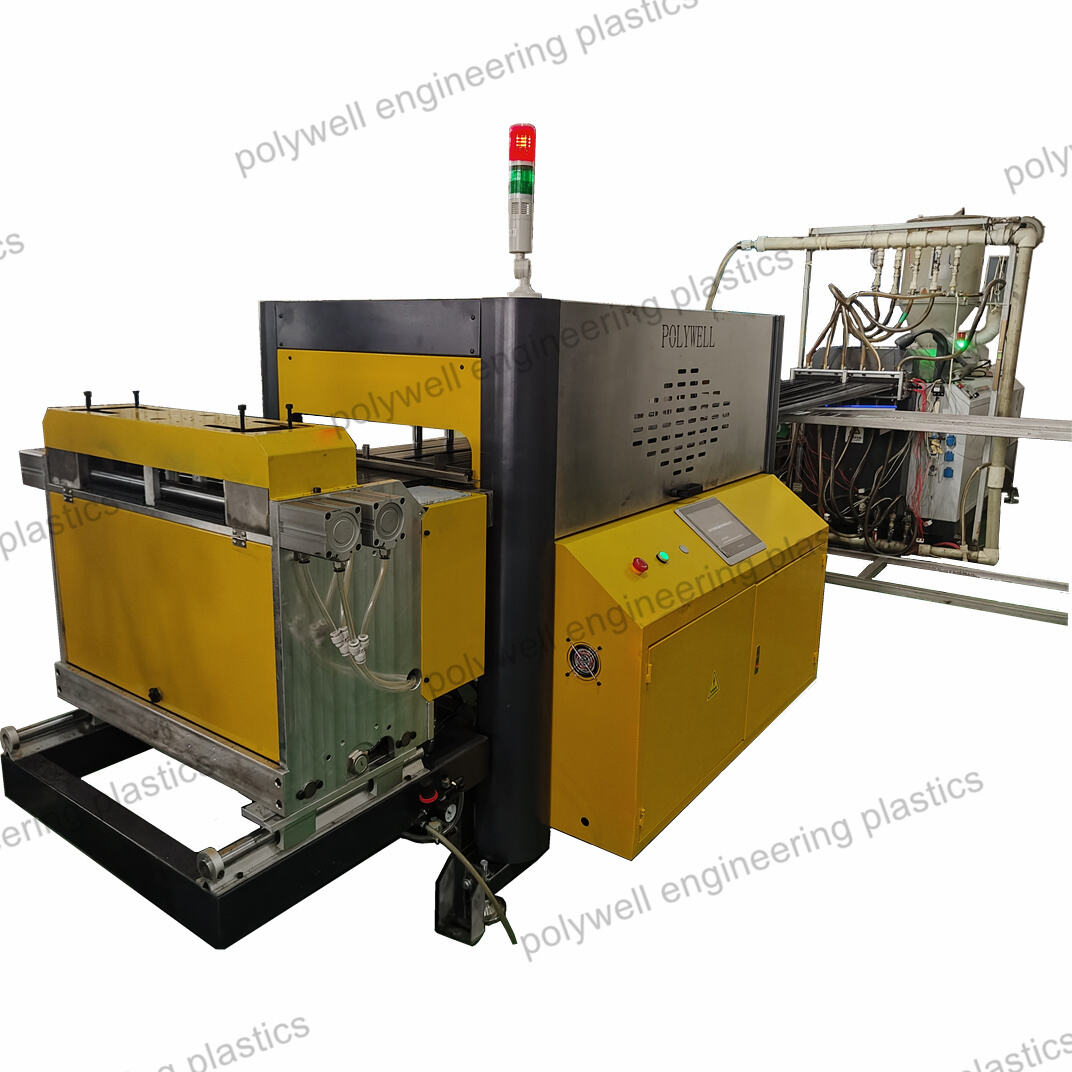
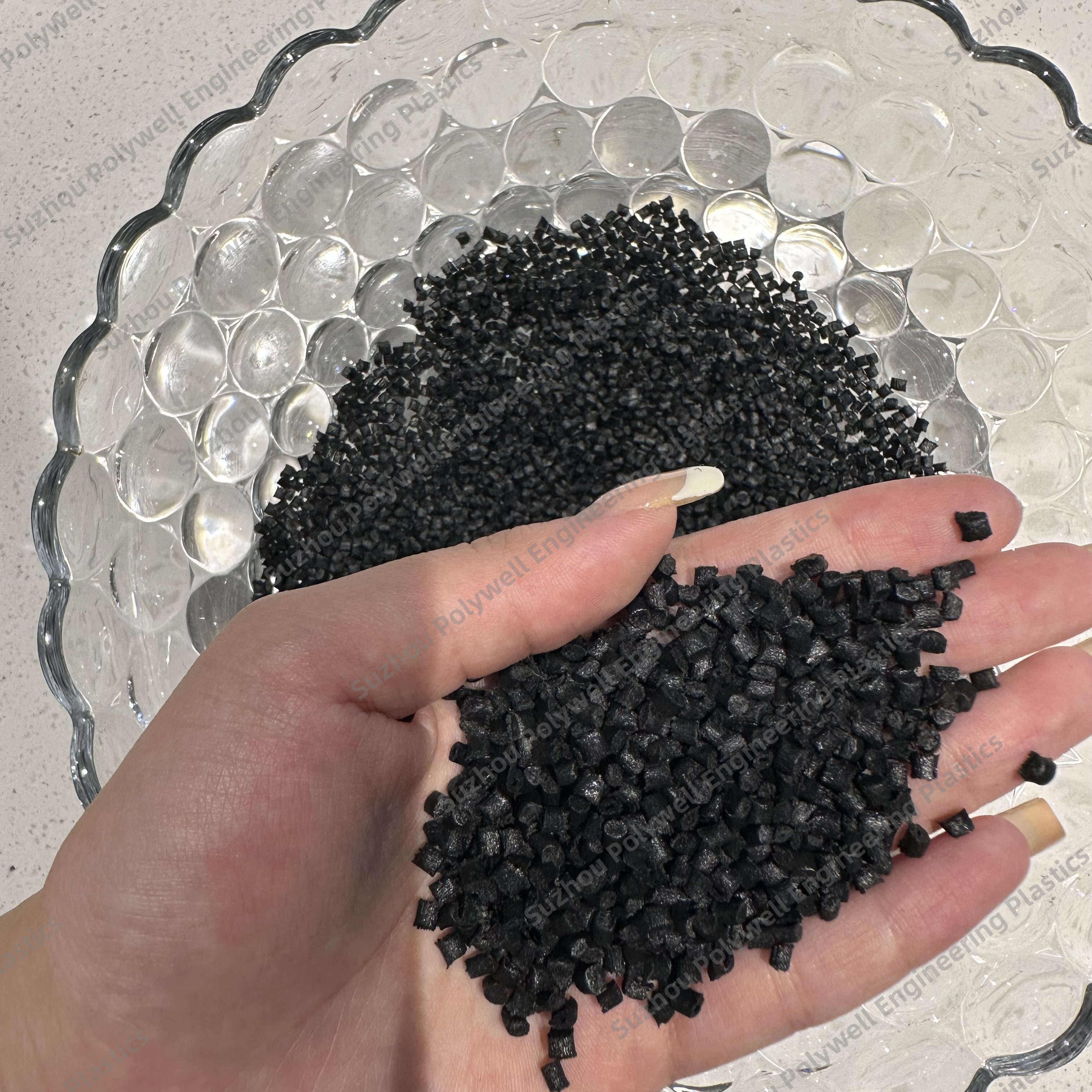
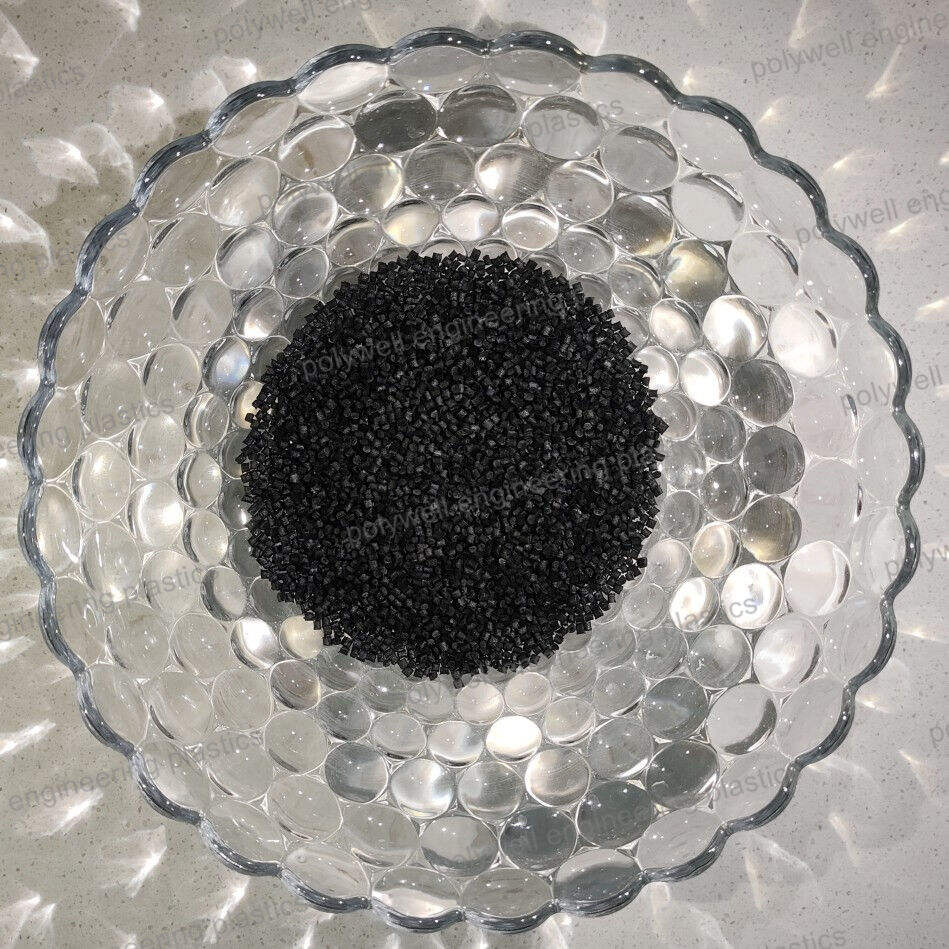
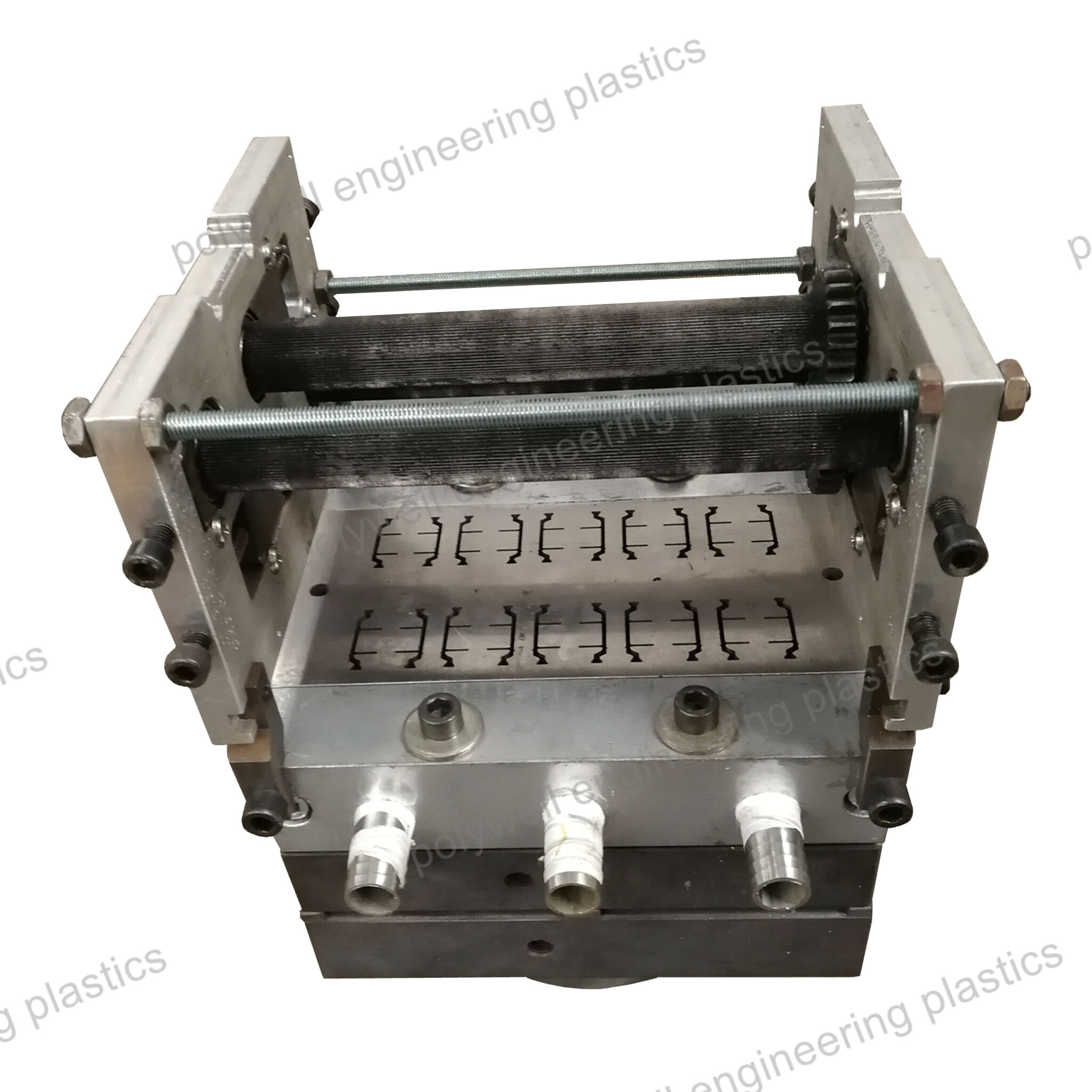
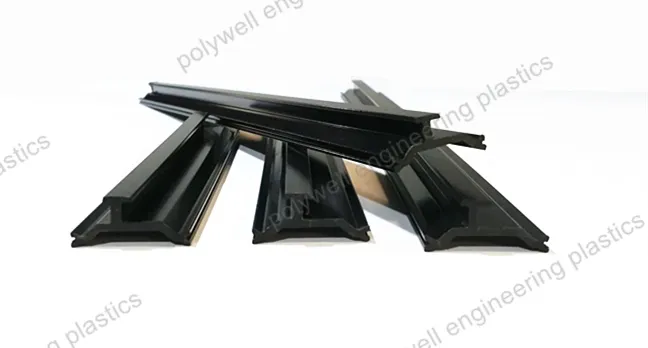
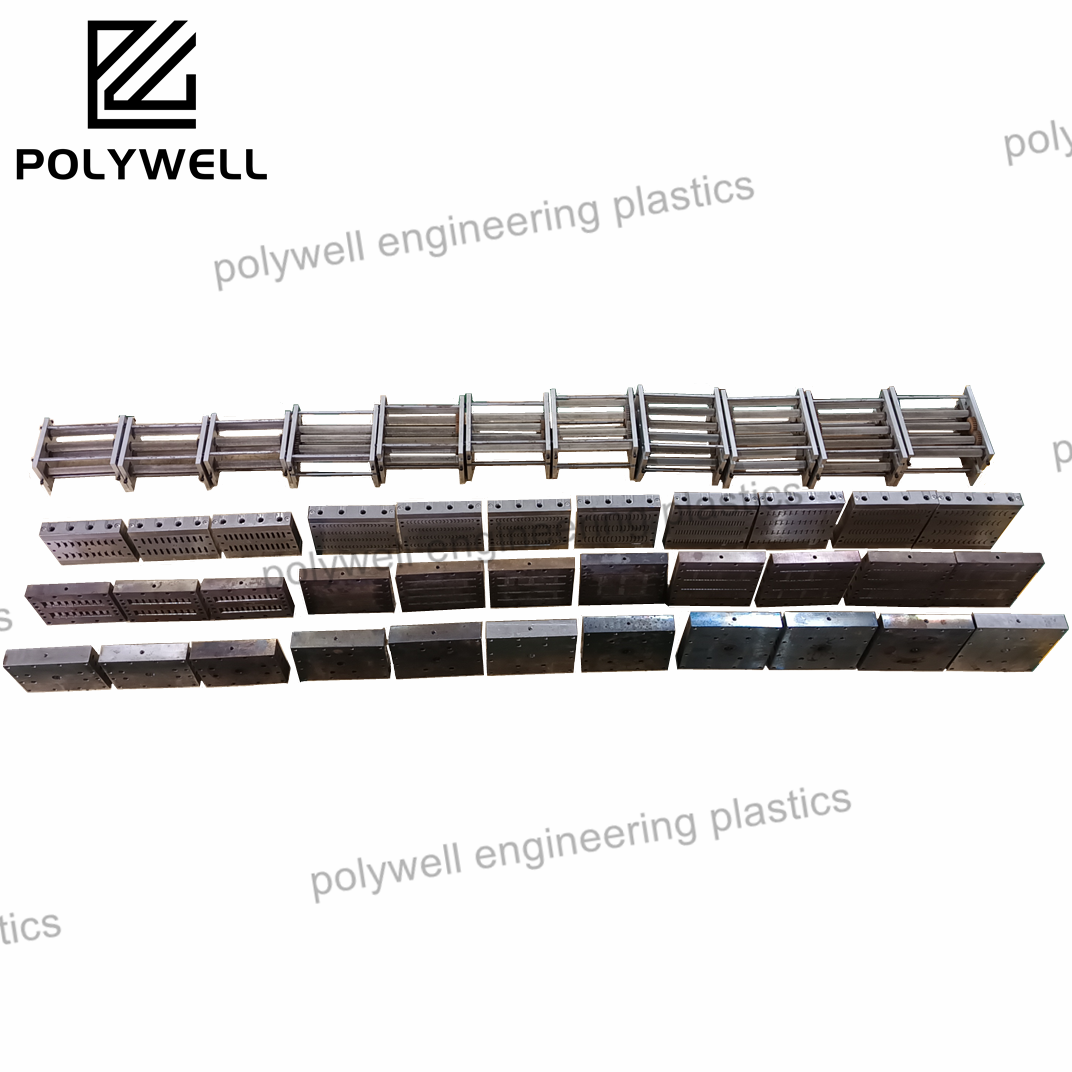
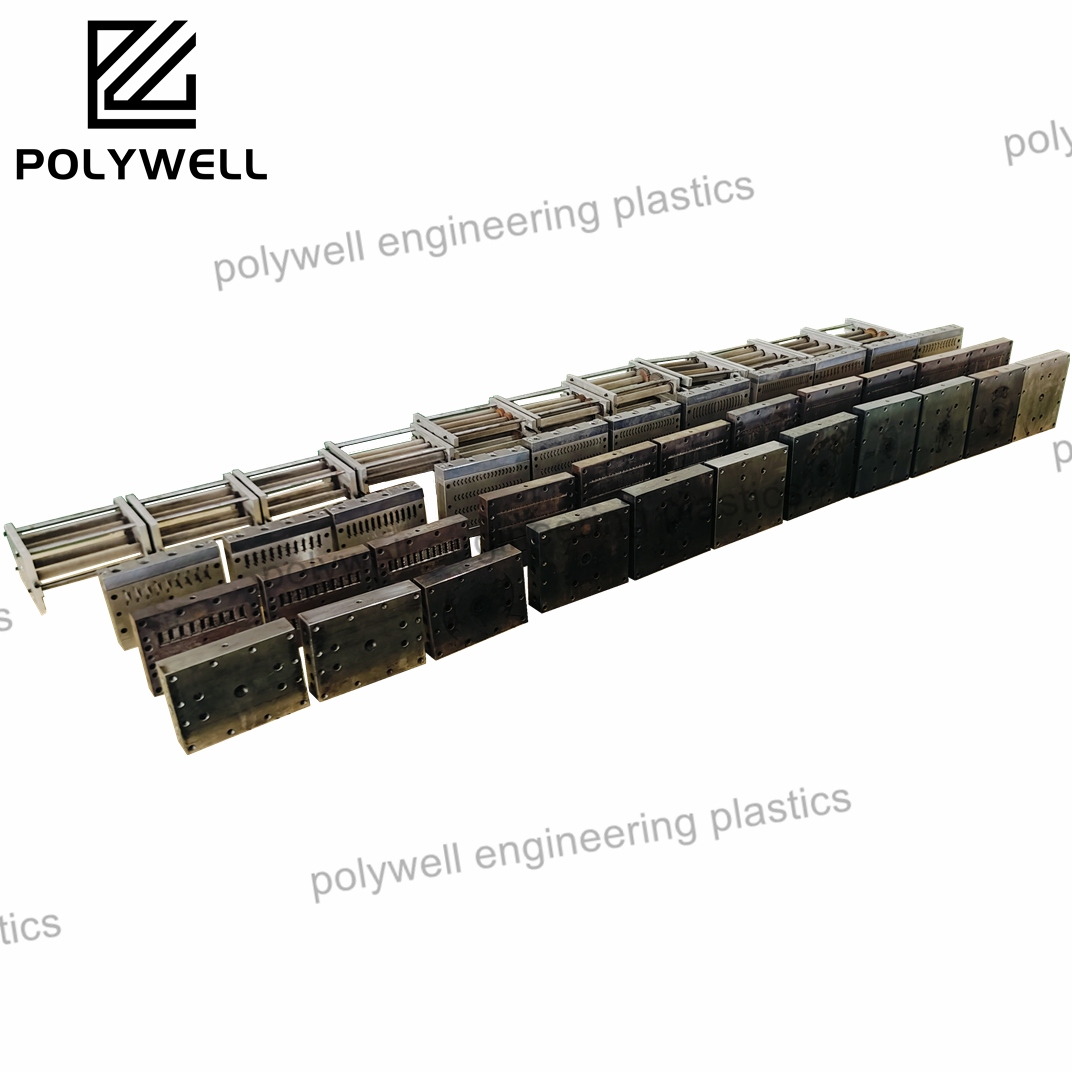
Extrusion in plastic is a foundational and continuous high-volume manufacturing process used to create objects of a fixed cross-sectional profile. It is one of the most common and versatile methods for processing thermoplastic polymers. The process begins with plastic resin in the form of pellets or powder being fed from a hopper into the barrel of an extruder. Inside the barrel, a rotating screw conveys the material forward while subjecting it to heat and intense shear, causing it to melt into a viscous, homogeneous fluid. This molten plastic is then forced under high pressure through a specially designed die, which imparts the desired shape to the flowing polymer. Upon exiting the die, the shaped extrudate is still molten and must be solidified. This is achieved through a calibration system that uses vacuum, pressure, and cooling water to set the precise dimensions, followed by a cooling bath. A haul-off unit pulls the now-solid profile from the die at a controlled speed that is synchronized with the extruder's output rate. Finally, the continuous profile is cut to length or wound onto coils. The versatility of plastic extrusion lies in the ability to produce a nearly infinite variety of shapes, from simple solid rods and hollow tubes to highly complex multi-chambered profiles used in construction. It is also the process behind the production of plastic sheets, films, and filaments, demonstrating its critical role in the global plastics industry.
27
Nov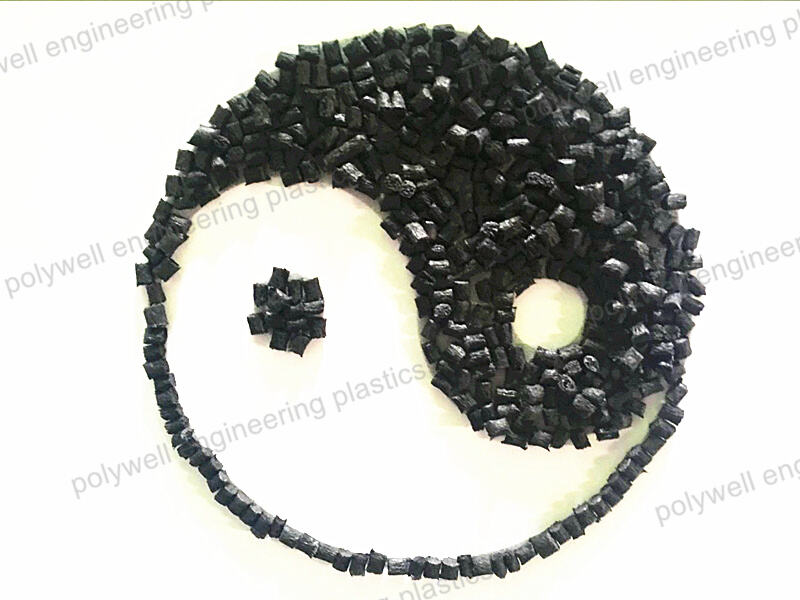
10
Dec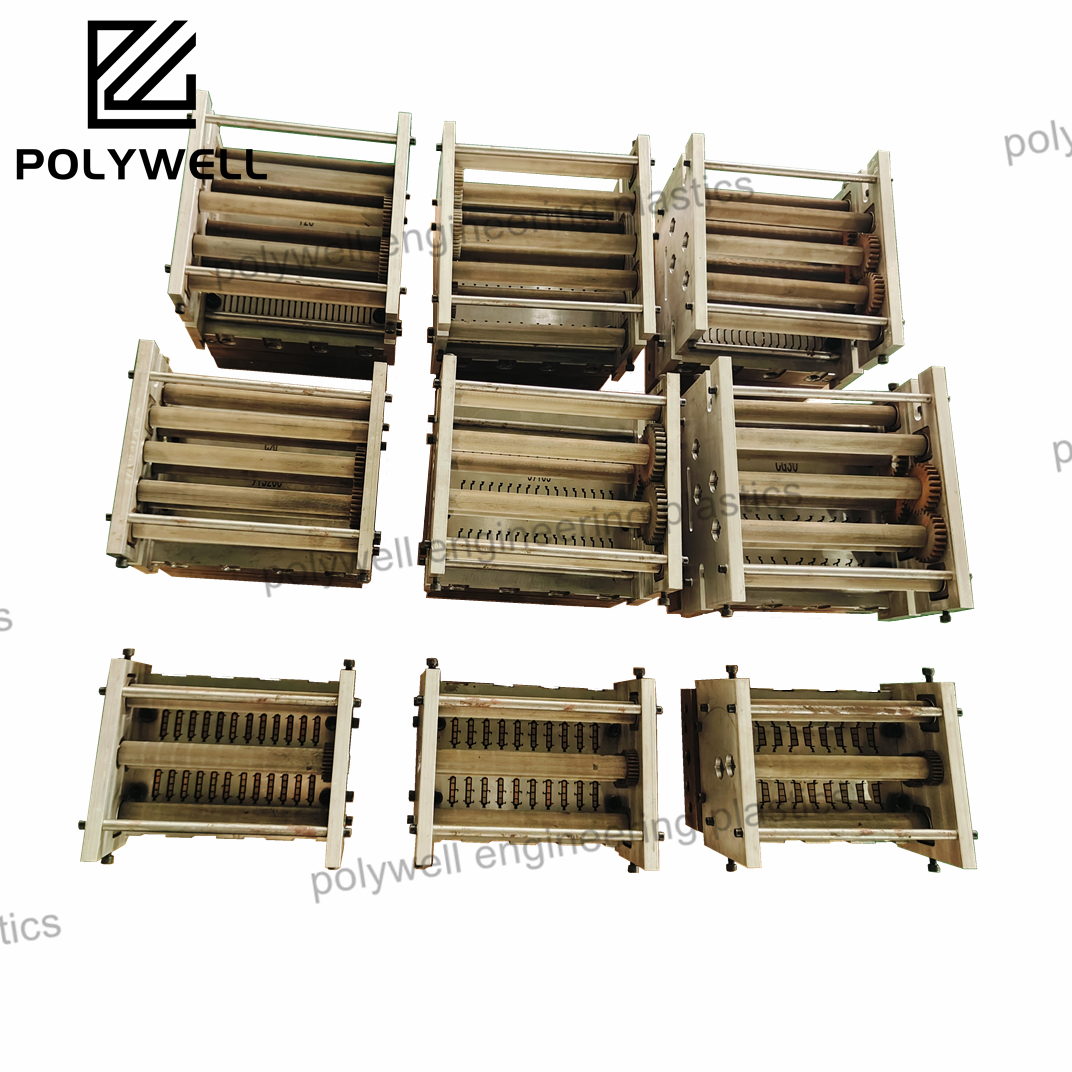
10
Jun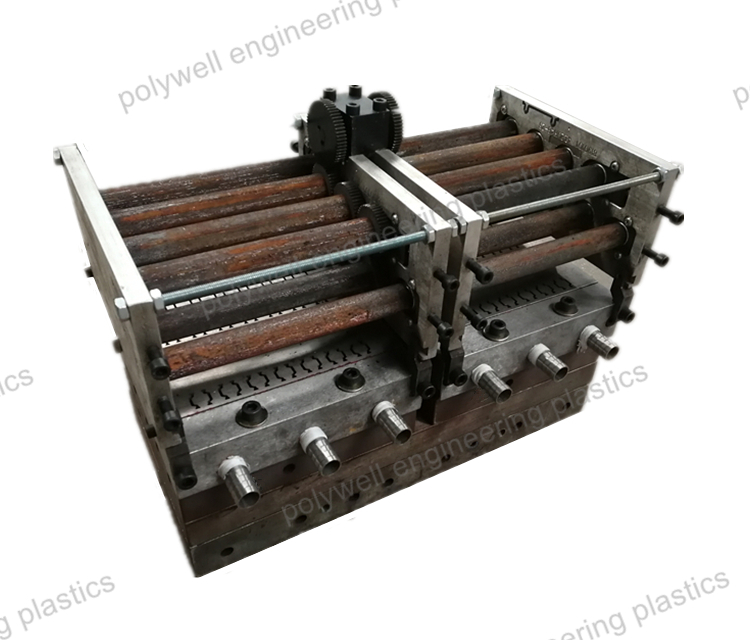
30
Oct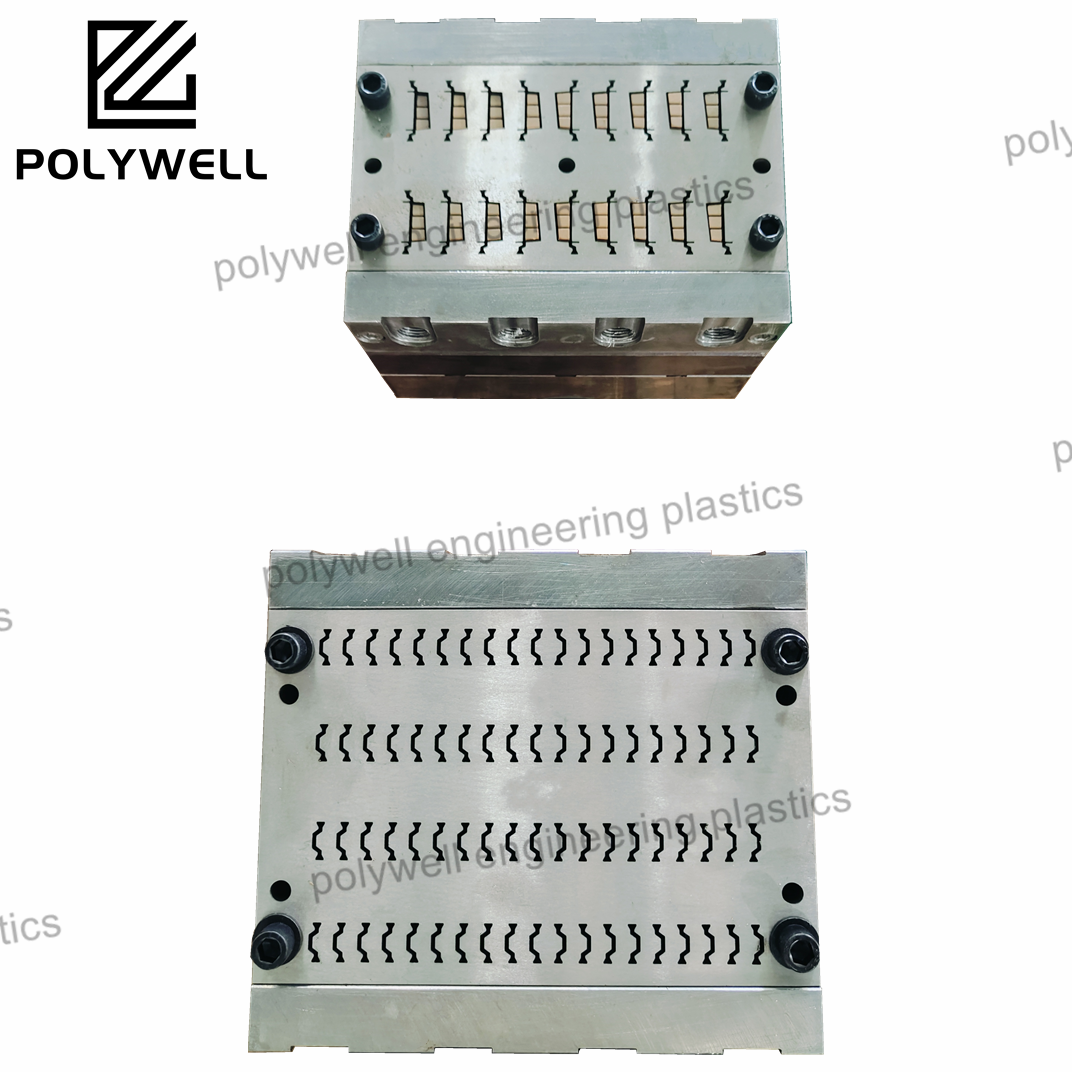

POLYWELL specializes in PA66 thermal insulation strips, offering polyamide granules, extruders, molds, winding machines, and comprehensive one-stop customization services.
Jinfeng Town, Zhangjiagang City, Suzhou City, Jiangsu Province, China
Copyright © 2024 Suzhou Polywell Engineering Plastics Co.,Ltd Privacy Policy