POLYWELL Plastic Extrusion: Comprehensive Solutions for Polyamide Thermal Break Strips
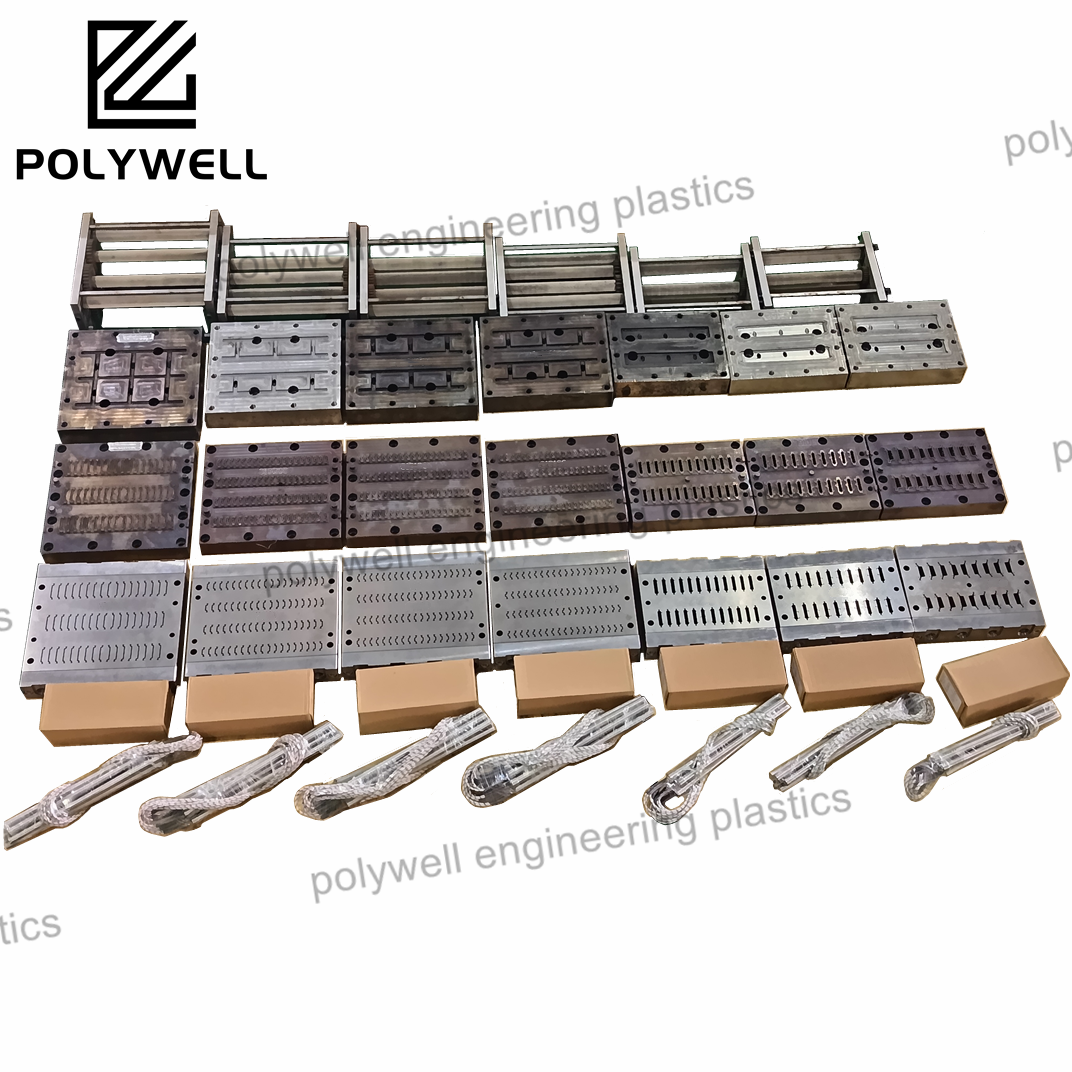
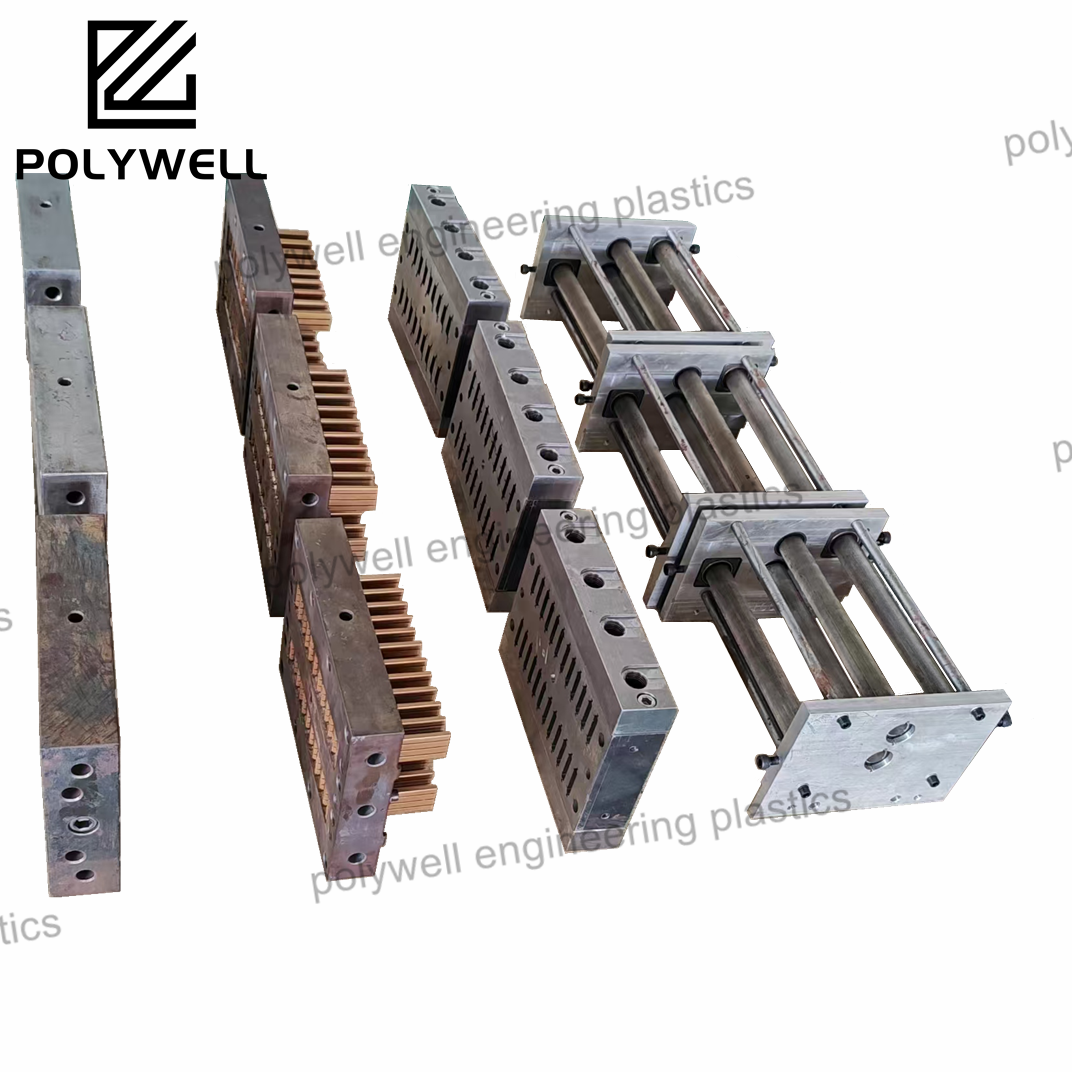
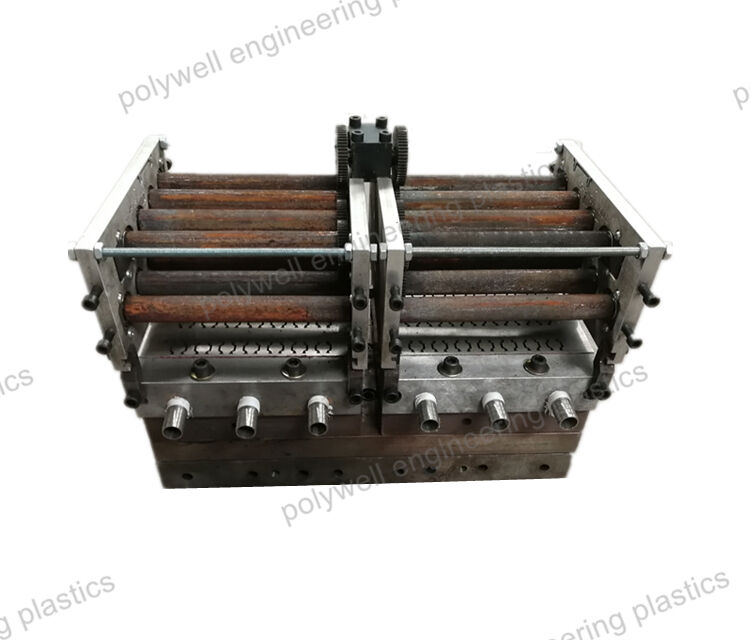
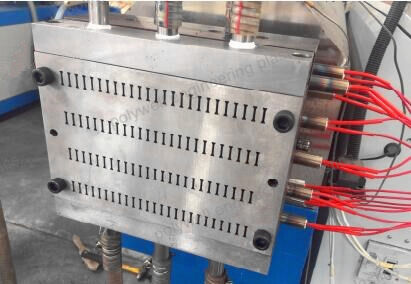
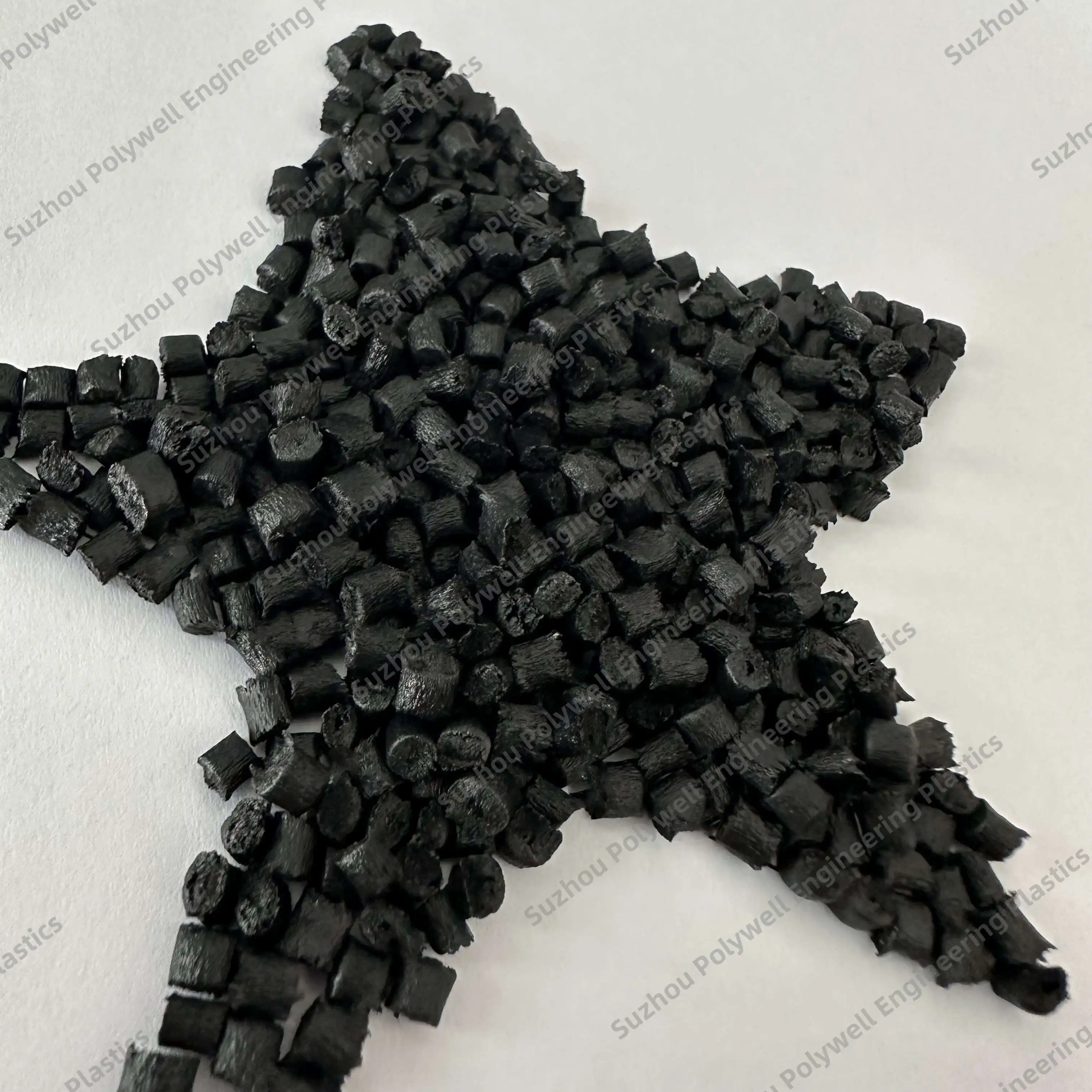
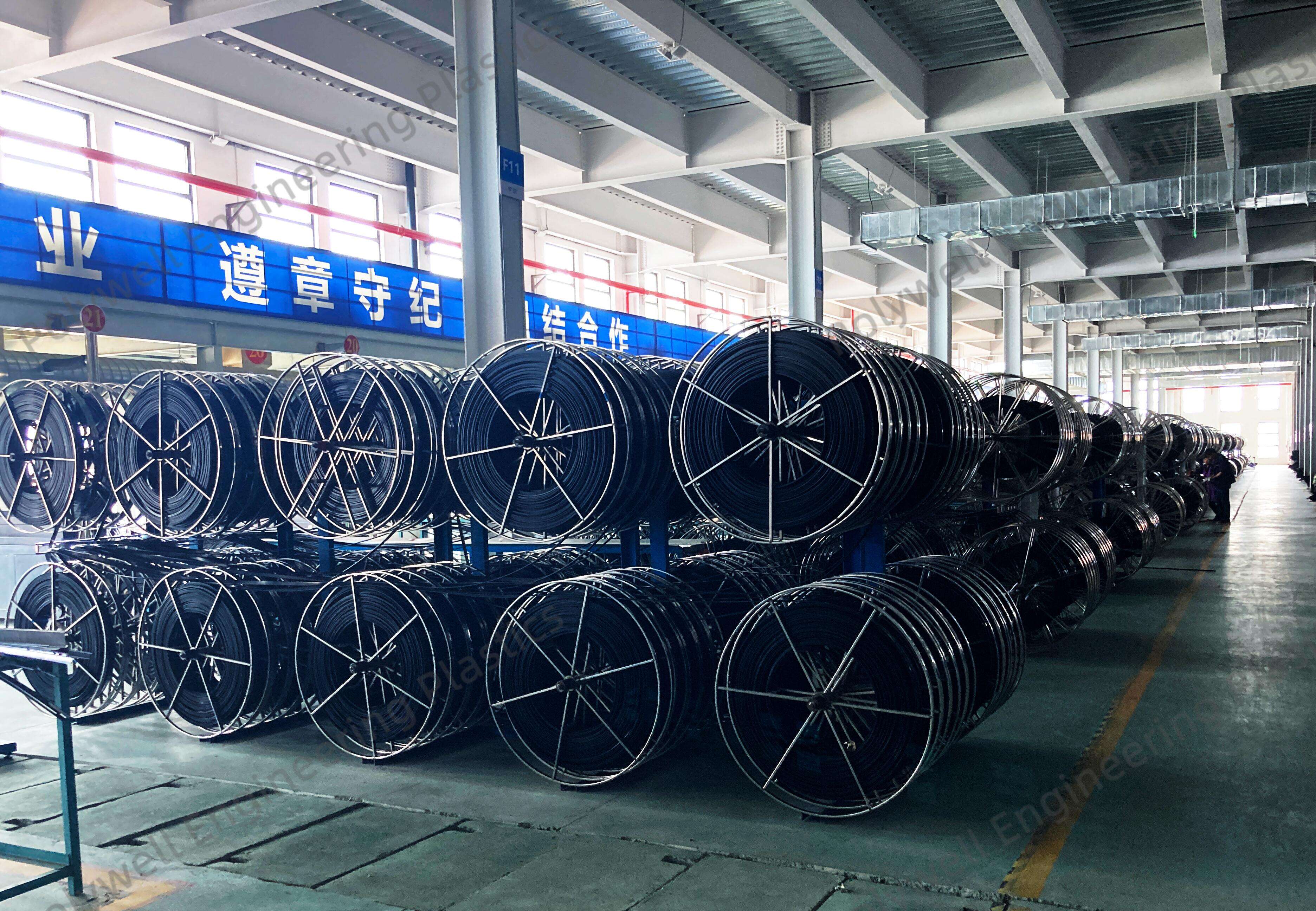
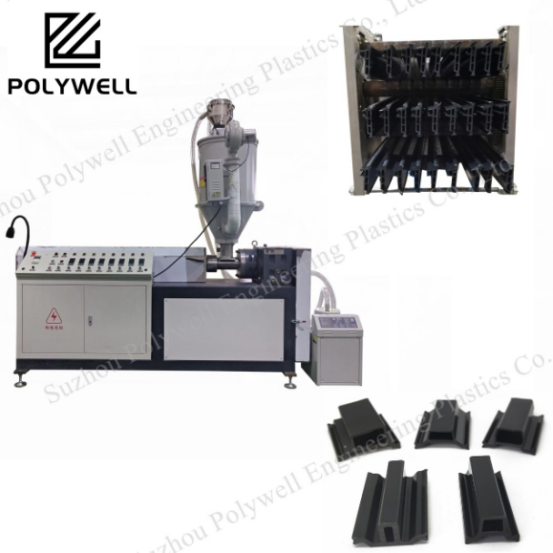
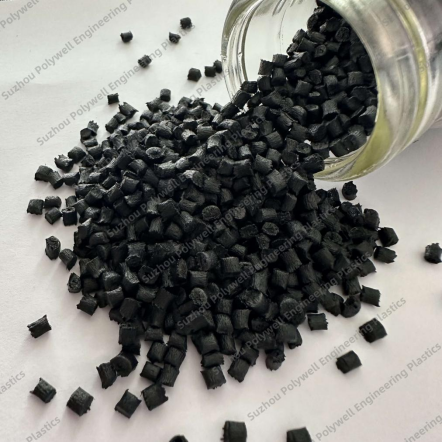
This page offers an overview of POLYWELL’s plastic extrusion capabilities, centered on polyamide thermal break strip production and backed by 15+ years of experience. It covers all aspects of plastic extrusion: raw material selection (polyamide granules), extruder operation, mold design, and post extrusion processing. POLYWELL provides technical support for plastic extrusion (e.g., advising Ms. Özge on temperature adjustment), DFM services to optimize workflows, and on site service to resolve issues. Client testimonials (Mr. Tiago praising extruders) confirm plastic extrusion expertise, and the 6 step cooperation process ensures manufacturers access reliable plastic extrusion solutions.
Get A Quote

 EN
EN