POLYWELL: Support for Extruded Plastic Profile Production (Polyamide Thermal Break Focus)
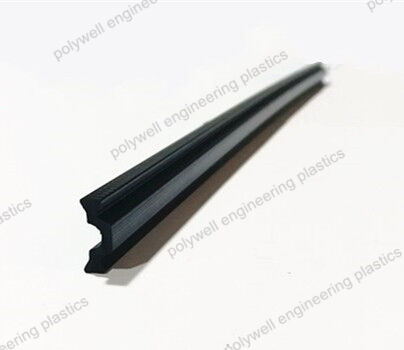
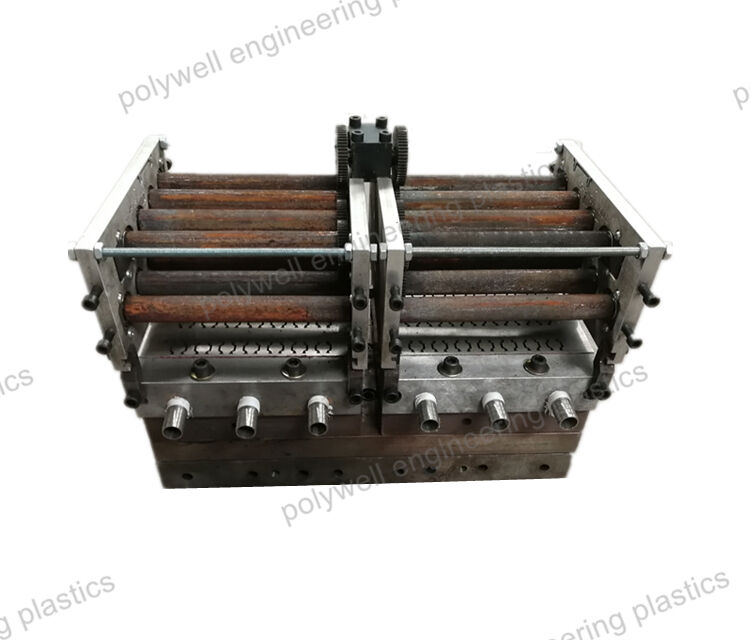
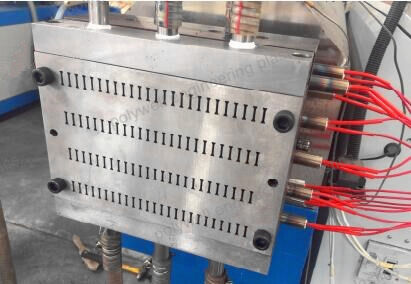
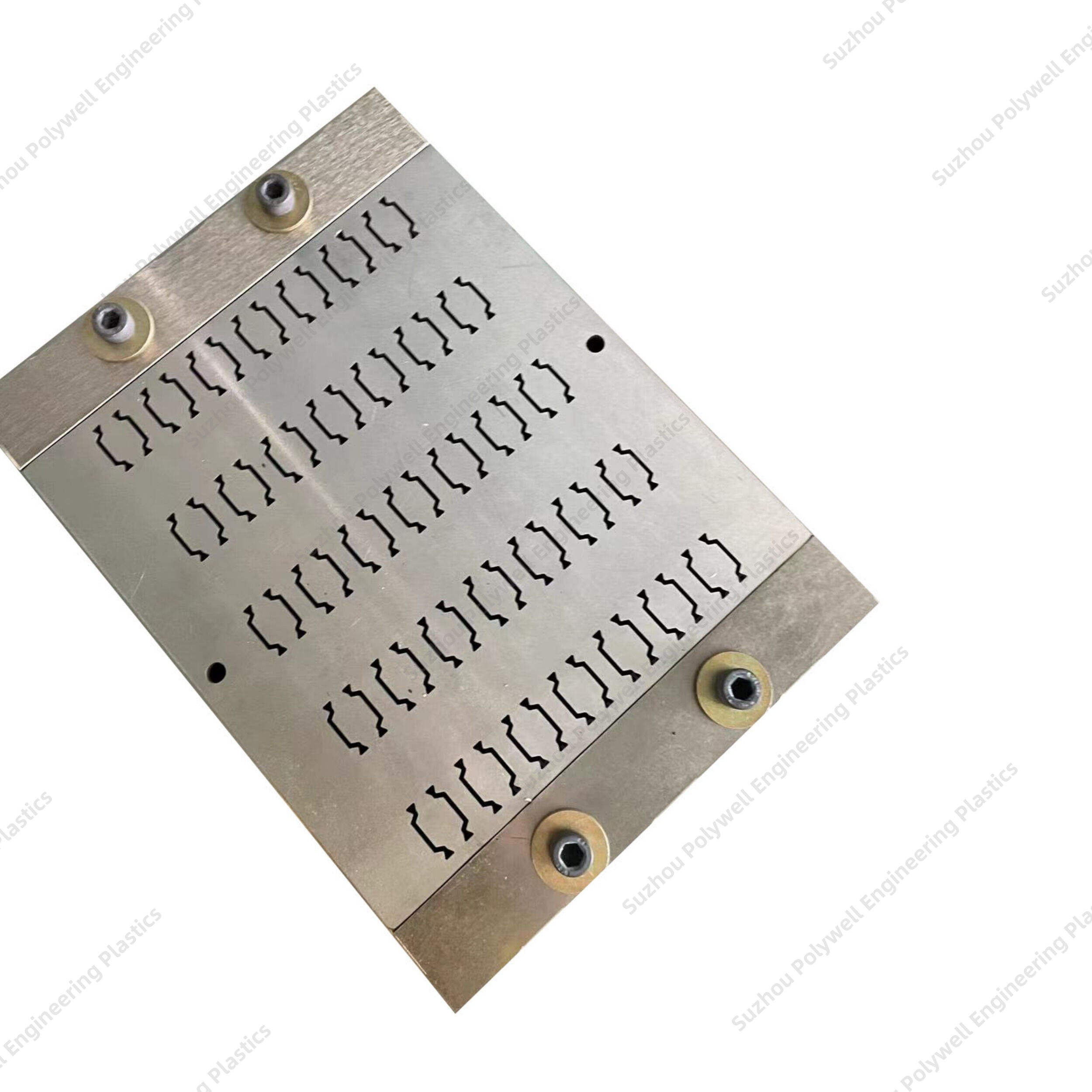
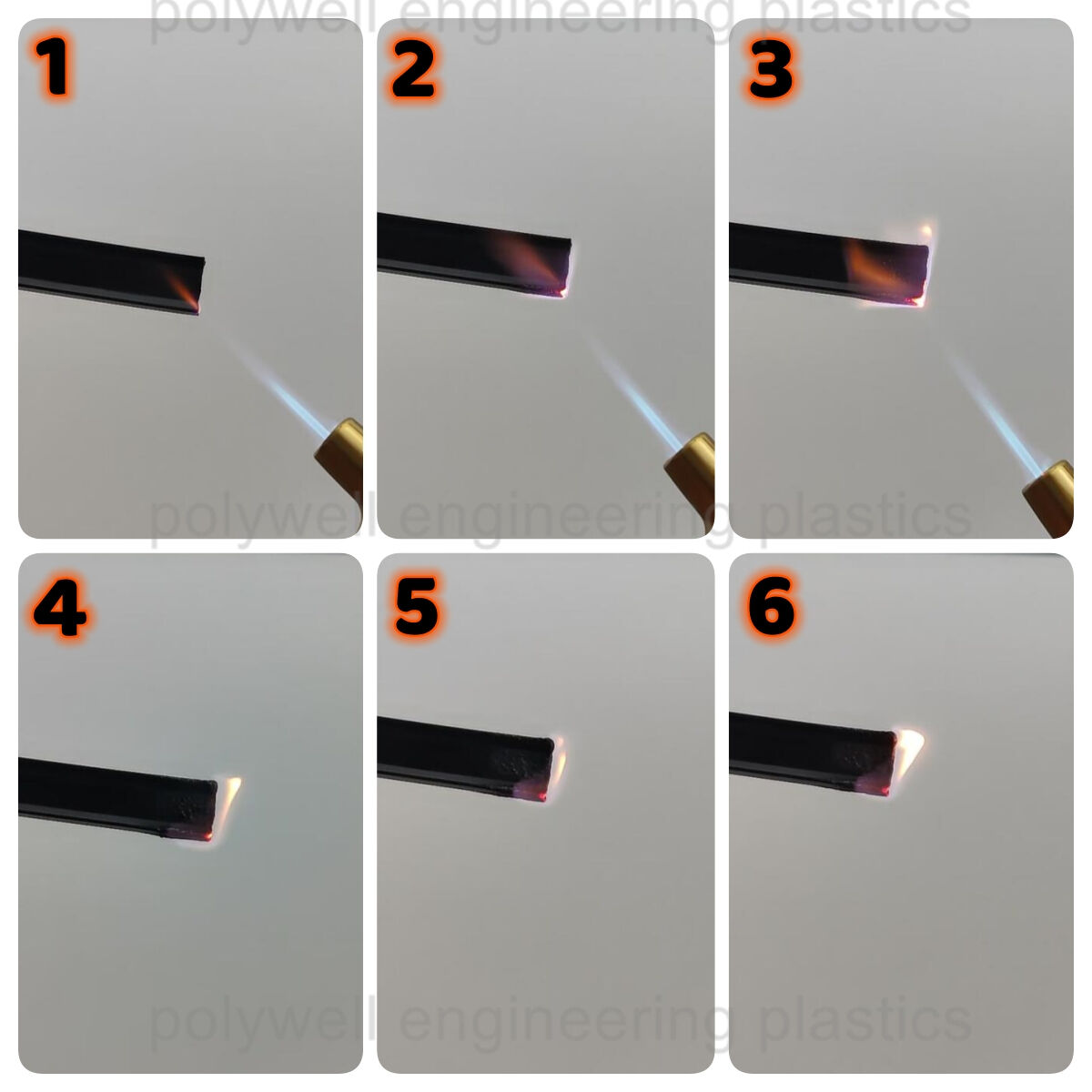
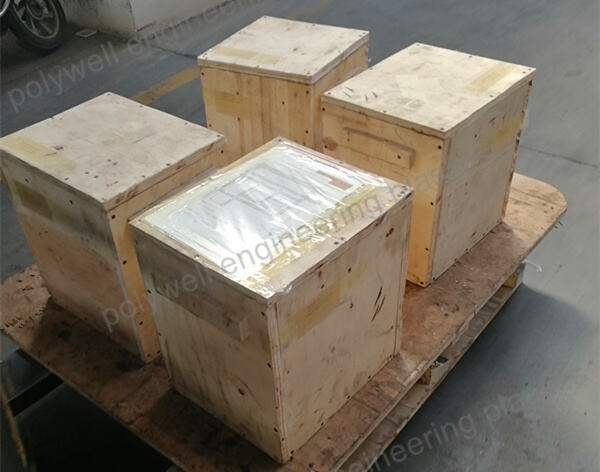
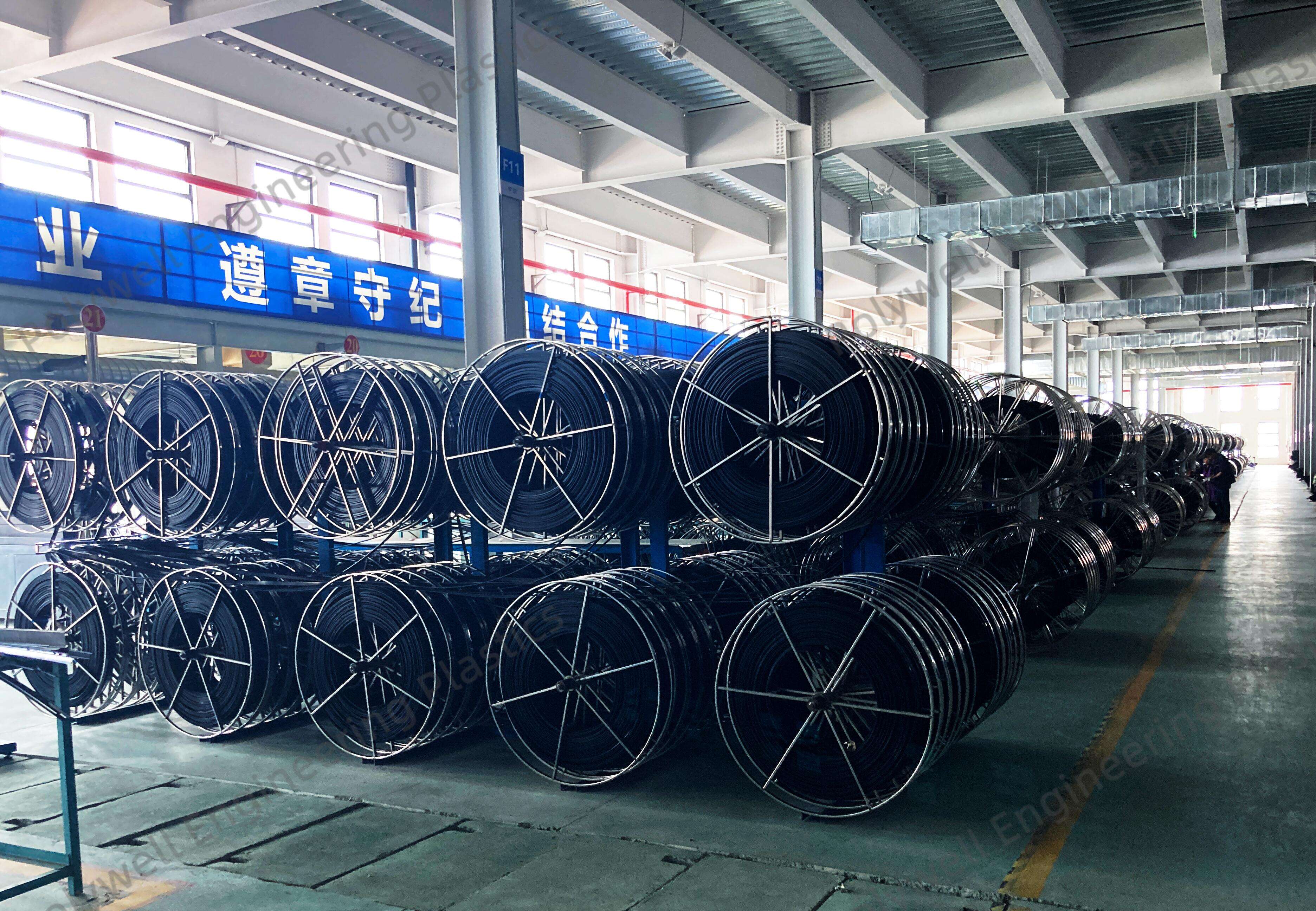
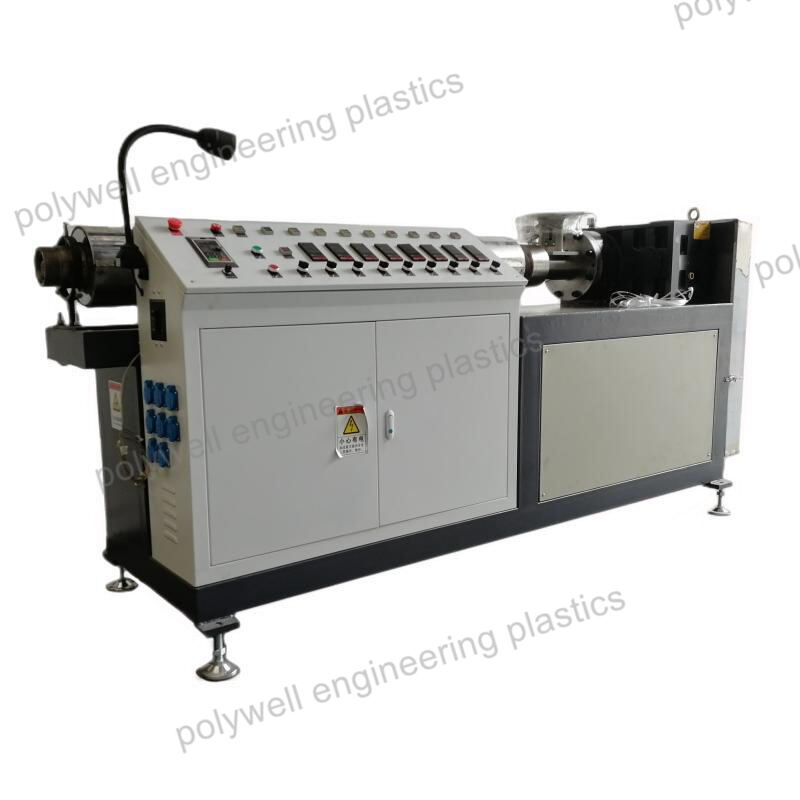
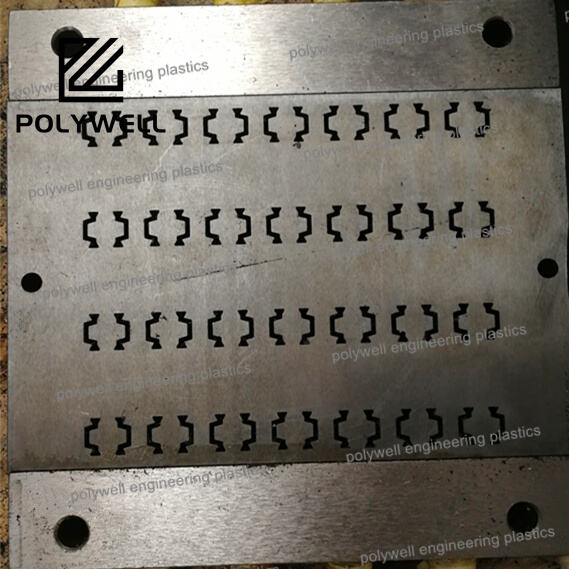
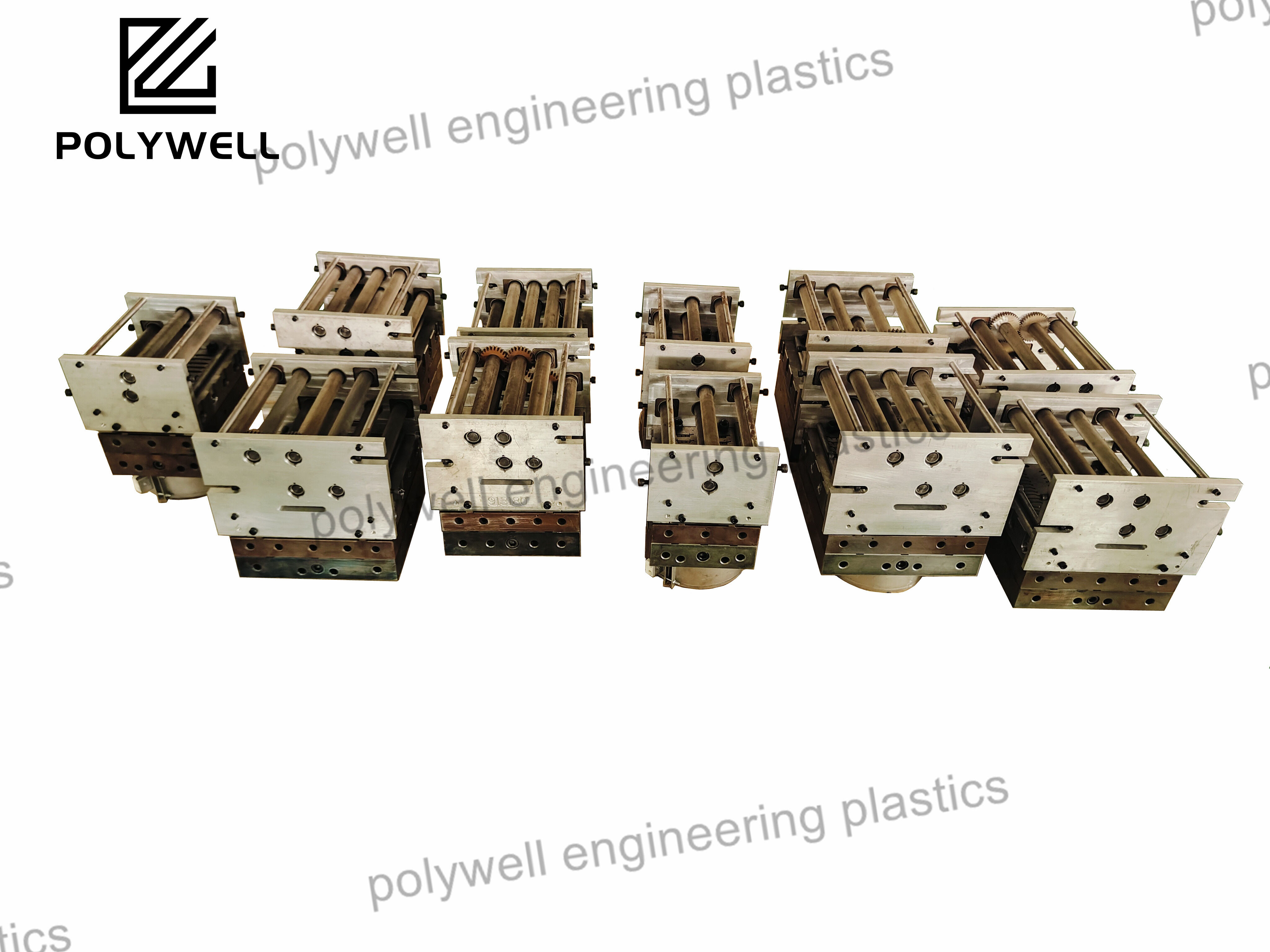
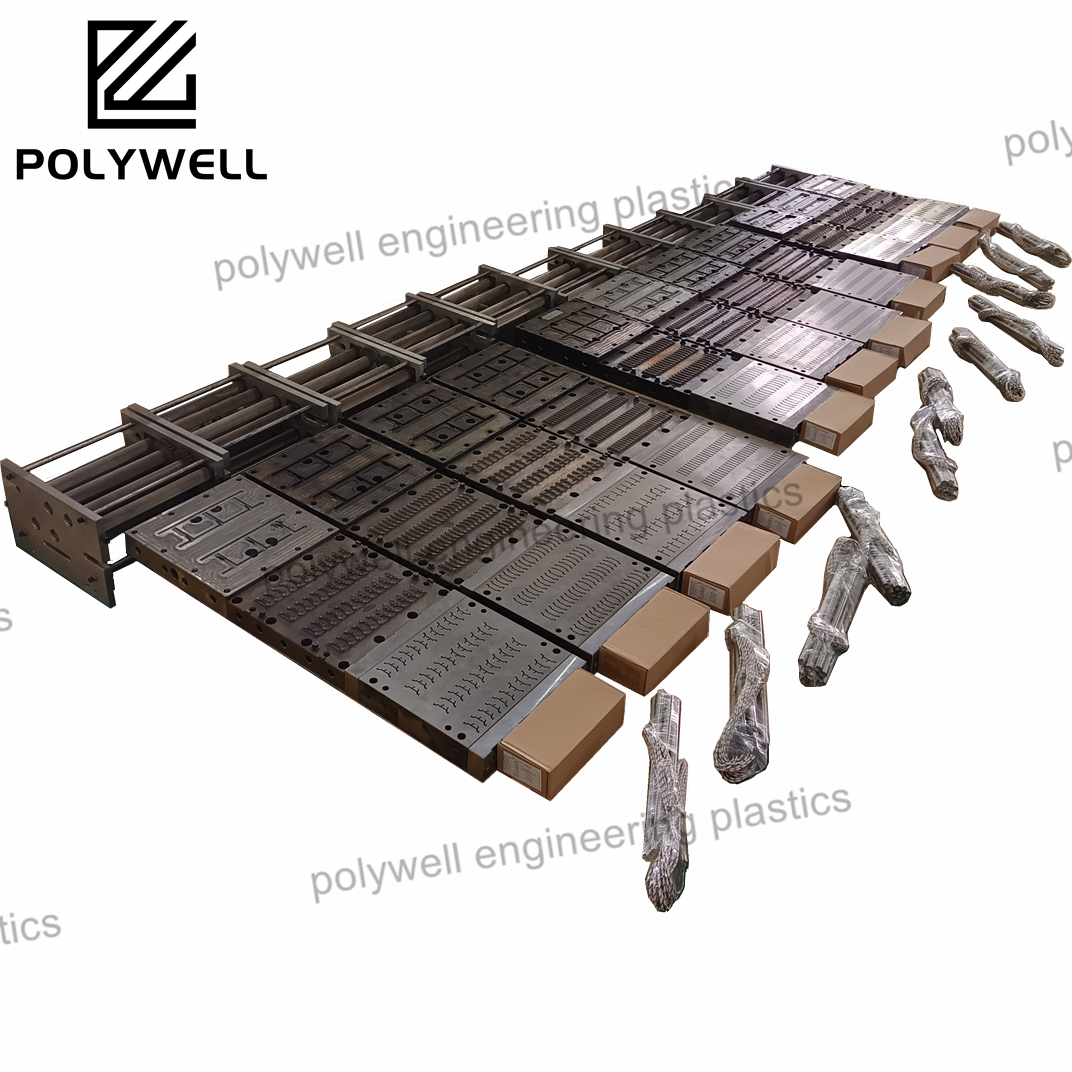
This page focuses on POLYWELL’s support for extruded plastic profile production, with a specialty in polyamide thermal break strip profiles and 15+ years of experience. It supplies all resources for extruded plastic profiles: raw materials (polyamide granules), specialized extruders, precision molds, and technical guidance to ensure profile quality (meeting Mr. Paolo Celani’s “tolerance” standards). POLYWELL offers DFM services to optimize extruded plastic profile production, on site service to resolve issues, and lifelong training. Client testimonials (Mr. Robin noting strips “work perfectly”) reinforce quality, and the 6 step cooperation process ensures seamless extruded plastic profile production support.
Get A Quote
 EN
EN