Injection Molding Part Design: Optimize for Functionality & Manufacturability

All Categories

Injection Molding Part Design: Optimize for Functionality & Manufacturability

This page focuses on injection molding part design, aiming to help users create parts that balance functionality, cost effectiveness, and manufacturability. It covers critical design elements such as wall thickness uniformity, draft angle setting, rib and boss design, and undercut avoidance to prevent common molding defects (warping, sink marks, or voids). The content also includes material selection guidance for injection molding parts (e.g., ABS, PP, PC) based on product performance requirements, along with design standards for industries like automotive, electronics, and medical. Additionally, it offers insights into leveraging simulation tools to test part designs before production, reducing development time and costs for businesses and designers.
Get A Quote

Advantages of the product

Durable Construction with Premium Materials

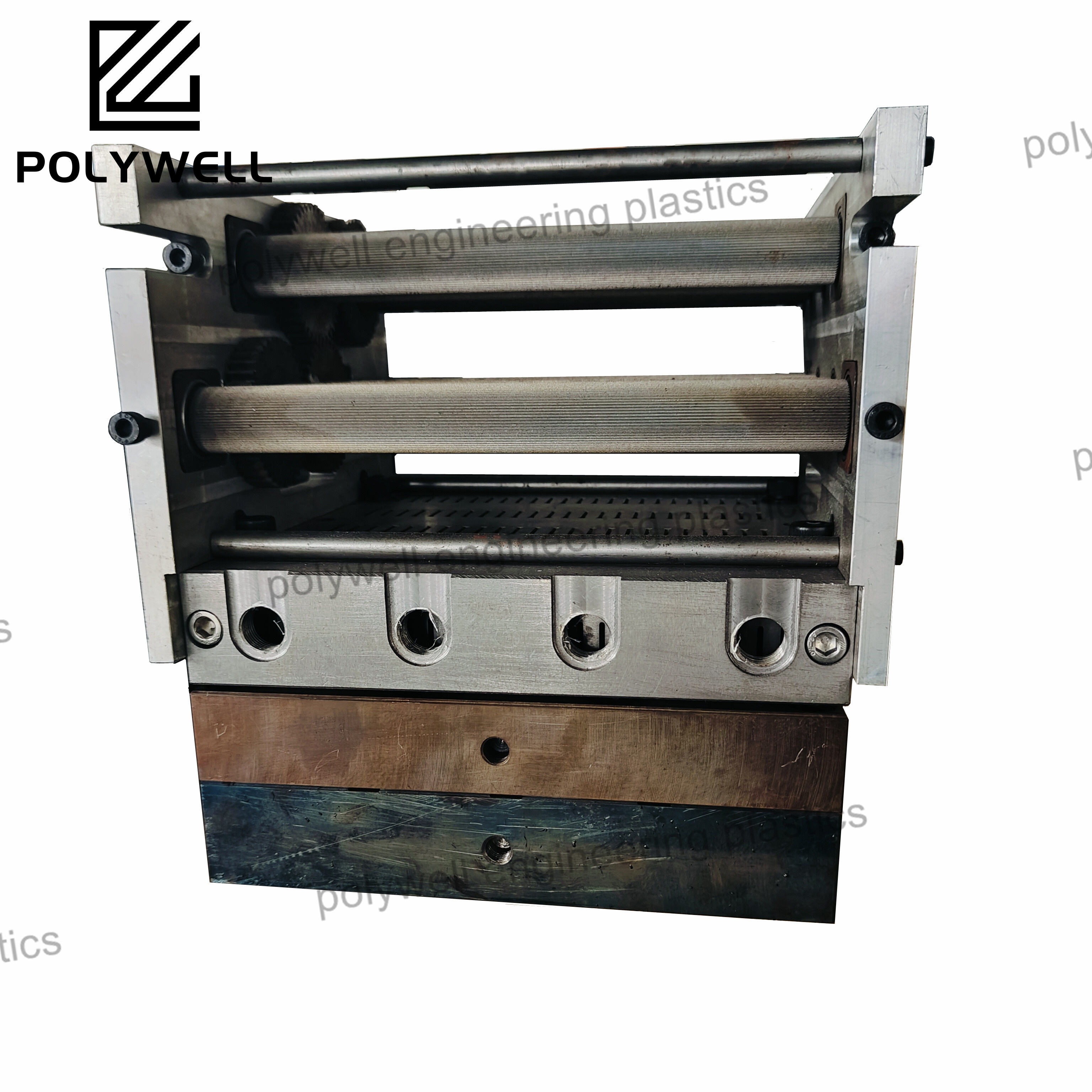
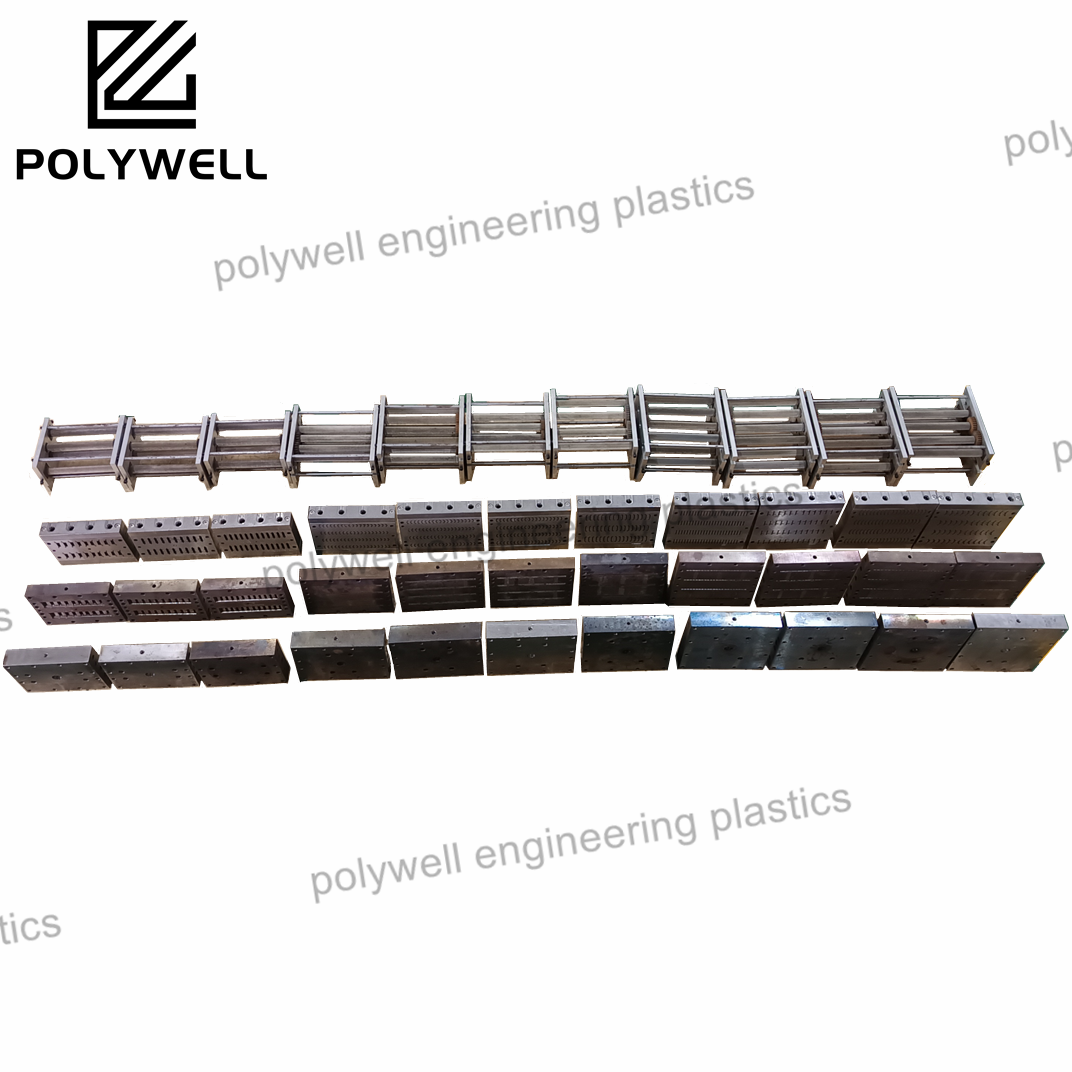
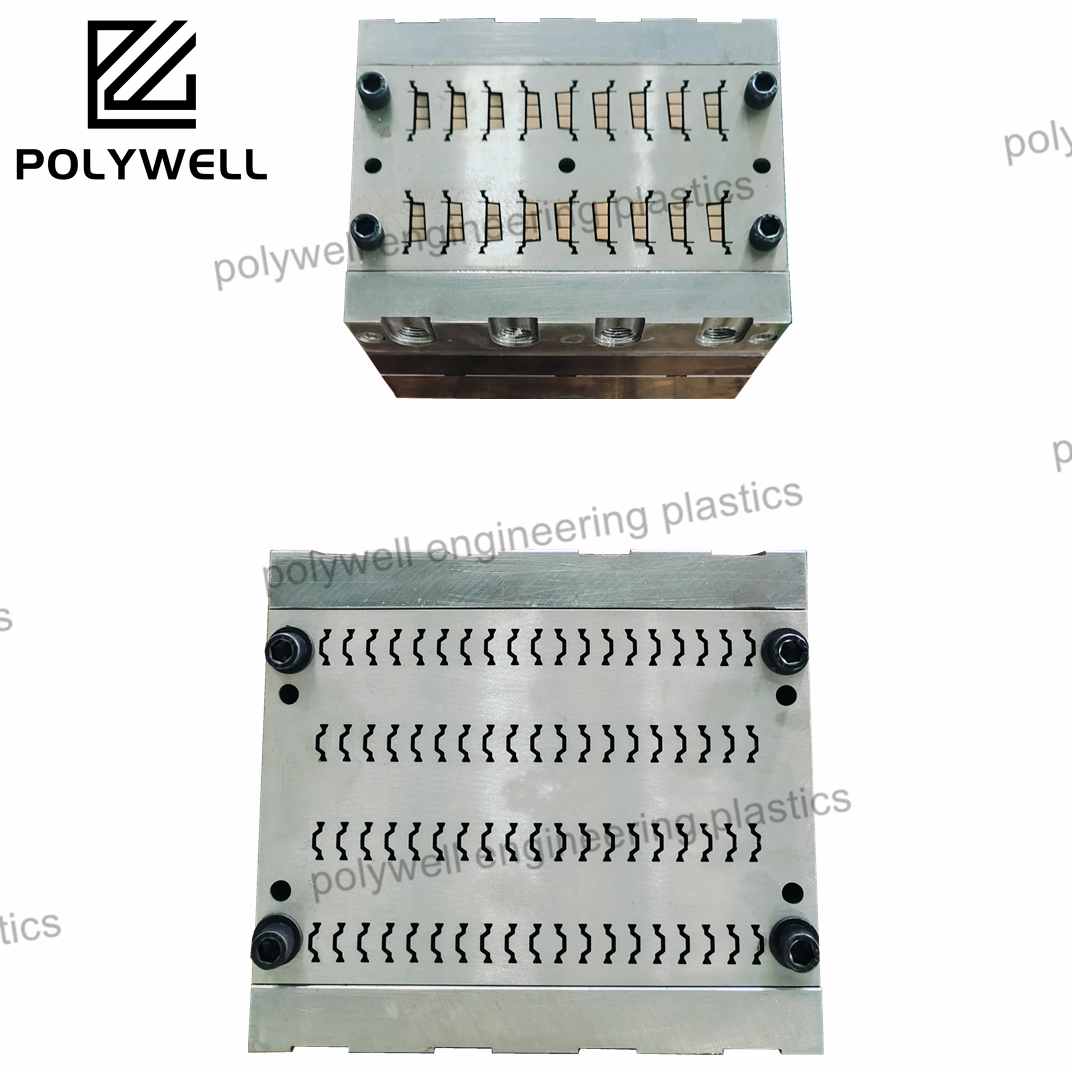
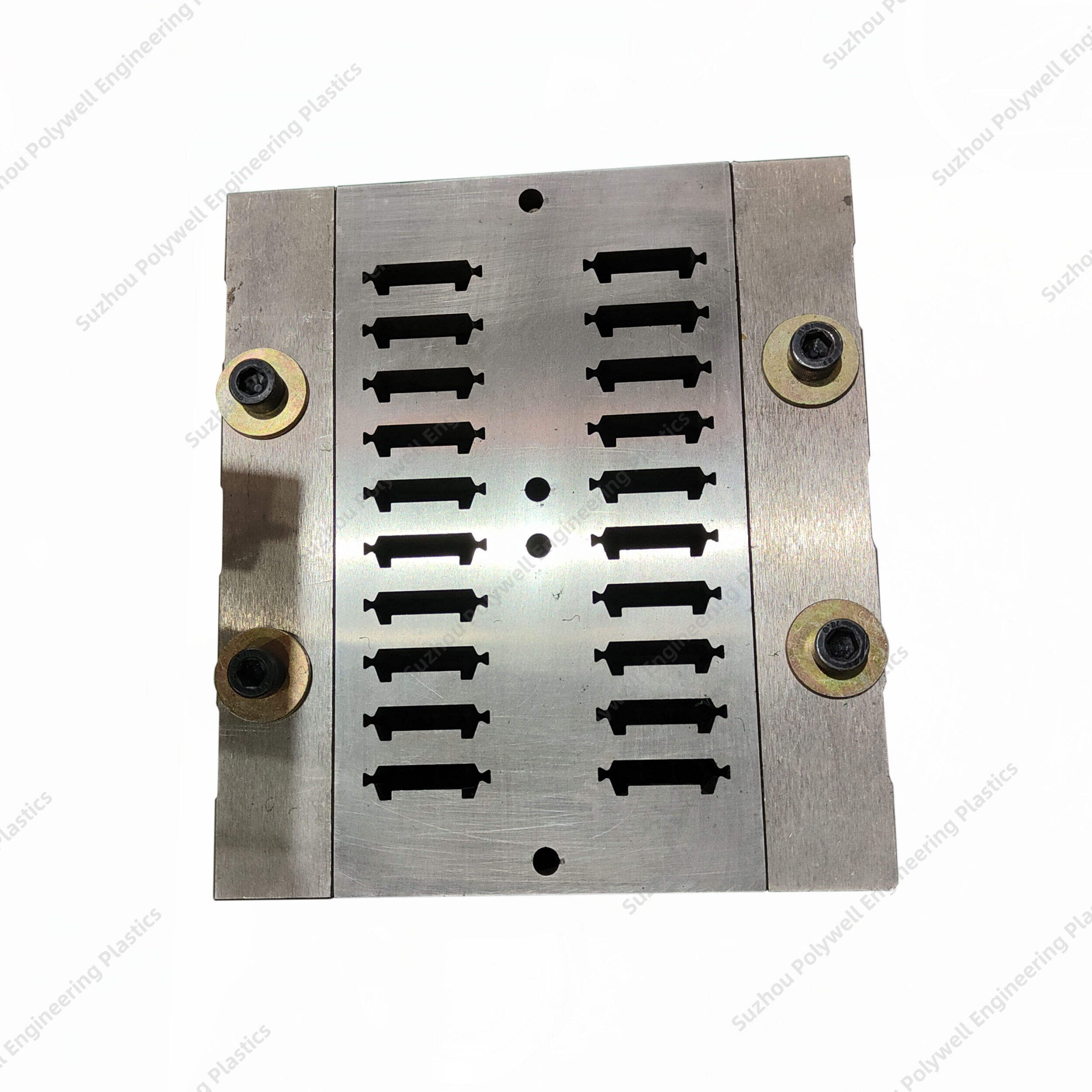
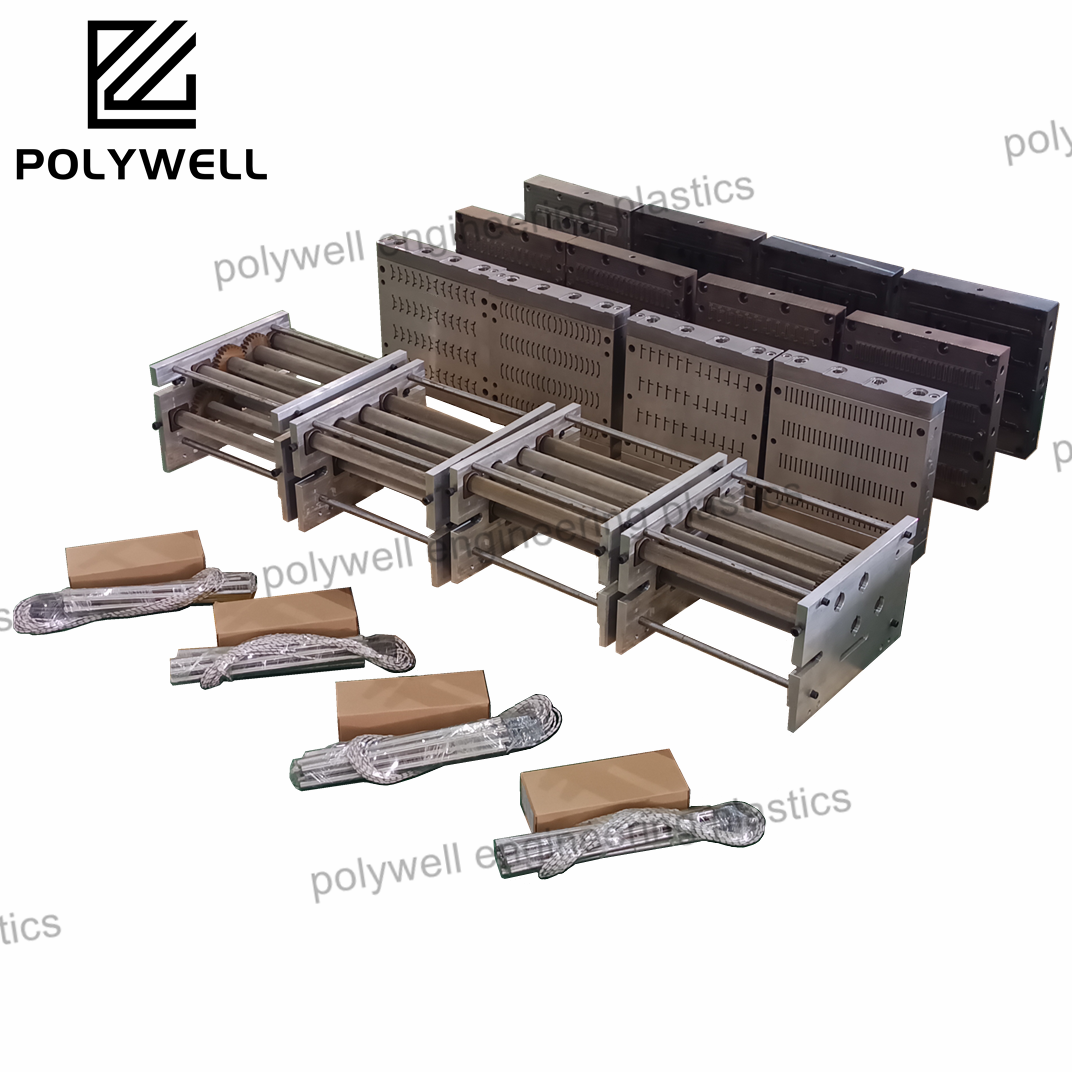
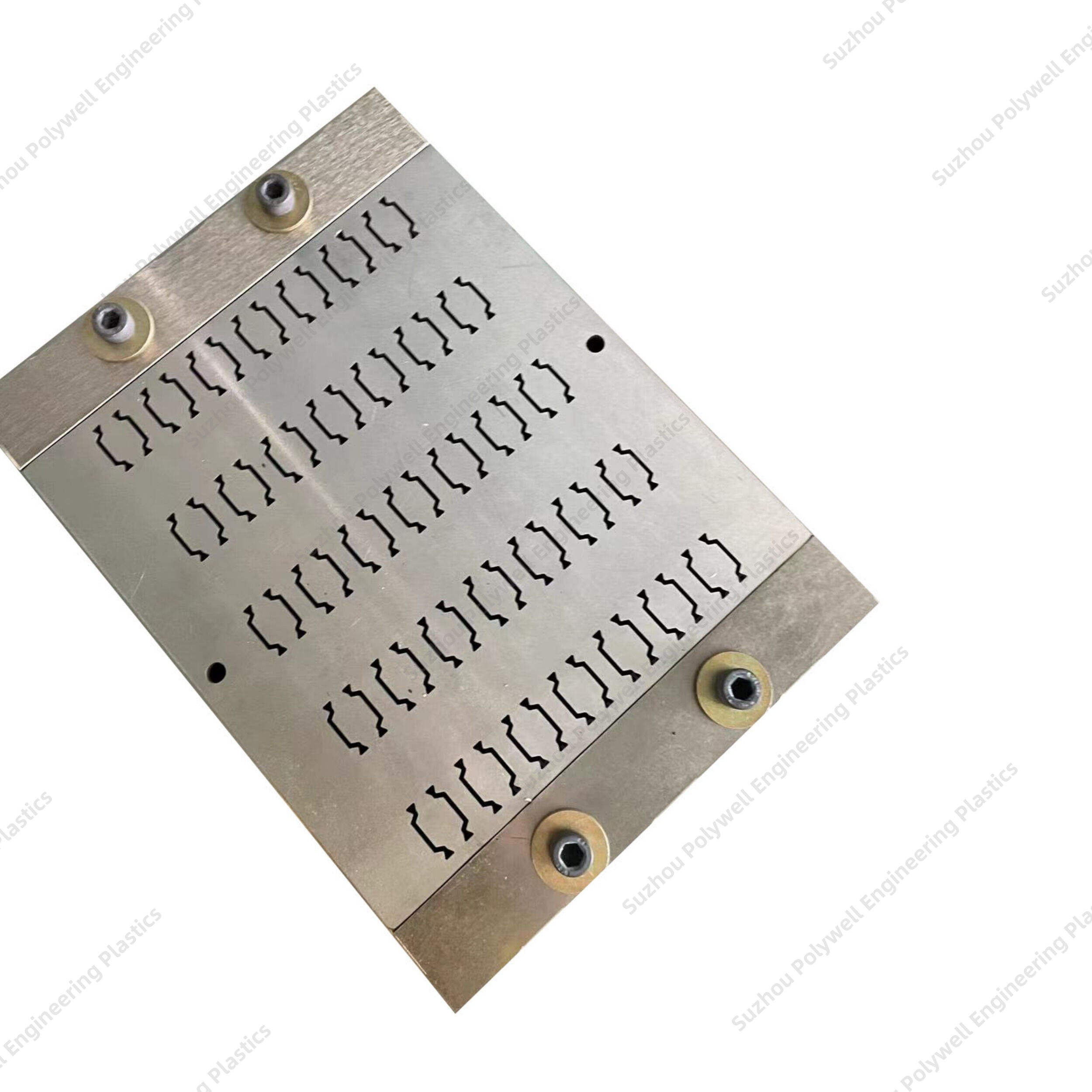
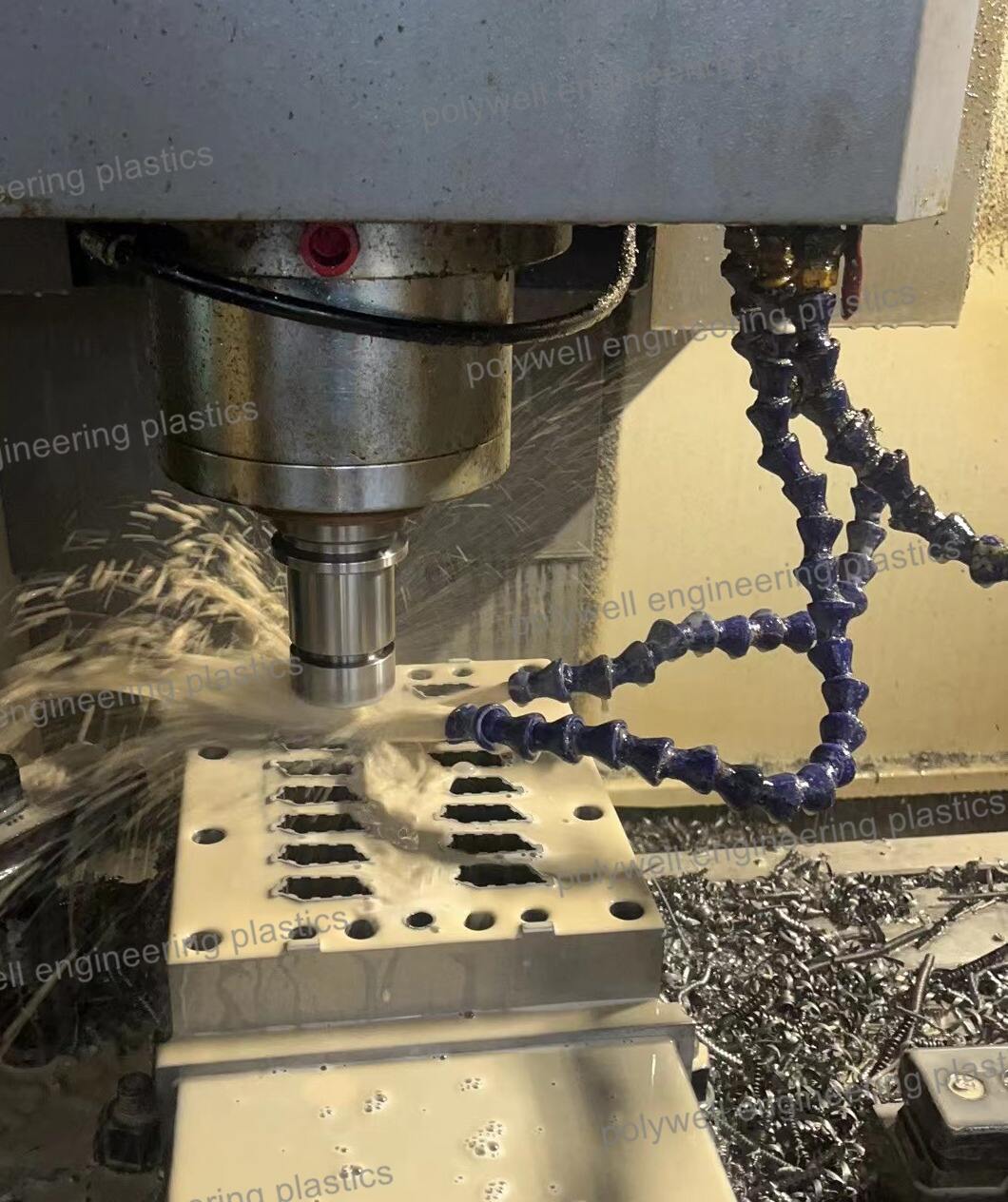
Our molds are manufactured from high grade, hardened tool steels selected for their exceptional wear resistance, hardness, and polishability. Critical surfaces are precision machined and often coated to withstand the abrasive nature of glass filled polymers. This commitment to quality materials and craftsmanship ensures a long service life, maintaining precise profile tolerances over millions of extrusion cycles.

Related products

Injection molding part design is a critical engineering discipline that focuses on creating components optimized for mass production via injection molding processes. It involves principles like uniform wall thickness to prevent sink marks and warpage, adequate draft angles for easy ejection, and rib design for structural support without adding excess material. Material selection plays a key role, with thermoplastics such as ABS, polypropylene, or engineering-grade polymers chosen based on mechanical properties, environmental resistance, and cost. Designers must consider gate locations to ensure proper filling and minimize visible defects, while also accounting for shrinkage rates that vary by material. Computational tools, including finite element analysis (FEA), simulate stress distribution and flow behavior to refine designs before tooling. Applications span industries from consumer electronics to automotive, where parts like housings, gears, or connectors require high precision and durability. Additionally, design for manufacturability (DFM) principles emphasize reducing complexity, incorporating radii to avoid stress concentrations, and aligning with mold design for efficient production. Sustainability aspects, such as using recyclable materials or minimizing waste, are increasingly important. By adhering to international standards and leveraging iterative prototyping, injection molding part design ensures functionality, aesthetics, and cost-effectiveness in diverse market contexts.
Frequently Asked Questions

What maintenance is required to prolong a mold's service life?

Proper maintenance is key to longevity. This includes careful disassembly and assembly using the correct tools, thorough but gentle cleaning of all flow channels with appropriate solvents and non abrasive tools, proper storage in a dry, controlled environment to prevent rust, and periodic inspection of critical surfaces for wear or damage. We provide detailed maintenance protocols to our clients.

Related Articles

What to Consider When Choosing a Plastic Molding Manufacturer

22

Nov

What to Consider When Choosing a Plastic Molding Manufacturer

Choose POLYWELL for high-quality plastic molding solutions, advanced technology, and customer-driven service in the construction industry
View More
Efficient Winding Machines for Streamlined Thermal Break Strip Handling

28

Mar

Efficient Winding Machines for Streamlined Thermal Break Strip Handling

Discover the significance of efficient winding machines in thermal break strip handling, optimizing insulation quality and production efficiency with innovative materials like PA66GF25 granules and recycled PA66.
View More
The Evolution of Winding Machines in the Thermal Break Strip Industry

28

Mar

The Evolution of Winding Machines in the Thermal Break Strip Industry

Explore the historical development of winding machines in thermal break strip manufacturing, including early systems, automation advancements, and modern precision control. Discover how polymers and material science impact efficiency and future trends in predictive maintenance and sustainability goals.
View More
How Do PA66GF25 Granules Enhance Thermal Insulation Performance?

28

Mar

How Do PA66GF25 Granules Enhance Thermal Insulation Performance?

Explore the thermal insulation capabilities of PA66GF25 granules, focusing on the role of glass fiber reinforcement and low thermal conductivity. Learn about their structural stability, comparative performance to standard plastics, and applications in window insulation for energy efficiency.
View More

customer evaluation

Ashley

The design process was a true partnership. They listened to our requirements and constraints and provided expert guidance throughout. Their responsiveness to our feedback and their ability to translate our needs into a high performance tool has built a level of trust that we value greatly.

Get a Free Quote

Our representative will contact you soon.
Email
Name
Company Name
Message
0/1000
Scientific Flow Simulation for Optimal Performance

Scientific Flow Simulation for Optimal Performance

Our mold design process utilizes advanced Computational Fluid Dynamics CFD software to simulate the flow of molten polyamide material within the die This allows us to predict and eliminate potential issues like uneven flow dead spots or excessive pressure drops before manufacturing the physical mold The result is a die that produces a dimensionally stable and structurally uniform profile right from the first startup saving time and material
Custom Engineered for Material Properties

Custom Engineered for Material Properties

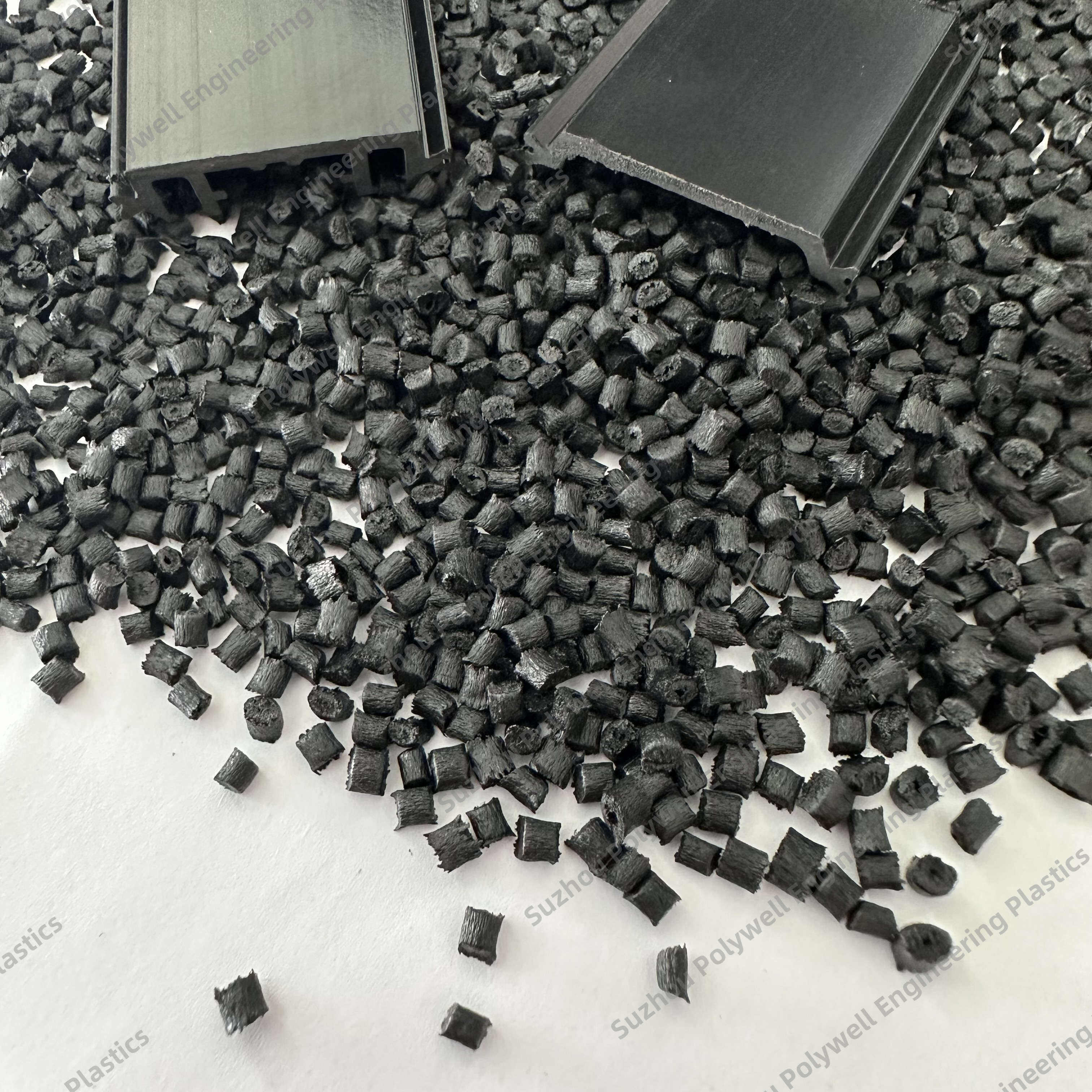
Each mold is custom engineered with a deep understanding of the specific rheological properties of our polyamide compounds including glass filled grades like PA66 GF25 We carefully calculate the compression ratio land length and flow channels to suit the material ensuring optimal melt homogenization minimal internal stresses and the preservation of the materials mechanical and thermal properties
Durable Construction with Premium Materials

Durable Construction with Premium Materials

Our molds are manufactured from high grade hardened tool steels selected for their exceptional wear resistance hardness and polishability Critical surfaces are precision machined and often coated to withstand the abrasive nature of glass filled polymers This commitment to quality materials and craftsmanship ensures a long service life maintaining precise profile tolerances over millions of extrusion cycles
Inquiry Inquiry Email Email WhatsApp WhatsApp Wechat Wechat
Wechat
TopTop

Related Search