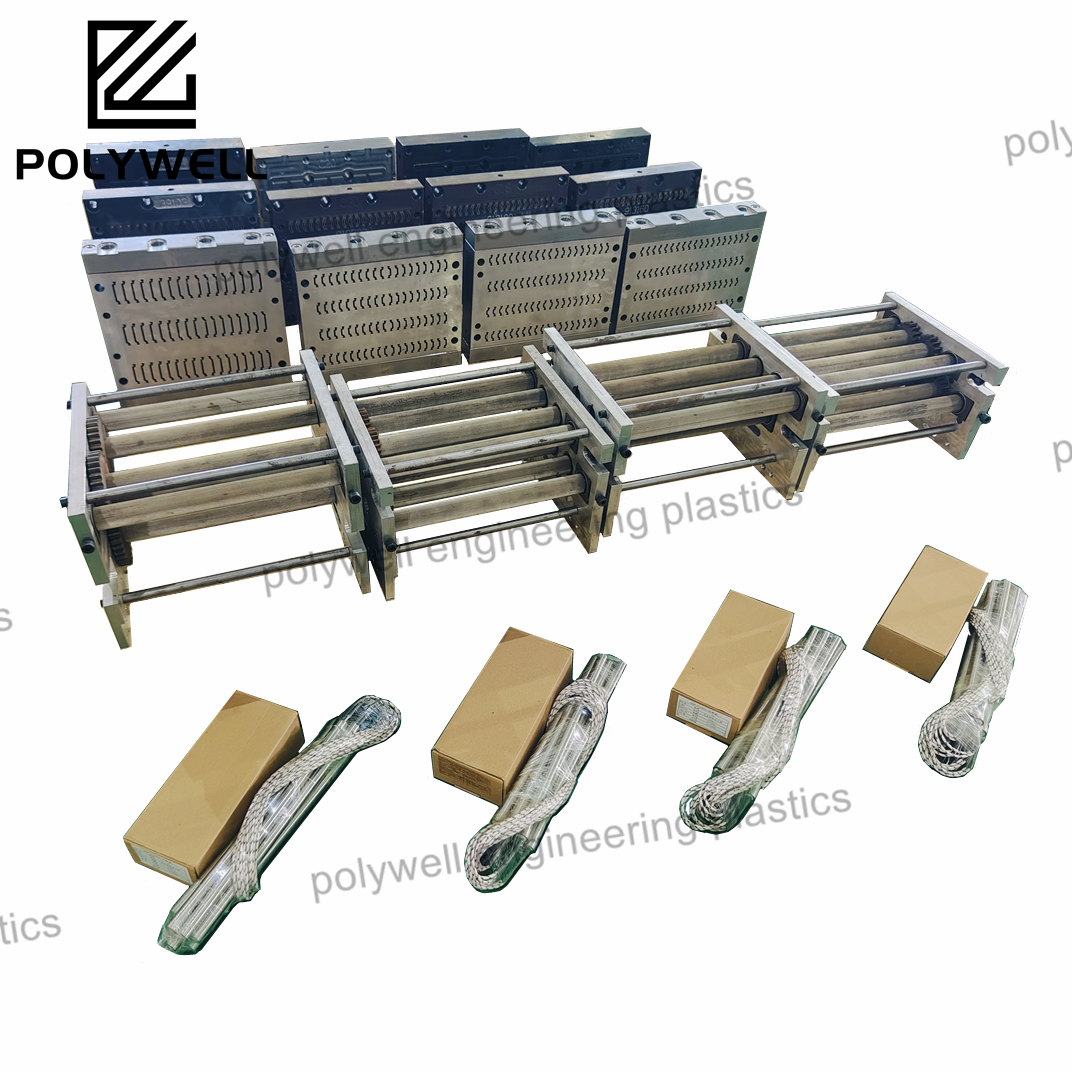
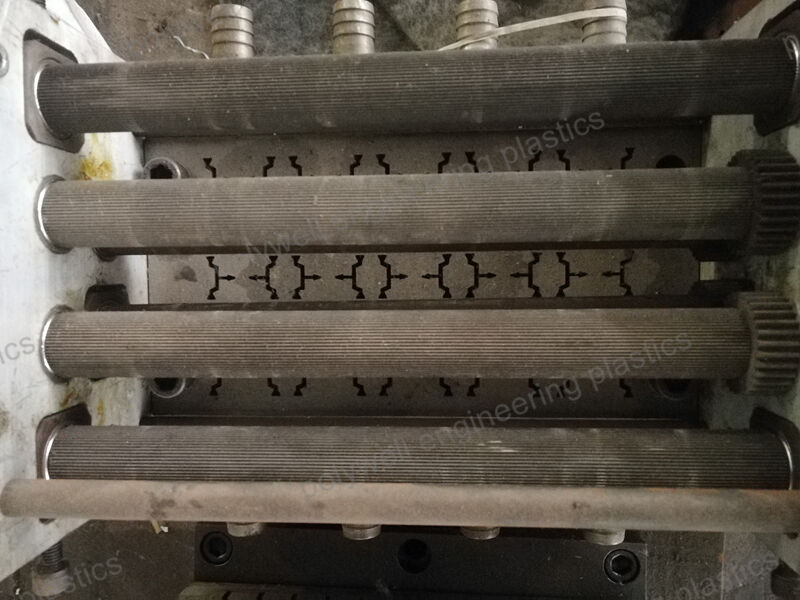
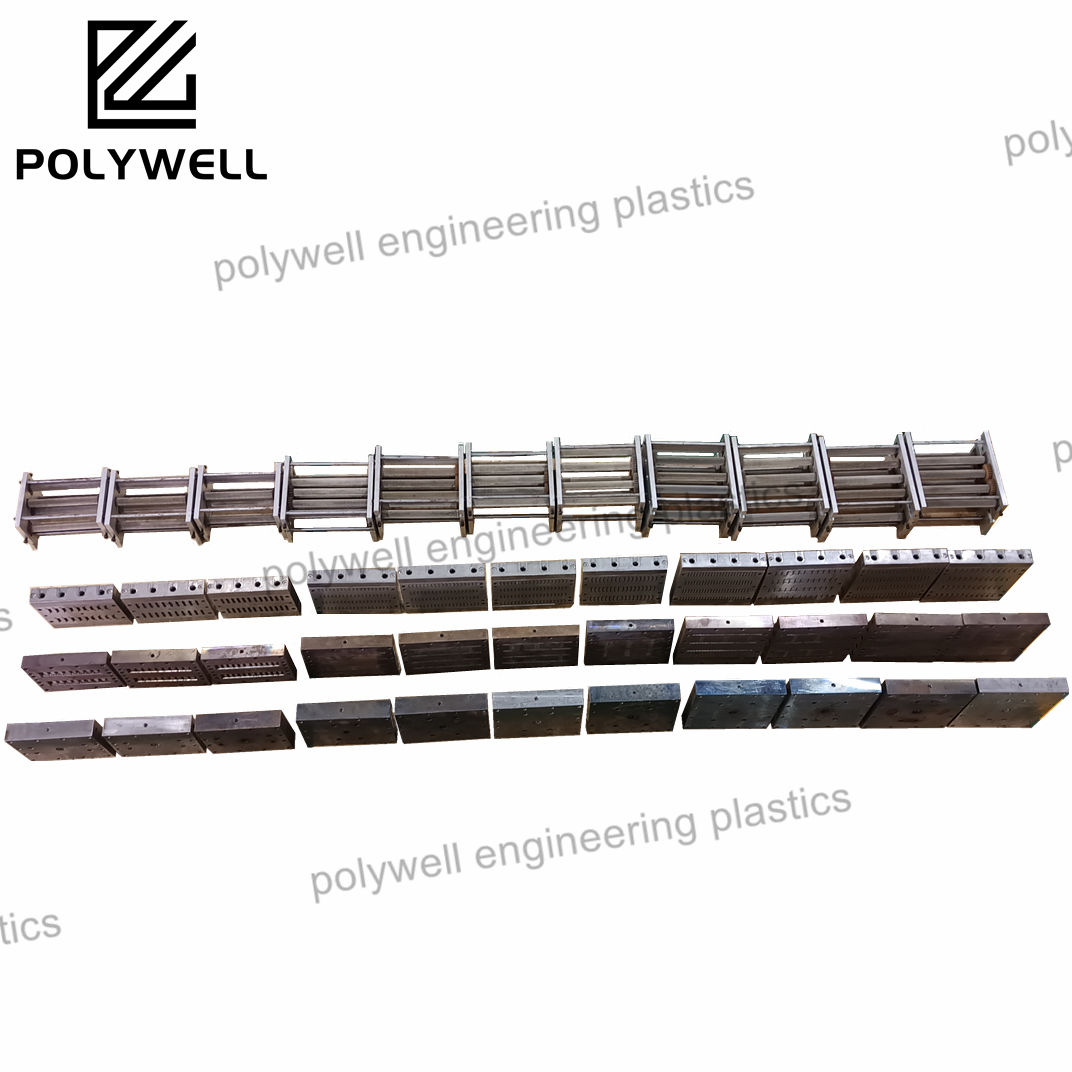
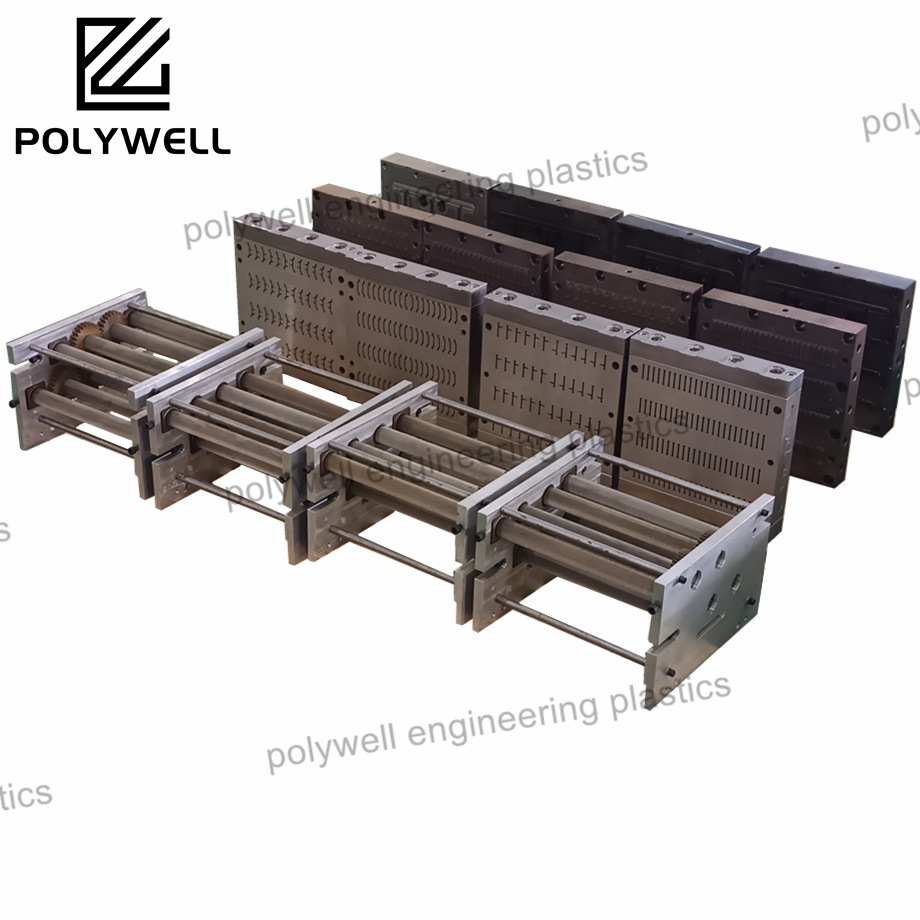
The extrusion die head assembly is a critical, integrated subsystem that connects the extruder barrel to the final shaping die, functioning as the transition zone where the polymer melt is distributed and prepared for its final form. It is far more than a simple connector; it is a sophisticated mechanical and thermal management unit. The assembly typically consists of several key components: the adapter, which connects to the extruder flange; the breaker plate, a thick steel disk with a grid of holes that filters out contaminants and creates a more uniform melt stream by breaking the spiral flow from the screw; and the die head body itself, which houses the flow channels. For co-extrusion, the assembly becomes even more complex, incorporating multiple inlets to layer different materials. The internal flow channels within the die head are meticulously designed to ensure the melt approaches the die with a uniform velocity and temperature profile across its entire width. Any inconsistency here will manifest as variations in wall thickness or surface defects in the final product. The entire assembly is equipped with multiple, independently controlled heater bands and thermocouples to maintain a precise thermal profile, which is crucial for managing melt viscosity. Furthermore, the assembly must be mechanically robust to withstand the high internal pressures, often exceeding 5,000 psi, and is designed for disassembly to allow for cleaning and maintenance. The performance of the extrusion die head assembly is therefore fundamental to achieving a stable process and producing high-quality, dimensionally consistent extrudates.