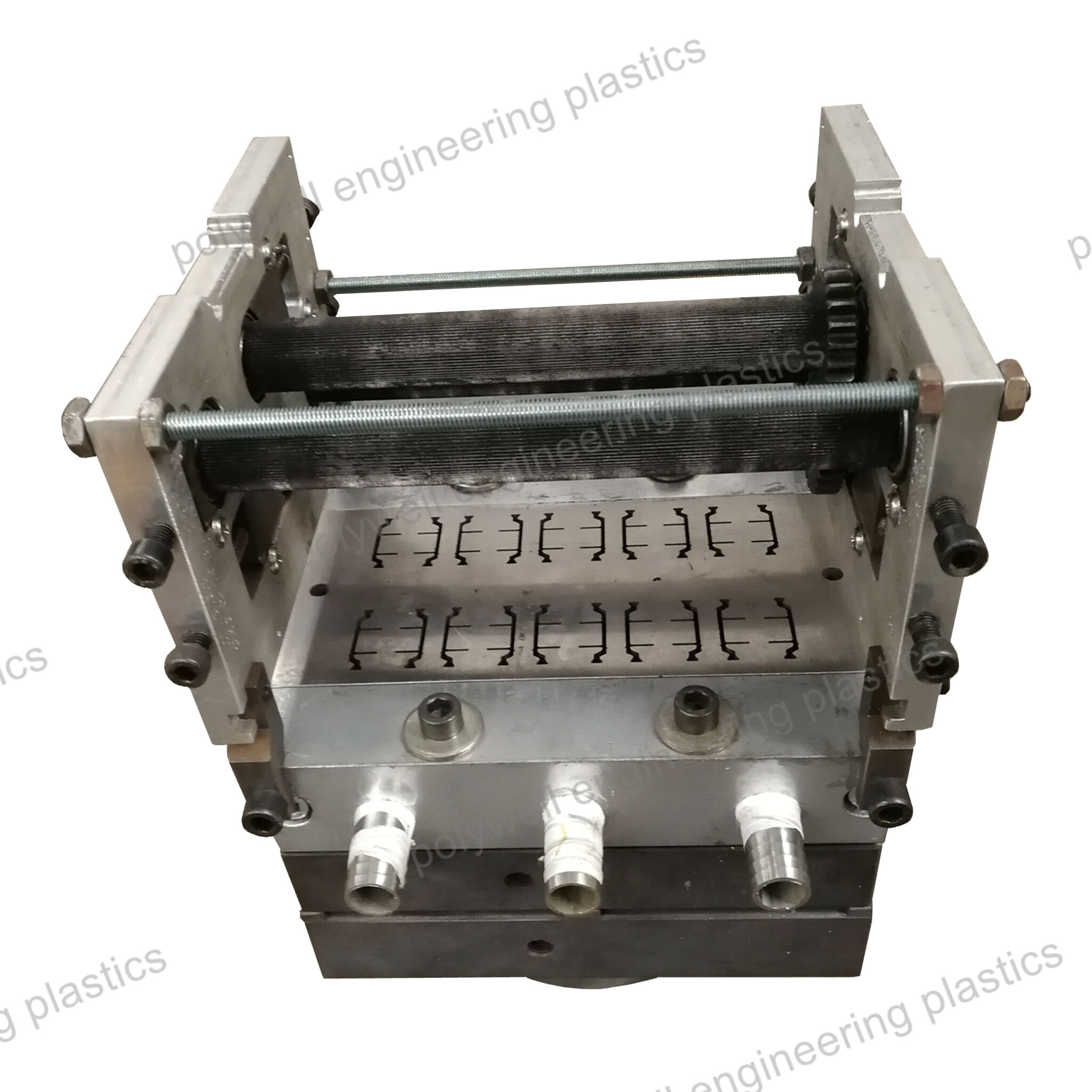
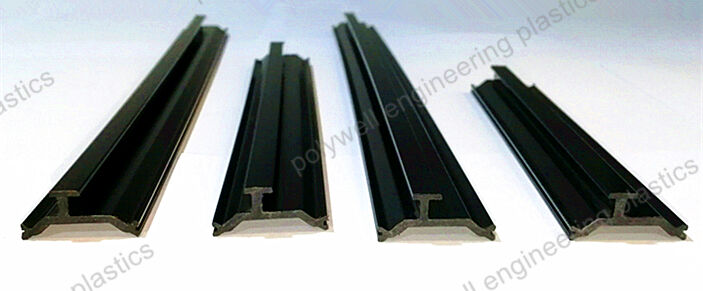
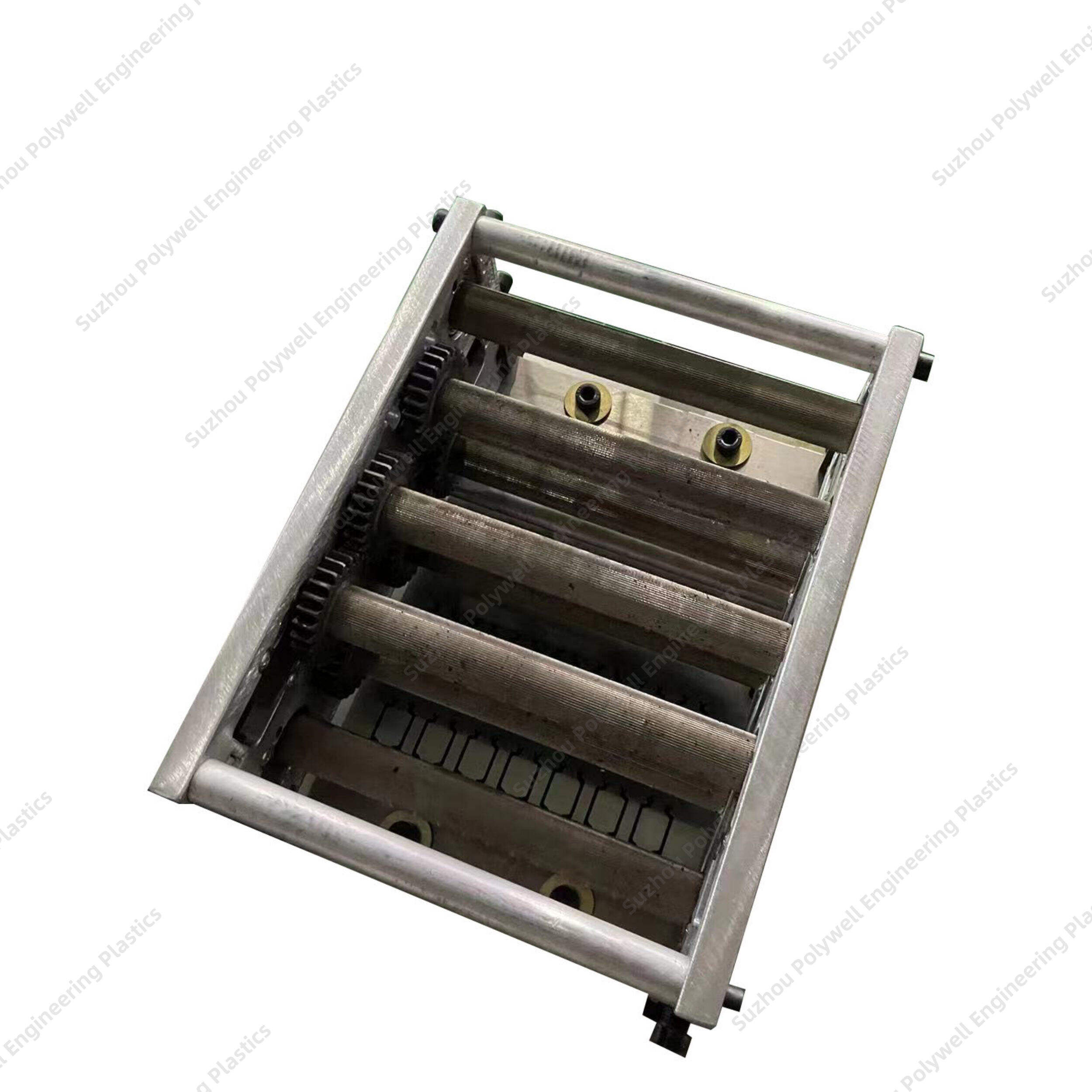
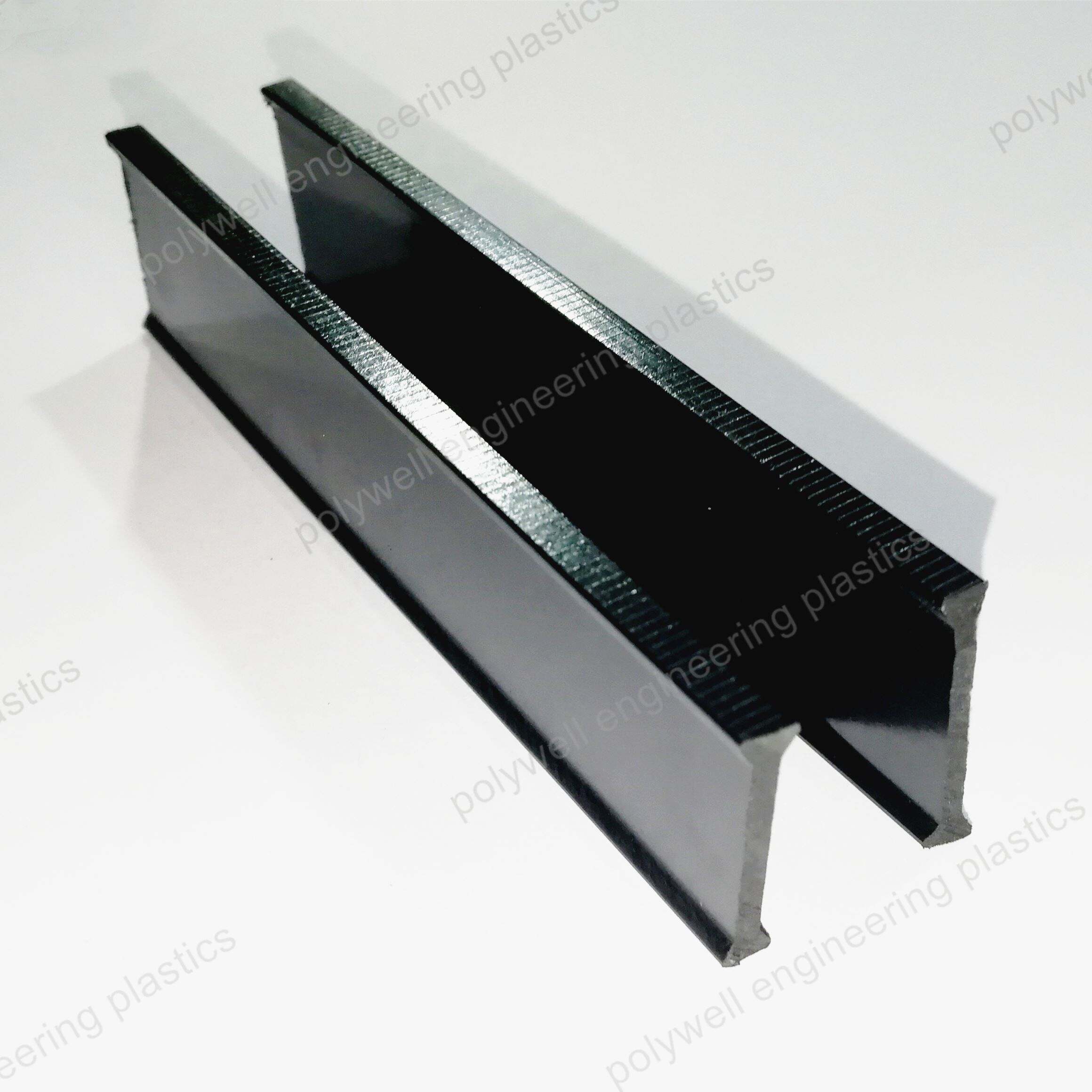
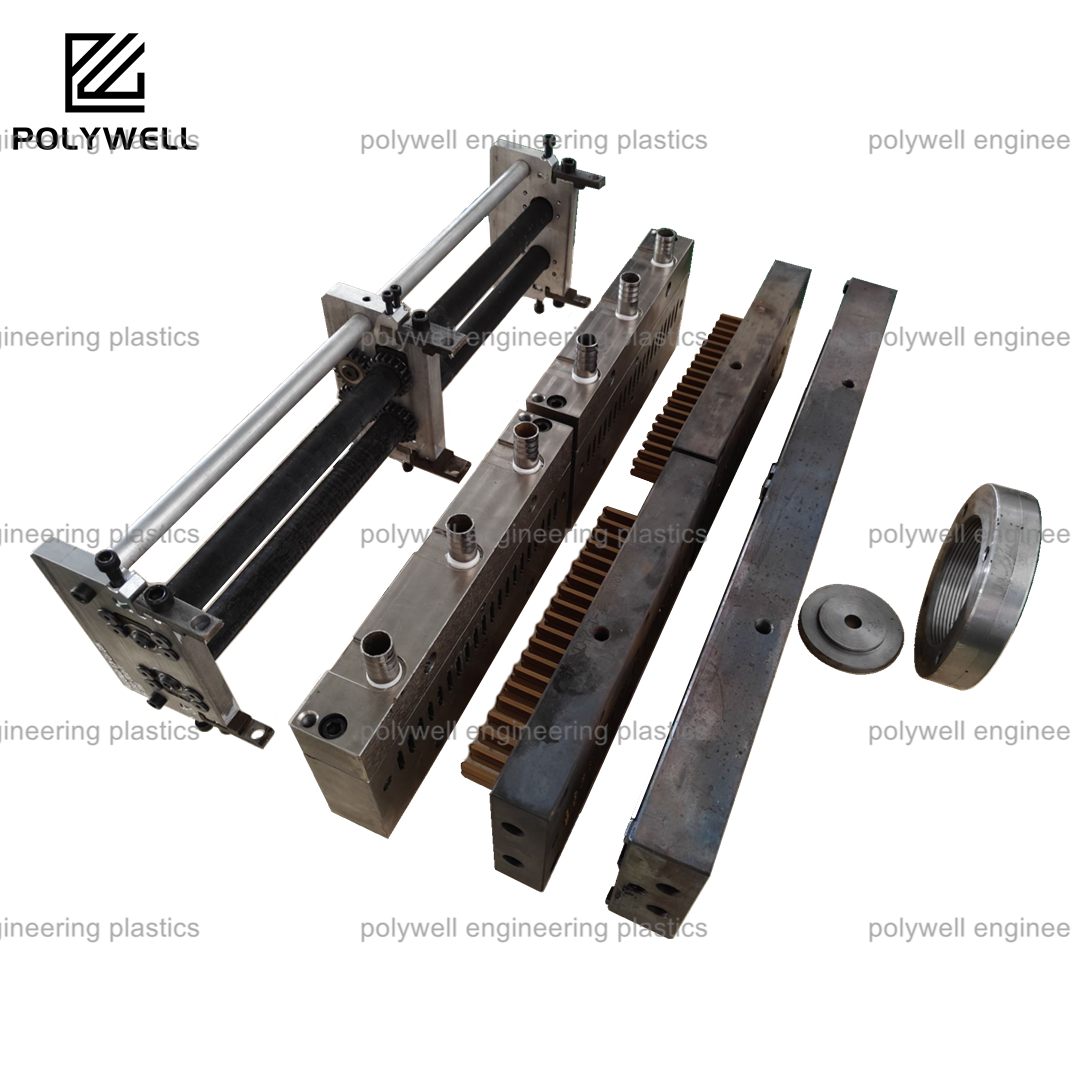
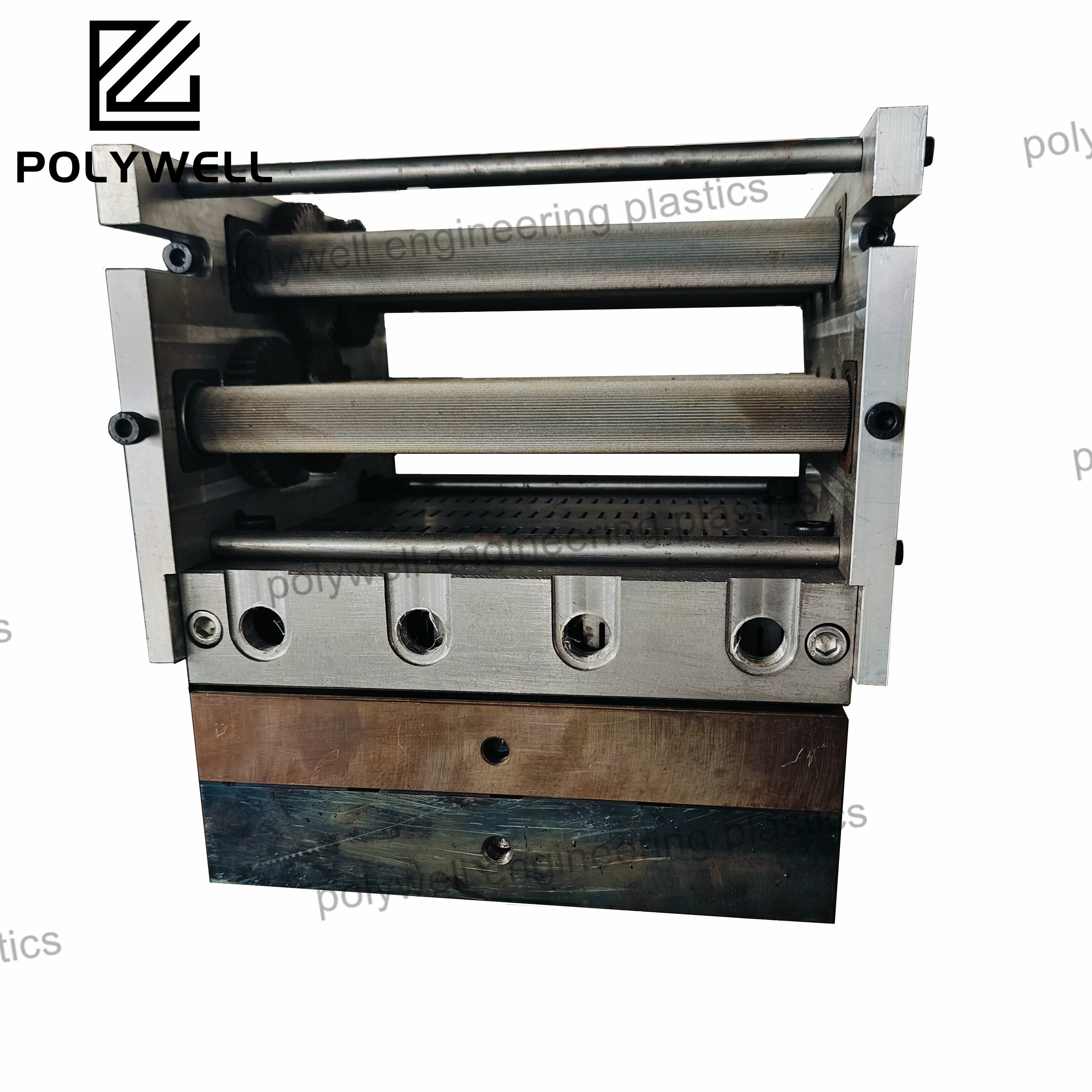
A metal extrusion die is a precision-engineered tool, typically manufactured from high-grade hot-work tool steel like H13, that serves as the final shaping component in the metal extrusion process. It is designed to withstand extreme conditions, including temperatures up to 500°C and immense pressures that can exceed 1000 MPa for certain alloys. The die's primary function is to plastically deform a heated aluminum or steel billet, forcing it to flow through a shaped orifice (the die opening) to create a continuous profile with a specific, constant cross-section. The design of a metal extrusion die is a complex balance of material science and fluid dynamics. It must account for material flow, ensuring the metal flows evenly from the center to the corners to prevent defects like twisting or bending. Key design elements include the approach angle, bearing length, and the use of feeders and dams to control metal velocity. For hollow profiles, the die incorporates a mandrel, which is supported by a bridge, to form the internal void. The die assembly is subjected to tremendous abrasive wear and thermal fatigue, necessitating advanced heat treatment processes like nitriding to create a super-hard, wear-resistant surface layer. The precision of the die's internal geometry, particularly the bearing surfaces, directly dictates the dimensional accuracy, surface finish, and mechanical properties of the final extruded product. As such, the metal extrusion die is not merely a tool but the cornerstone of the entire process, enabling the production of everything from simple solid rods to highly complex multi-void architectural and industrial profiles.