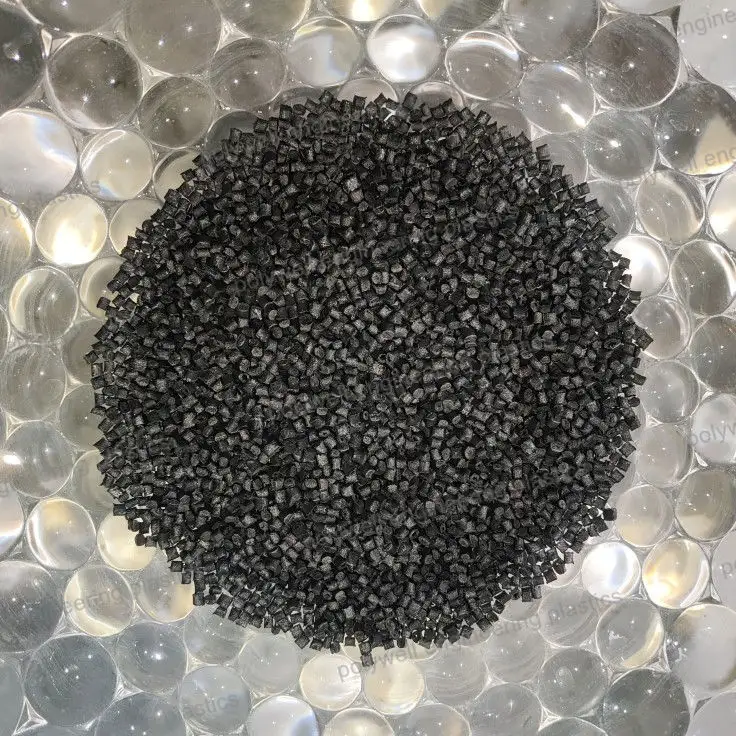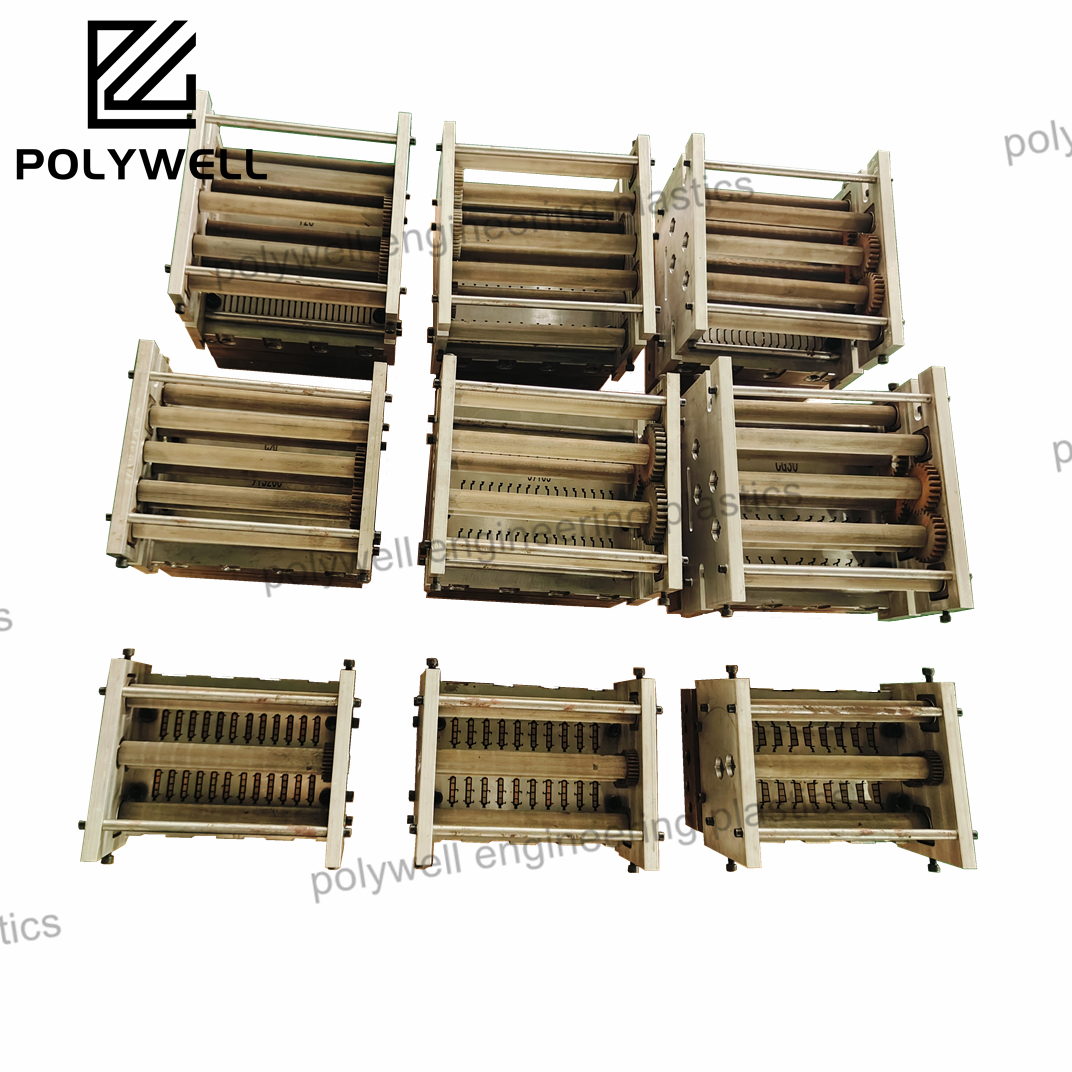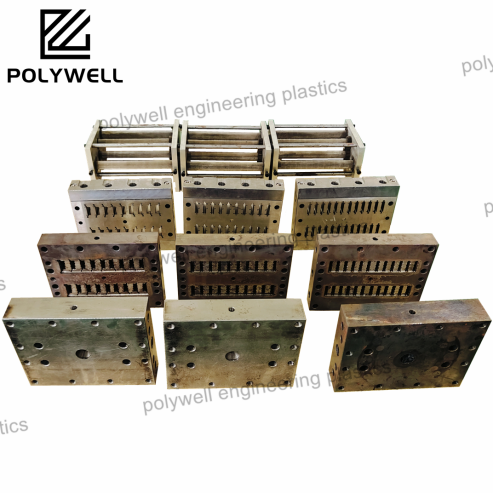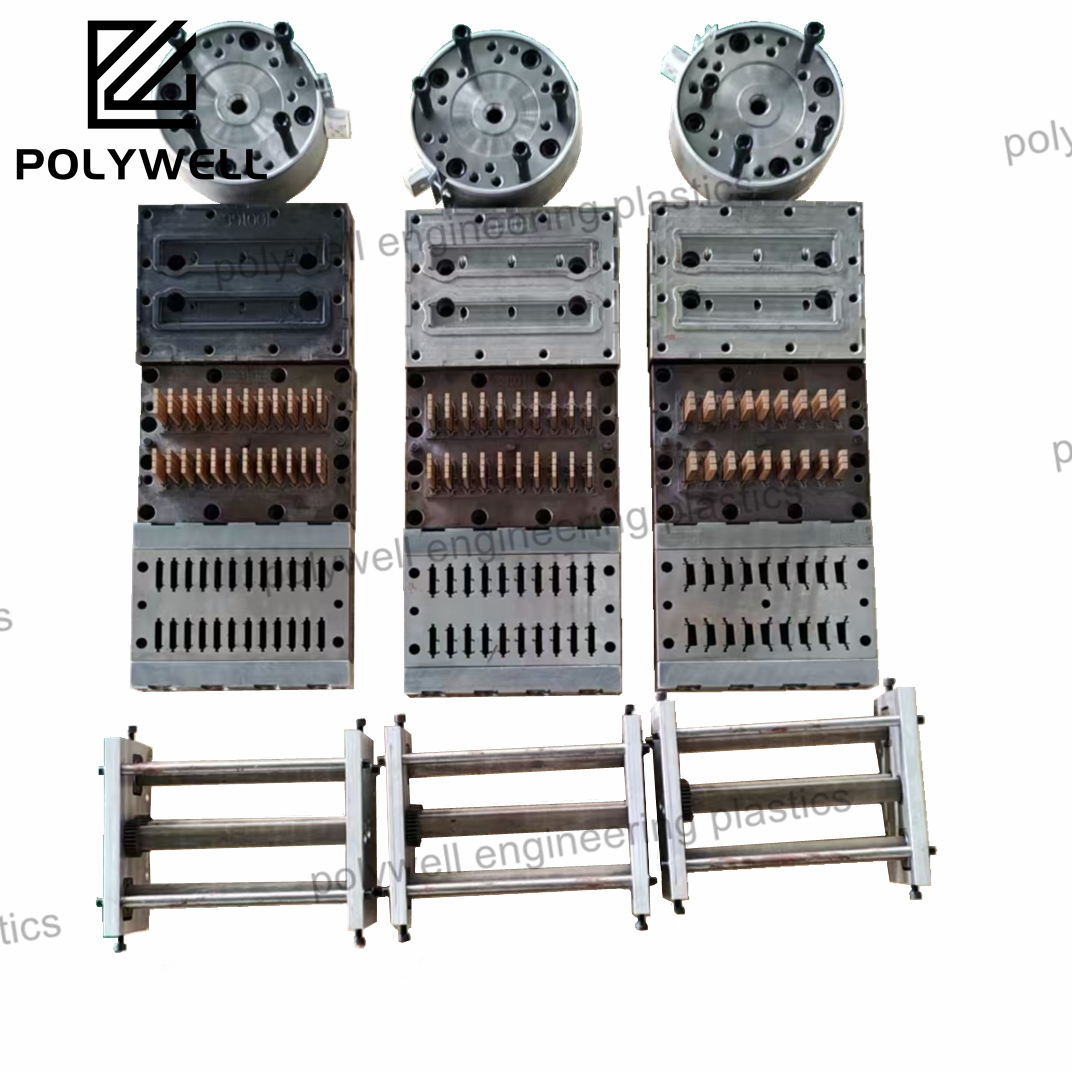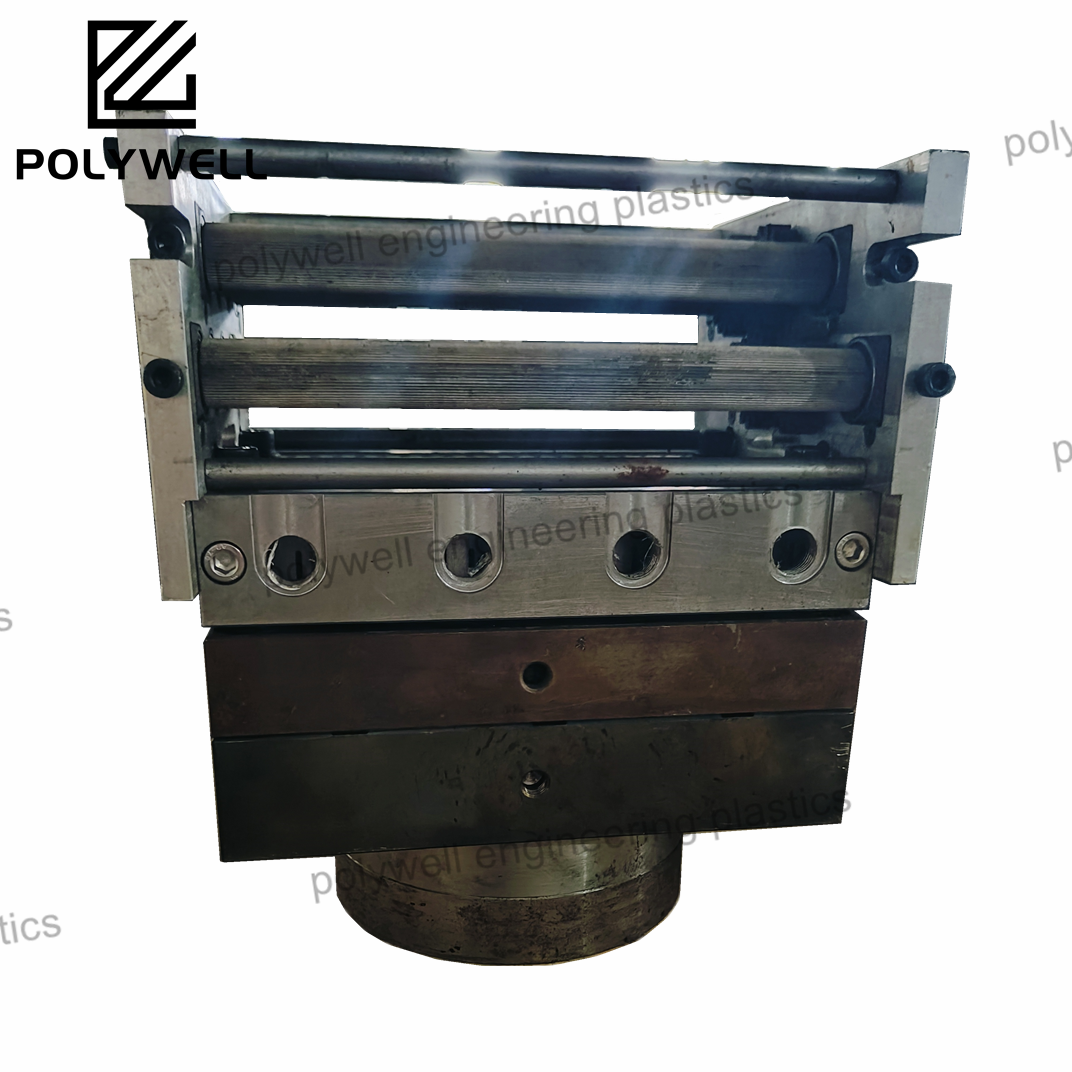
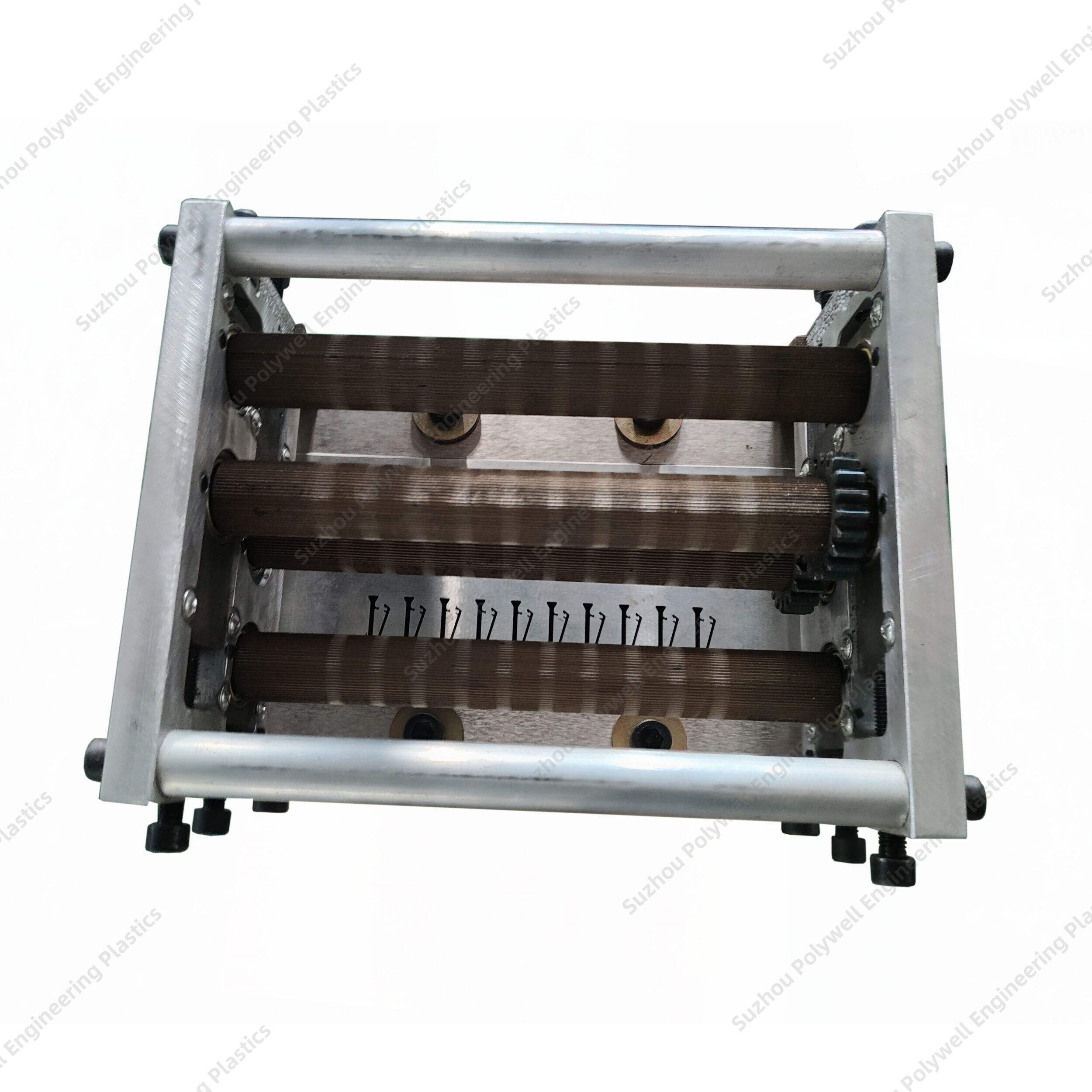
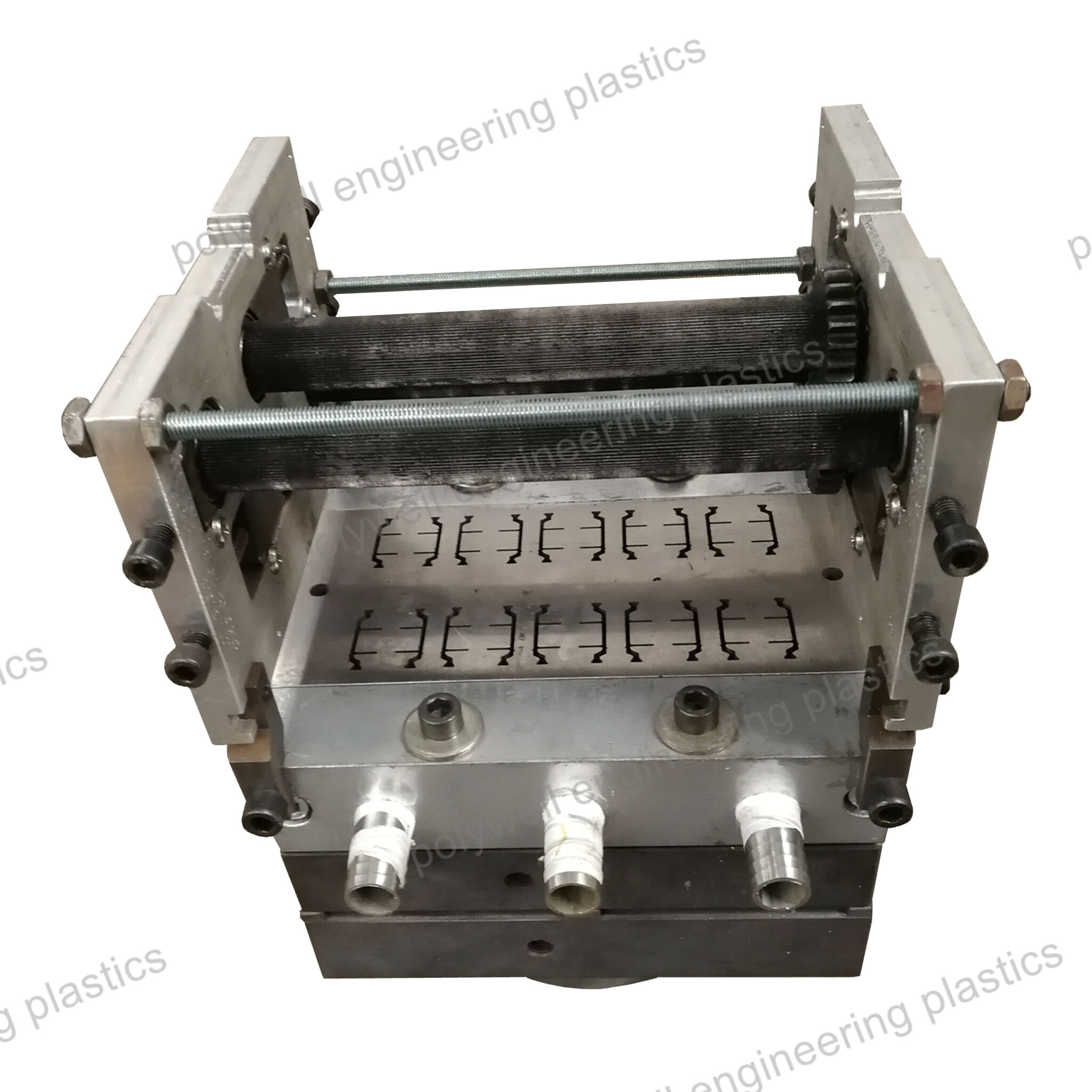
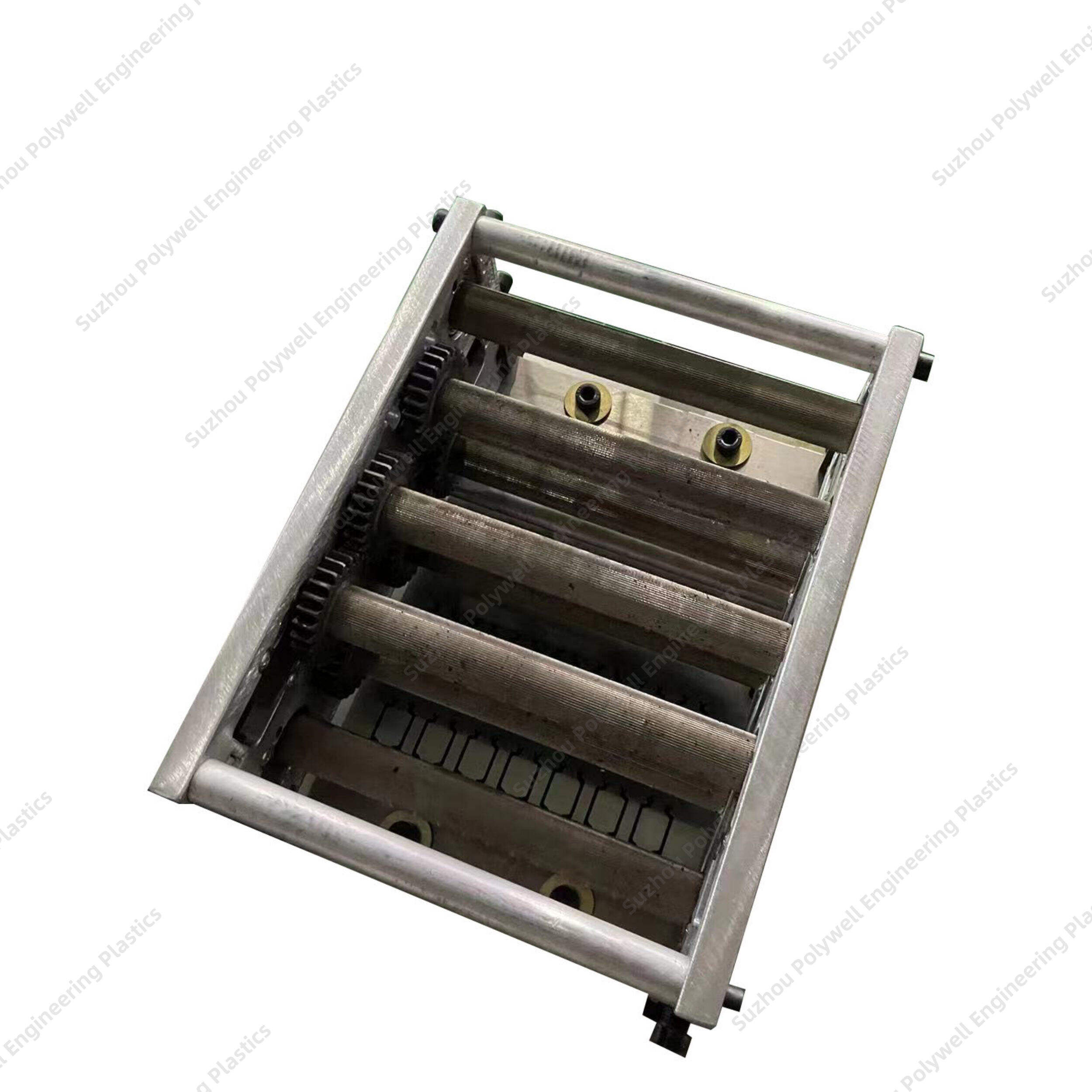
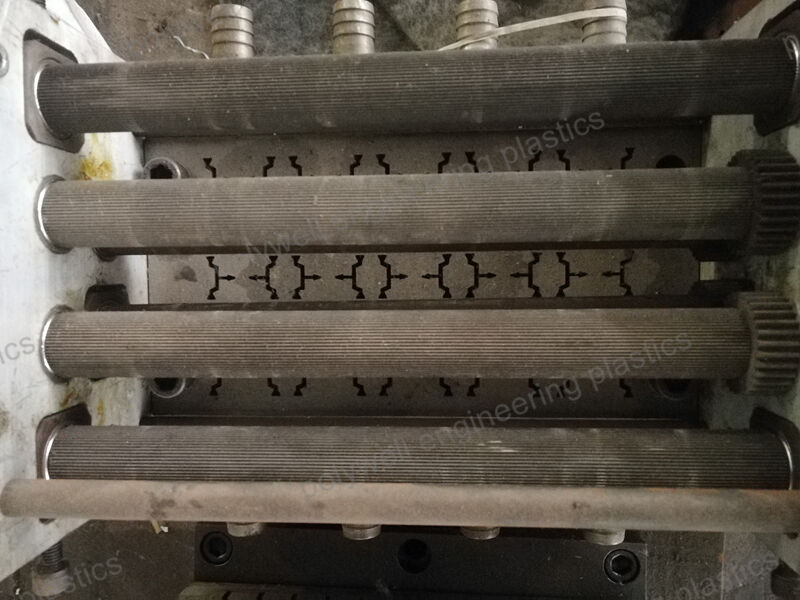
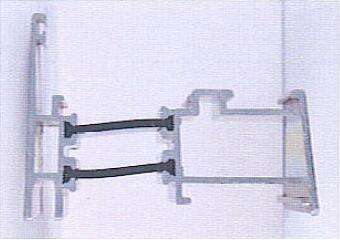
The die in extrusion is the quintessential tool that defines the very purpose of the process: to create a continuous object with a specific, fixed cross-sectional profile. It is the point of transformation where the amorphous, high-pressure melt from the extruder is given its final shape. The die's role is multifaceted. Firstly, it must withstand severe operating conditions, including high temperatures (often 200-300°C for plastics) and intense pressures. Secondly, its internal geometry must be designed to overcome the challenges of melt flow. The design process involves anticipating and compensating for the viscoelastic behavior of polymers, primarily die swell. The die orifice is therefore typically smaller and of a different shape than the desired final profile. The internal flow path must be streamlined to avoid dead spots where material can stagnate and degrade, and it must distribute the melt so that it exits the die lips at a uniform speed. For a simple sheet die, this involves a coat-hanger manifold; for a complex profile, the flow channel is a custom-designed volume. The precision machining, high-quality steel, and mirror polish of the die are all directed toward one goal: to produce an extrudate that requires minimal post-processing and consistently meets all dimensional, aesthetic, and functional specifications. The die is, without exaggeration, the most critical component in determining the success and quality of an extrusion operation.