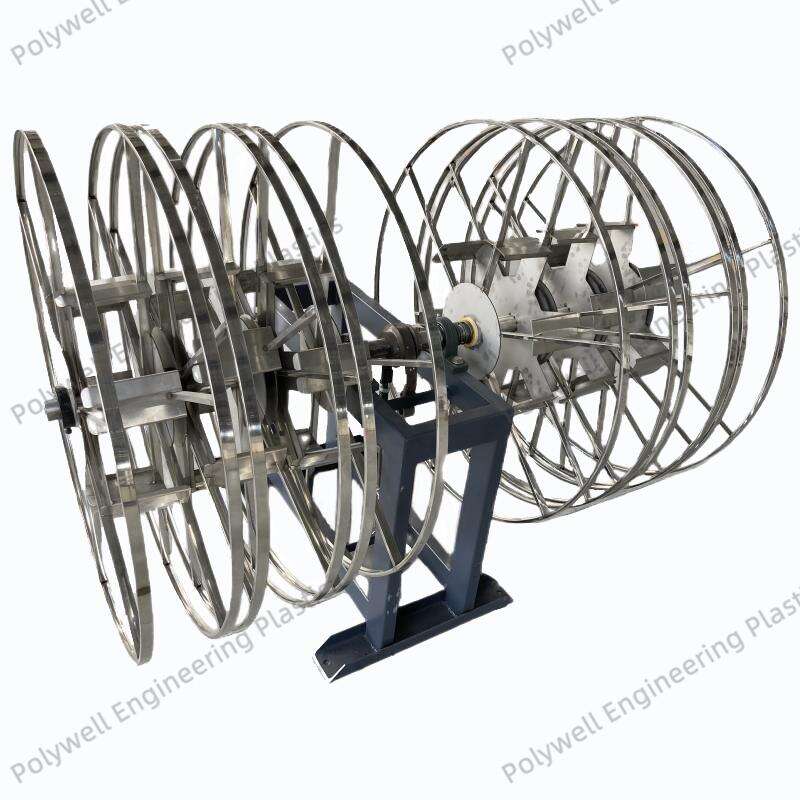
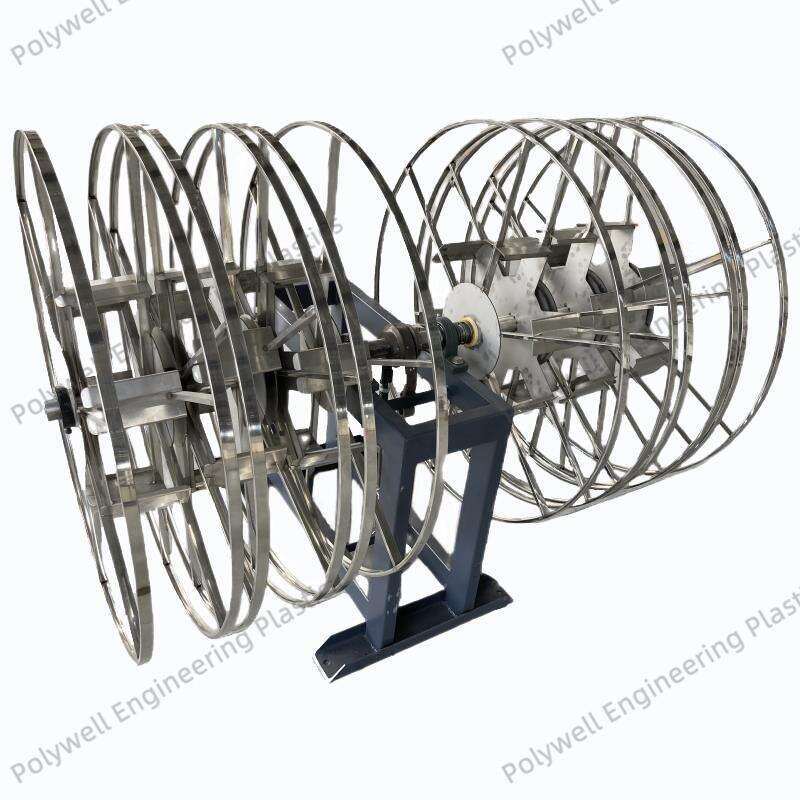
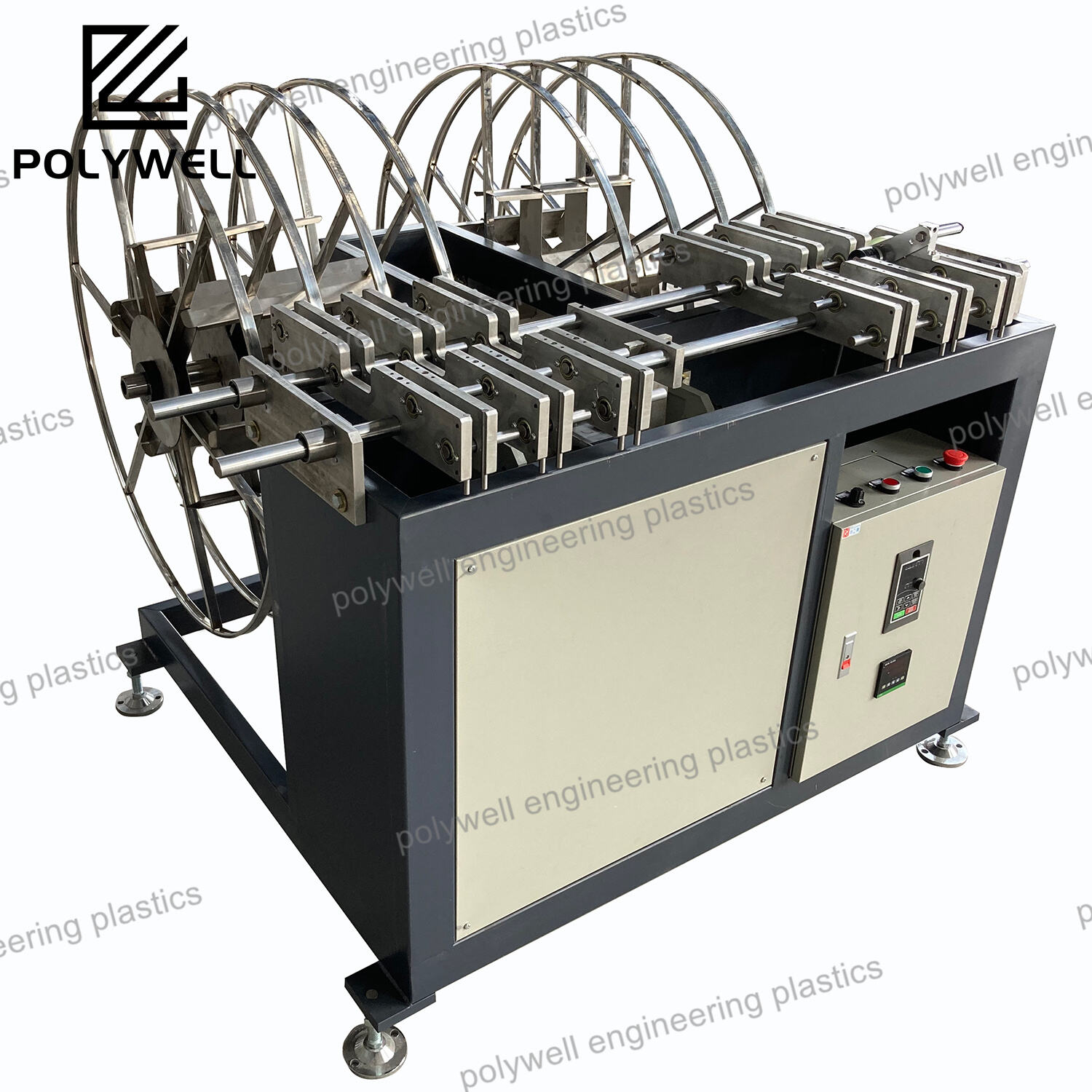
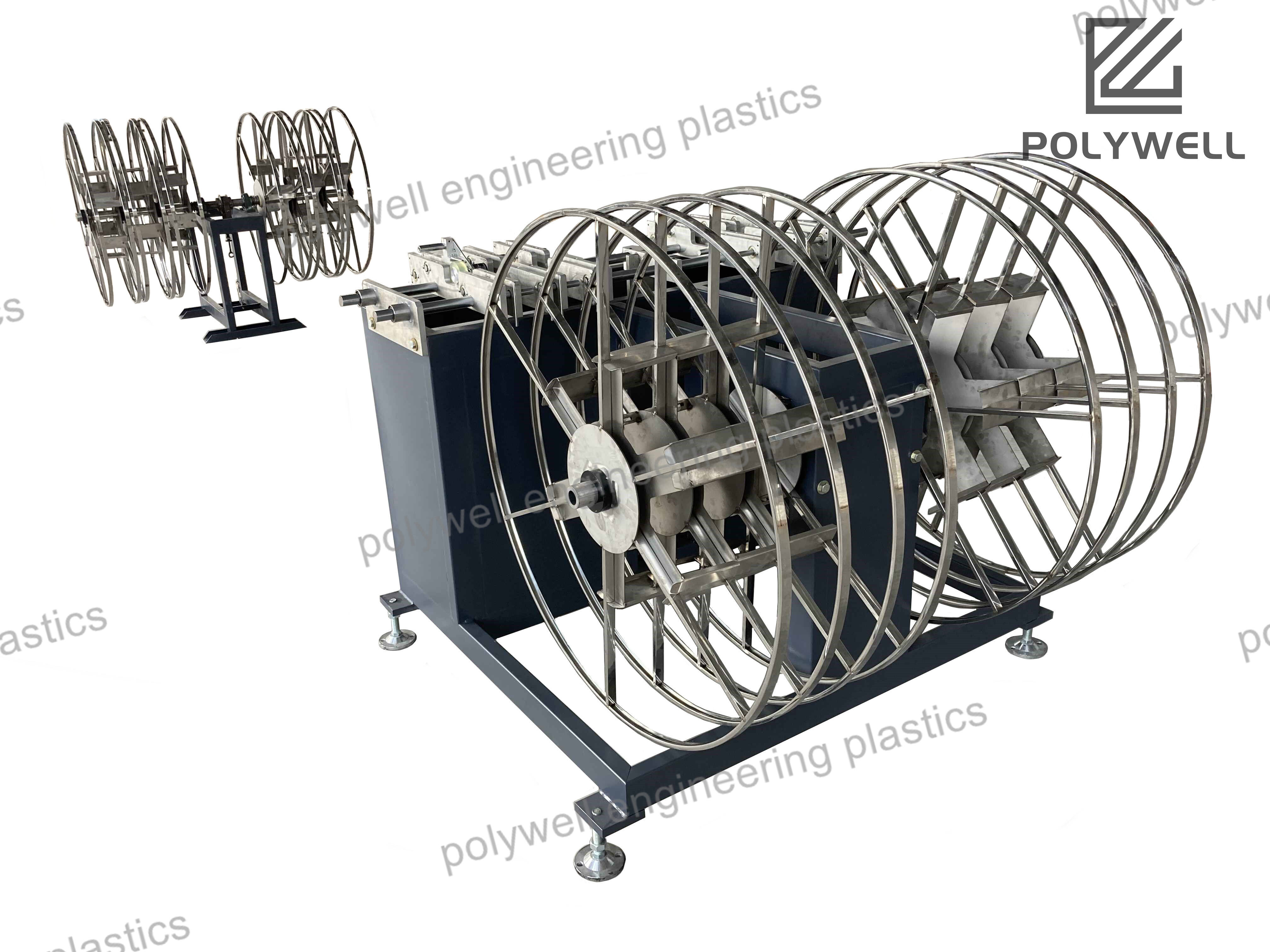
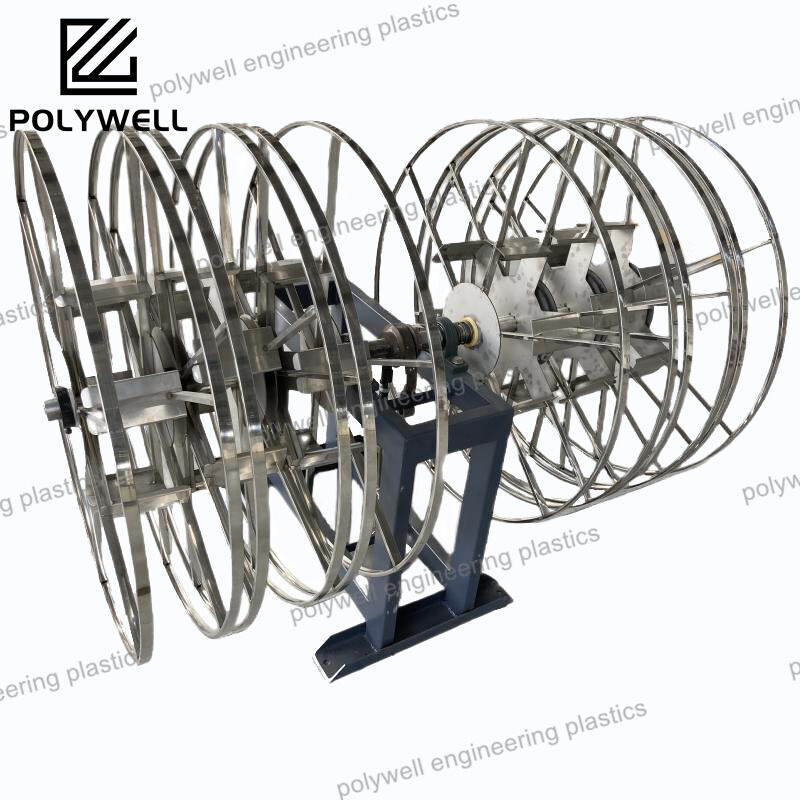
POLYWELL Coil Winder: For Polyamide Thermal Break Strip Coiling Needs
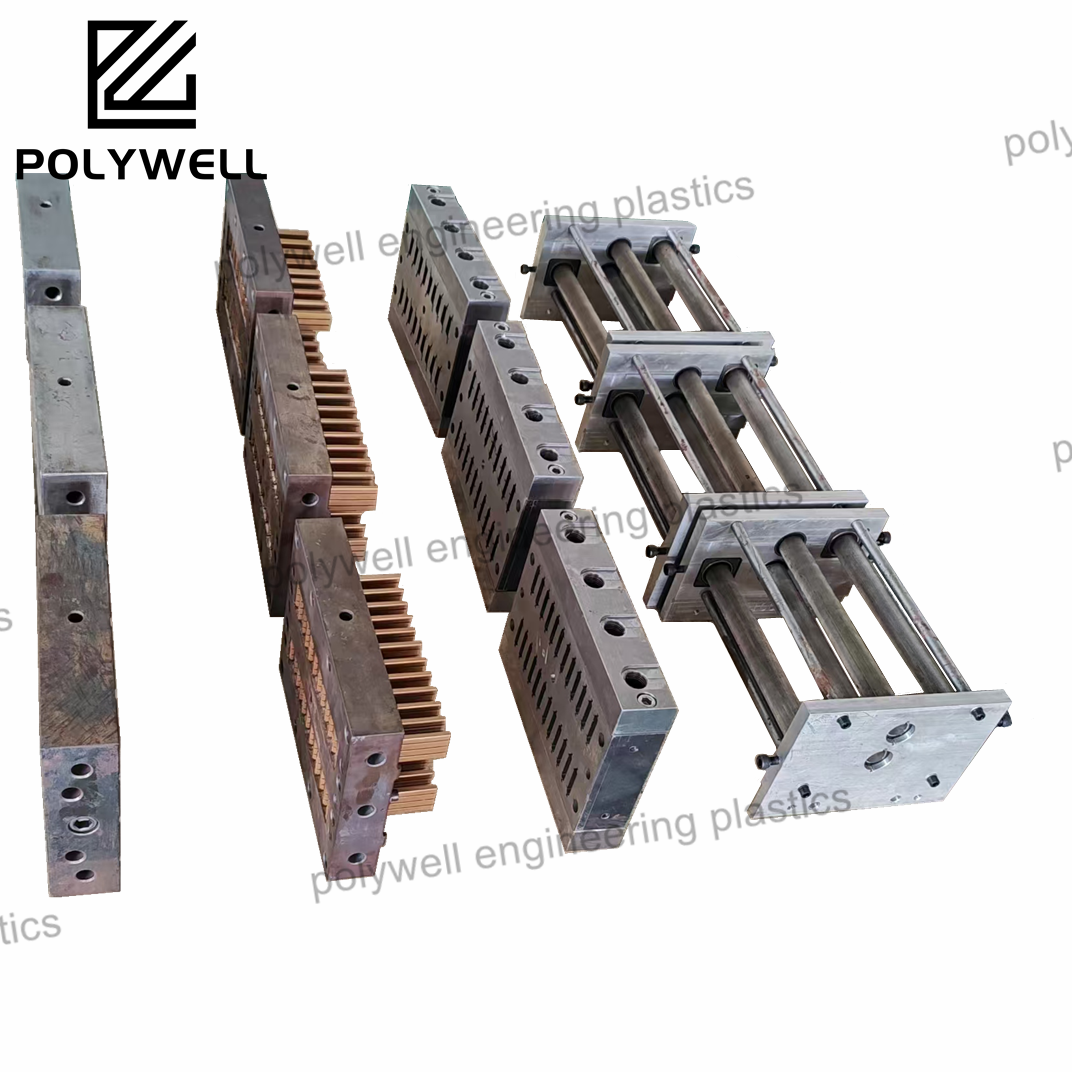
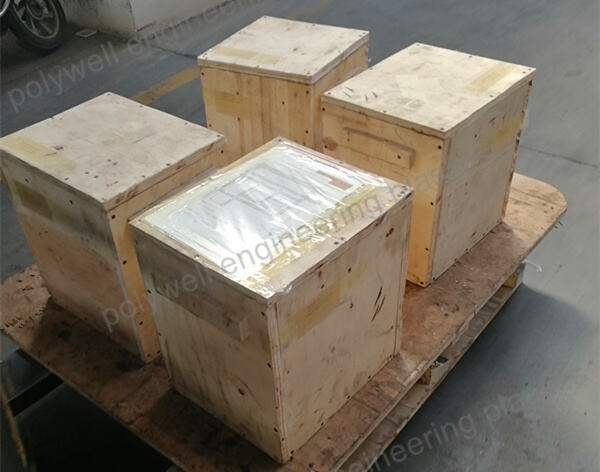
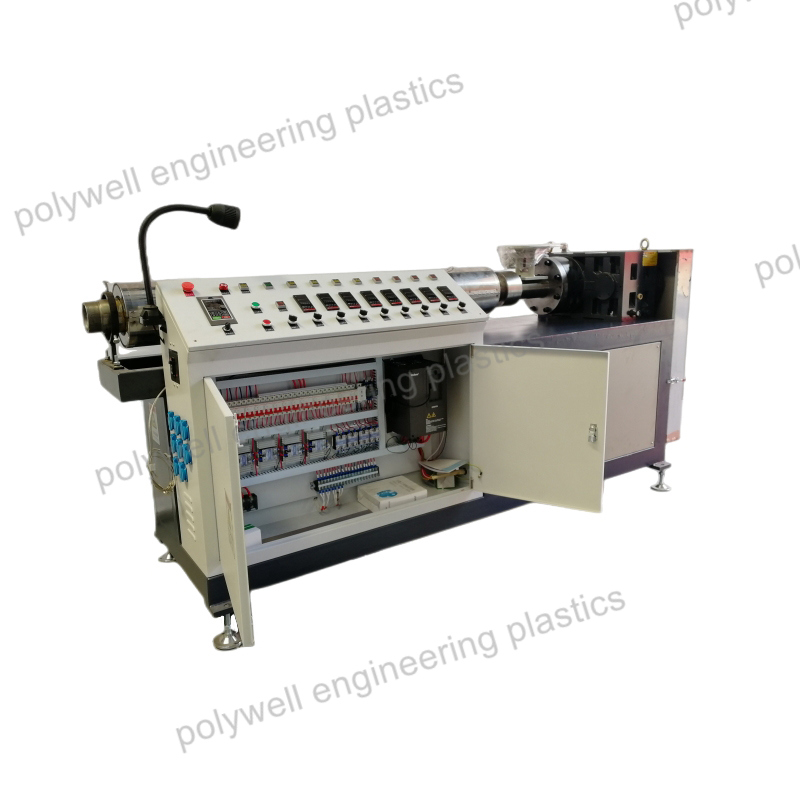
This page belongs to POLYWELL, offering coil winders specifically designed for coiling polyamide thermal break strips—core equipment in its production line solutions, backed by 15+ years of expertise. The coil winder ensures uniform, tight coils of polyamide strips, supporting efficient storage and transportation. It supplies the coil winder along with technical guidance (e.g., adjusting coil tension to prevent strip deformation) and DFM services to match the winder to extruder output. On site service addresses coiling issues, while lifelong training helps clients maintain equipment performance. Client feedback (Ms. Özge’s satisfaction with polyamide processing support) reflects reliability, and the 6 step cooperation process covers coil winder customization, quoting, and delivery for manufacturers.
Get A Quote

 EN
EN