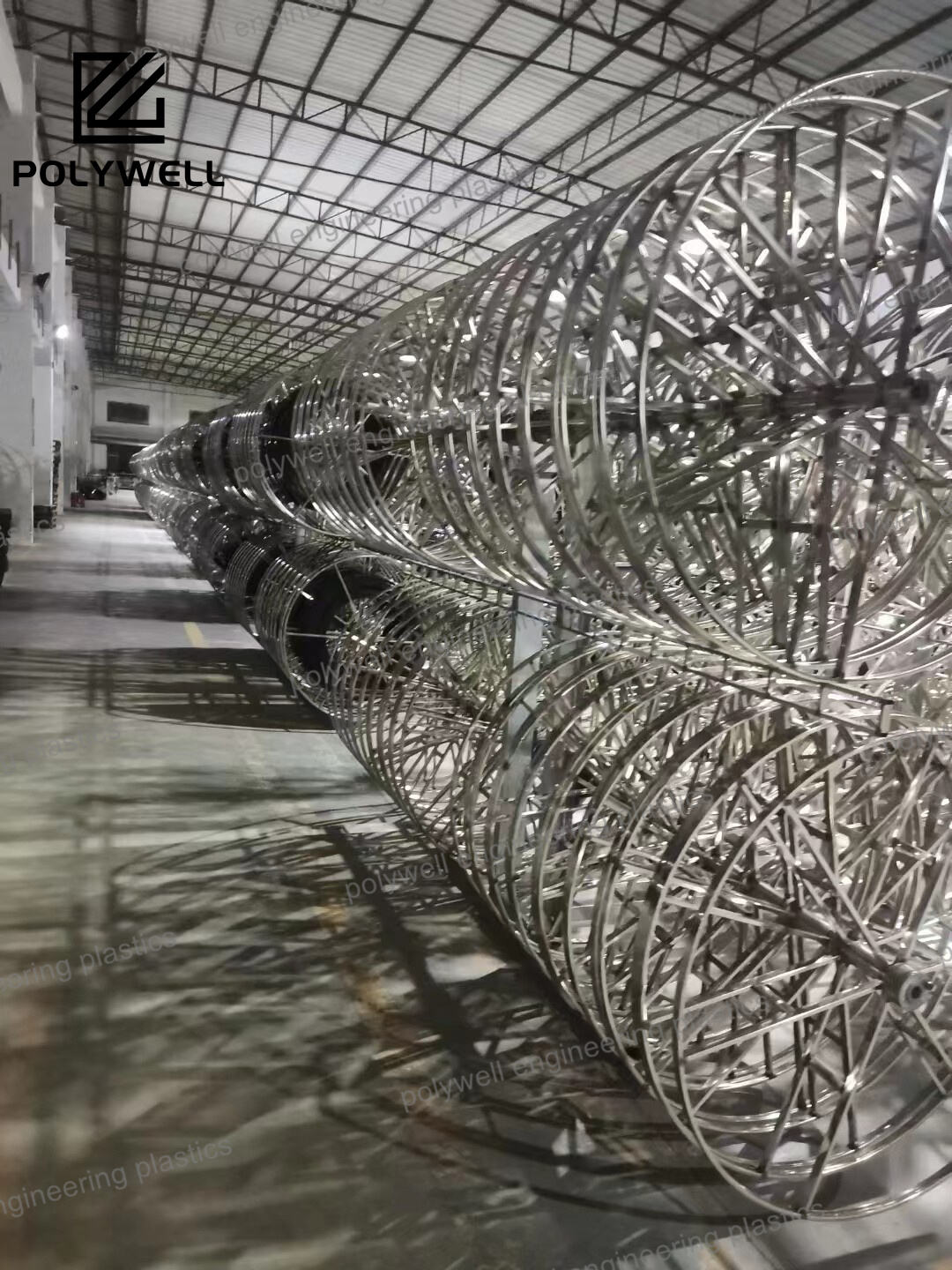
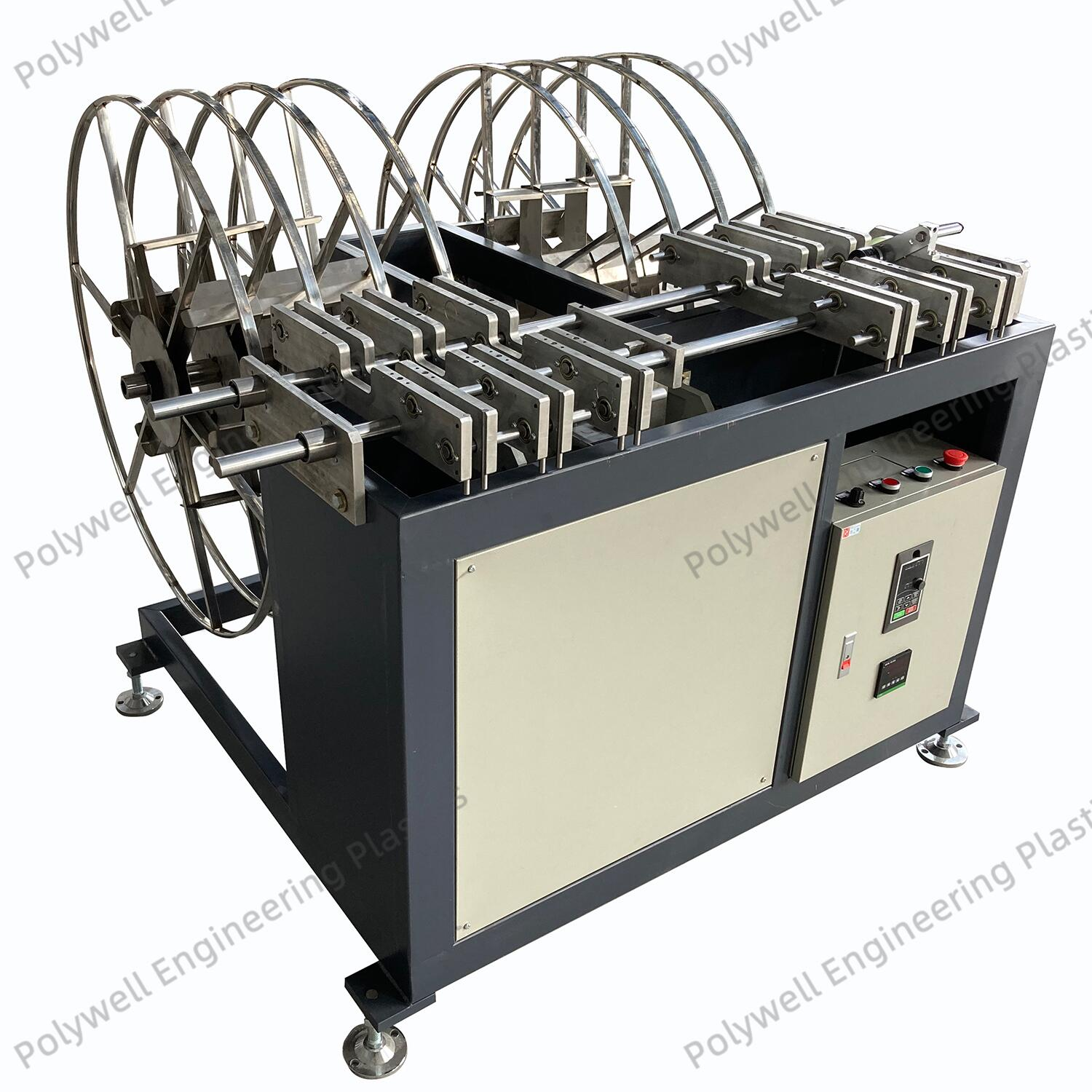
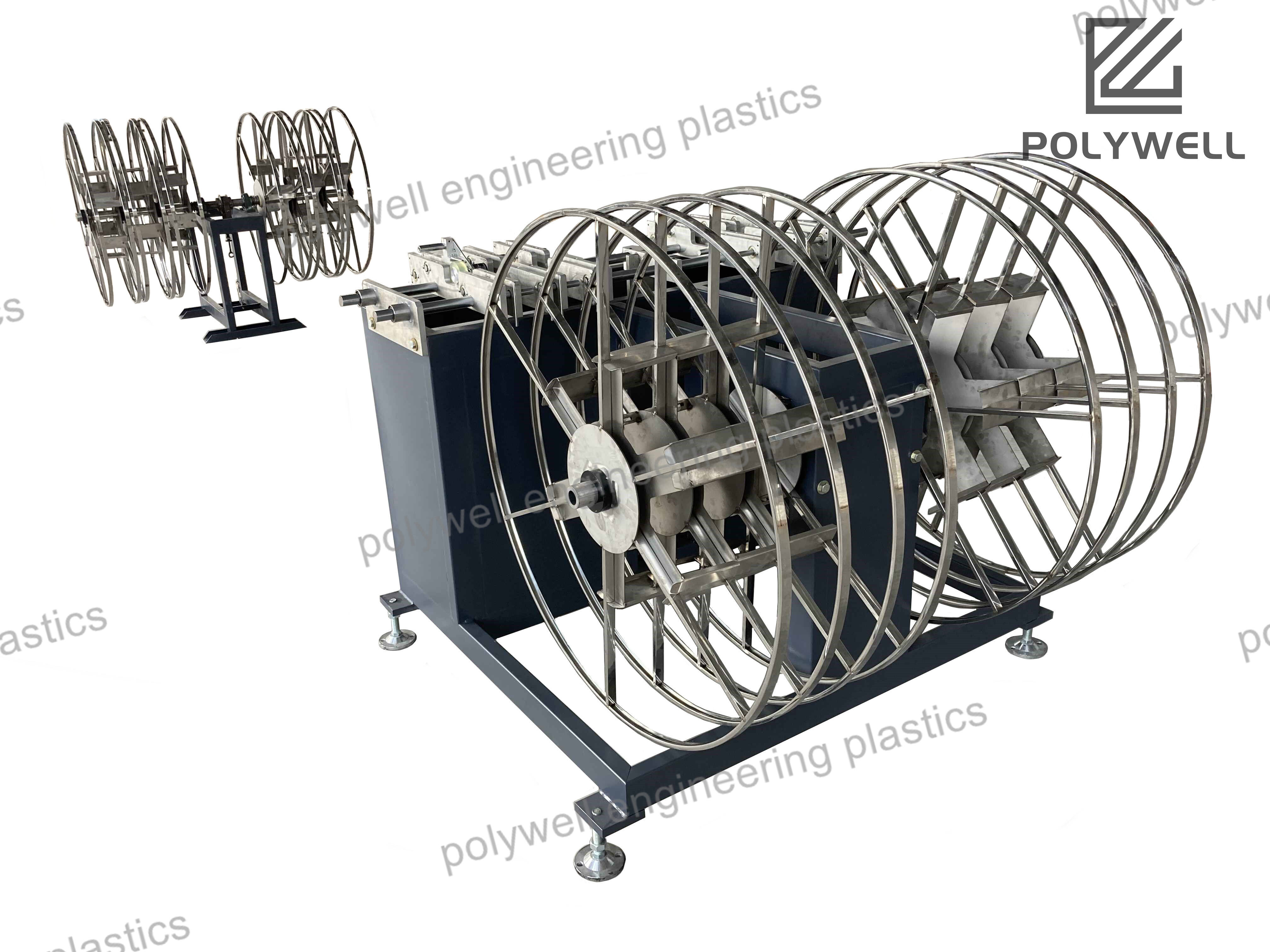
POLYWELL Winding Equipment: For Polyamide Thermal Break Strip Production Line Efficiency
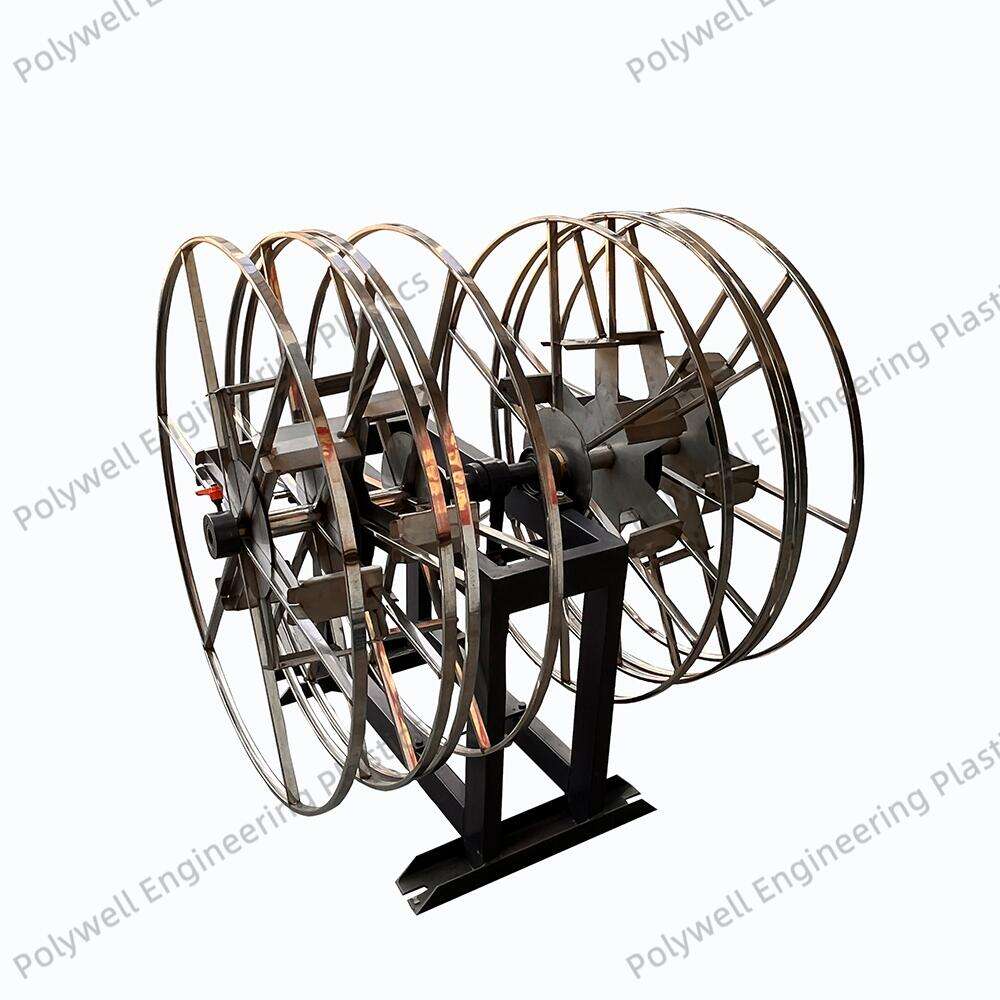
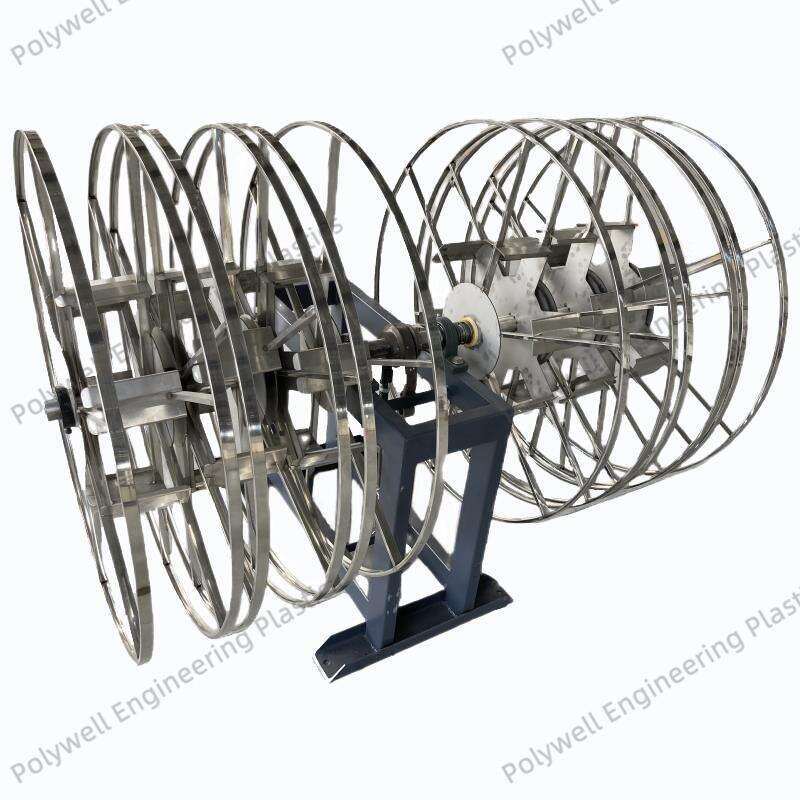
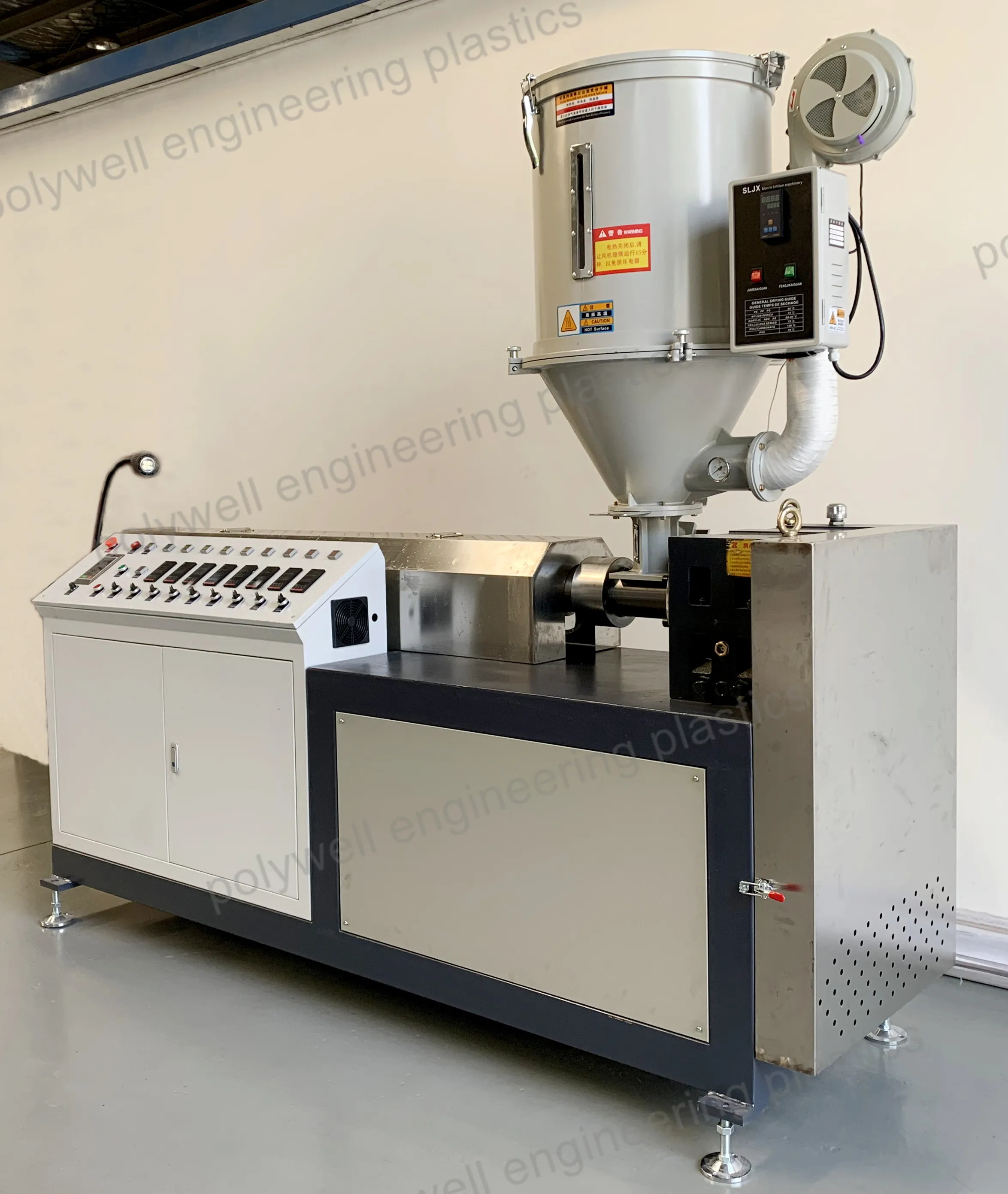
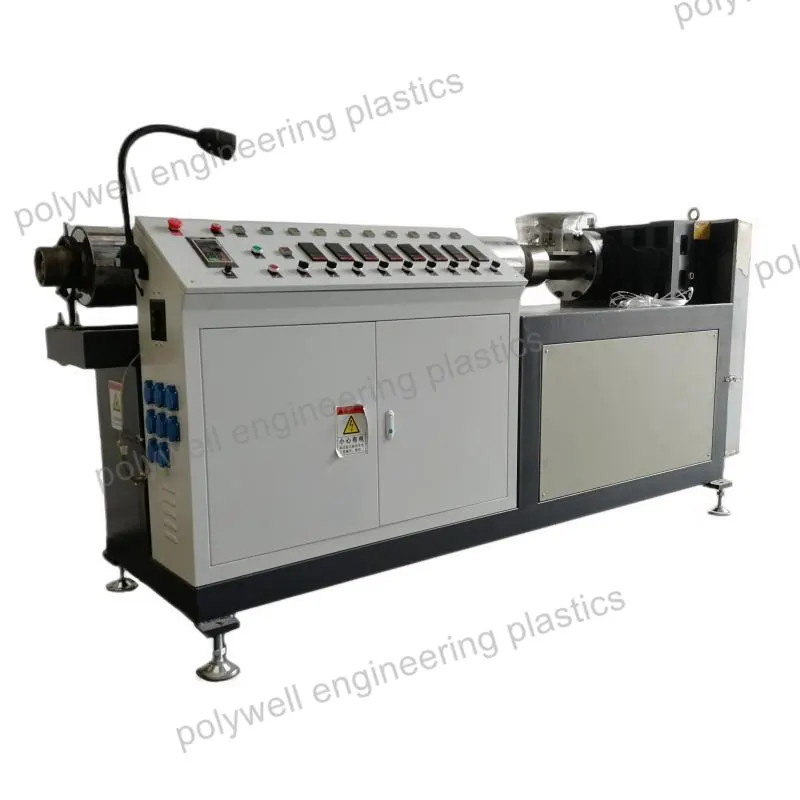
This page from POLYWELL focuses on winding equipment, a critical part of its “Other equipments on Polyamide strips production line” offering, backed by 15+ years of experience in optimizing polyamide thermal break strip manufacturing workflows. It supplies winding equipment designed to handle coiled polyamide strips, ensuring efficient post extrusion handling and packaging. The content includes technical support for winding equipment operation (e.g., adjusting tension to avoid strip damage) and DFM services to align the equipment with polyamide strip production needs. On site service addresses on factory equipment issues, while lifelong training helps clients master maintenance. Client feedback (Ms. Özge’s success with polyamide granules) reflects POLYWELL’s expertise, and the 6 step cooperation process covers equipment quoting, customization, and delivery for manufacturers.
Get A Quote
 EN
EN