POLYWELL Roll Packaging Machine: Support for Polyamide Profile Roll Packaging
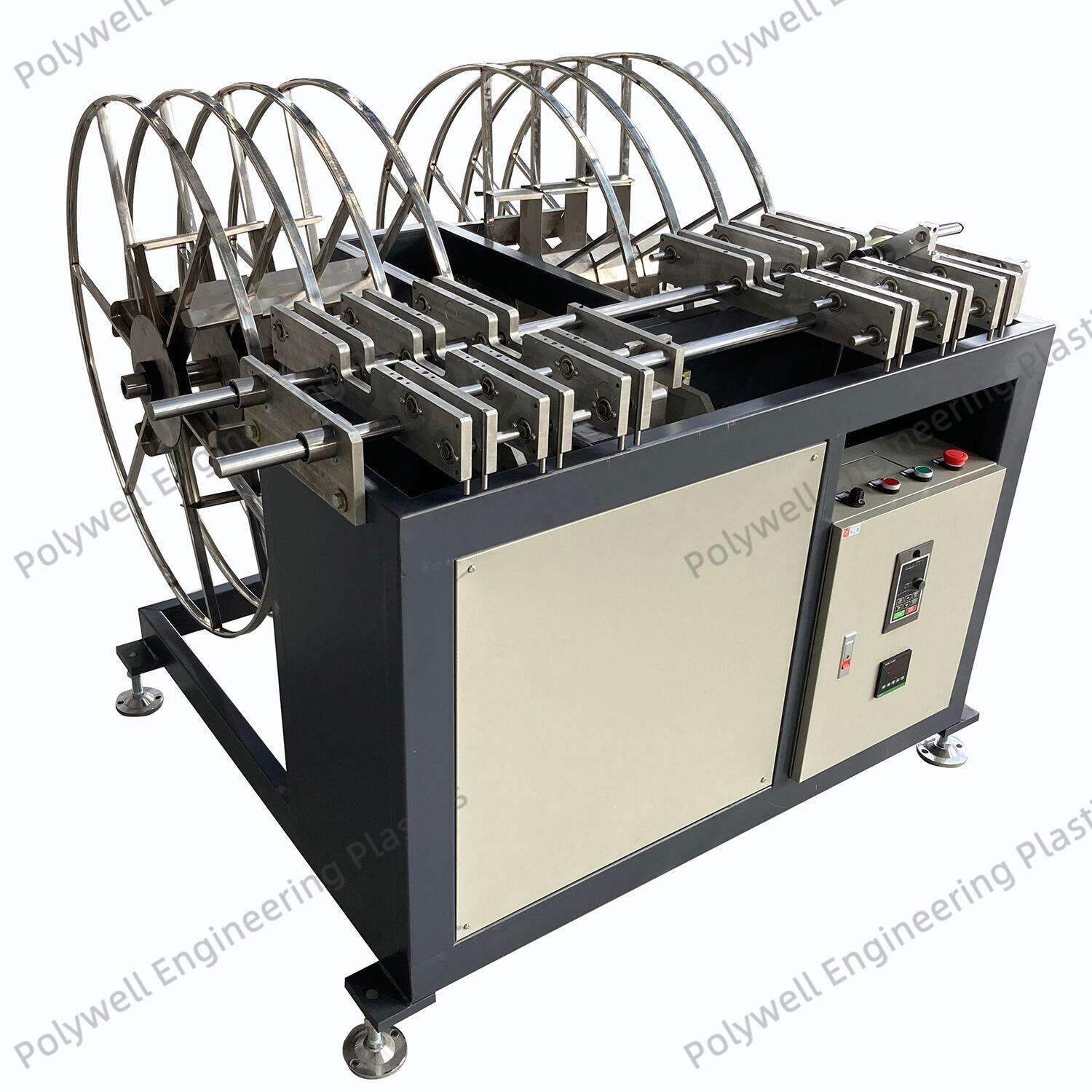
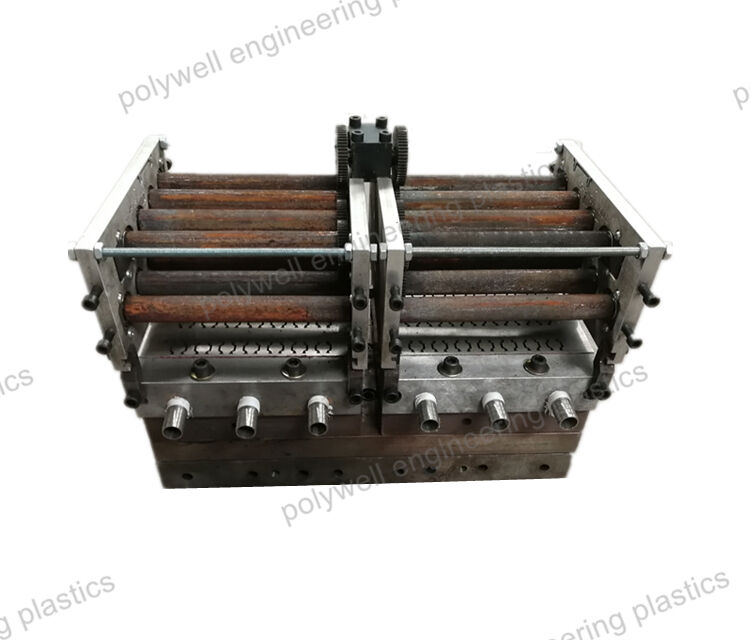
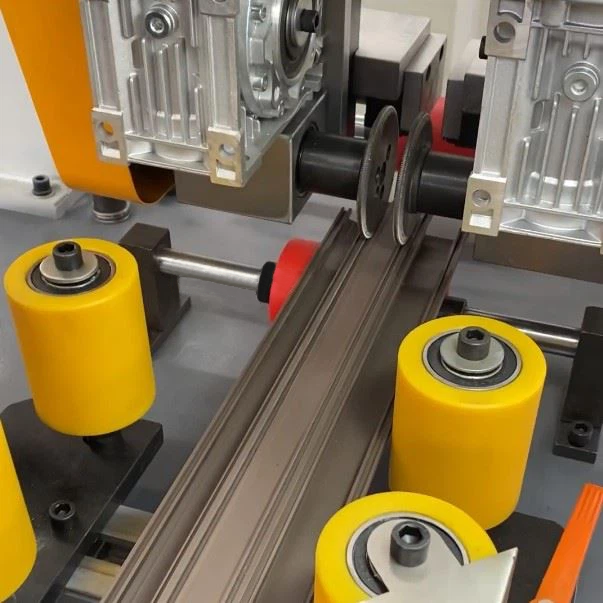
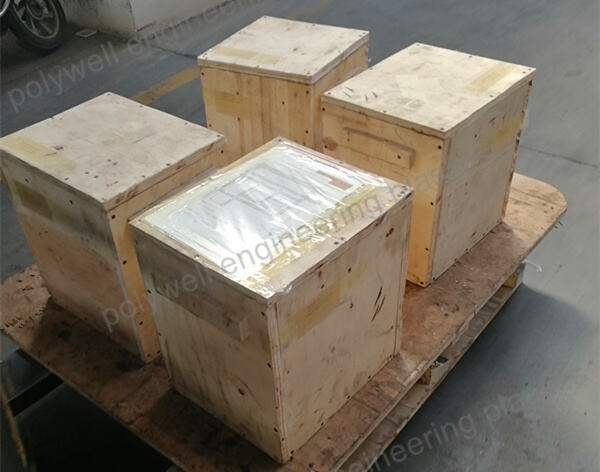
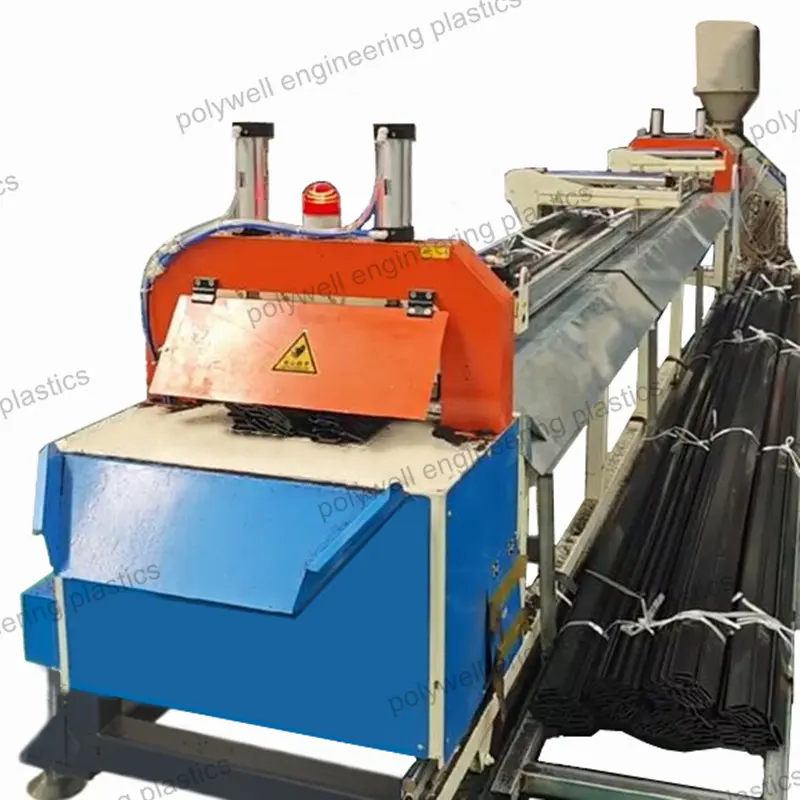
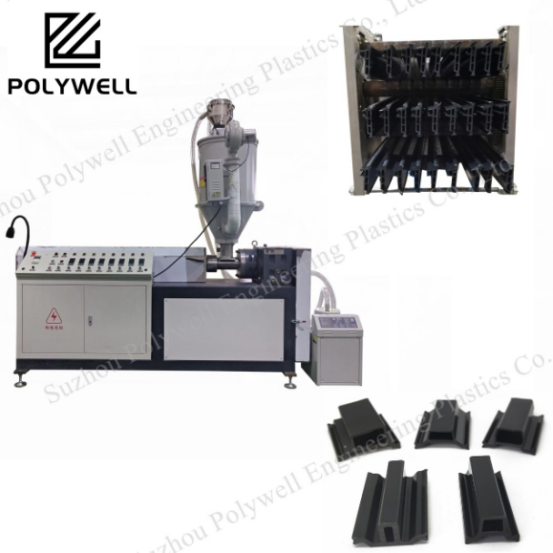
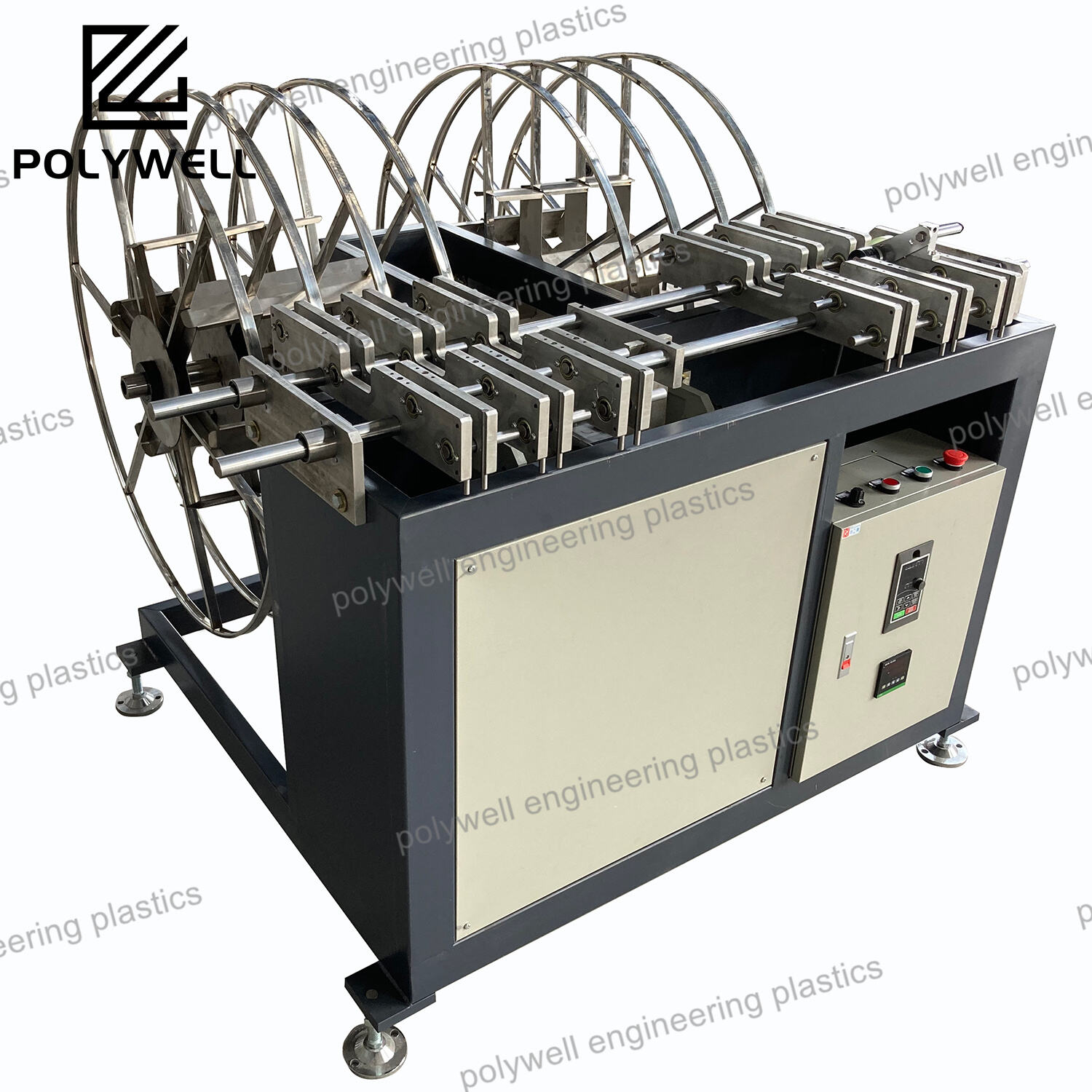
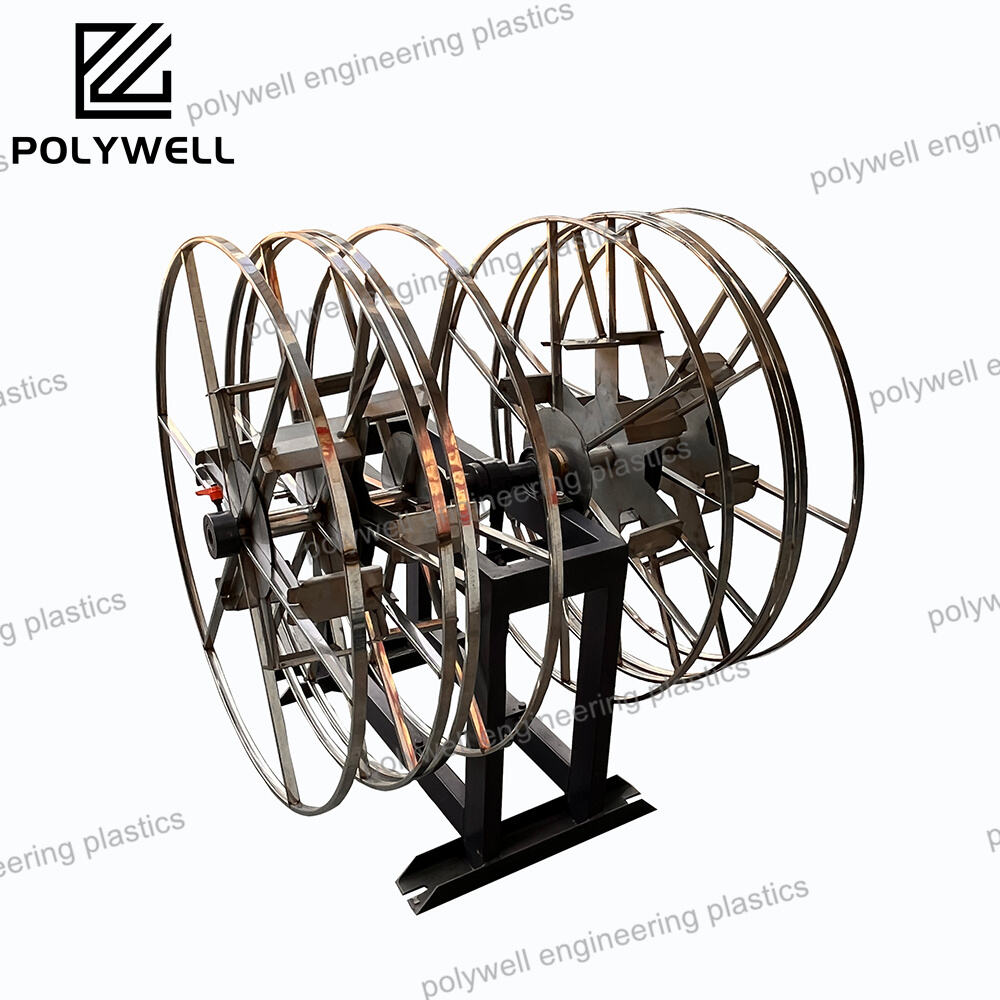
This page focuses on POLYWELL’s roll packaging machine, part of its production line equipment offerings for packaging rolled polyamide thermal break strips and profiles. Backed by 15+ years of experience, it supplies the machine with comprehensive support: installation, worker training (as part of “Provide Production Technology”), and on site service to resolve operational challenges. The content highlights the machine’s efficiency in roll packaging (supporting POLYWELL’s “Package and ship” step) and its adaptability to different roll diameters. DFM services ensure the machine integrates smoothly into production lines, and client testimonials (Mr. Tiago’s trust in POLYWELL’s equipment) validate quality. The 6 step cooperation process includes machine quoting, customization, and shipping, catering to profile manufacturers.
Get A Quote
 EN
EN