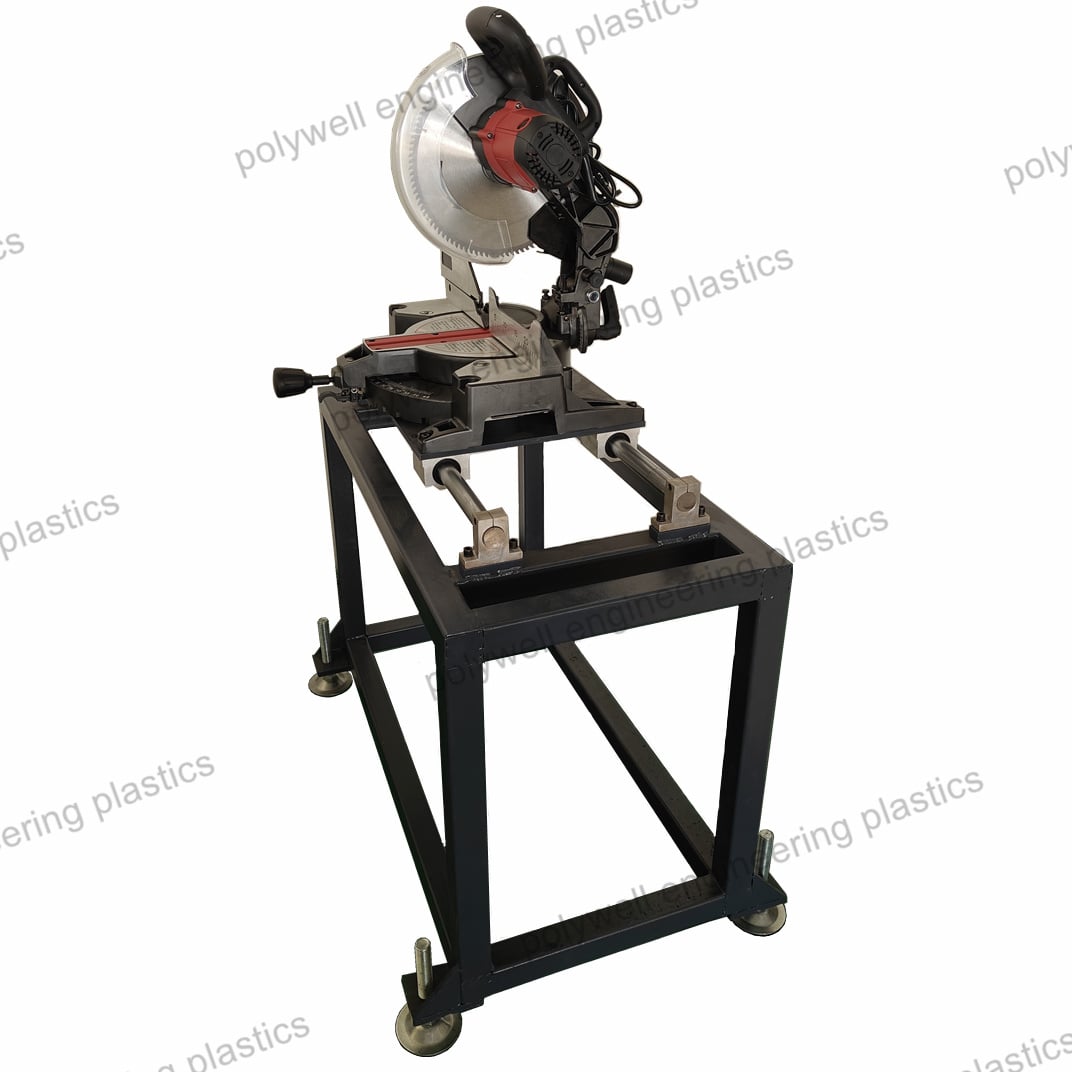
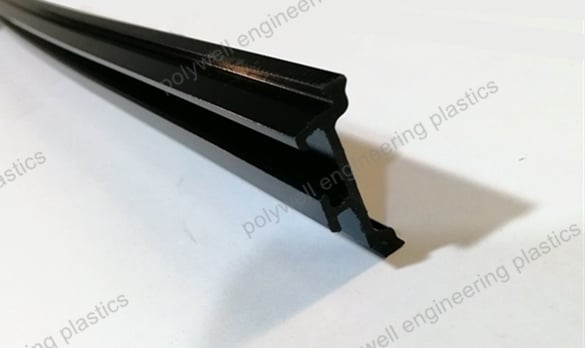
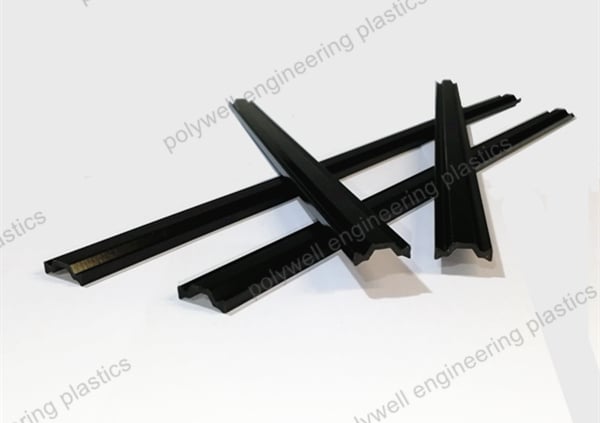
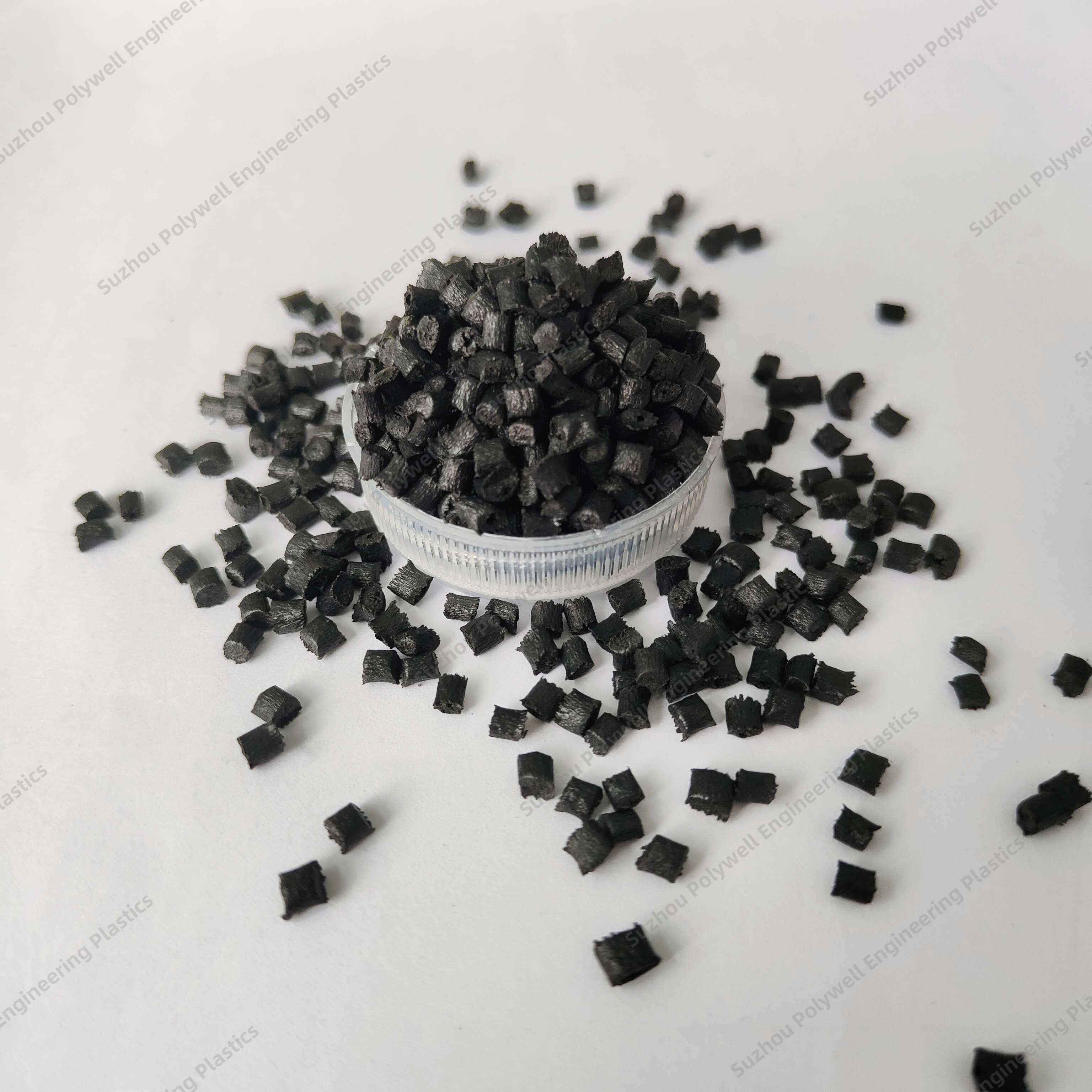
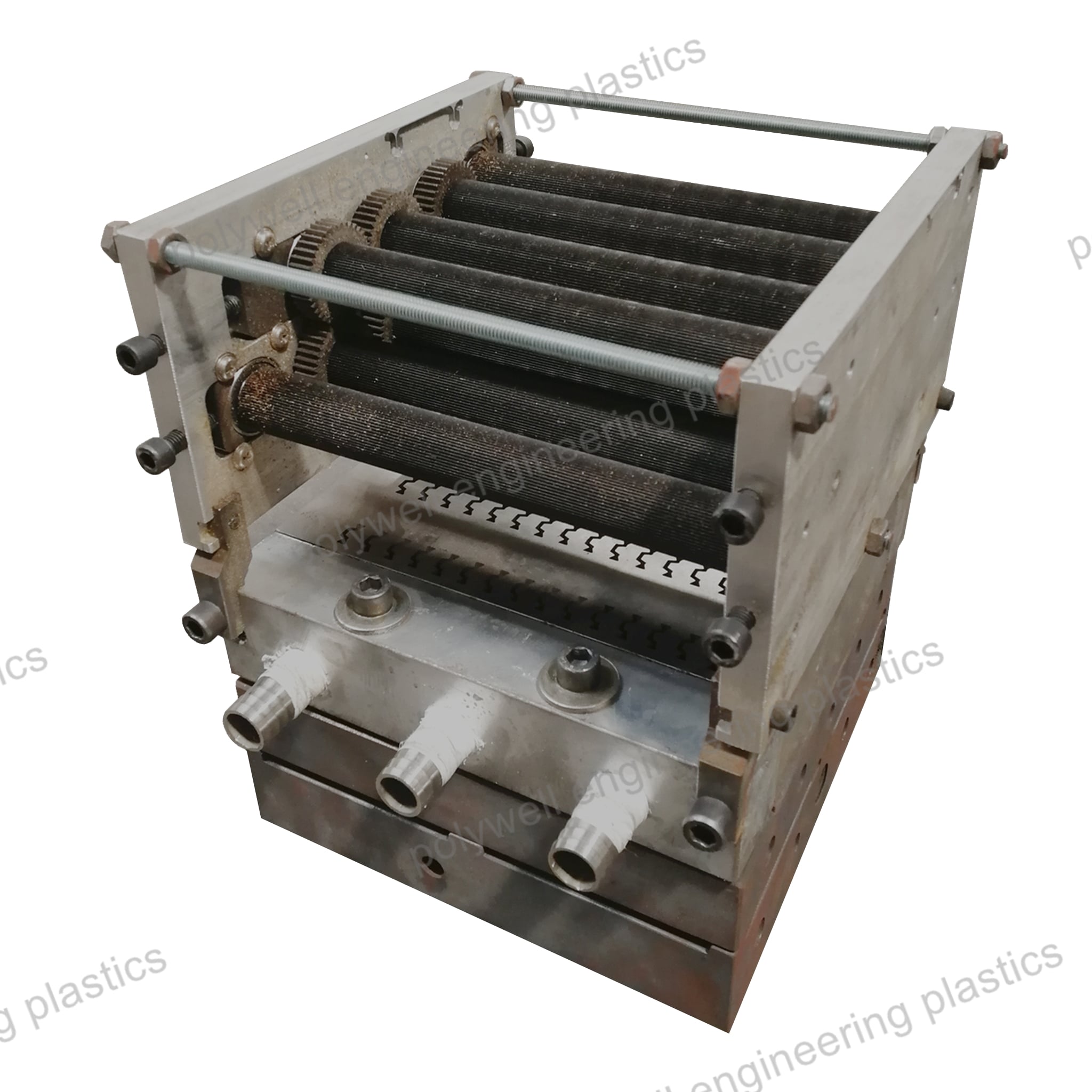
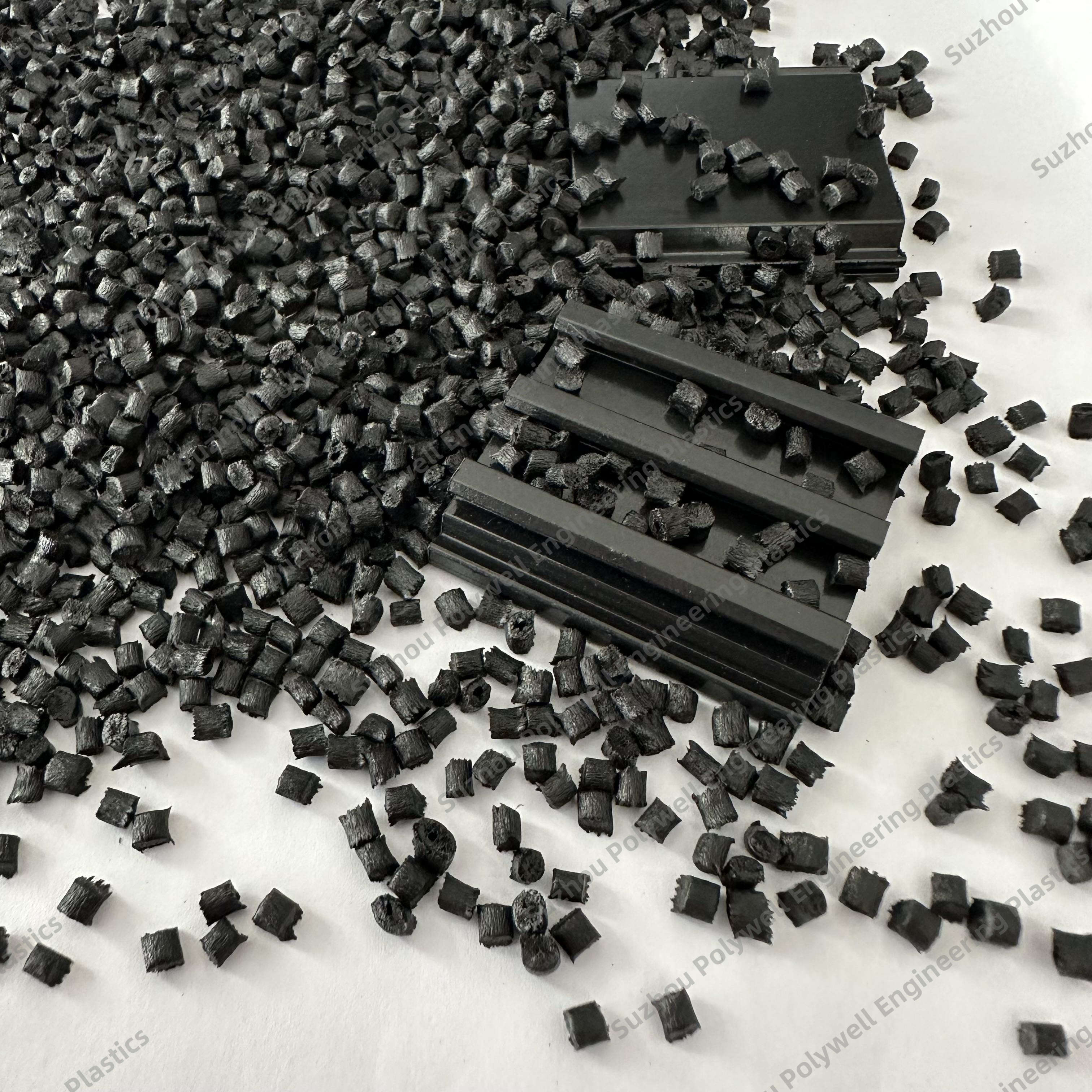
In the modern landscape of high-performance architecture, the efficiency of a building envelope is largely determined by its ability to manage thermal energy. A heat insulation system, when integrated into aluminum window and curtain wall profiles, acts as the invisible gatekeeper of a structure's internal climate. Aluminum, while prized for its durability and aesthetic versatility, is inherently conductive, making it a "thermal bridge" if not properly managed. Heat insulation systems—specifically those utilizing high-performance polyamide (PA66) thermal break strips—function as a physical barrier that decouples the exterior frame from the interior surface. This technology is the cornerstone of contemporary green building practices, transforming standard metal frames into sophisticated energy-management systems that significantly lower energy consumption for heating and cooling.
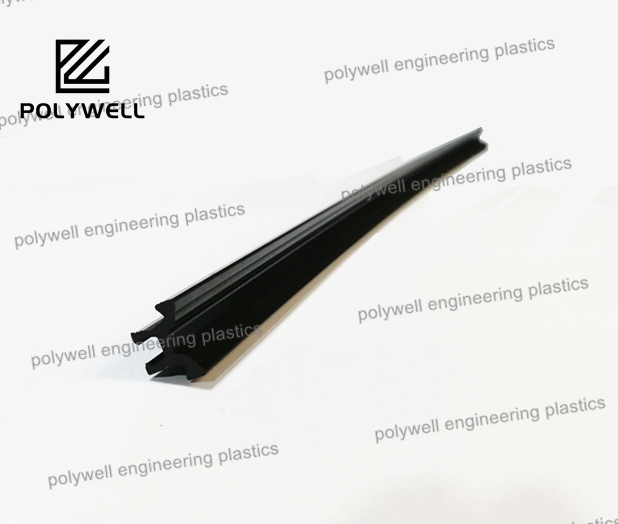
The primary function of a thermal insulation system is the effective breaking of the thermal bridge. In basic physical terms, heat naturally flows from areas of high temperature to low temperature, utilizing materials with high thermal conductivity as pathways. In a window system without a thermal break, the metal frame acts as a highway for thermal energy, allowing heat to escape during winter and enter during summer. By inserting a low-conductivity material like PA66 GF25 between the exterior and interior sections of an aluminum profile, the insulation system forces the heat to traverse a path with significantly higher resistance. This process drastically reduces the rate of heat transfer. When this barrier is engineered with precision—accounting for exact dimensions and structural load-bearing requirements—it ensures that the window system functions as a true insulator rather than a conduit for thermal waste.
Beyond the macro-level goal of energy conservation, heat insulation systems play a vital role in maintaining personal comfort within living and working spaces. One of the most common issues in non-insulated or poorly insulated window systems is the formation of condensation. When a cold internal frame surface meets warm, humid indoor air, moisture inevitably collects, leading to potential mold growth, damage to interior finishes, and compromised air quality. High-quality thermal break strips effectively maintain the interior surface temperature of the window frame at a level close to the ambient indoor temperature, effectively pushing the dew point outside the living space. By stabilizing these surface temperatures, the insulation system prevents condensation, eliminates drafty feeling near windows, and creates a much more consistent, pleasant environment for occupants throughout the seasons.
The implementation of robust heat insulation systems offers a clear and measurable economic return over the lifespan of a building. As global energy prices fluctuate and regulations regarding building energy efficiency become increasingly stringent, the commercial value of high-performance windows has never been higher. Buildings equipped with thermal break systems require significantly less energy to maintain a steady internal temperature, which translates directly to reduced utility bills and lower operational costs. Furthermore, the structural longevity of the window system is enhanced, as the thermal break prevents the frame from undergoing extreme expansion and contraction cycles that can fatigue joints and seals over time. Investing in high-grade insulation is a strategic decision that enhances the asset value of real estate, aligning property performance with the growing market demand for sustainable and cost-effective commercial and residential spaces.
Achieving the desired thermal performance relies entirely on the quality and precision of the insulation components used. Polywell has established a reputation for manufacturing excellence by focusing on the material science and dimensional accuracy of PA66 thermal break strips. By integrating advanced production processes and rigorous quality monitoring, Polywell ensures that every component supplied to the market meets the highest international standards for thermal resistance and structural integrity. The advantage of partnering with a manufacturer like Polywell extends beyond product quality; it encompasses a deep understanding of the global supply chain, allowing for the consistent delivery of high-volume, custom-engineered profiles tailored to specific architectural requirements. By ensuring that the foundational components of the thermal insulation system are built to last, Polywell empowers window manufacturers to deliver superior products that consistently exceed energy efficiency expectations.
As the construction industry shifts toward net-zero buildings and passive house standards, the role of thermal insulation systems will only grow in importance. The demand for materials that offer both mechanical strength and exceptional thermal performance is driving constant innovation. Future insulation systems will likely incorporate even more advanced material composites and smarter manufacturing techniques to further bridge the gap between architectural aesthetic and thermal efficiency. The commitment to engineering excellence and material innovation serves as the catalyst for these developments. With manufacturers like Polywell continuing to refine the intersection of extrusion technology and building science, the industry is well-positioned to meet the challenges of modern energy-conscious design. The integration of high-performance insulation is not just a regulatory necessity; it is a fundamental commitment to a more efficient, comfortable, and sustainable future for global architecture.
 Hot News
POLYWELL specializes in PA66 thermal insulation strips, offering polyamide granules, extruders, molds, winding machines, and comprehensive one-stop customization services.
Jinfeng Town, Zhangjiagang City, Suzhou City, Jiangsu Province, China
Copyright © 2024 Suzhou Polywell Engineering Plastics Co.,Ltd Privacy Policy

 EN
EN