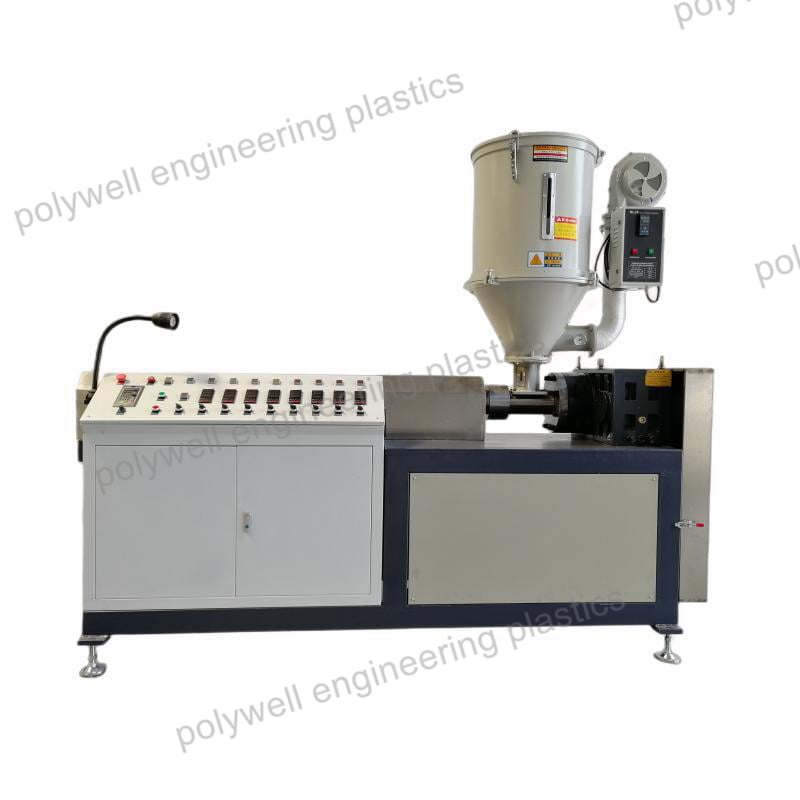
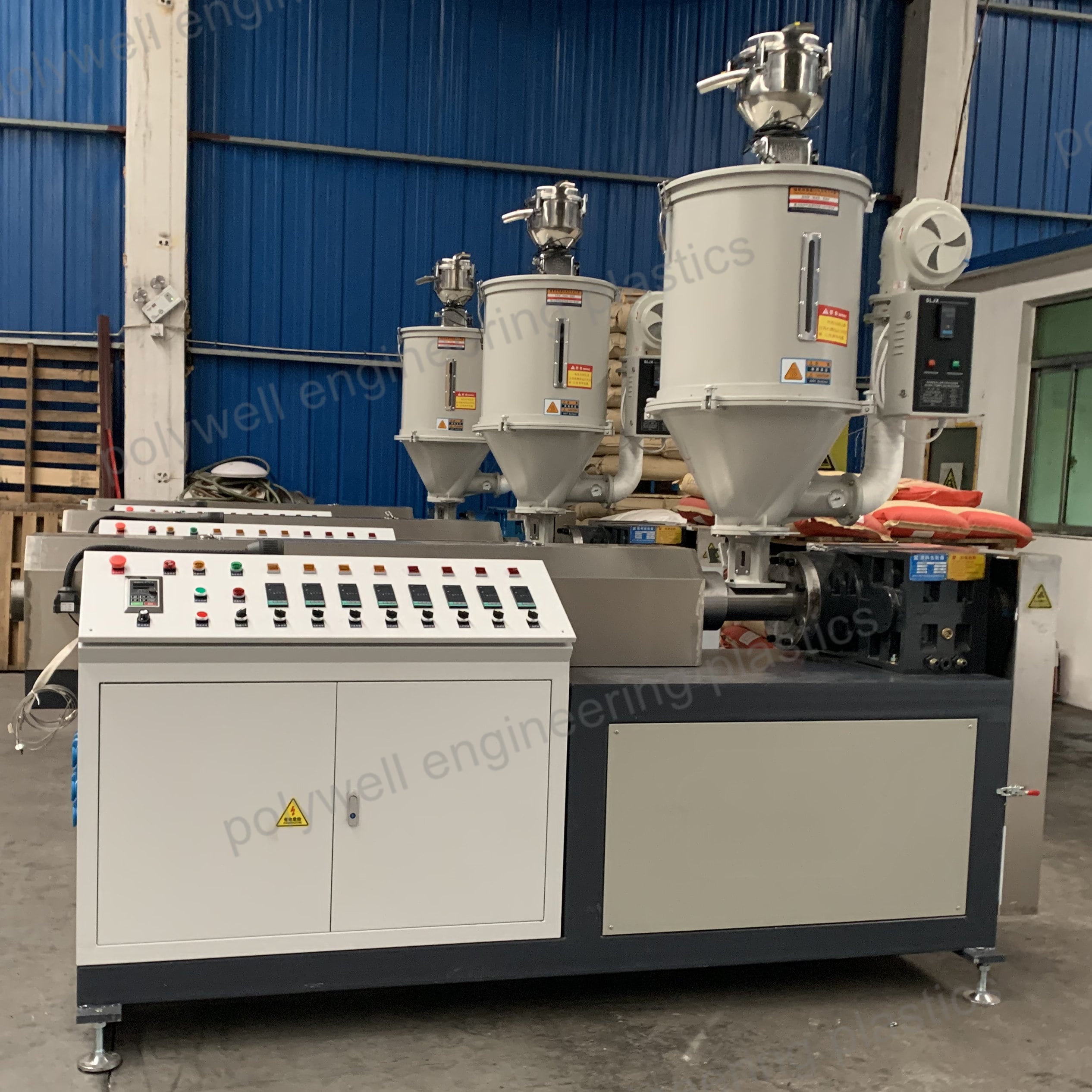
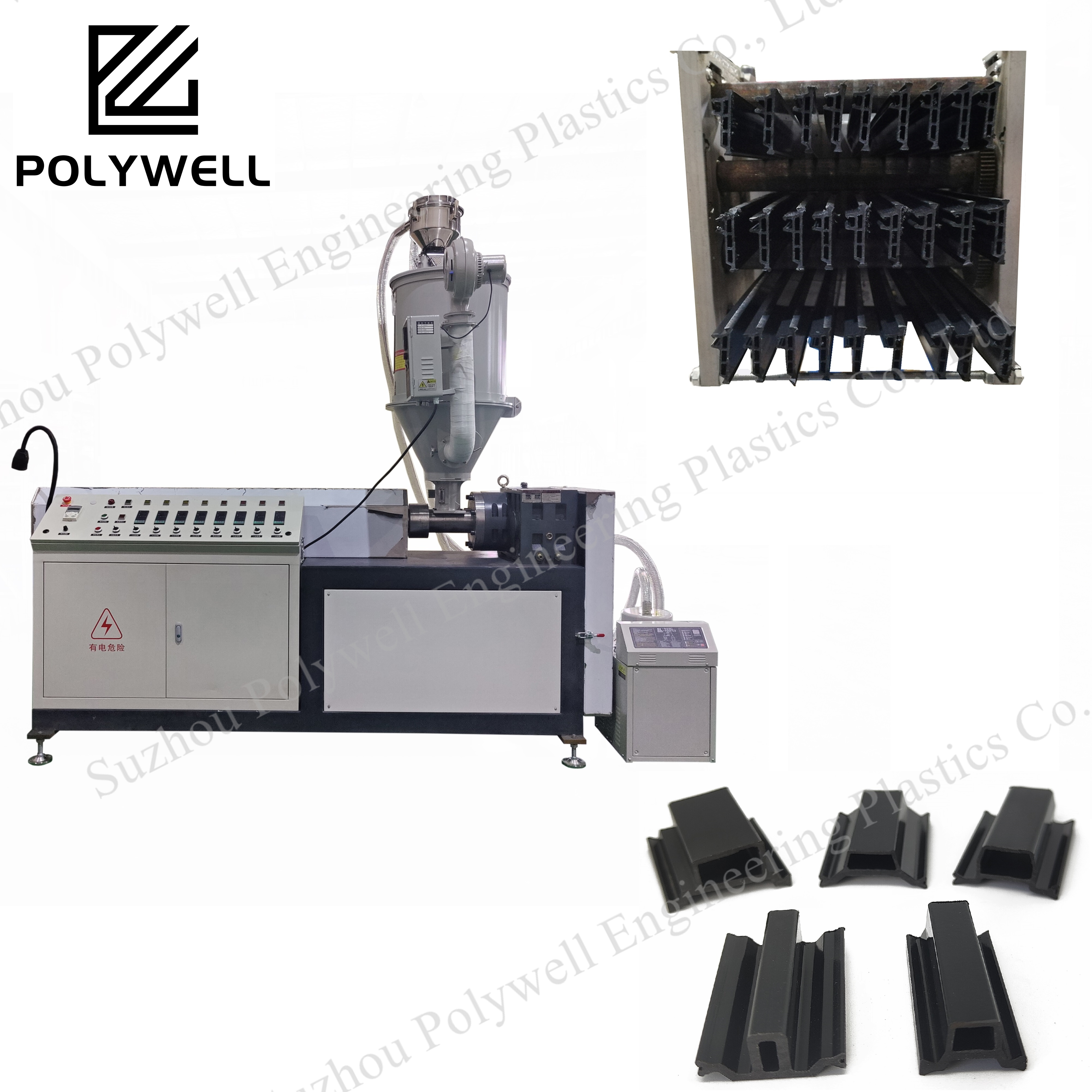
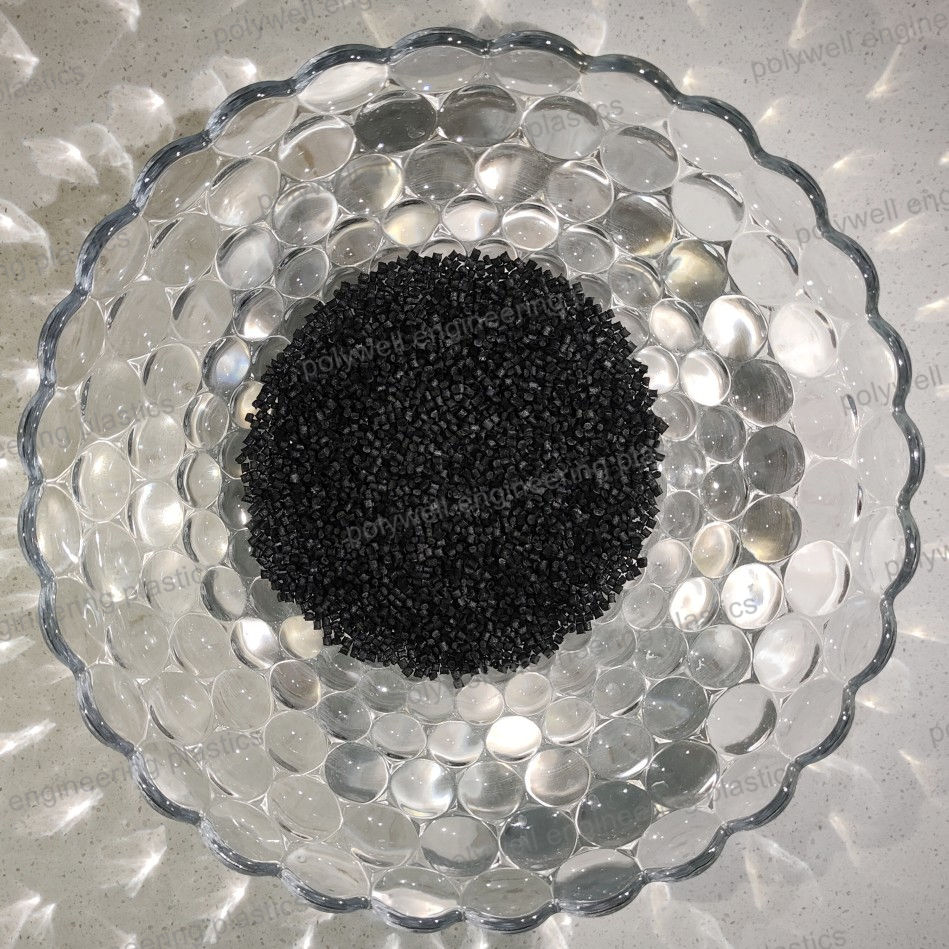
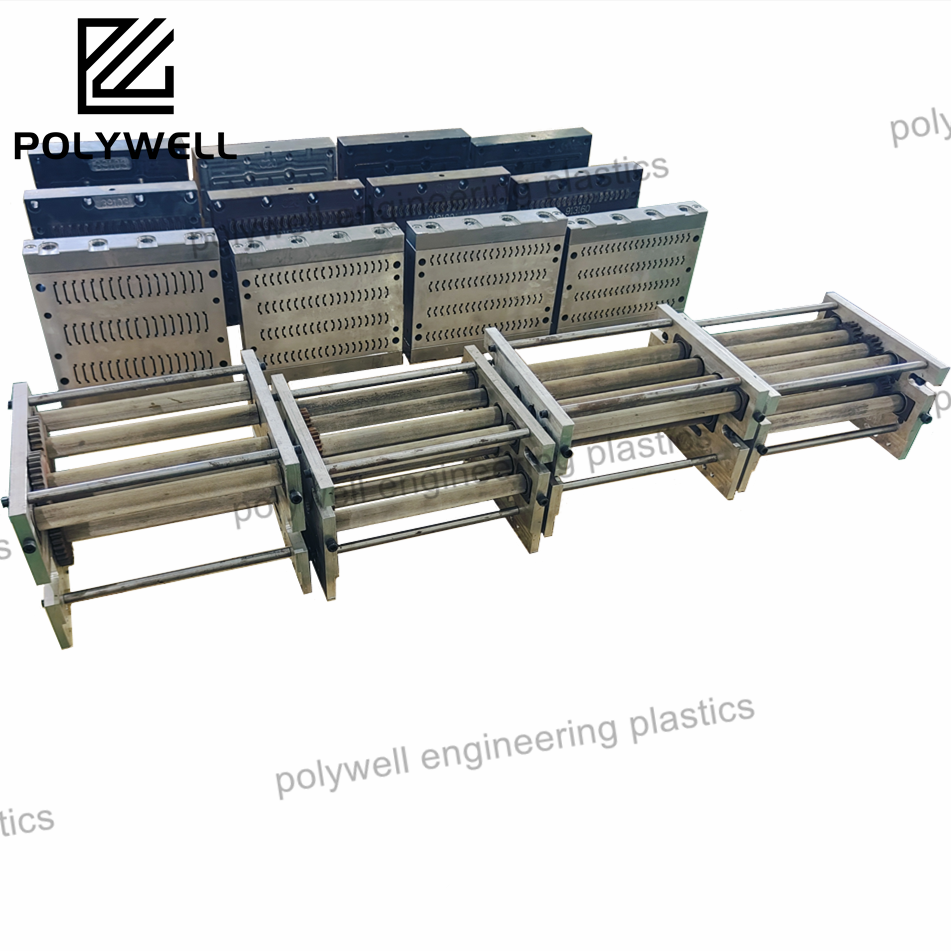
The single screw extruder remains the bedrock of the plastic processing industry, serving as the essential workhorse for producing high-quality profiles that define modern construction. In the context of architectural components, particularly the high-performance polyamide (PA66) thermal break strips used in aluminum window systems, the efficiency and reliability of the single screw extrusion process are non-negotiable. At its core, the extruder does more than simply melt material; it performs a complex task of converting raw polymer pellets into uniform, dimensionally accurate profiles that must survive decades of structural and environmental stress. Understanding how this machine functions reveals the high level of engineering precision required to manufacture components that truly insulate buildings and improve energy performance.
The magic of single screw extrusion happens within the barrel, where a rotating screw transports the plastic material through several critical zones. The process begins in the feed zone, where solid polymer pellets—often blended with glass fibers for added strength—are gravity-fed into the extruder. As the screw rotates, it pushes the material into the transition zone. Here, the combination of heater bands on the outside of the barrel and the mechanical shear generated by the screw’s flight geometry creates friction, turning solid pellets into a molten, homogenous mass. This is the stage where the material’s characteristics are truly set. A well-designed screw provides consistent shearing, ensuring that the glass fibers are distributed evenly throughout the polyamide matrix, which is vital for the mechanical integrity of the final strip.
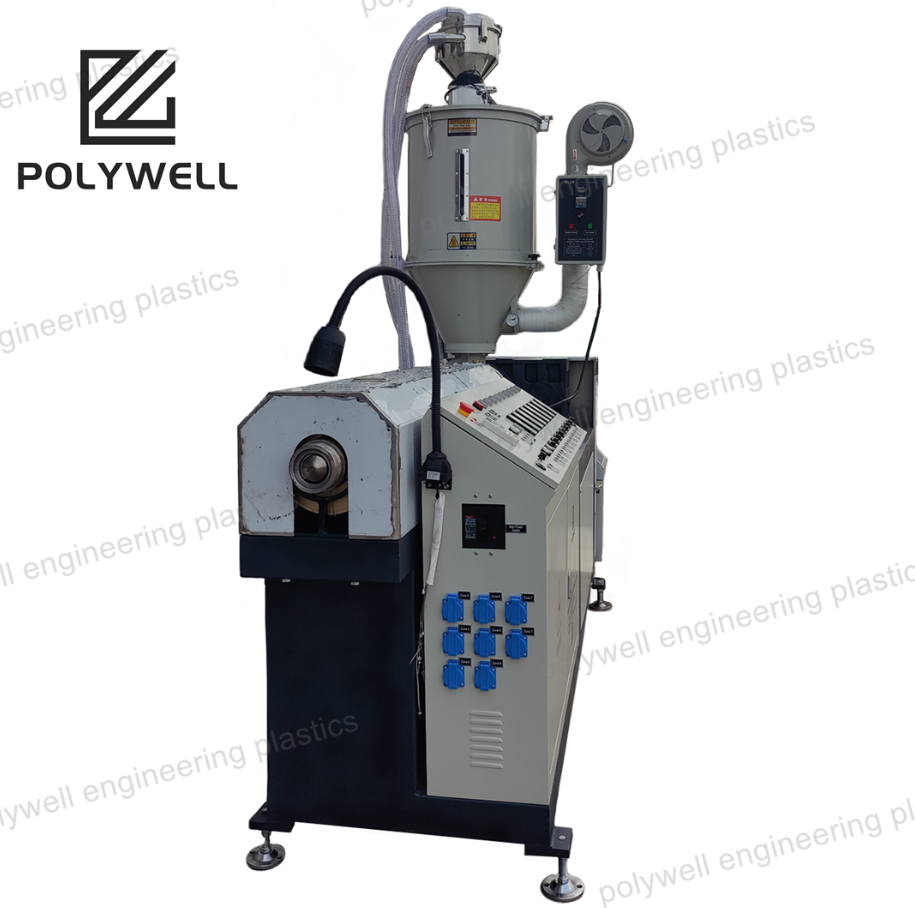
Managing the temperature during the extrusion of PA66 GF25 is an art that requires both technical precision and deep operational experience. Polymeric materials are highly sensitive to thermal degradation; if the temperature is too high, the material loses its structural properties, but if it is too low, the melt viscosity will not be uniform, leading to defects. Advanced single screw systems employ sophisticated multi-zone temperature controls, allowing for precise regulation from the feed section through to the die head. By maintaining a stable thermal profile, manufacturers ensure that the molten polymer maintains the optimal viscosity required for the die to shape it correctly. This stability is the key to preventing internal voids or surface imperfections that could compromise the physical performance of the thermal break when it is eventually inserted into an aluminum profile.
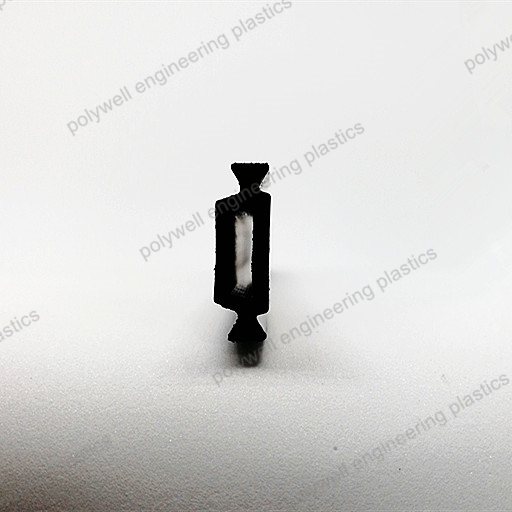
For window manufacturers, the quality of a thermal break strip is largely defined by its dimensional accuracy. A single screw extruder must maintain a constant pressure at the die to ensure the strip retains its exact cross-sectional geometry. Even minor fluctuations in pressure can result in variations in wall thickness or the alignment of the serrations designed to grip the aluminum frame. In the context of high-end curtain walls and window systems, such variations are unacceptable. When the extrusion process is finely tuned, it guarantees that every meter of the strip is a perfect match for the aluminum cavity. This level of consistency ensures that the thermal barrier is fully effective, effectively breaking the thermal bridge and preventing heat transfer—the primary goal of any energy-efficient window system.
The ability to operate a single screw extrusion line at high speeds without sacrificing quality is a significant differentiator in the global supply chain. For large-scale construction projects, the demand for timely, high-quality material delivery is constant. Manufacturers must balance the need for high output rates with the imperative of rigorous quality control. This is where the technical maturity of the extrusion process becomes evident. By integrating advanced automation and real-time monitoring of pressure and temperature, the entire production workflow becomes highly responsive. Polywell leverages this balance of technical expertise and manufacturing capacity to supply the building industry with thermal break strips that are not only high-performing but also consistently reliable, even when facing tight project deadlines and large-scale architectural requirements.
As the global architecture and construction industry moves toward more rigorous energy efficiency benchmarks, the role of precision-engineered components becomes increasingly central. The single screw extrusion process, while traditional in its roots, continues to evolve through the application of better materials, more sophisticated screw geometries, and smarter control systems. Every technical detail—from the way the screw conveys the melt to the precise calibration at the cooling stage—contributes to the longevity of the final window system. With industry leaders like Polywell prioritizing these engineering refinements, the future of the thermal break market is one where high performance and manufacturing excellence go hand in hand. By continuously pushing the boundaries of what is possible in polymer processing, the industry ensures that buildings remain comfortable, energy-efficient, and structurally sound for generations to come.
 Hot News
POLYWELL specializes in PA66 thermal insulation strips, offering polyamide granules, extruders, molds, winding machines, and comprehensive one-stop customization services.
Jinfeng Town, Zhangjiagang City, Suzhou City, Jiangsu Province, China
Copyright © 2024 Suzhou Polywell Engineering Plastics Co.,Ltd Privacy Policy

 EN
EN