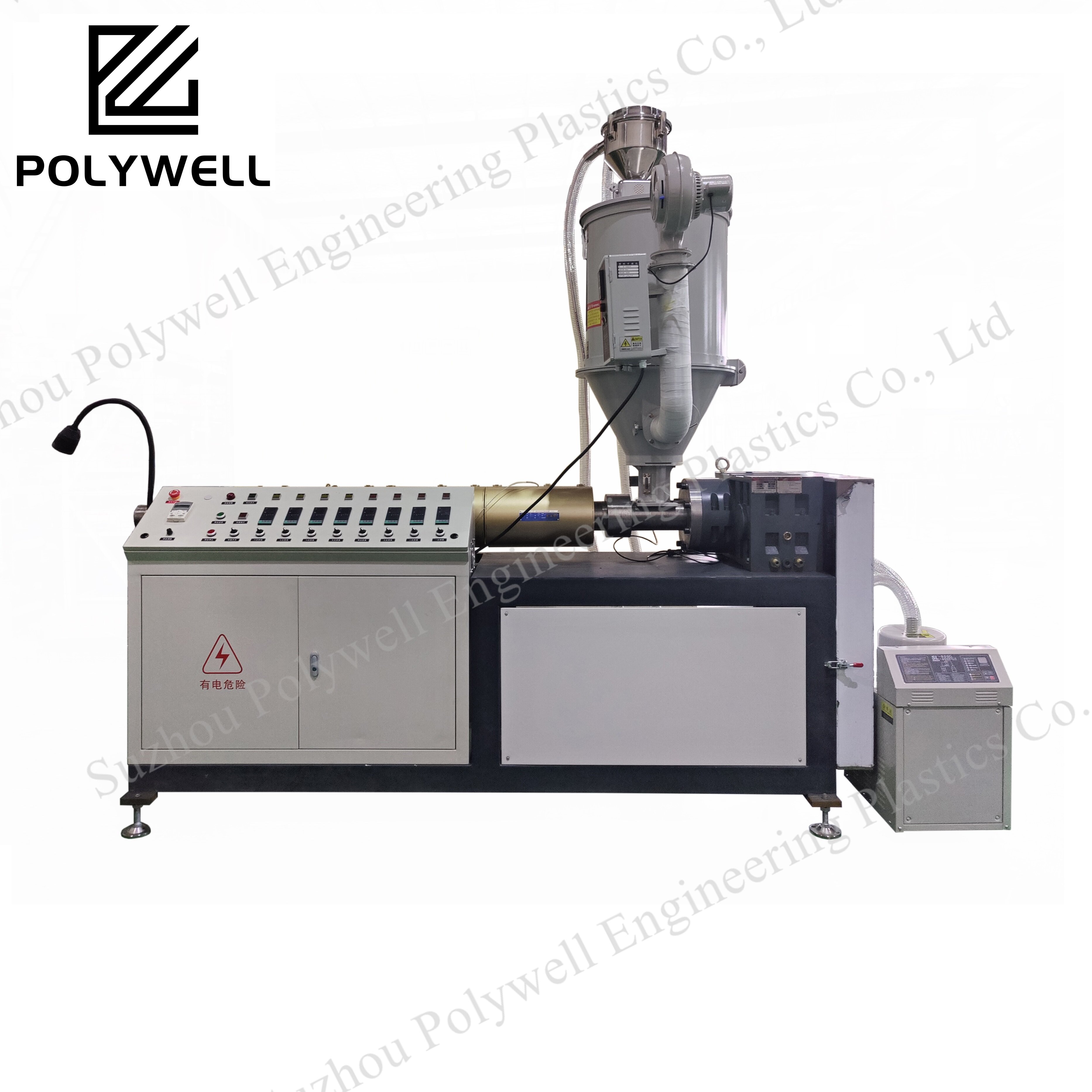
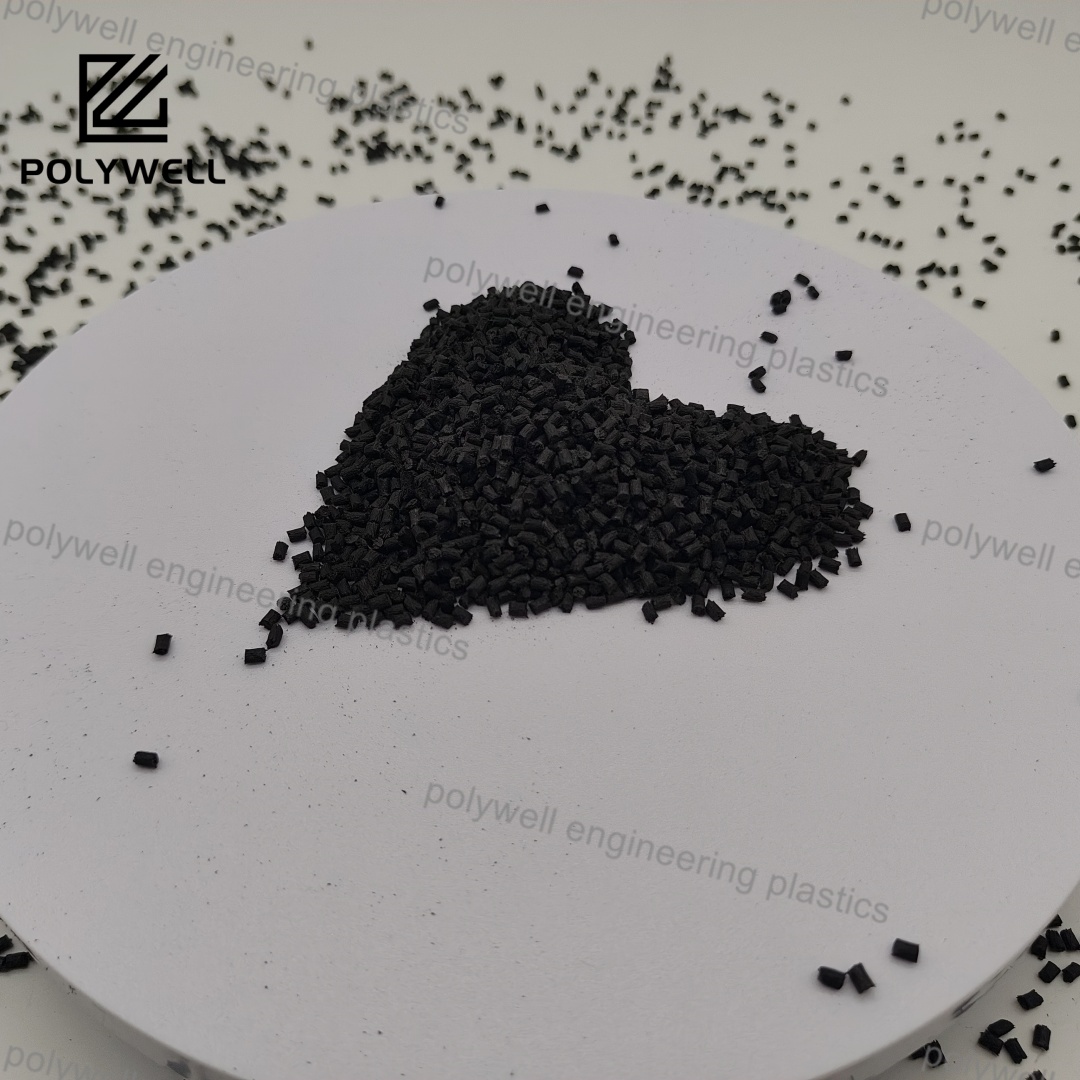
In the evolving field of sustainable construction, the goal of creating net-zero energy buildings has placed a spotlight on the building envelope. Among the various components that comprise a modern facade, the thermal break system stands out as a critical element. Aluminum, while revered for its immense strength, lightweight nature, and sleek aesthetic, possesses a high level of thermal conductivity. This characteristic makes the metal a prime candidate for "thermal bridging"—a phenomenon where heat flows uncontrollably through the structural frame, leading to massive energy loss. Implementing thermal break systems is no longer a design preference; it is a fundamental engineering requirement for any project aiming to achieve modern energy efficiency benchmarks.
Understanding the necessity of thermal breaks starts with recognizing the physical limitations of aluminum. When exposed to temperature differentials—such as the freezing cold air outside in winter and the heated interior of a building—the metal frame acts as a continuous conduit for heat transfer. This process bypasses any insulation within the wall structure, essentially rendering the window system a "thermal hole." Traditional aluminum profiles, lacking an internal separation, inevitably lead to high energy costs, as HVAC systems must work overtime to compensate for this constant heat leakage. Furthermore, this lack of insulation leads to significant surface temperature disparities, which are not only uncomfortable for occupants but also problematic for building integrity, as they often result in localized condensation.
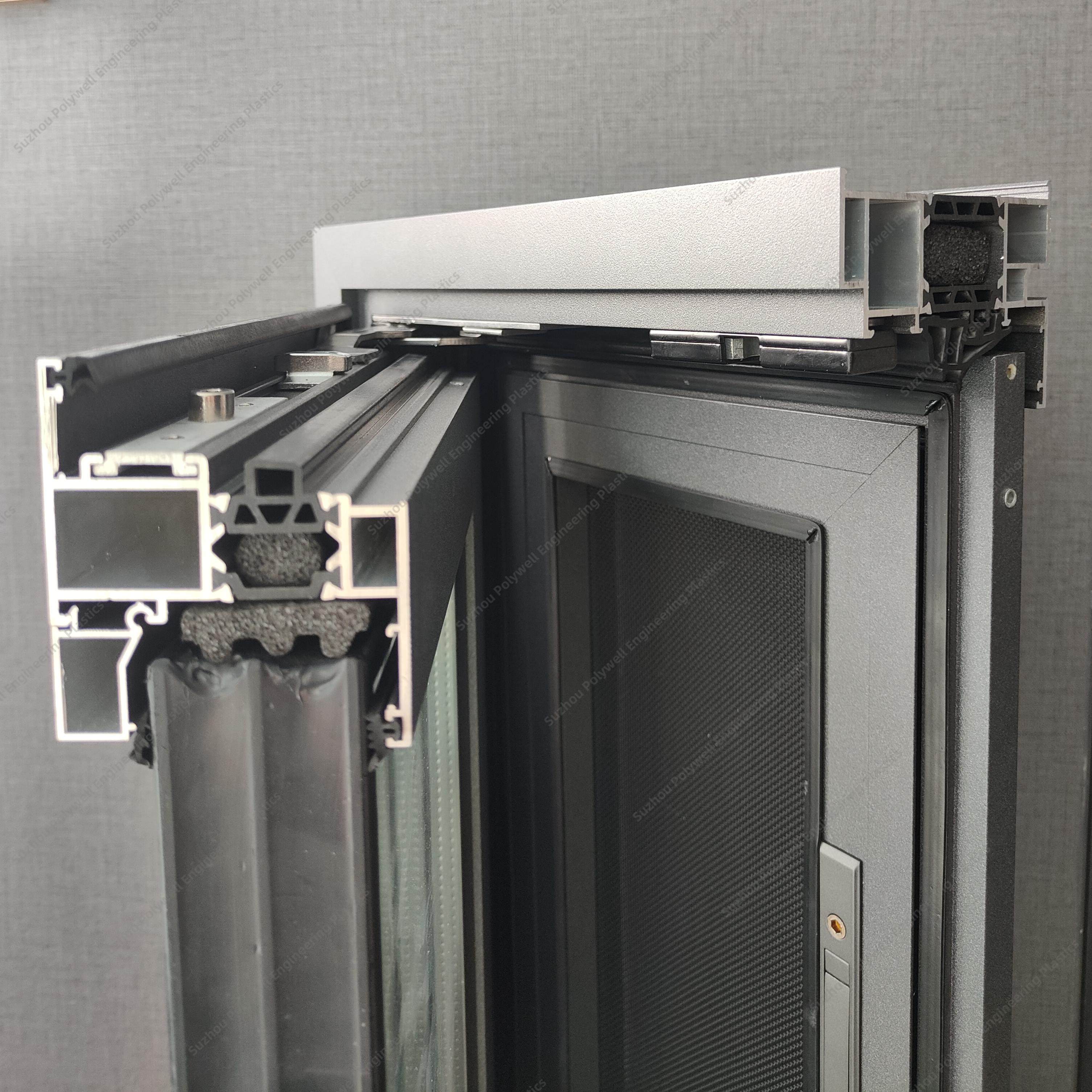
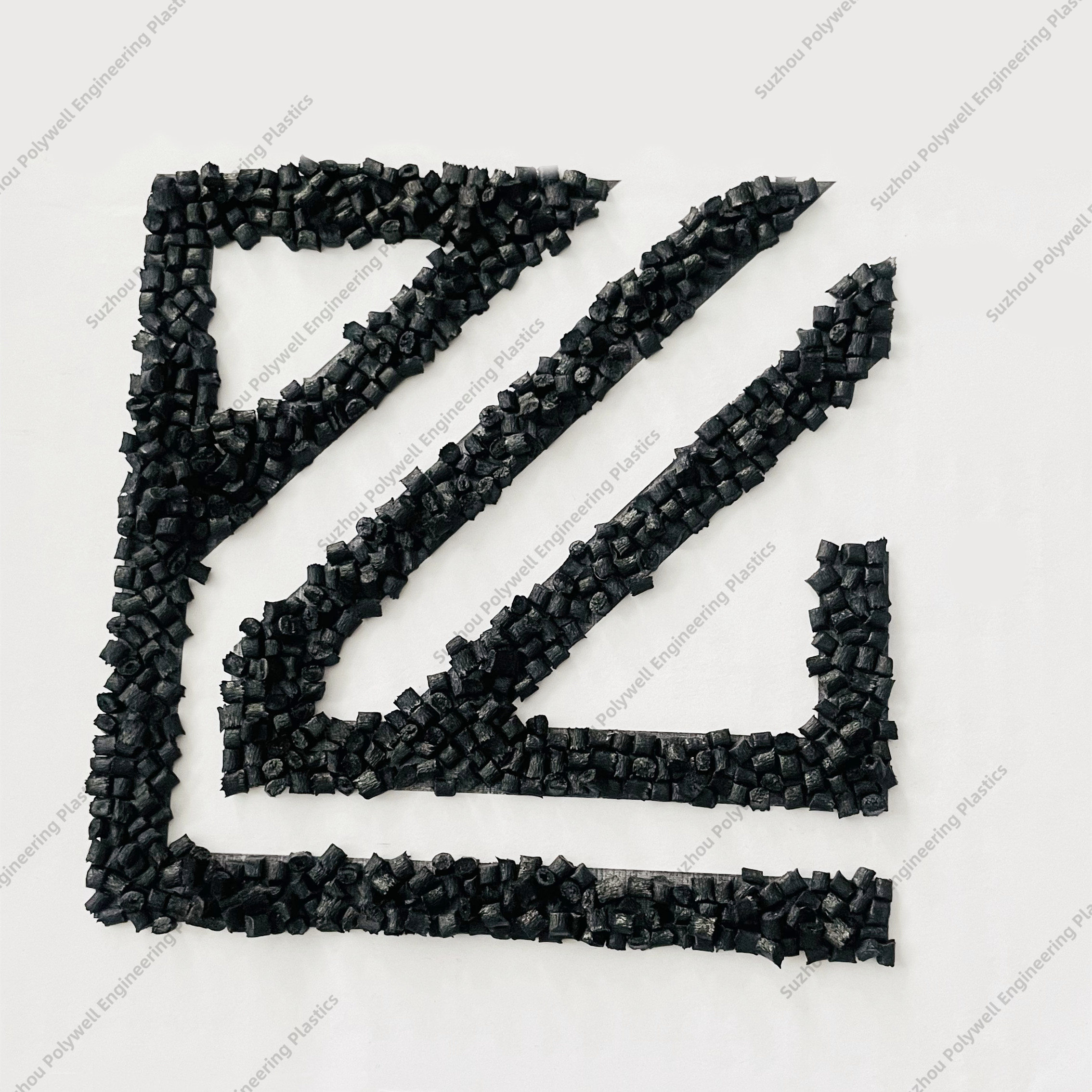
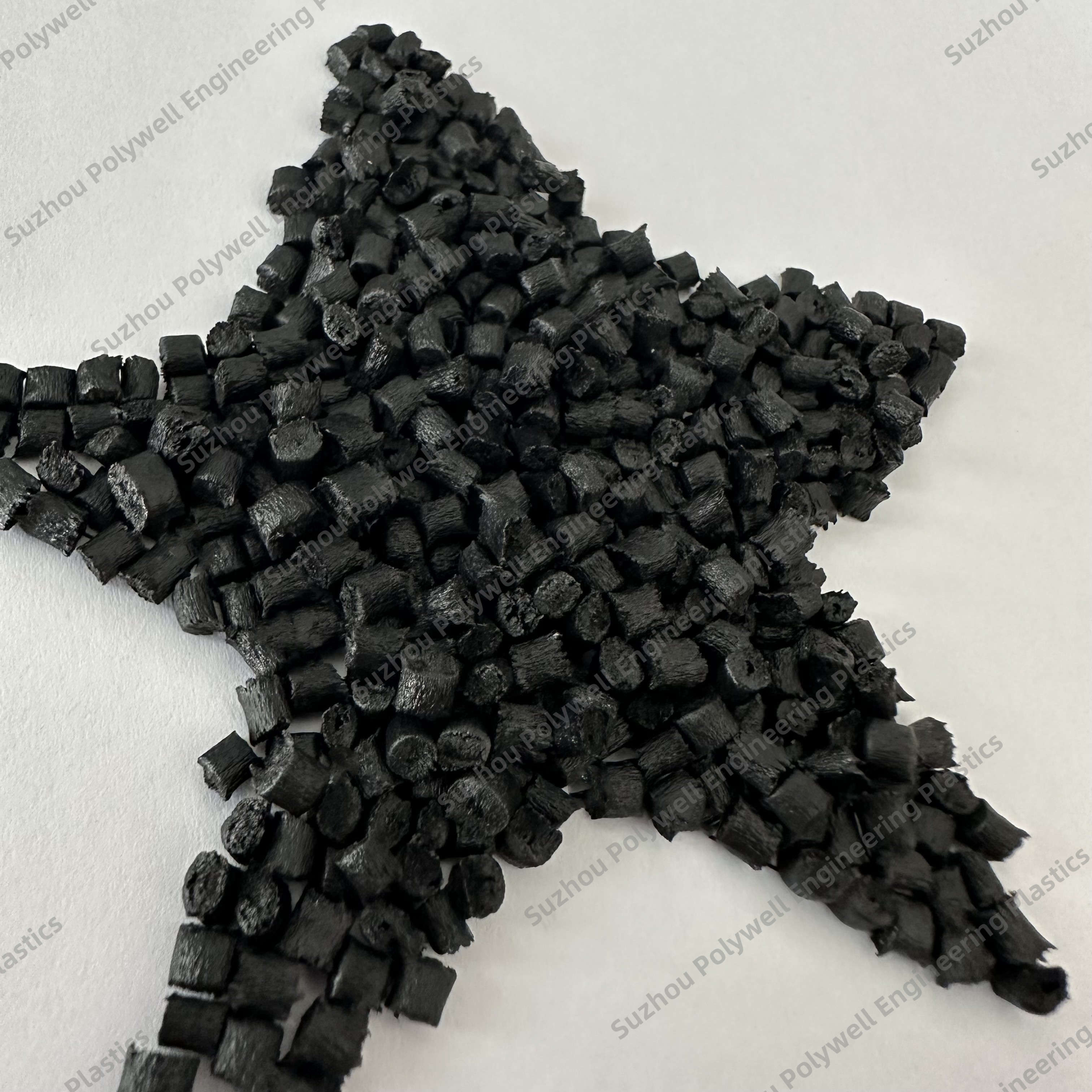
The solution lies in the strategic integration of a thermal break system, most effectively realized through the use of PA66 GF25 polyamide strips. These strips serve as a robust, low-conductive barrier, physically separating the exterior and interior sections of the aluminum profile. By creating this disconnect, the thermal break effectively stops the conduction process. The technical design of these strips—often featuring complex shapes and precise serrations—ensures that they can be locked securely into aluminum channels during the assembly process. Once installed, these polyamide barriers act as a high-performance resistor against thermal energy, ensuring that the interior of the window remains at a comfortable temperature regardless of the external conditions. This process effectively lowers the U-value of the entire window assembly, which is the gold standard for measuring insulating performance.
Beyond the immediate comfort of building occupants, the utilization of thermal break technology yields profound long-term benefits for the environment and the economy. From a sustainability perspective, reducing energy consumption is the most direct way to lower the carbon footprint of a building. Less energy required for heating and cooling means lower greenhouse gas emissions over the structure’s entire lifespan. Economically, the shift toward higher-efficiency window systems provides a significant return on investment. As building energy regulations grow more stringent globally, properties that fail to meet these standards face rapid obsolescence. Conversely, structures equipped with high-performance thermal insulation enjoy increased asset value, lower utility expenditures, and enhanced marketability, proving that sustainable building choices are also sound business decisions.
Achieving the desired level of energy efficiency is entirely dependent on the quality of the thermal break strips employed. Polywell recognizes that the engineering behind these insulating components is just as vital as the architectural design of the window itself. By utilizing advanced, high-precision extrusion processes, Polywell ensures that every strip supplied to the industry possesses the exact structural integrity, dimensional accuracy, and material consistency required for high-performance applications. The expertise within Polywell extends beyond simple production; it encompasses an in-depth understanding of polymer science and window assembly dynamics. This allows for the supply of tailored solutions that fit seamlessly into a diverse range of window and curtain wall systems, regardless of the project's scale or complexity. With a dedicated focus on manufacturing reliability and consistent supply chain management, Polywell provides the peace of mind that global architects and window manufacturers require.
As the construction sector continues to push toward more innovative and energy-conscious designs, the role of high-quality thermal break systems will continue to grow in importance. The demand for materials that can withstand rigorous environmental stress while maintaining optimal thermal performance is driving constant innovation in the field. Future developments will likely involve even more specialized material composites and smarter engineering designs to further push the boundaries of thermal efficiency. The commitment to quality and precision remains the key to this evolution. By prioritizing high-performance insulating solutions, the industry is setting a new standard for what defines an efficient, comfortable, and sustainable building, ensuring that architectural beauty and environmental responsibility continue to advance in tandem.
 Hot News
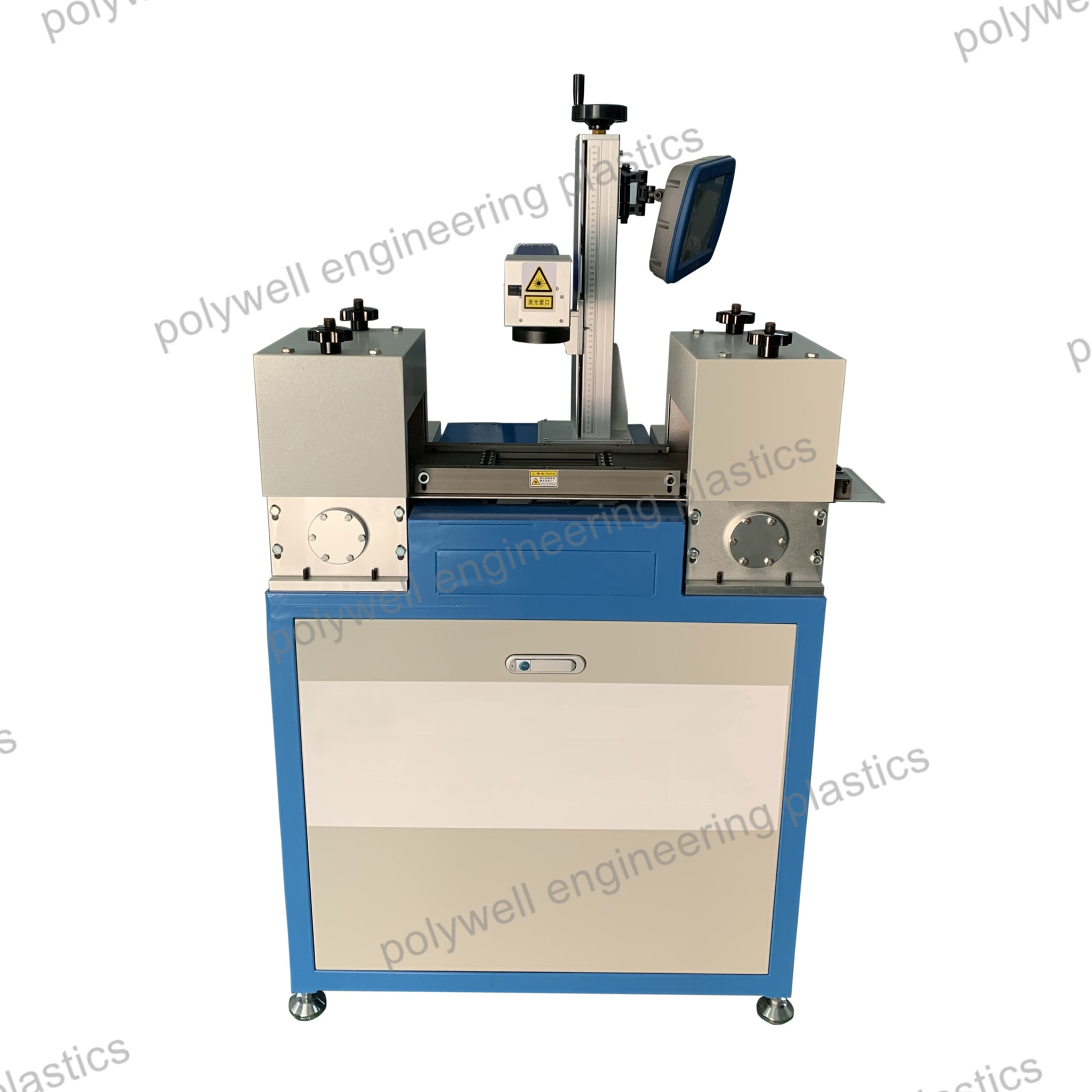
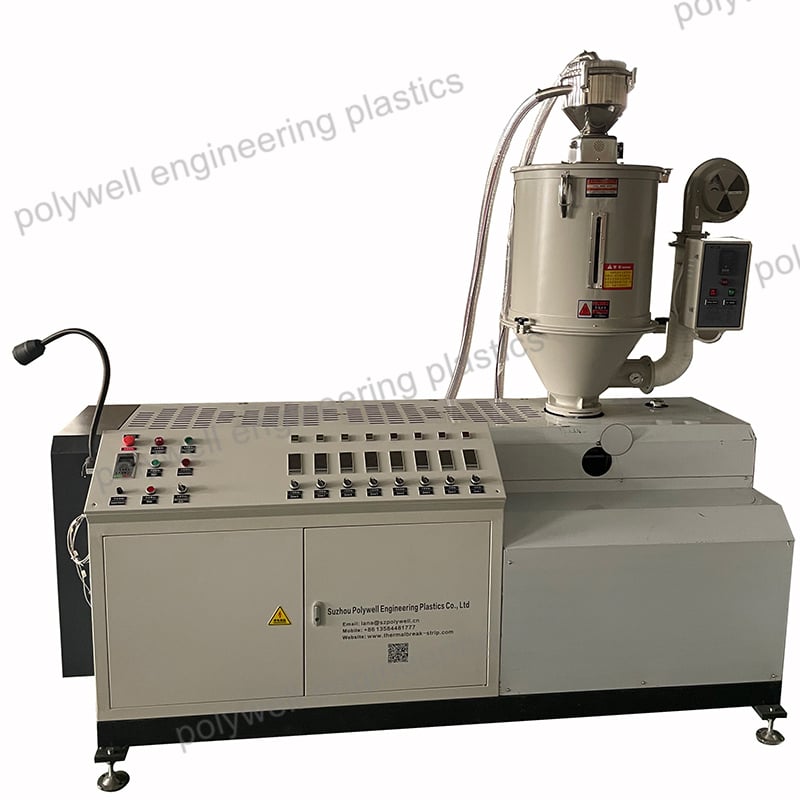
POLYWELL specializes in PA66 thermal insulation strips, offering polyamide granules, extruders, molds, winding machines, and comprehensive one-stop customization services.
Jinfeng Town, Zhangjiagang City, Suzhou City, Jiangsu Province, China
Copyright © 2024 Suzhou Polywell Engineering Plastics Co.,Ltd Privacy Policy

 EN
EN