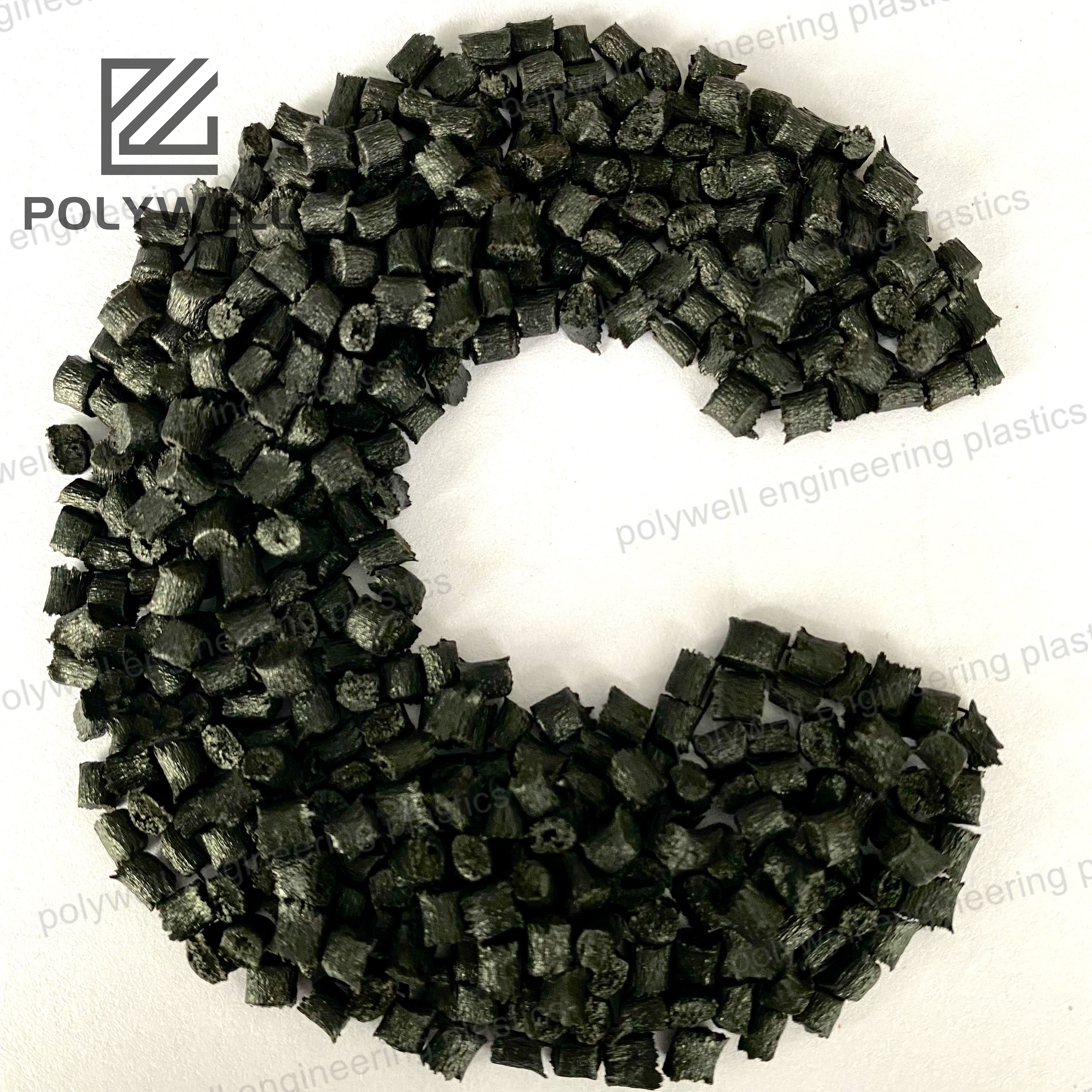
Polyamide Synthetic Materials for Thermal Break Strips | PA66 Solutions

All Categories

Polyamide Synthetic: Man Made Polymer for Diverse Industrial & Consumer Uses

This page explores polyamide synthetic, a man made (synthetic) polymer known for its durability, flexibility, and chemical resistance. It explains the synthetic production process—polymerization of monomers like caprolactam (for PA6) or hexamethylenediamine/adipic acid (for PA66)—and the resulting material properties (wear resistance, high tensile strength, good thermal stability). The content covers major synthetic polyamide types (PA6, PA66, PA12) and their respective applications: PA6 for textiles and injection molded parts, PA66 for high temperature automotive components, and PA12 for medical devices. It also contrasts synthetic polyamides with natural alternatives, emphasizing their consistency and scalability for mass production. This resource serves engineers, material scientists, and buyers seeking to understand synthetic polyamide’s role in modern manufacturing.
Get A Quote

Advantages of the product

Customization for Specific Application Needs

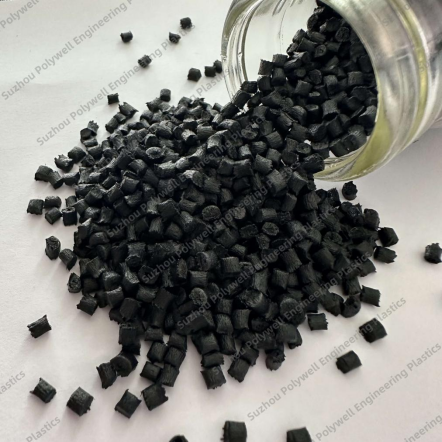
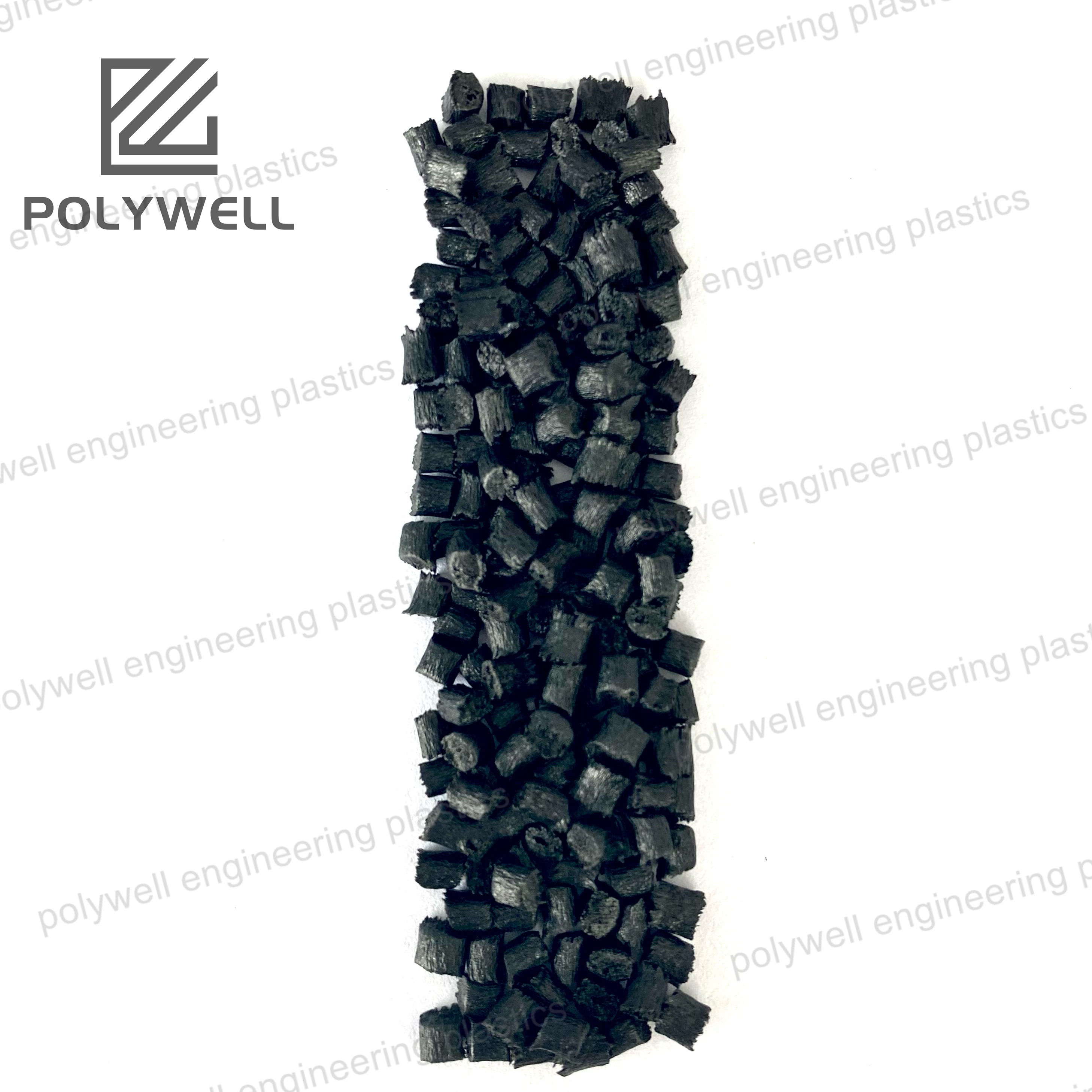
Recognizing that different projects have unique requirements, we offer customized polyamide material formulations. We can adjust properties such as glass fiber content, additive packages, and color to achieve specific performance targets like enhanced load bearing capacity, specific fire ratings, or color matching for aesthetic integration. This flexibility ensures that the thermal break strip perfectly suits the end product, providing an optimized solution for our clients.

Related products

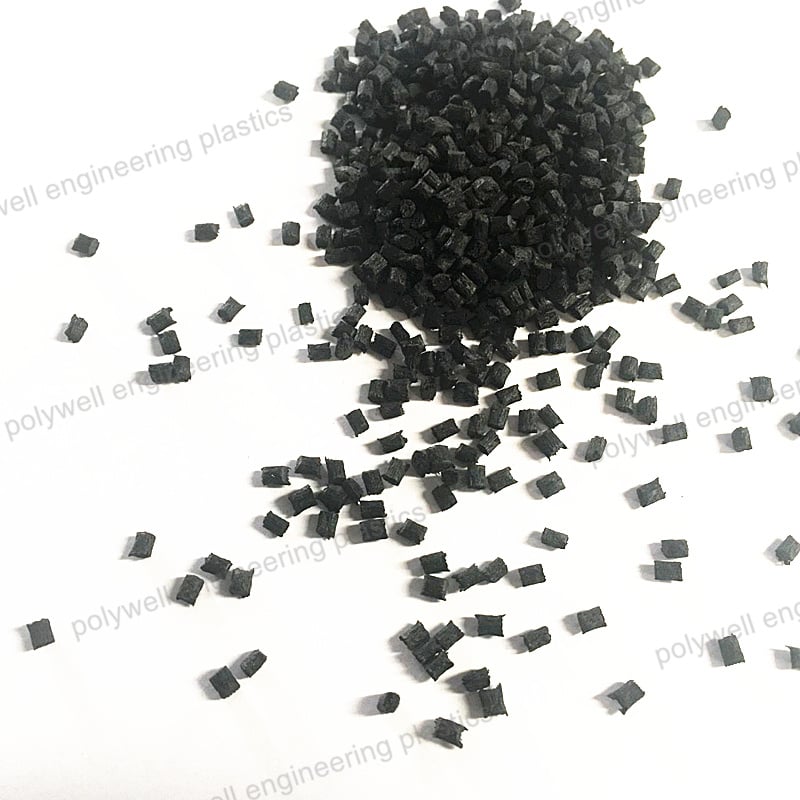
Polyamide synthetic polymers, commercially known as Nylon, represent a family of high-performance thermoplastics characterized by the presence of recurring amide groups (-CO-NH-) in their molecular backbone. This amide group is responsible for strong intermolecular hydrogen bonding, which confers key properties such as high mechanical strength, toughness, and a relatively high melting point. The two primary commercial types are Polyamide 6 (Nylon 6), produced via the ring-opening polymerization of caprolactam, and Polyamide 66 (Nylon 66), synthesized through the polycondensation of hexamethylenediamine and adipic acid. The numerical suffix denotes the number of carbon atoms in the originating diamines and dibasic acids. This structural difference gives PA66 a higher melting point and better thermal properties, while PA6 generally offers better impact resistance and processability. Beyond these, other important variants include PA 11 and PA 12 (derived from renewable castor oil), known for their flexibility and low moisture absorption, and semi-aromatic polyamides (PPA) which offer even higher thermal and chemical resistance. The fundamental characteristics of all polyamides include excellent abrasion resistance, good chemical resistance to hydrocarbons and oils, and a low coefficient of friction. A defining trait is their hygroscopic nature; they absorb moisture from the atmosphere, which acts as a plasticizer, increasing toughness and impact strength but reducing stiffness and dimensional stability. This moisture sensitivity necessitates careful drying before melt processing. Their synthesis and versatile properties have made polyamides indispensable in a myriad of applications, from fibers and textiles to engineering components in automotive, electronics, and consumer goods.

Frequently Asked Questions

Why is polyamide a better choice than other polymers for thermal breaks?

Polyamide, especially PA66, is superior due to its exceptional balance of properties crucial for thermal breaks. It maintains high strength and rigidity over a wide temperature range, offers excellent resistance to creep under long term load, and has a high melting point for dimensional stability. Its low thermal conductivity and proven durability in harsh environments make it the industry preferred material over alternatives like PVC or PP.

Related Articles

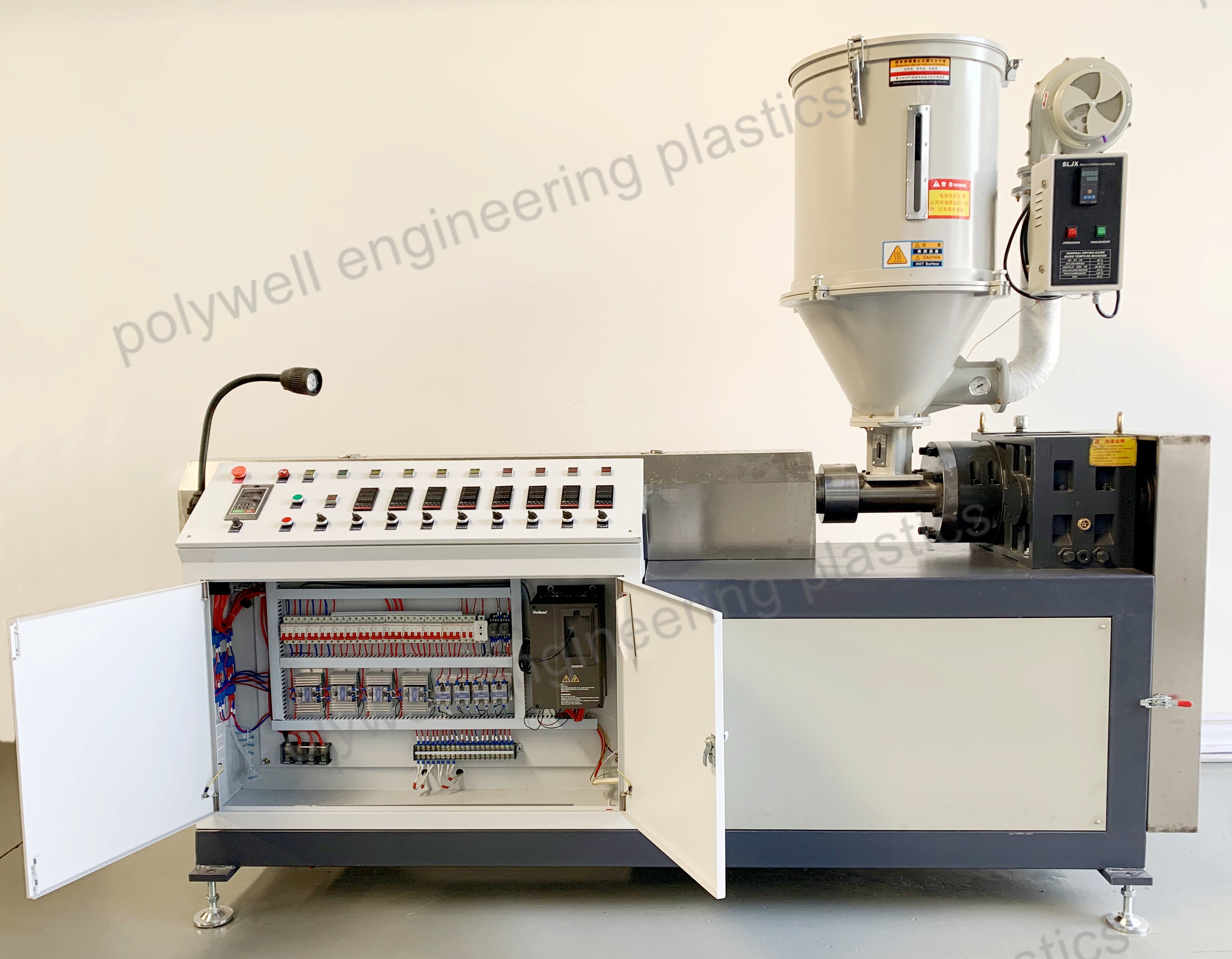
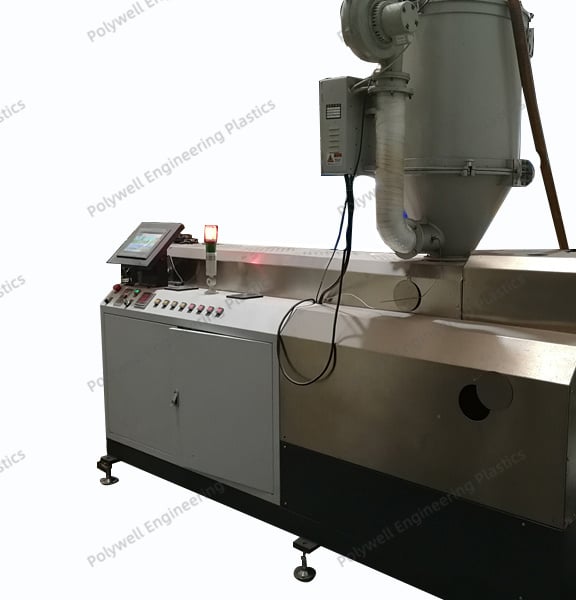
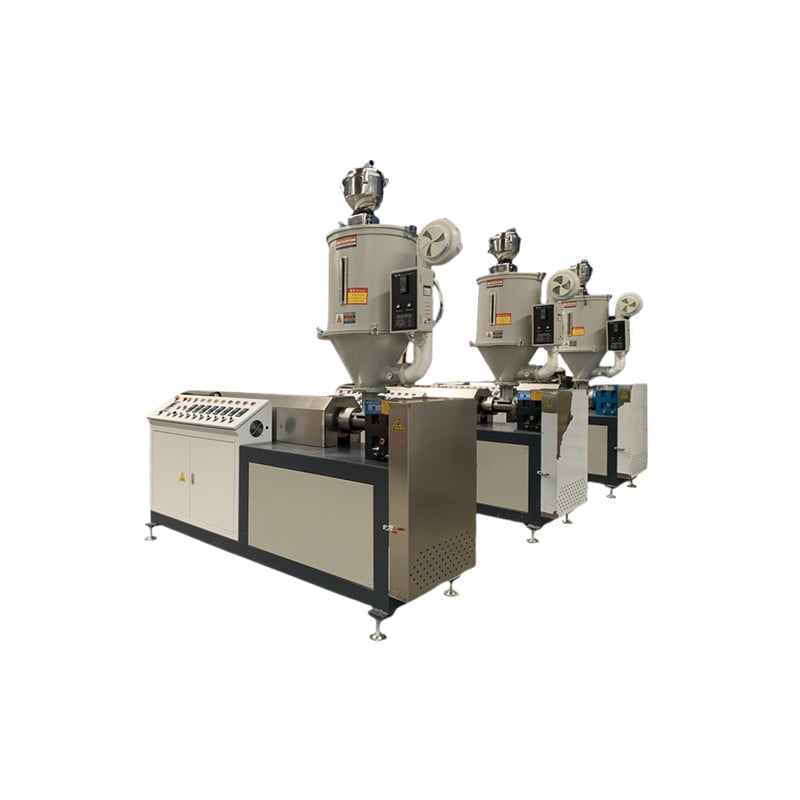
Provide PA66 thermal break strip production technology

30

Dec

Provide PA66 thermal break strip production technology

POLYWELL offers cutting-edge production technology for PA66 thermal break strips, ensuring high efficiency, durability, and precision in every profile. Improve your extrusion process with our expert solutions.
View More
Why you need one stop service (overall solutions)

30

Dec

Why you need one stop service (overall solutions)

Discover why POLYWELL’s one-stop service is essential for your plastic extrusion projects. From raw material selection to final production, we provide comprehensive support for thermal break strips and custom profiles.
View More
Key Aspects to Consider When Maintaining a Single Screw Extruder

28

Jul

Key Aspects to Consider When Maintaining a Single Screw Extruder

Discover essential routine cleaning procedures for plastic molding, focusing on removing residual polymers, preventing material contamination, and optimizing temperature control. Enhance efficiency in plastic extrusion processes by addressing key maintenance and quality assurance measures.
View More
How to Ensure Quality of PA66GF25 Granules in Thermal Break Strip Production

17

Sep

How to Ensure Quality of PA66GF25 Granules in Thermal Break Strip Production

Struggling with inconsistent thermal break performance? Discover how moisture control, extrusion optimization, and batch testing ensure PA66GF25 quality. Get the full expert guide now.
View More

customer evaluation

Theo

This material is formulated for smooth extrusion. We experience stable melt flow, minimal degradation, and consistent surface finish, which reduces our scrap rate. The compatibility with our existing line was seamless, and the technical support during transition was top notch.

Get a Free Quote

Our representative will contact you soon.
Email
Name
Company Name
Message
0/1000
Expert Material Formulation Since 2006

Expert Material Formulation Since 2006

Our polyamide material is the product of continuous research and development since 2006 specifically for thermal break applications This extensive expertise allows us to engineer materials with an optimal balance of very low thermal conductivity for superior insulation and high mechanical strength to support structural loads The material is also formulated for excellent resistance to weathering UV exposure and corrosion ensuring long term performance and reliability in diverse climatic conditions and contributing to durable energy efficient building envelopes
Superior Mechanical and Thermal Properties

Superior Mechanical and Thermal Properties

We engineer our polyamide material to excel in critical performance areas essential for thermal breaks It maintains high strength and rigidity across a wide temperature range ensuring the structural integrity of window and door profiles under various environmental stresses The inherently low thermal conductivity forms the core of its heat insulation capability effectively reducing energy loss Furthermore the material offers excellent resistance to creep under long term load guaranteeing lasting performance
Customization for Specific Application Needs

Customization for Specific Application Needs

We offer customized polyamide material formulations to meet unique project requirements We can adjust properties such as glass fiber content for enhanced load bearing capacity incorporate additives for specific fire ratings or UV stability and modify color for aesthetic purposes This flexibility ensures that the thermal break strip is perfectly suited for its intended application whether for standard windows large curtain walls or specialized architectural systems providing an optimized solution for every client
Inquiry Inquiry Email Email WhatsApp WhatsApp Wechat Wechat
Wechat
TopTop

Related Search