Die thermischen Vorteile von PA66 ergeben sich aus der Anordnung seiner Moleküle. Wenn während der Herstellung Hexamethylendiamin mit Adipinsäure, beide bestehend aus sechs Kohlenstoffeinheiten, reagiert, entsteht ein fast vollständig symmetrisches Polymergerüst. Diese regelmäßige Struktur ermöglicht stärkere Wasserstoffbrückenbindungen zwischen den Amidgruppen im Vergleich zu PA6. Genau das macht den Unterschied bei der Wärmebeständigkeit aus. Der Schmelzpunkt von PA66 liegt bei etwa 260 Grad Celsius, das sind rund 40 Grad mehr als bei PA6, das bei 220 °C zu schmelzen beginnt. Labortests bestätigen dies und zeigen, dass diese geordnete Struktur die molekulare Bewegung bei steigenden Temperaturen tatsächlich verlangsamt, sodass das Material auch unter starker thermischer Belastung stabiler bleibt.
PA66 erreicht eine Kristallinität von 50–60 % – fast doppelt so hoch wie die typische Kristallinität von PA6 mit 20–30 % – aufgrund einer dichteren molekularen Packung. Drei miteinander verbundene Faktoren liegen der überlegenen thermischen Stabilität zugrunde:
Nach Polymer Science Journal (2023) behält PA66 85 % seiner Zugfestigkeit bei Raumtemperatur bei 180 °C – 30 Prozentpunkte mehr als PA6. Diese durch Kristallinität bedingte Festigkeitsretention ist entscheidend für Wärmebarrieren, die langfristiger Wärmebelastung ausgesetzt sind.
PA66 hat einen Schmelzpunkt zwischen 260 und 265 Grad Celsius, was ihm gegenüber PA6, das bei etwa 220 bis 225 Grad schmilzt, einen erheblichen Vorteil verschafft. Diese Differenz von 40 Grad spielt eine große Rolle, wenn Materialien Wärme ausgesetzt sind. PA66 behält seine Form und Festigkeit auch in der Nähe von heißen Stellen wie Verbrennungskammern oder Abgaskrümmer, wo die Temperaturen regelmäßig über 200 Grad liegen. Bei solchen Temperaturen verliert PA6 schnell an Steifigkeit, wodurch Bauteile stärker verformungsanfällig werden als solche aus PA66. Tests zeigen, dass unter diesen Bedingungen das Verformungsrisiko für PA6 um bis zu 70 % steigen kann. Worin liegt die bessere Hochtemperaturleistung von PA66 begründet? Seine molekulare Struktur weist symmetrische Amidgruppen auf, die stärkere Wasserstoffbrückenbindungen ermöglichen und gleichzeitig die Beweglichkeit der Polymerketten einschränken. Dies trägt dazu bei, dass Dichtungen zwischen Bauteilen erhalten bleiben und elektrische Eigenschaften stabil bleiben. Ingenieure, die an Automobil- oder Industriesystemen arbeiten, müssen diese Unterschiede ernst nehmen, da die Verhinderung unerwarteter Ausfälle durch Überhitzung für Sicherheit und Zuverlässigkeit in vielen Anwendungen entscheidend ist.
Die Wärmeverformungstemperatur (HDT) misst die Lasttragfähigkeit unter Hitze – ein wichtiger Indikator für die Zuverlässigkeit einer thermischen Barriere. PA66 weist eine HDT von 200–220 °C bei 1,82 MPa auf und übertrifft damit PA6 um 20–30 °C. Dieser Vorteil schlägt sich direkt in der langfristigen mechanischen Festigkeit unter anspruchsvollen Bedingungen nieder:
| Eigentum | PA66 Leistung | PA6 Leistung | Leistungsunterschied |
|---|---|---|---|
| Festigkeitsbehaltung bei 150 °C | 80 % nach 1.000 h | <60 % nach 1.000 h | >20% |
| Kriechfestigkeit (150 °C) | 0,5 % Dehnung bei 20 MPa | 1,8 % Dehnung bei 20 MPa | 72%ige Reduktion |
| Maßhaltigkeit | ±0,3 % Änderung nach Zyklen | ±0,9 % Änderung | 67 % Verbesserung |
Die kristalline Struktur von PA66 beschränkt die Kettenbeweglichkeit und sorgt so für eine dauerhafte Tragfähigkeit bei thermischen Spitzenlasten – besonders wichtig für unter der Motorhaube verbauten Automotive-Komponenten, die über 5.000 Stunden kumulativer Wärmebelastung ausgesetzt sind.
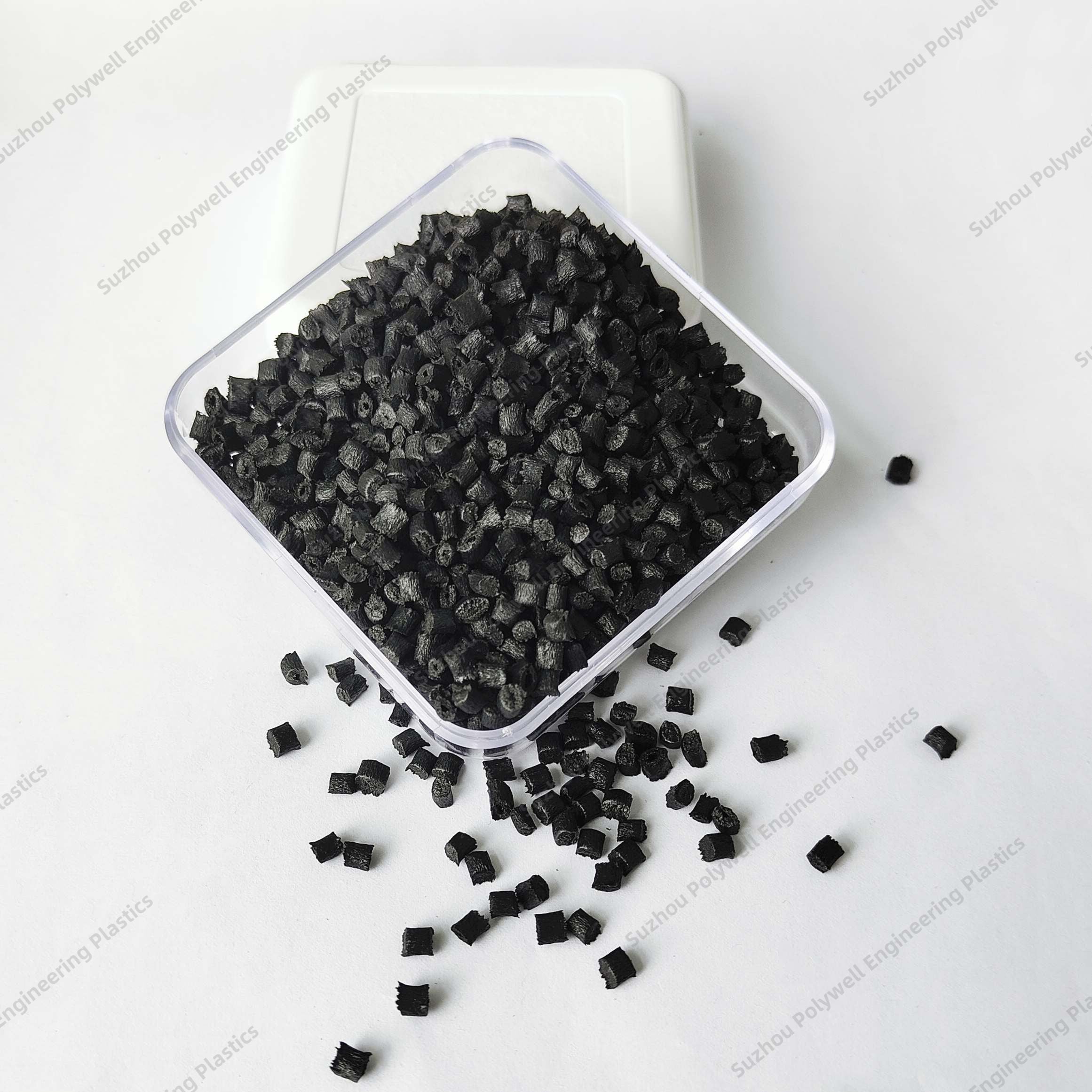
Wenn Hersteller etwa 30 % Glasfaser zu PA66 hinzufügen, erhalten sie ein deutlich besseres Wärmebarrierematerial. Die Fasern bilden so etwas wie ein inneres Gerüst, das die Ausdehnung des Materials bei Erwärmung reduziert, manchmal um bis zu 60 % im Vergleich zu normalem PA66. Dadurch behalten Bauteile auch bei starken Temperaturschwankungen ihre Maßhaltigkeit. Ein weiterer Vorteil besteht darin, dass diese Fasern mechanische Spannungen verteilen, wodurch die Gefahr von Verzug oder feinen Rissen während schneller Temperaturwechsel – wie sie in vielen industriellen Anwendungen auftreten – verringert wird. Entscheidend ist jedoch die Verbesserung der Wärmeformbeständigkeit. Glasfaserverstärktes PA66 hält etwa 70 Grad Celsius höhere Temperaturen aus, bevor es sich verformt, wodurch Komponenten nahe am eigentlichen Schmelzpunkt von Standard-PA66 betrieben werden können, ohne auszufallen. Und da dieser Werkstoff unter Belastung kriechfest ist, behält er über Tausende von Betriebsstunden hinweg Form und Festigkeit bei 180 °C bei. Das macht ihn ideal für Anwendungen, bei denen langfristige Maßhaltigkeit in thermischen Management-Systemen entscheidend ist.
Die rauen Bedingungen unter Motorhauben bieten hervorragende Testbedingungen für das Material PA66-GF30. Bauteile wie Turbolader-Hitzeschilde und Motorabdeckungen halten regelmäßig Temperaturen von über 220 Grad Celsius stand und schützen dabei benachbarte Komponenten. Bei Elektrofahrzeugen reduzieren Batteriegehäuse aus PA66-GF30 die Wärmeübertragung auf empfindliche Elektronik um etwa 40 Prozent im Vergleich zu anderen auf dem Markt verfügbaren Materialien. Praxisnahe Tests zeigen, dass diese Bauteile über Tausende von Heiz- und Kühlzyklen hinweg strukturell stabil bleiben – was ungefähr einer Fahrleistung von 150.000 Meilen entspricht. Ein weiterer großer Vorteil ist die ausgezeichnete Feuchtigkeitsbeständigkeit. Im Gegensatz zu einigen Alternativen nimmt PA66-GF30 keinen Wasserdampf auf, was langfristig zu Ausdehnungsproblemen führen und die Isoliereigenschaften beeinträchtigen könnte. Nach Jahren des Einsatzes unter den unterschiedlichsten Wetterbedingungen verlassen sich Hersteller zunehmend auf PA66-GF30 als Standardmaterial zur Schaffung effektiver Wärmebarrieren.
Die Tatsache, dass PA66 etwa halb so viel Feuchtigkeit aufnimmt wie PA6 (Studie zur Polymerdegradation, 2023), macht es für Anwendungen mit thermischem Wechsel viel besser geeignet. Beide Nylonarten nehmen Wasser auf, aber PA6 tut dies in einem solch hohen Maß, dass es bei wechselnder Luftfeuchtigkeit deutlich quillt und schrumpft. Was passiert dann? Wenn diese Materialien wiederholten Erhitzungs- und Abkühlungszyklen ausgesetzt sind, erzeugt all diese Ausdehnung innere Spannungsstellen, wodurch sich schneller als gewünscht Mikrorisse bilden. Bei PA66 verhält es sich anders aufgrund der dichteren Molekülpackung und der stärkeren Wasserstoffbrückenbindungen zwischen ihnen. Diese Eigenschaften halten Wasser viel besser ab, sodass die Abmessungen auch bei starken Temperaturschwankungen stabil bleiben. Praxisnahe Tests bestätigen dies überzeugend. Nach 1.000 thermischen Zyklen bei 150 Grad Celsius behält PA66 noch etwa 80 % seiner ursprünglichen Zugfestigkeit, während PA6 auf lediglich 65 % absinkt. Ein solcher Unterschied ist entscheidend für Bauteile, die in Umgebungen eingesetzt werden, in denen Temperaturschwankungen ständige Begleiter sind. Die in die Struktur von PA66 eingebaute Feuchtigkeitsbeständigkeit gibt Ingenieuren Sicherheit, da ihre Produkte aufgrund dieser alltäglichen Umwelteinflüsse nicht vorzeitig versagen.
Die Hauptunterschiede liegen in ihrer molekularen Struktur, Kristallinität und der Dichte der Wasserstoffbrückenbindungen. PA66 weist eine bessere Wärmebeständigkeit auf, da es ein symmetrisches Molekülgerüst, einen höheren Schmelzpunkt, eine größere Kristallinität und stärkere Wasserstoffbrückenbindungen im Vergleich zu PA6 aufweist.
Durch die Verstärkung von PA66 mit Glasfasern werden die Dimensionsstabilität und die Beständigkeit gegen thermische Spannungen verbessert. Die Glasfasern bilden ein strukturelles Gerüst, das die Ausdehnung unter Hitze begrenzt und die Verteilung mechanischer Spannungen verbessert, wodurch die Integrität unter extremen Bedingungen erhalten bleibt.
PA66 ist feuchtigkeitsbeständiger als PA6, nimmt weniger Wasser auf und behält somit unter wechselnder Luftfeuchtigkeit die Maßstabilität bei. Dies minimiert innere Spannungen und mögliche Schäden durch wiederholte thermische Wechsellasten, wodurch es sich besser für Anwendungen mit wechselnden Umgebungsbedingungen eignet.
 Aktuelle Nachrichten
2025-12-09
2025-12-08
2025-12-05

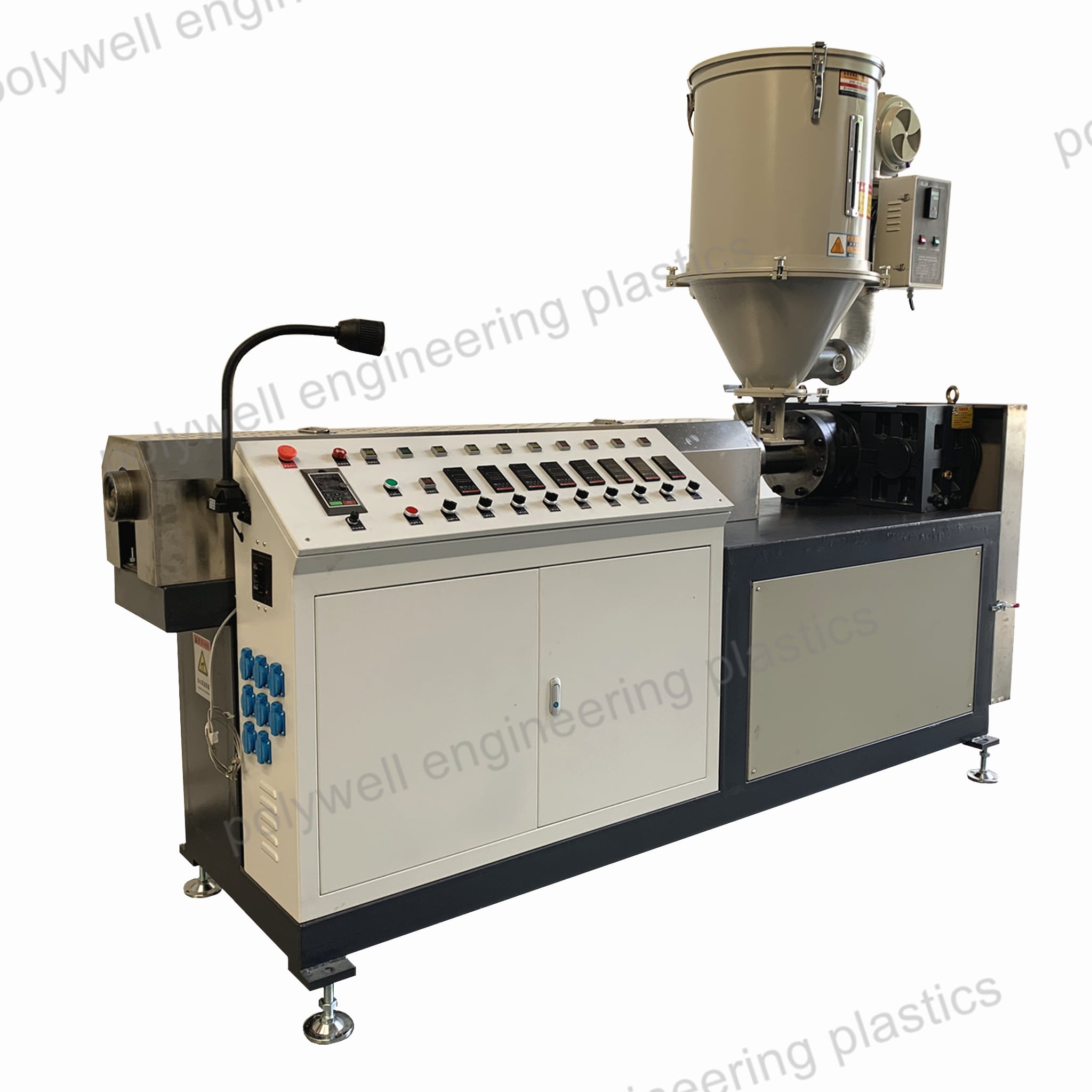
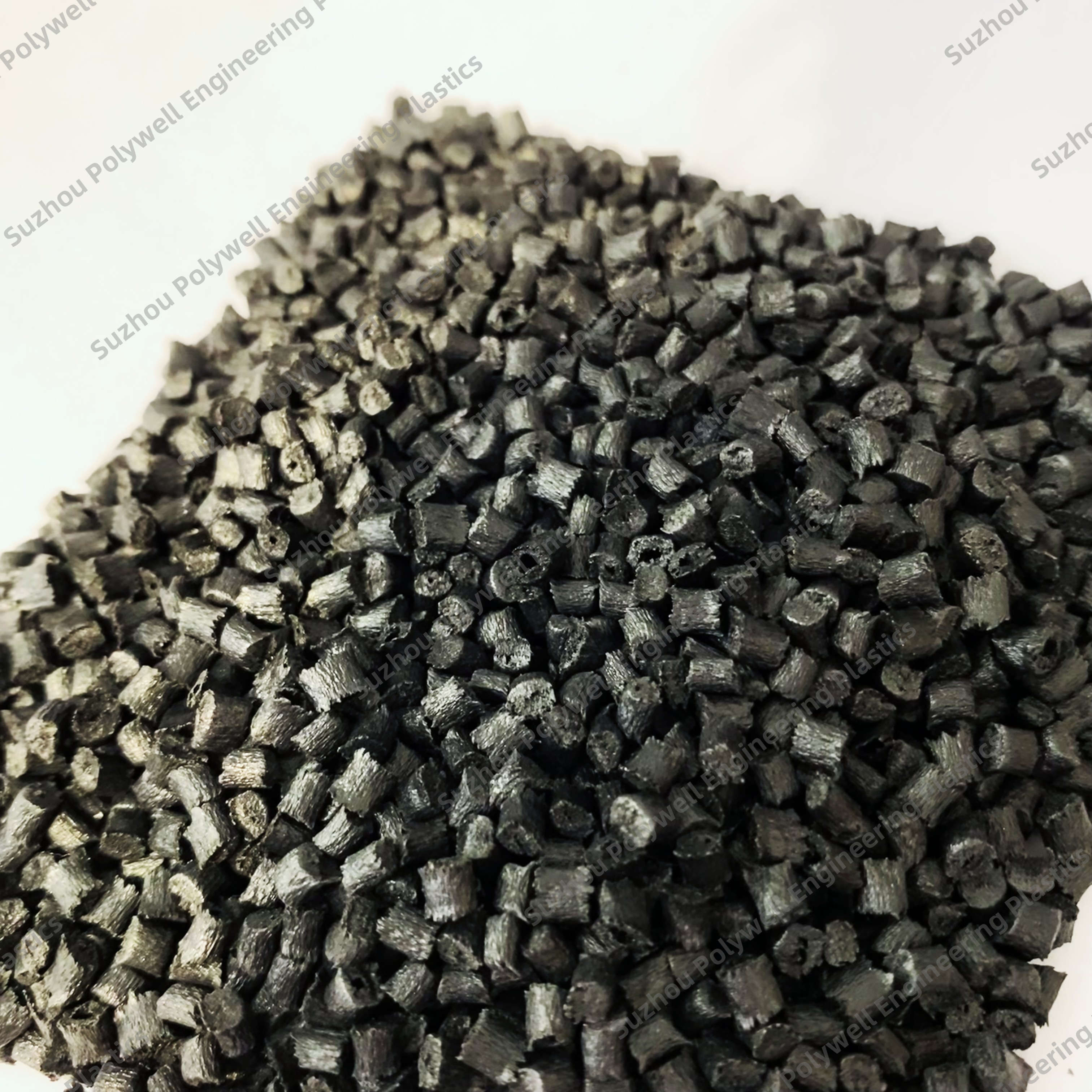
POLYWELL spezialisiert sich auf PA66-Wärmedämmstreifen und bietet Polyamid-Granulate, Extruder, Formen, Wicklmaschinen und umfassende Ein-Stop-Lösungs-Dienstleistungen an.
Jinfeng Town, Zhangjiagang City, Suzhou City, Jiangsu Province, China
Copyright © 2024 Suzhou Polywell Engineering Plastics Co.,Ltd DATENSCHUTZRICHTLINIE

 EN
EN