Single Screw Extruder Price Guide: Factors & Range (2025)

All Categories

Single Screw Extruder Price: Factors & Range for Budget Planning

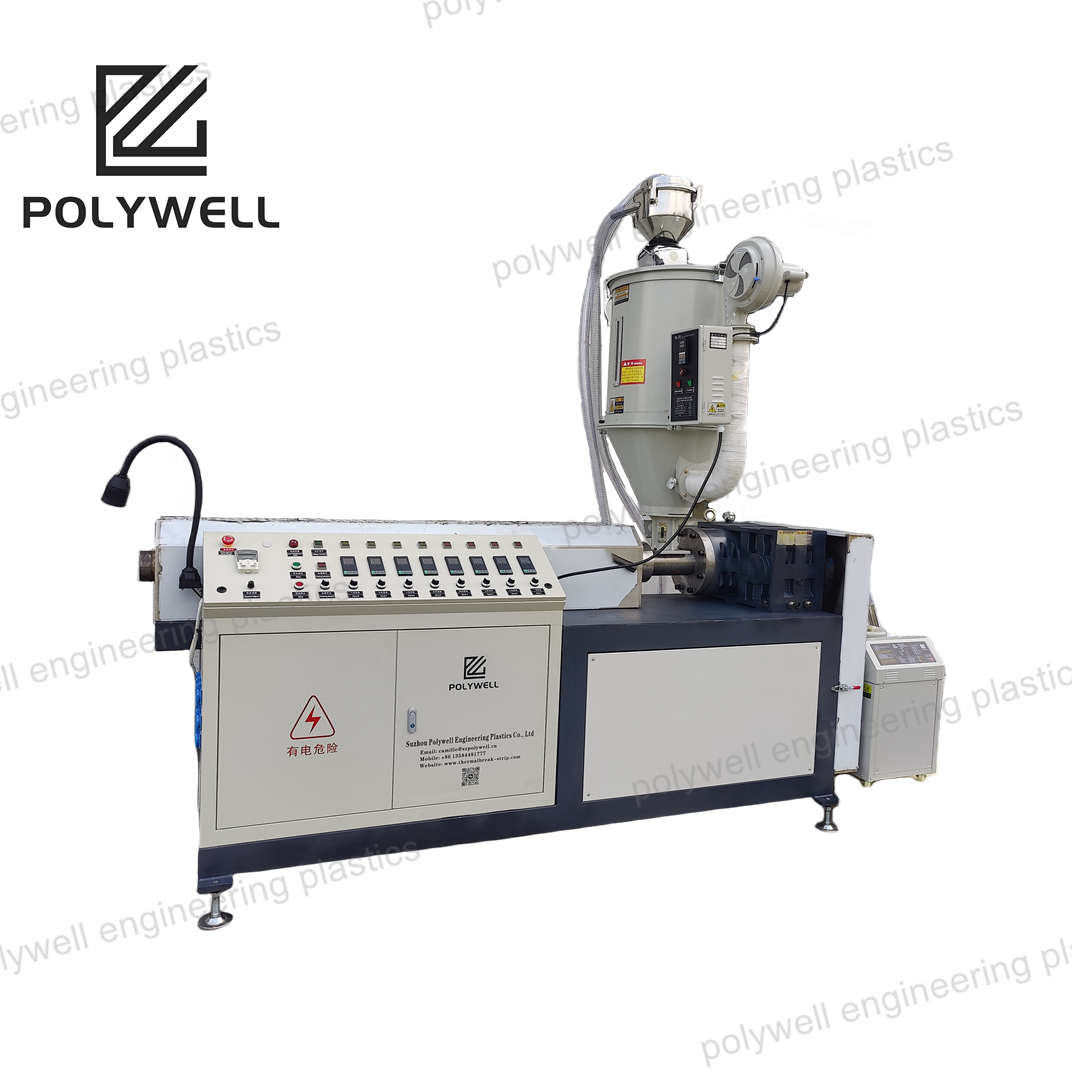
This page outlines single screw extruder prices, helping buyers plan budgets by explaining key cost influencing factors. It breaks down pricing drivers: machine size (screw diameter, output capacity—small lab models cost less than industrial units), customization (specialized designs for PVC/vented use add cost), and automation level (manual vs. fully automated systems). The content provides a general price range: compact lab models (\(5,000–\)20,000), standard industrial units (\(20,000–\)80,000), and high capacity/custom models ($80,000+). It also notes additional costs (installation, training, spare parts) and tips for cost savings (factory direct purchases, used equipment options). This resource is essential for manufacturers, startups, and buyers looking to balance quality and budget when purchasing single screw extruders.
Get A Quote

Advantages of the product

Robust Construction for Reliable 24/7 Operation

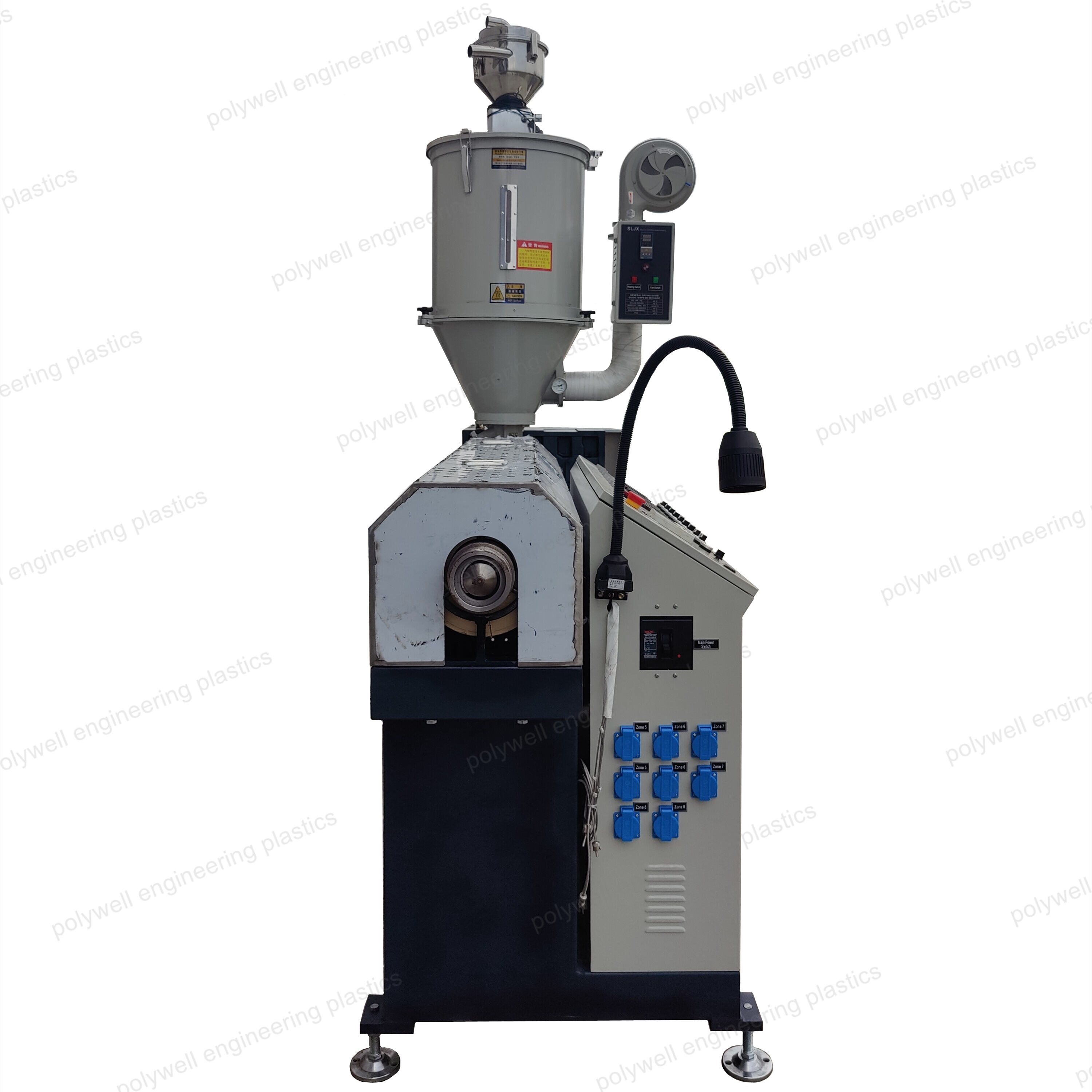
Built with heavy duty components, high torque drives, and precision bearings, our single screw extruders are made for the demands of continuous industrial production. This robust construction ensures high reliability, minimal unplanned downtime, and the ability to operate around the clock to meet production targets, providing an excellent return on investment for our customers.

Related products

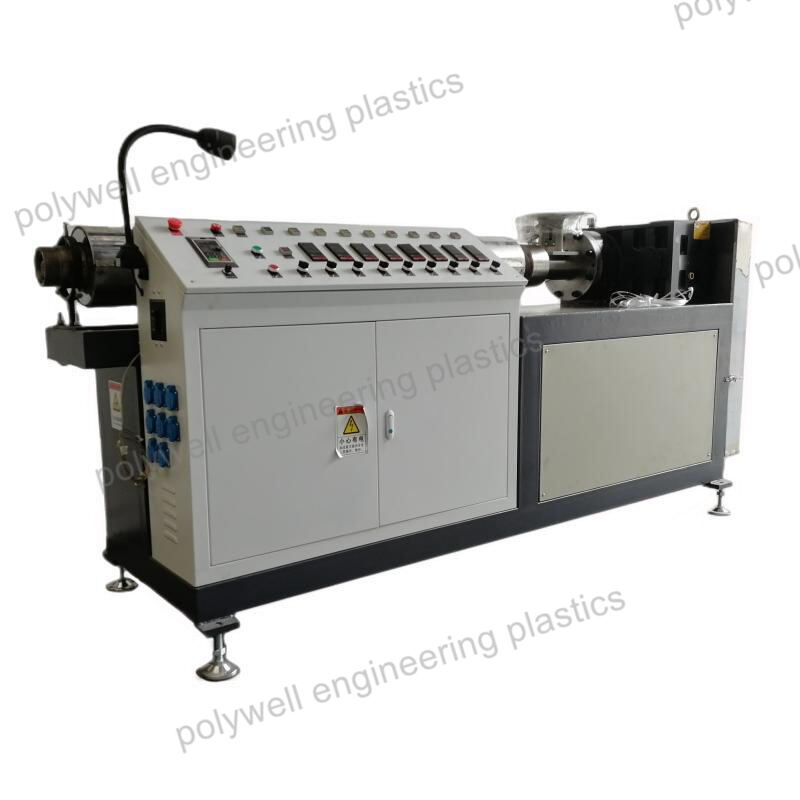
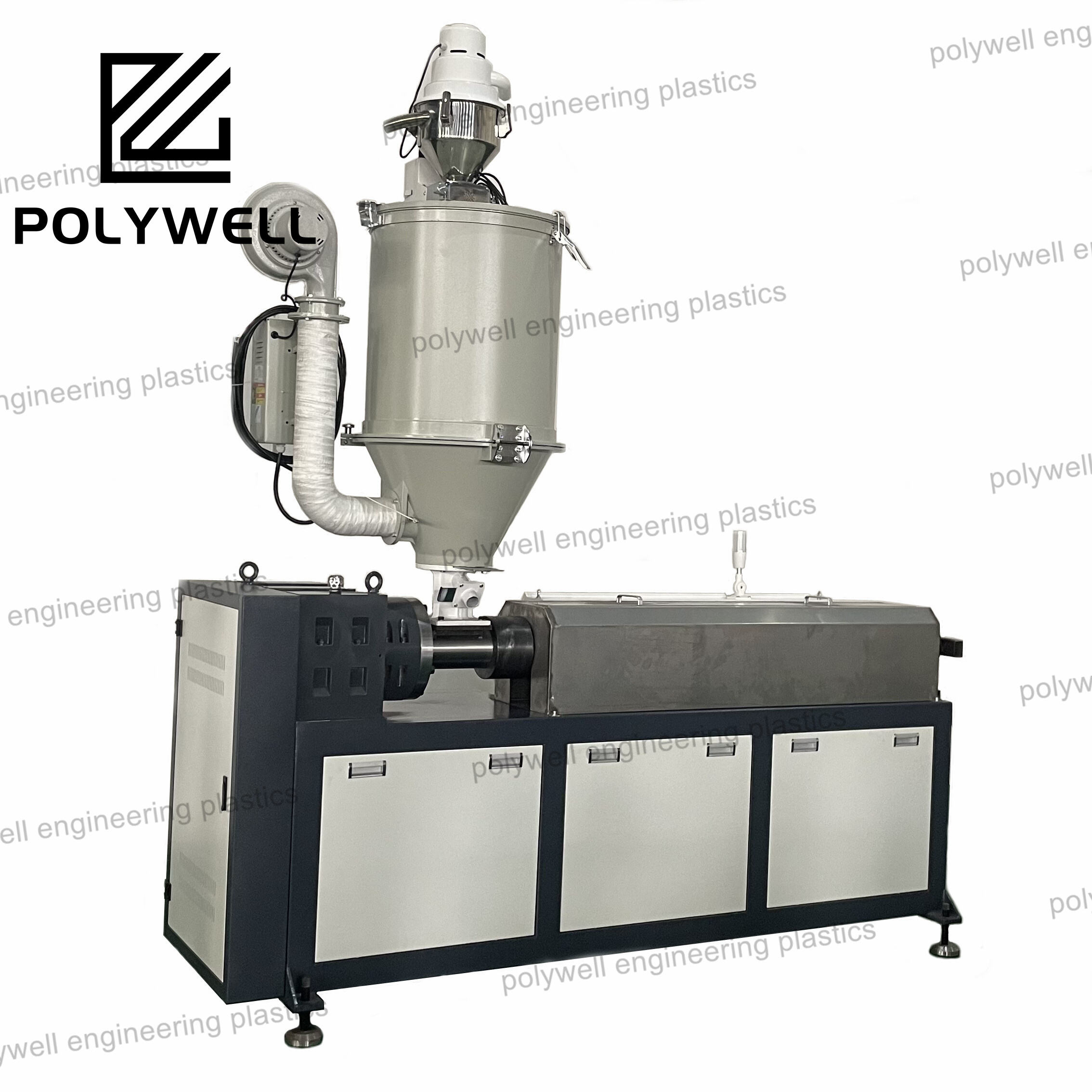
The pricing structure for single screw extruders encompasses a wide range determined by numerous factors beyond basic specifications like screw diameter and output capacity. Laboratory-scale models for research and development typically range from $15,000 to $50,000, featuring precision controls and data acquisition capabilities but limited production capacity. Production machines for small to medium enterprises with screw diameters of 45-60mm generally fall between $50,000 and $150,000, including basic auxiliary equipment. Industrial-scale extruders with screw diameters of 90-150mm can command $200,000 to $500,000 depending on configuration, controls, and ancillary systems. Key cost drivers include construction materials, with conventional carbon steel components representing the entry level versus bimetallic barrels and specialized alloy screws for abrasive or corrosive applications significantly increasing price. Drive system technology ranges from basic AC motors to energy-efficient servo drives with precise torque control. Control system sophistication represents another major differentiator, from simple manual temperature controllers to fully automated PLC-based systems with recipe management, remote monitoring, and data logging capabilities. Auxiliary equipment integration including automated feeding systems, melt pumps, and downstream handling equipment substantially increases total system cost. Geographical manufacturing origin influences pricing, with European and North American manufacturers typically commanding 30-50% premiums over Asian equivalents due to differing labor costs, quality standards, and warranty provisions. Additional cost considerations include installation expenses, training requirements, spare parts inventory, and long-term service support availability. The used equipment market offers alternatives at 30-70% of new machine cost but requires careful evaluation of component wear, technological obsolescence, and compatibility with current safety standards. Total cost of ownership calculations should extend beyond initial purchase price to include energy consumption, maintenance requirements, operational labor, and potential production losses from downtime. Comprehensive supplier quotations should detail all components, warranty terms, delivery schedules, and training inclusion to enable accurate comparison between competing offerings.

Frequently Asked Questions

What is the function of the different sections of the extrusion screw?

The screw has three key sections: 1) Feed Section: conveys solid granules from the hopper. 2) Compression/Transition Section: progressively compacts the material, melting it through heat and shear. 3) Metering Section: generates a stable, pulsation free flow of homogeneous melt at a constant pressure to the die. Each section's design is critical for processing performance and final product quality.

Related Articles

Advantages of Using Customized GF25 Reinforced Nylon Granules in Construction Materials

28

Mar

Advantages of Using Customized GF25 Reinforced Nylon Granules in Construction Materials

Discover the benefits and applications of GF25 Reinforced Nylon Granules in construction. Learn how this advanced material enhances durability, thermal resistance, and sustainability, offering innovative solutions for structural components, insulation panels, and more.
View More
What Makes a High-Quality Thermal Break Strip?

10

Jun

What Makes a High-Quality Thermal Break Strip?

Explore the benefits of PA66 GF30 material in thermal break strips for enhanced mechanical properties, durability, and thermal insulation. Understand its role in energy efficiency, compliance with international standards, and its growing preference in sustainable construction.
View More
Single Screw Extruder vs. Twin Screw Extruder: What's the Difference?

10

Jun

Single Screw Extruder vs. Twin Screw Extruder: What's the Difference?

Explore the key differences between single and twin screw extruders, focusing on design, functionality, and application in insulation manufacturing. Learn their benefits in terms of consistency, cost-efficiency, and material compatibility, with FAQs addressing common reader queries.
View More
Maintenance Tips for Extrusion Molds in Thermal Break Strip Production

17

Sep

Maintenance Tips for Extrusion Molds in Thermal Break Strip Production

Maximize mold longevity and production efficiency with these essential maintenance tips for thermal break strip extrusion molds. Prevent downtime and ensure quality output.
View More

customer evaluation

Emma Robinson

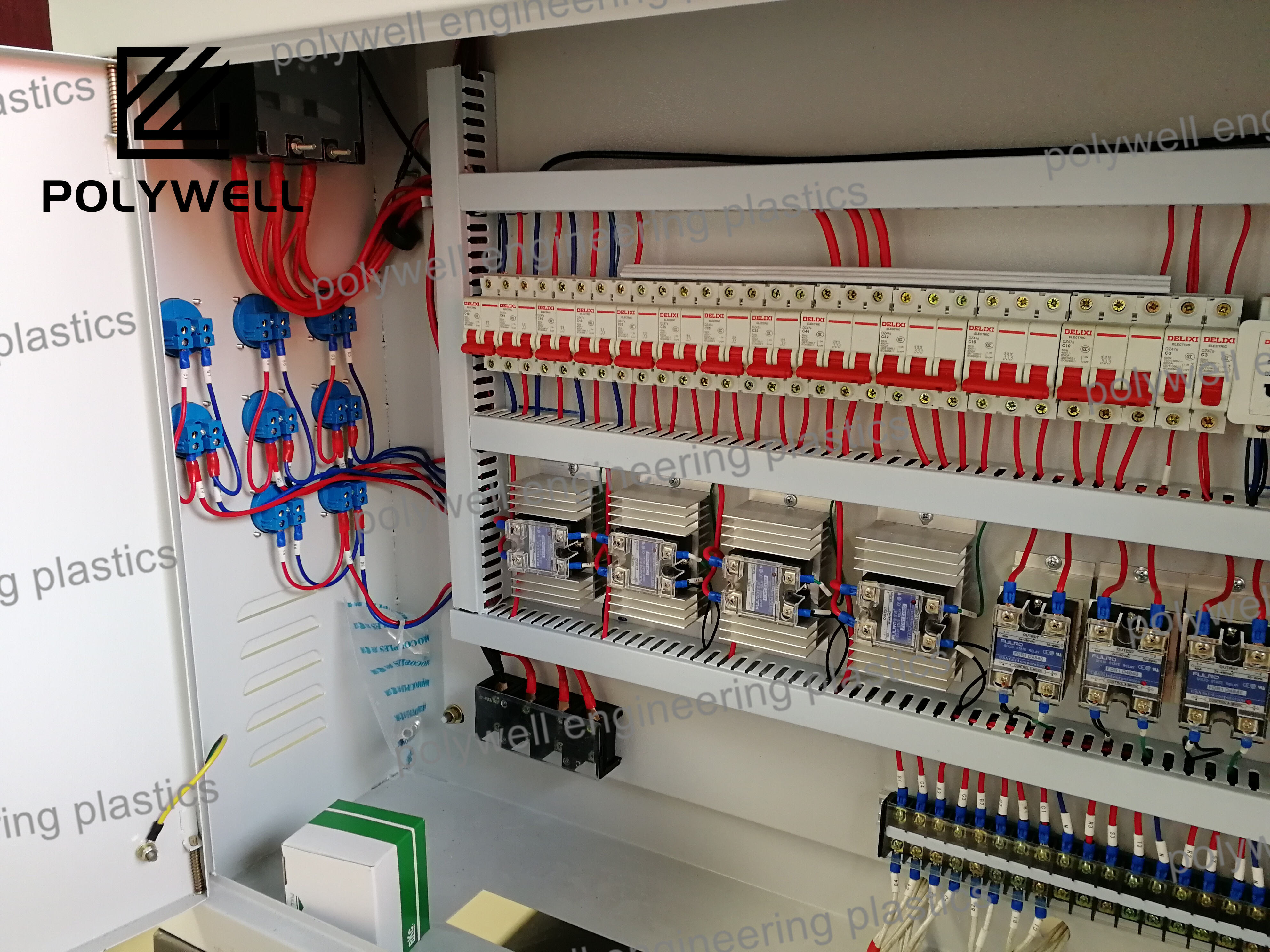
The control interface is user friendly, and our operators were able to get up to speed quickly. The modular design and easy access for maintenance have reduced our downtime significantly. A well designed machine from an operator's perspective.

Contact Us

Name
Email
Mobile
Message
0/1000

Related Search

Optimized for Engineering Plastics

Optimized for Engineering Plastics

Our single screw extruders are specifically designed and configured for processing high viscosity engineering plastics like PA66 GF25 The screw geometry compression ratio and temperature control zones are meticulously engineered to ensure uniform plasticization consistent melt pressure and stable extrusion of the polyamide material This is fundamental for producing high quality dimensionally stable thermal break strips with excellent mechanical properties
Robust Construction for Reliability

Robust Construction for Reliability

Built with heavy duty components high torque drives and precision bearings our single screw extruders are made for the demands of continuous industrial production This robust construction ensures high reliability minimal unplanned downtime and the ability to operate around the clock to meet production targets providing an excellent return on investment and serving as a dependable backbone for your manufacturing operation
Energy Efficient Operation

Energy Efficient Operation

We prioritize energy efficiency in our extruder design Features such as optimized barrel heating and cooling high efficiency drives and well insulated barrels contribute to lower power consumption per kilogram of output This reduces the ongoing operational costs for our customers making the production of thermal break strips more economical and environmentally friendly over the long term
Inquiry Inquiry Email Email WhatsApp WhatsApp Wechat Wechat
Wechat
TopTop

Related Search