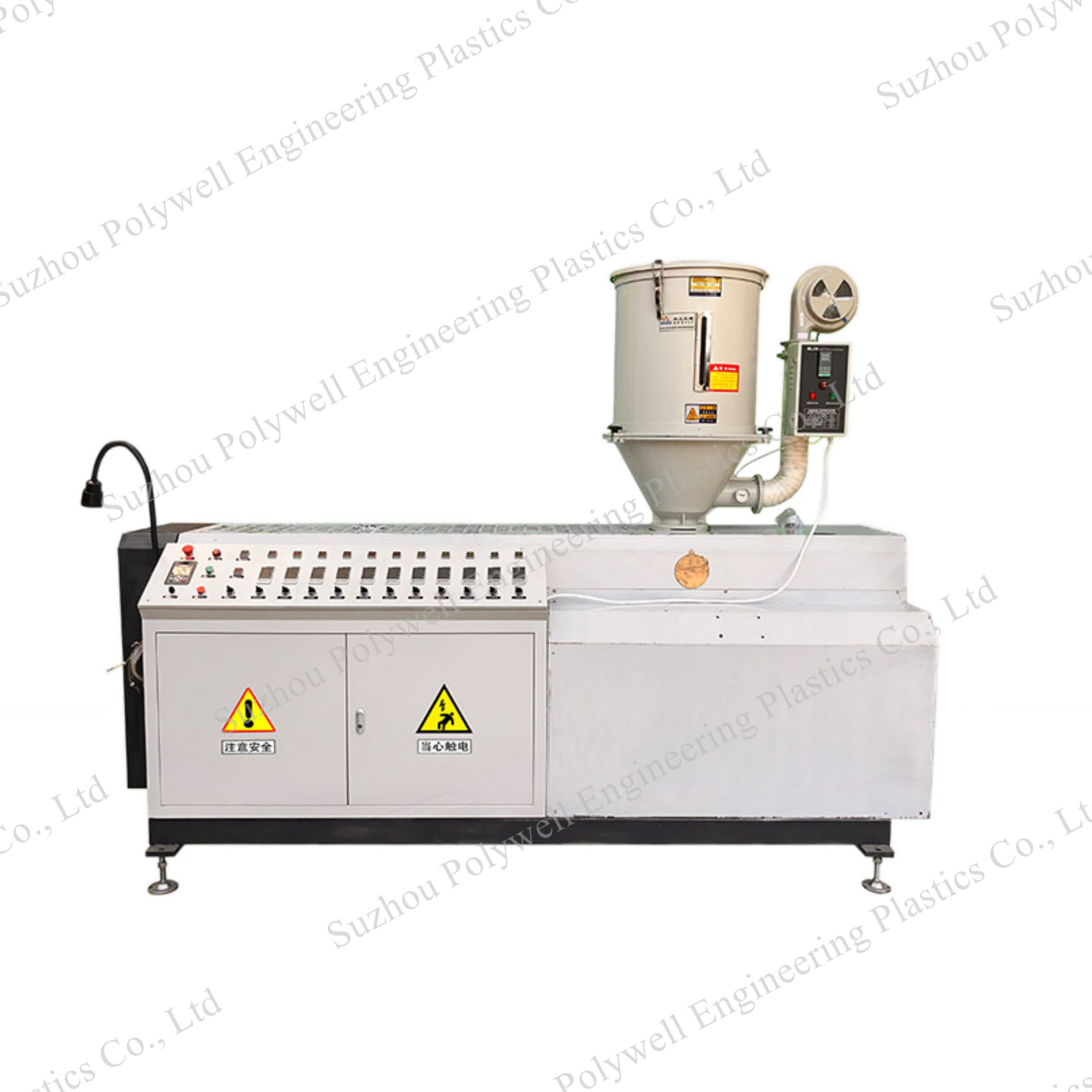
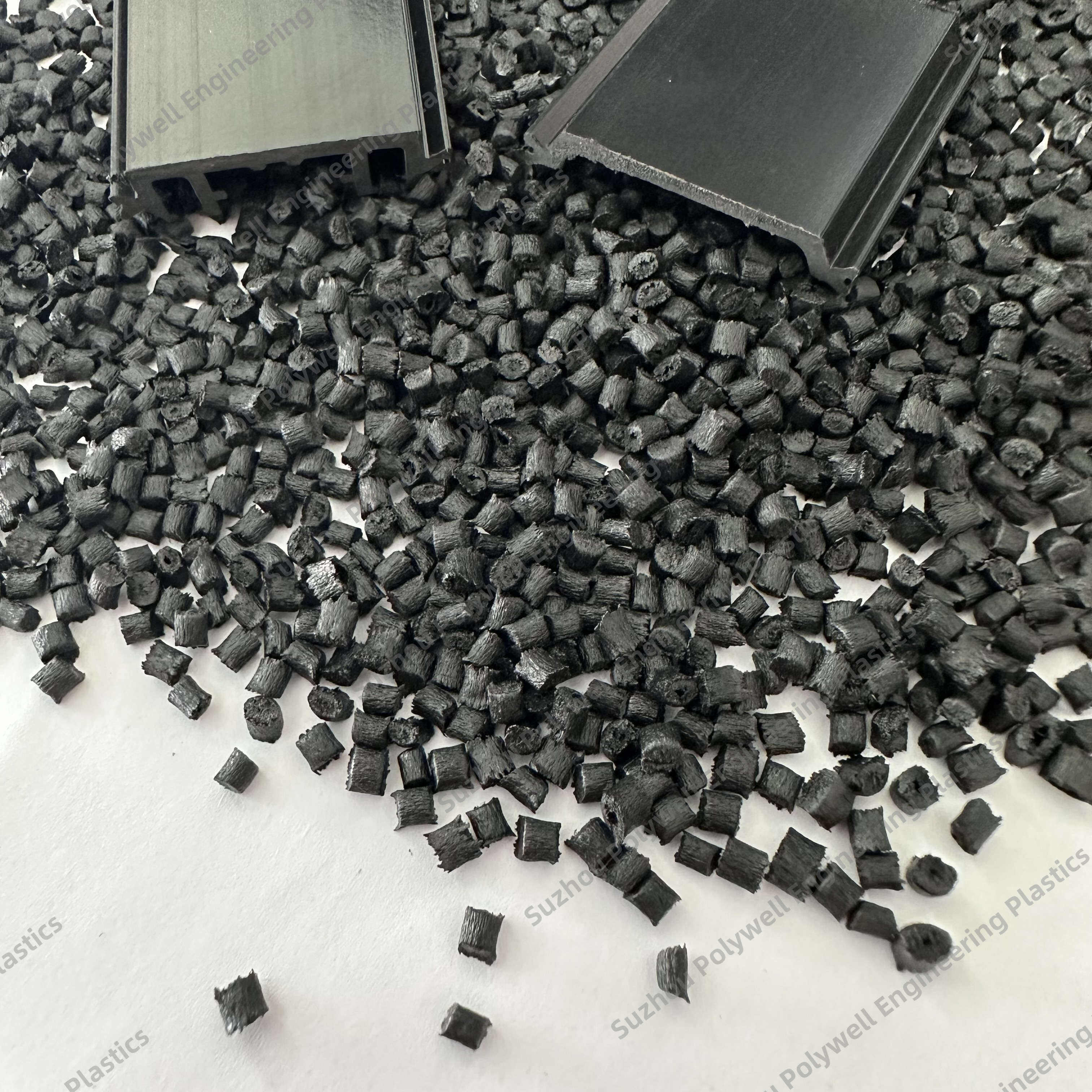
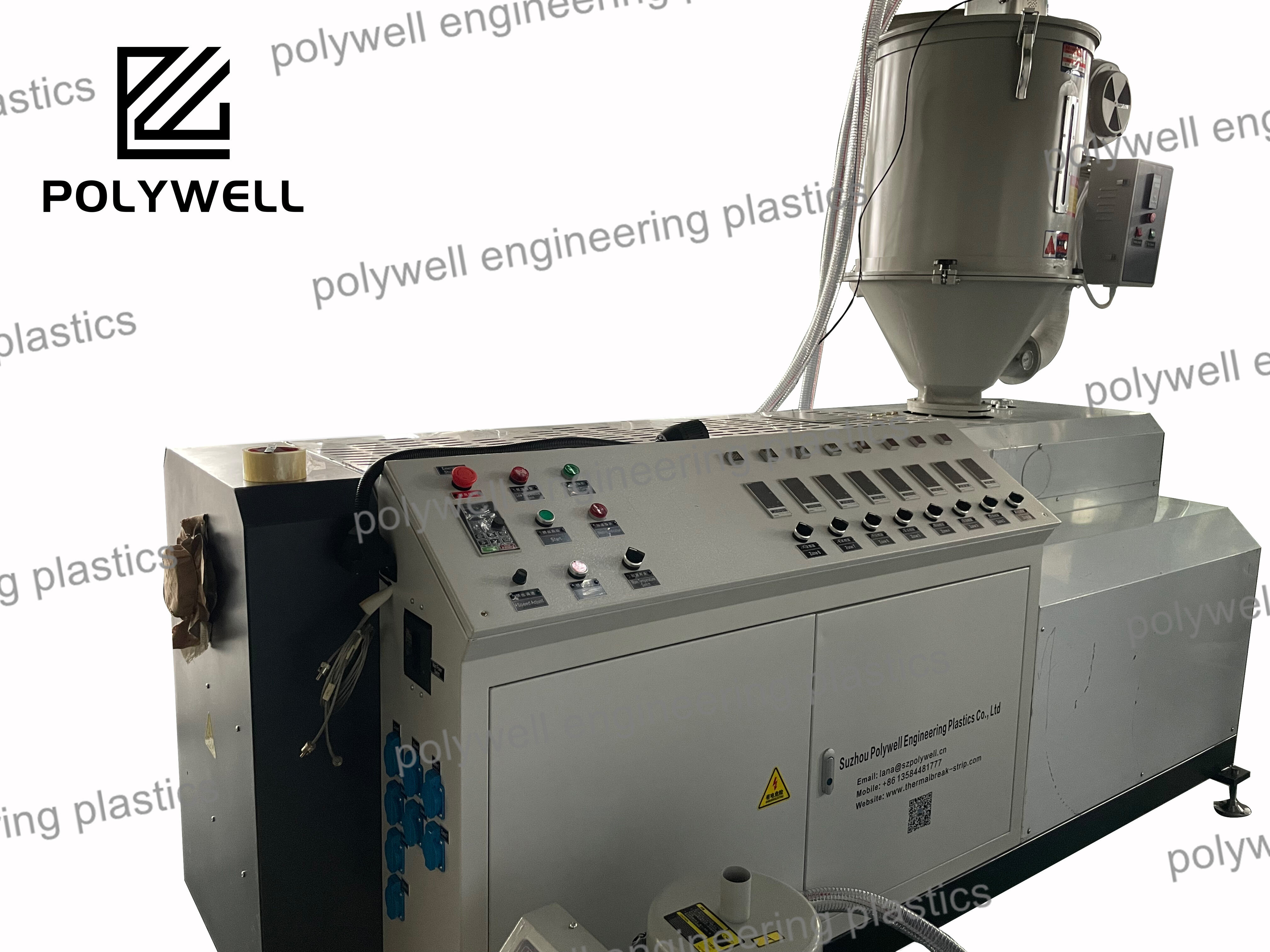
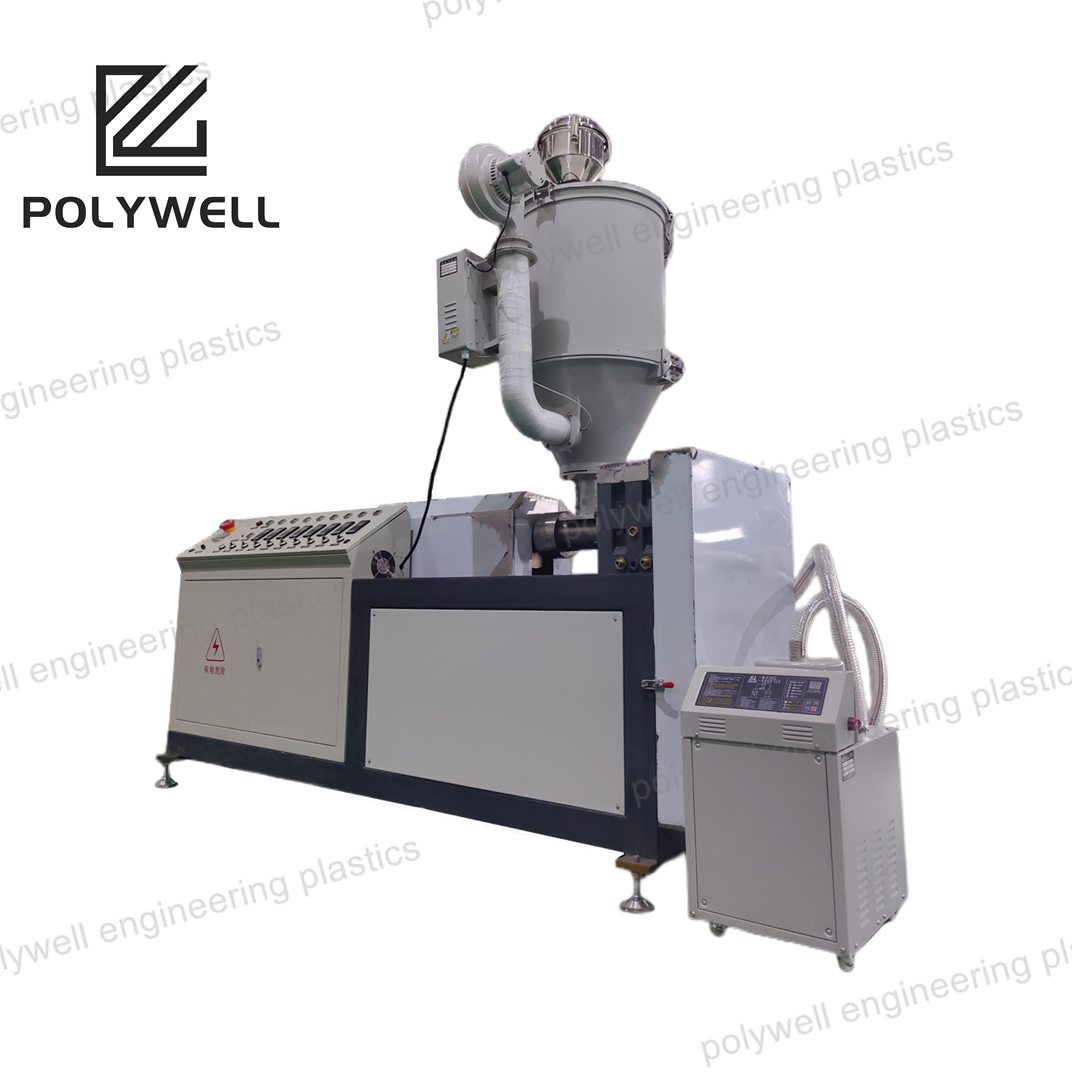
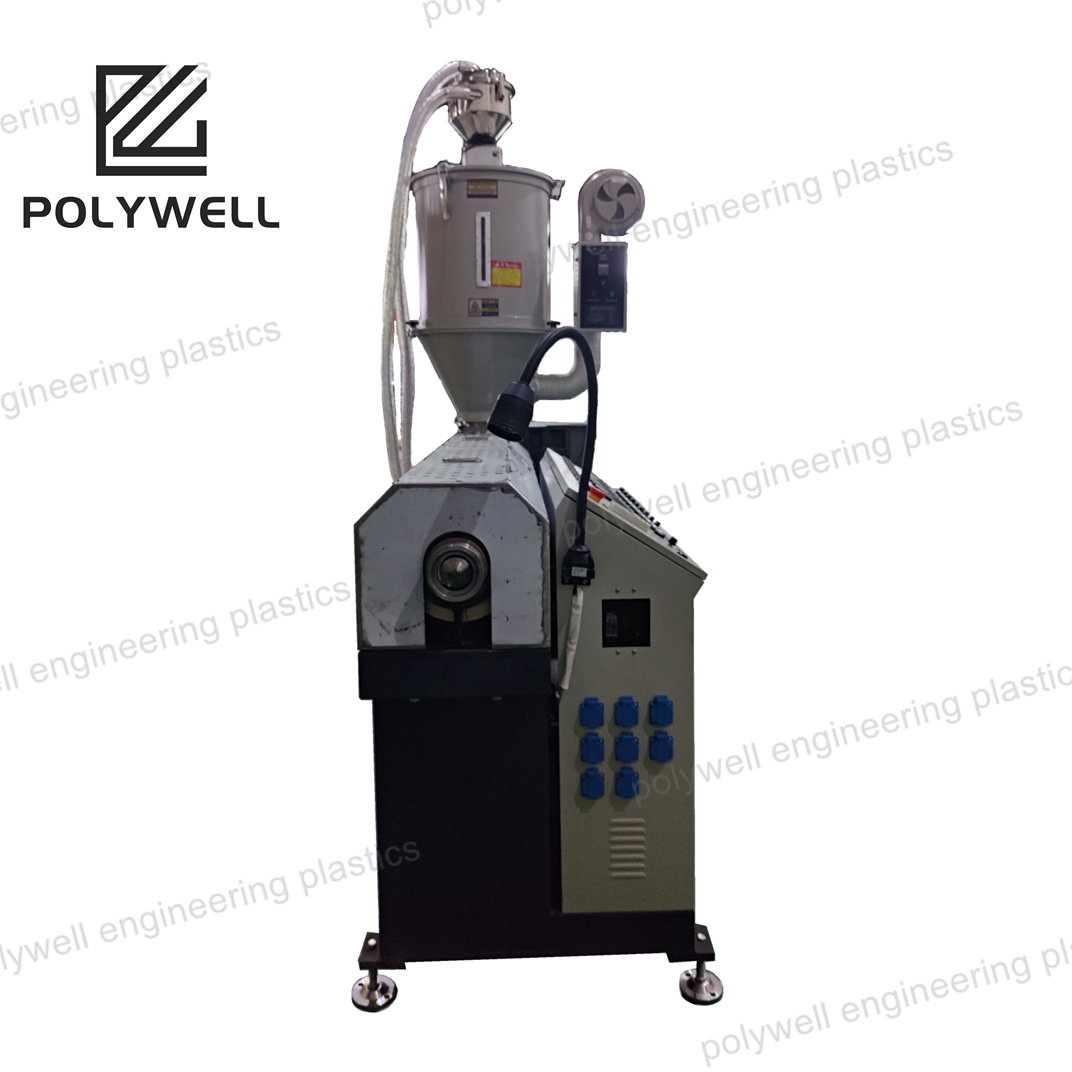
Screw Extruder: Versatile Machinery for Plastic & Polymer Processing
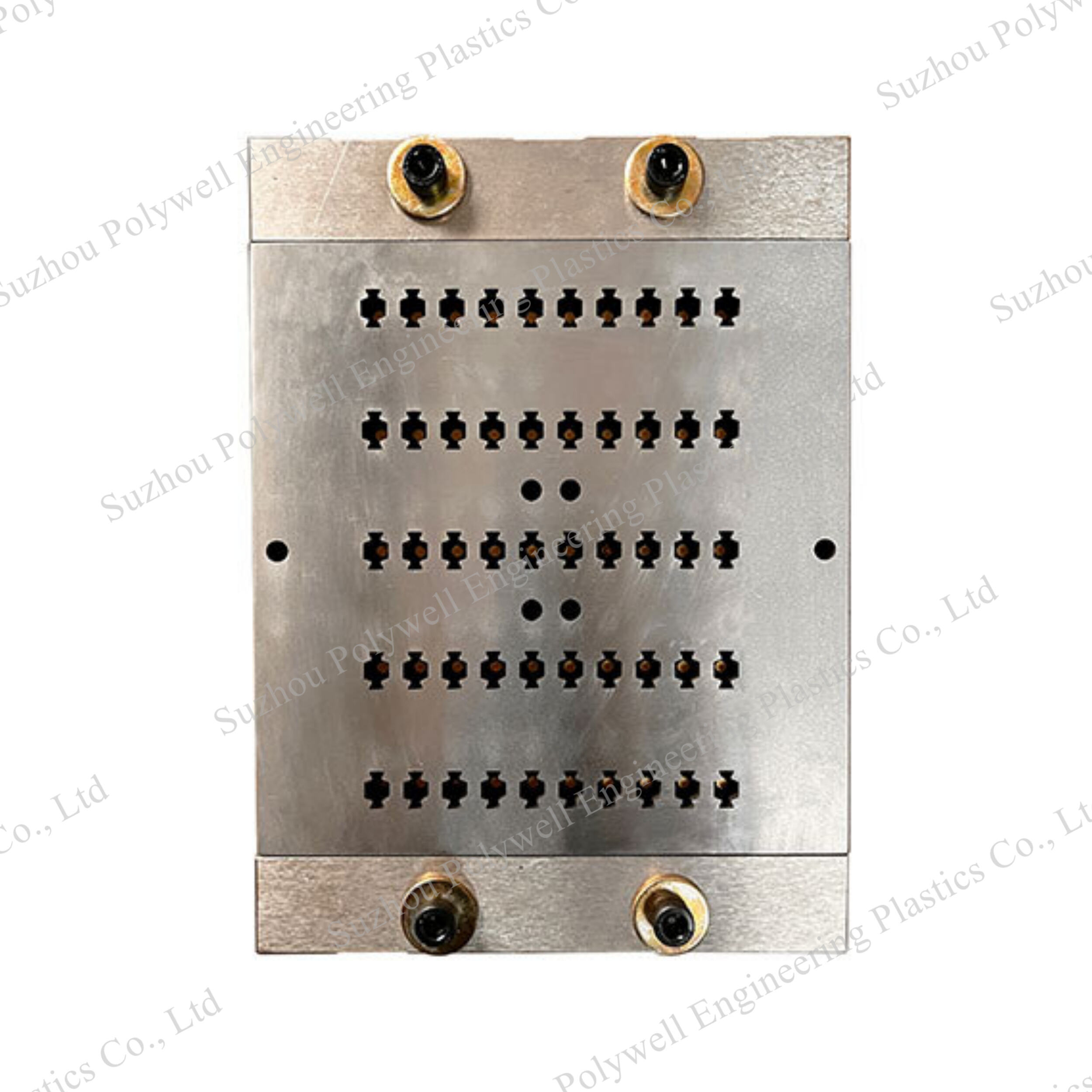
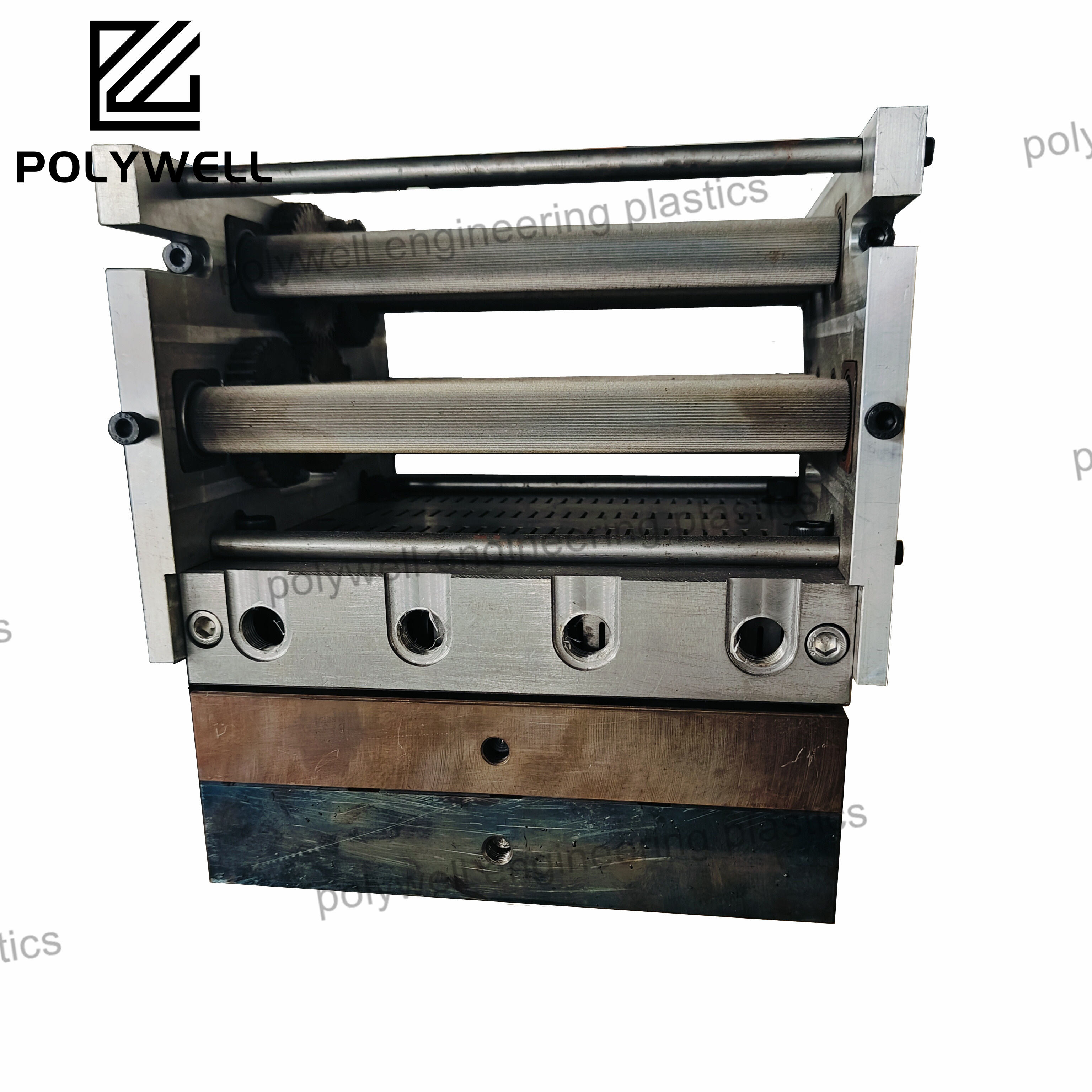
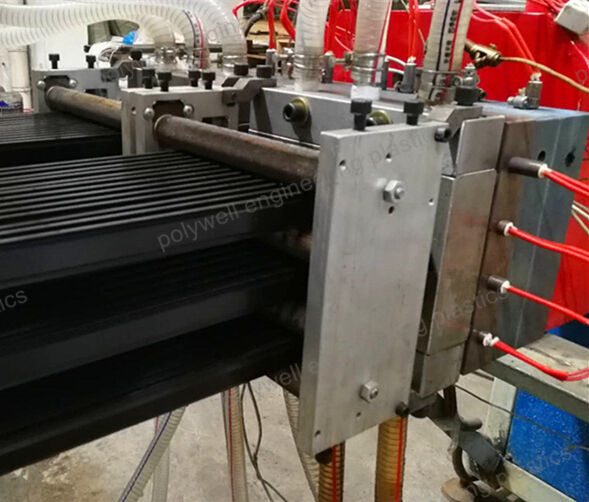
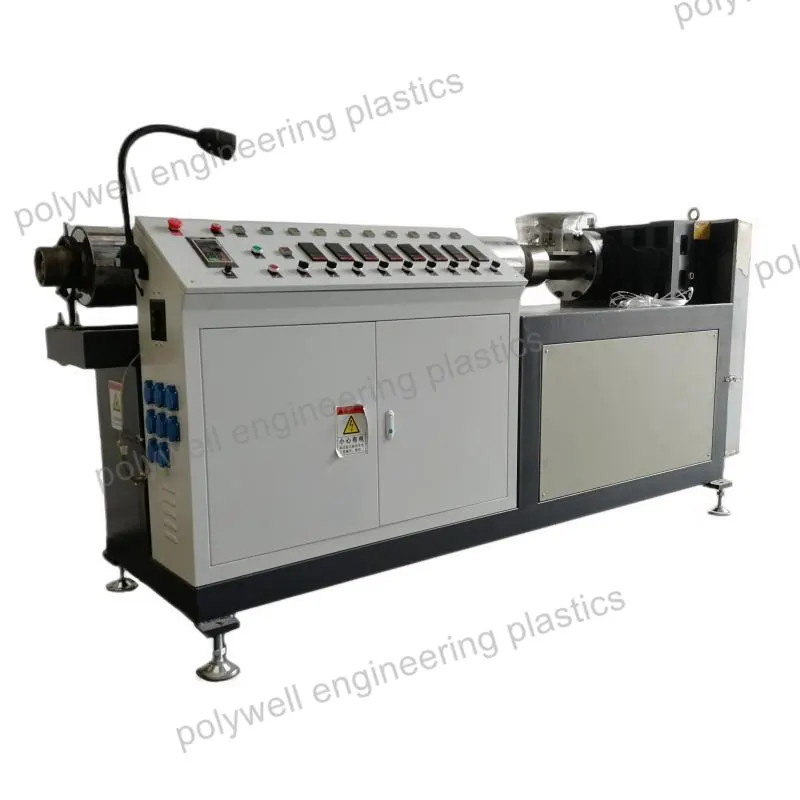
This page explores the screw extruder, a foundational piece of equipment for melting, shaping, and forming plastics and polymers into products like pipes, films, profiles, and sheets. It covers the two main types: single screw extruders (simple design, ideal for single material processing like PE/PP) and twin screw extruders (superior mixing, for multi material or complex formulations). The content details the extruder’s core components (screw, barrel, die head, cooling system) and operational principles (material feeding → melting → pressure building → shaping). It also highlights industry applications (packaging, construction, automotive) and key considerations for selection (output capacity, material compatibility, automation level). This resource is valuable for manufacturers, plant managers, and students learning about polymer processing technology.
Get A Quote

 EN
EN