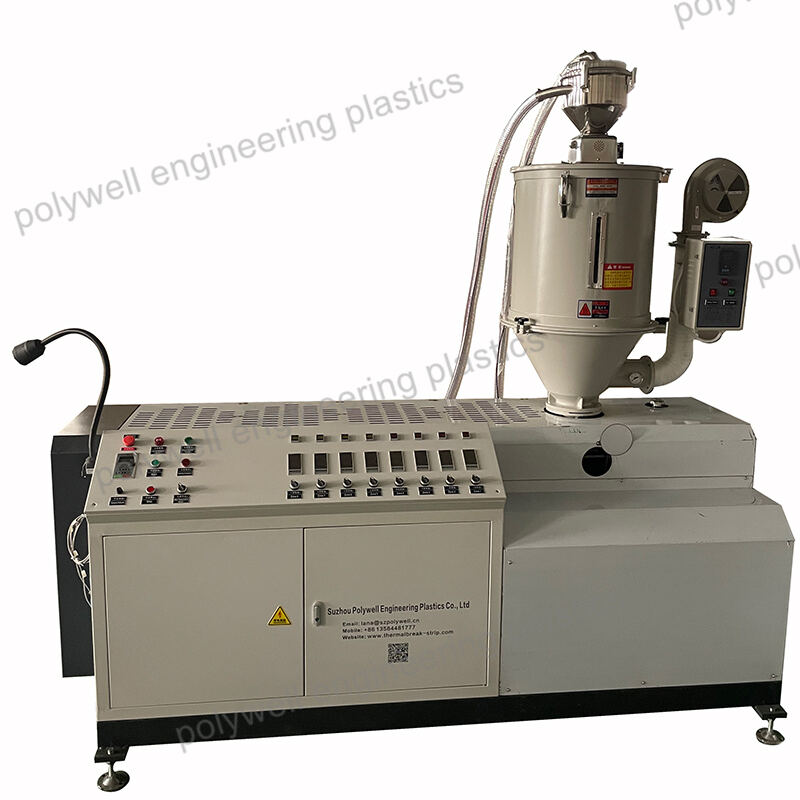
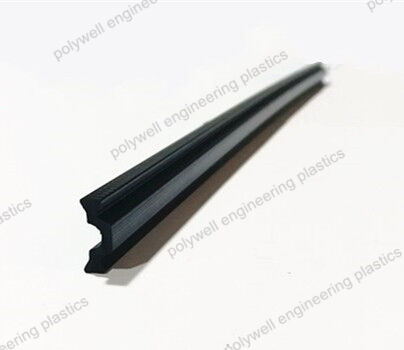
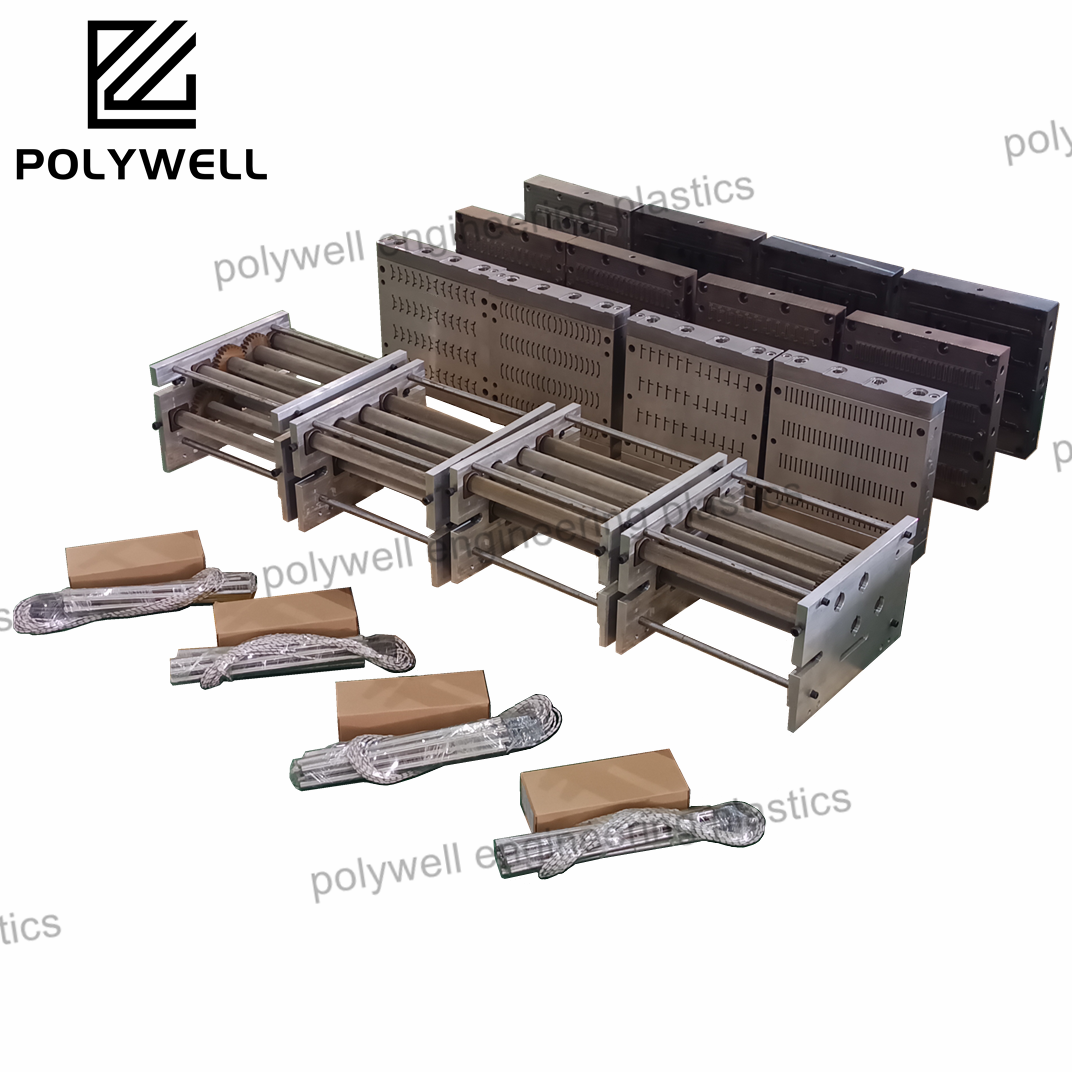
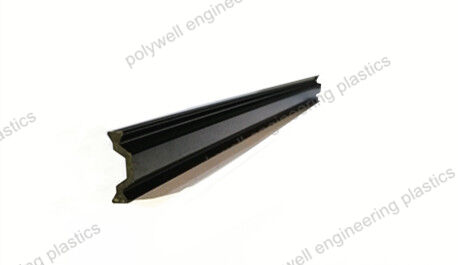
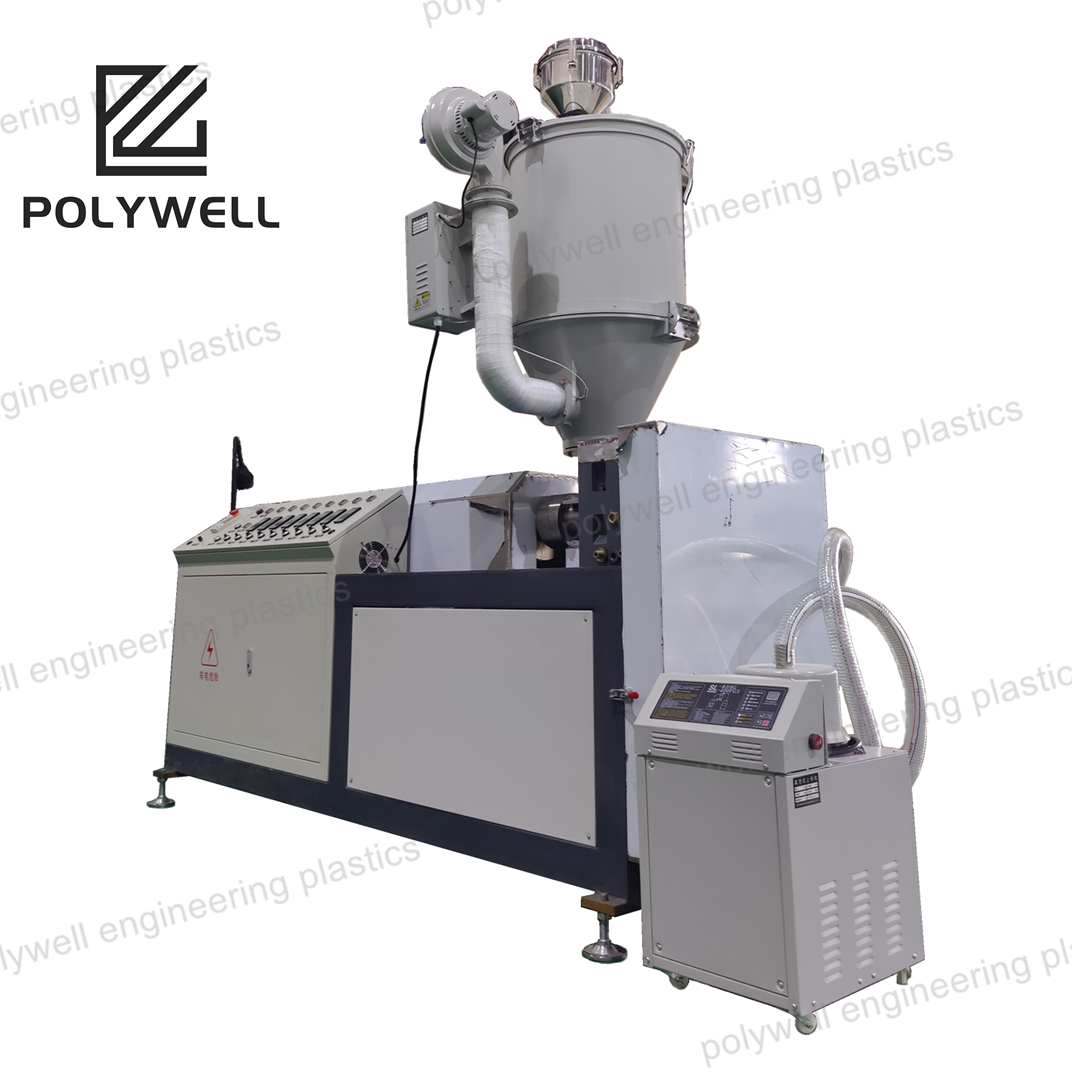
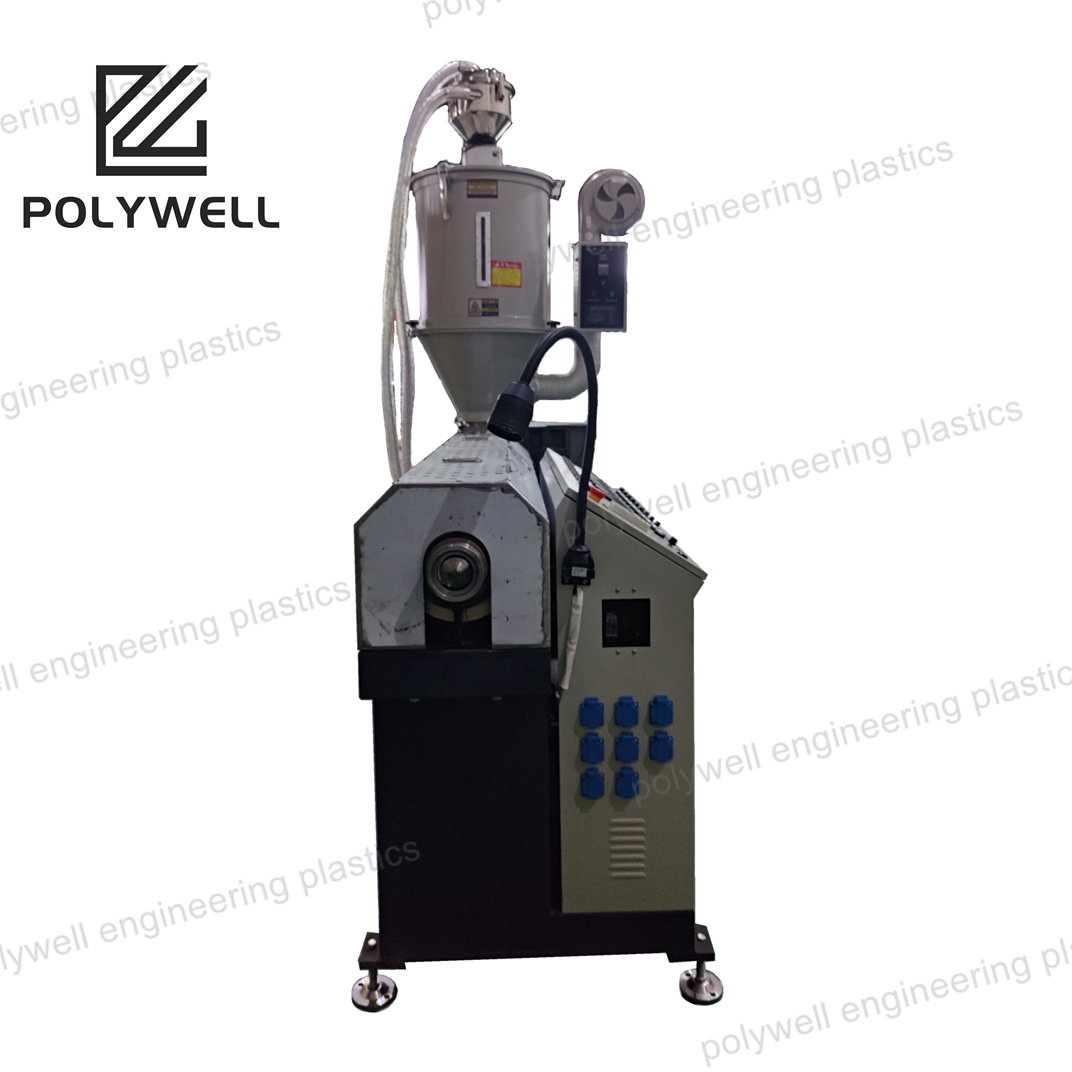
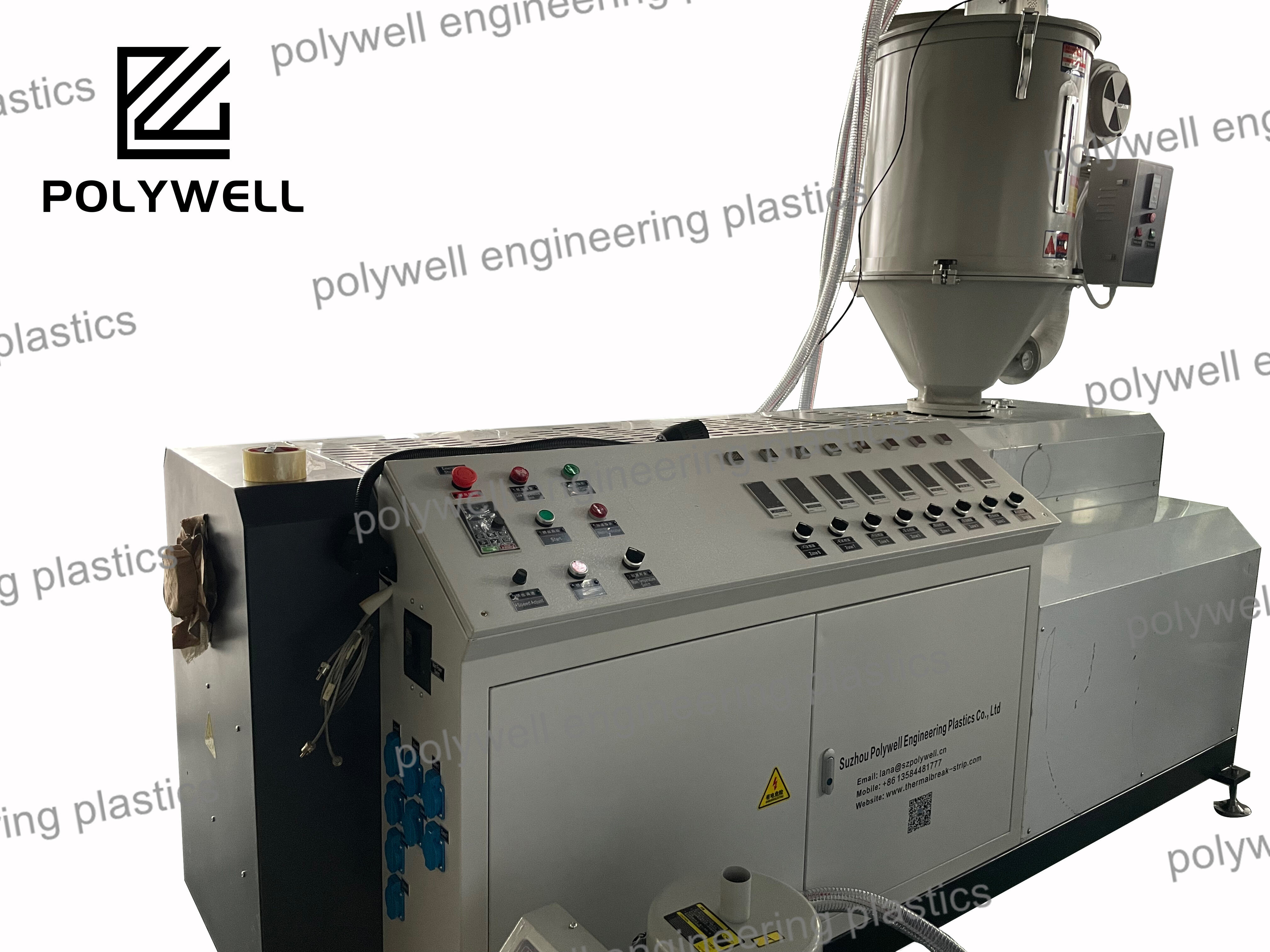
The distinction between single and twin screw extruders represents a fundamental division in polymer processing technology, each with distinct operational principles, advantages, and ideal application domains. Single screw extruders operate primarily on drag-induced convection, where friction between the rotating screw and the stationary barrel conveys, melts, and pumps the material. This relatively simple mechanism results in robust, cost-effective machines excellent for tasks requiring consistent output and high pressure generation, such as profile extrusion, sheet production, and fiber spinning. Their limitations include restricted mixing capability and sensitivity to the material's bulk density and frictional properties. Conversely, co-rotating twin screw extruders function on positive displacement principles, offering superior control over the material's shear history and residence time. Their modular barrel and screw design, featuring various conveying, kneading, and mixing elements, makes them exceptionally versatile. This design is indispensable for applications demanding intensive dispersive and distributive mixing, such as masterbatch production, compounding filled or reinforced polymers, alloying, and reactive extrusion. The self-wiping action of intermeshing screws also provides superior devolatilization capabilities for removing moisture or solvents. While twin screw extruders have a higher initial capital cost and specific energy input, they offer unparalleled process flexibility and mixing efficiency. The choice between these technologies is not a matter of superiority but of application fit. Single screw extruders are optimal for processing pre-compounded, uniform materials into a final shape efficiently. In contrast, twin screw extruders are the preferred solution for formulating, compounding, and preparing materials that require rigorous homogenization or chemical modification. Modern manufacturing facilities often deploy both in a complementary manner, utilizing the twin screw extruder as a compounder and the single screw machine for final shaping, thereby leveraging the unique strengths of each technology within an integrated production line.