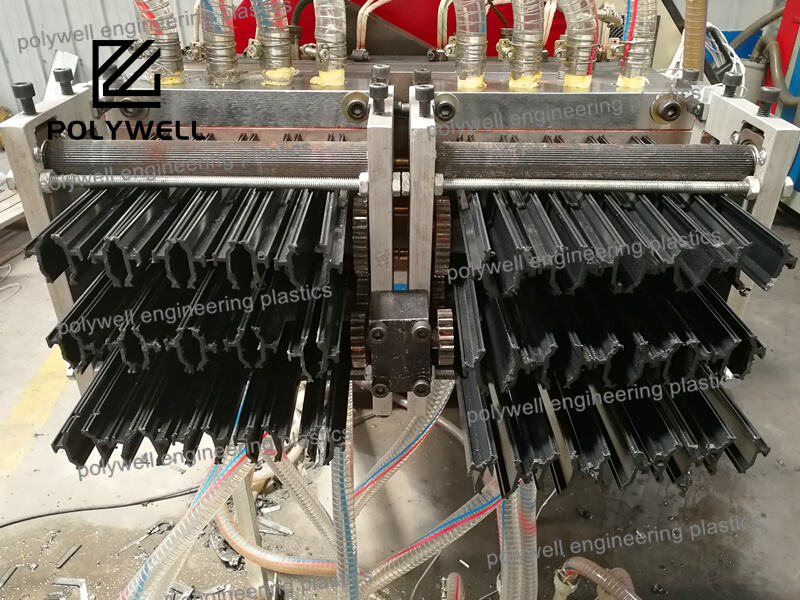
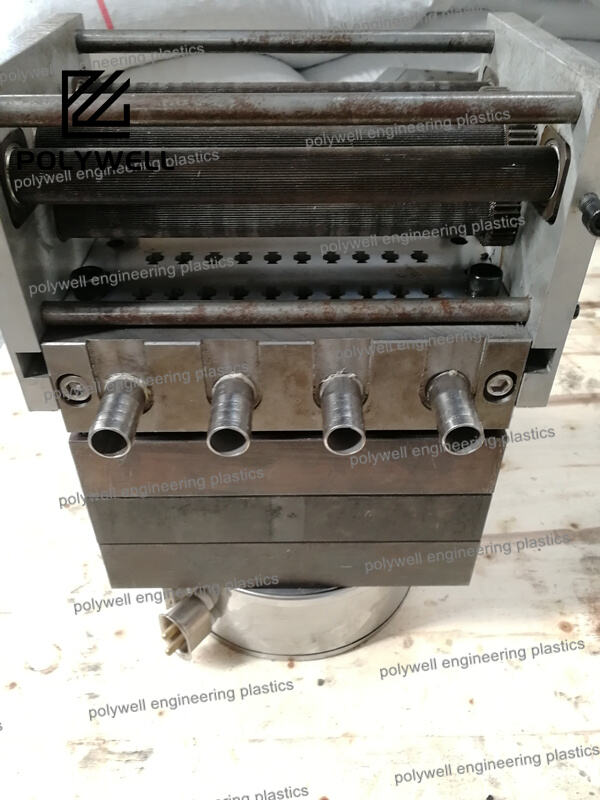
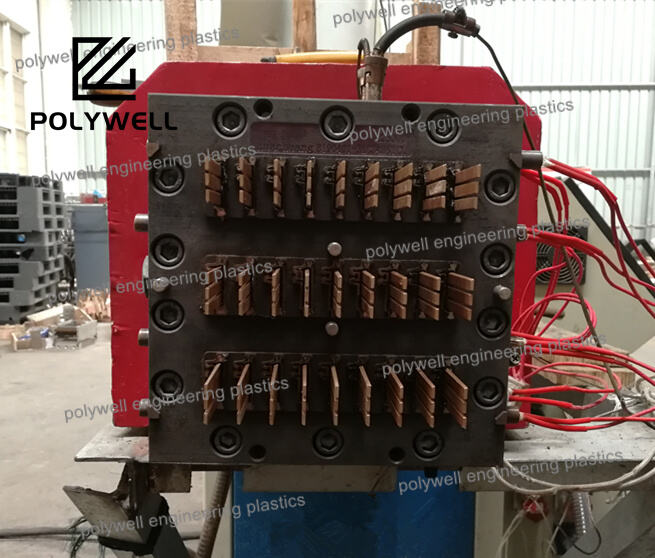
POLYWELL Plastic Screw Extruder: Optimized for Polyamide Thermal Break Strip Extrusion
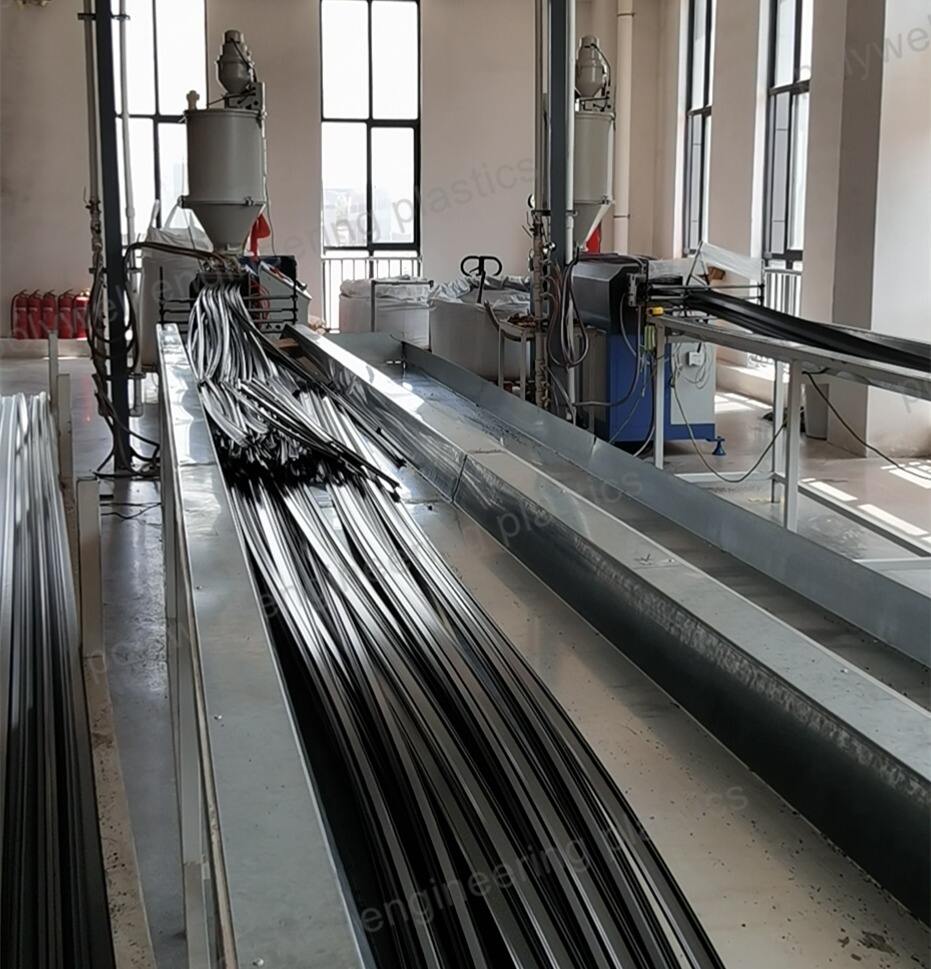
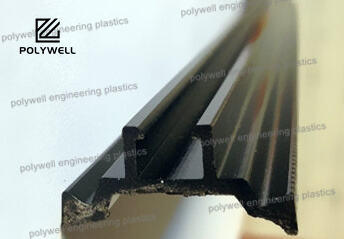
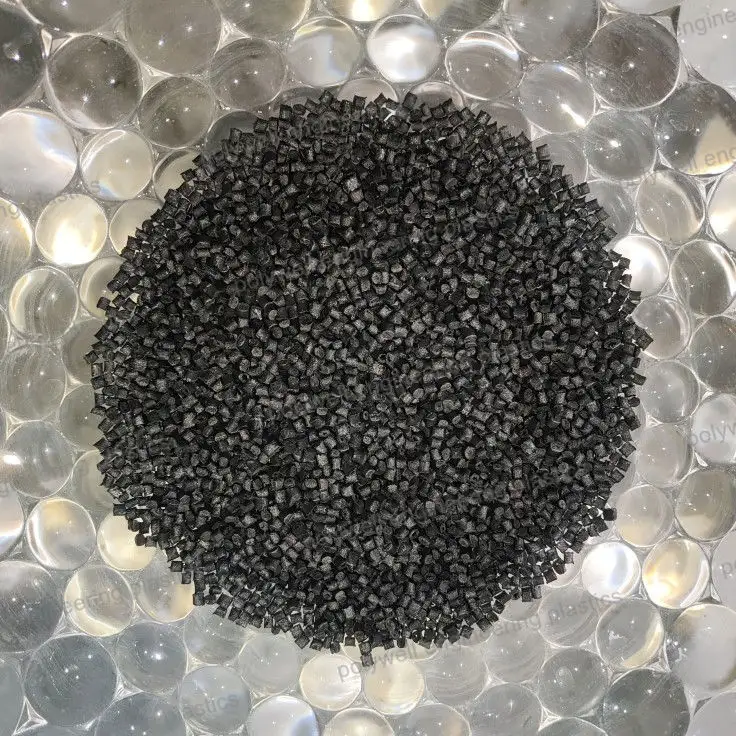
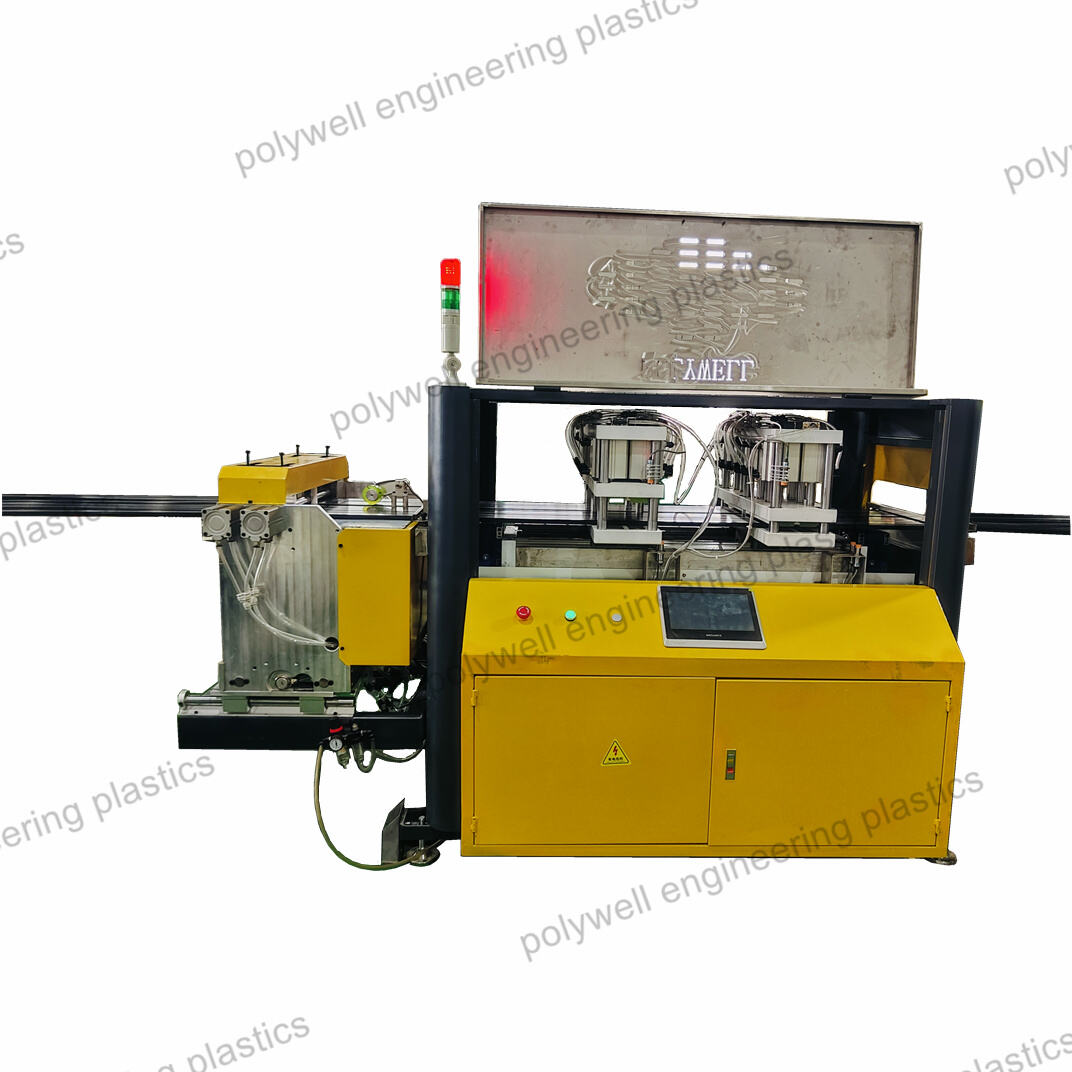
This page focuses on POLYWELL’s plastic screw extruders, designed with specialized screw geometry to handle polyamide materials (core of thermal break strips) efficiently. The screw ensures uniform melting, mixing, and conveying of polyamide granules (as Ms. Özge used with temperature adjustments for “good results”). POLYWELL provides technical support for screw speed and temperature calibration, DFM services to align the extruder with production lines, and on site service to resolve issues. Lifelong training helps clients maintain performance, while client feedback (Mr. Tiago praising extruder usability) confirms reliability. The 6 step cooperation process ensures manufacturers get tailored plastic screw extruder solutions for polyamide production.
Get A Quote

 EN
EN