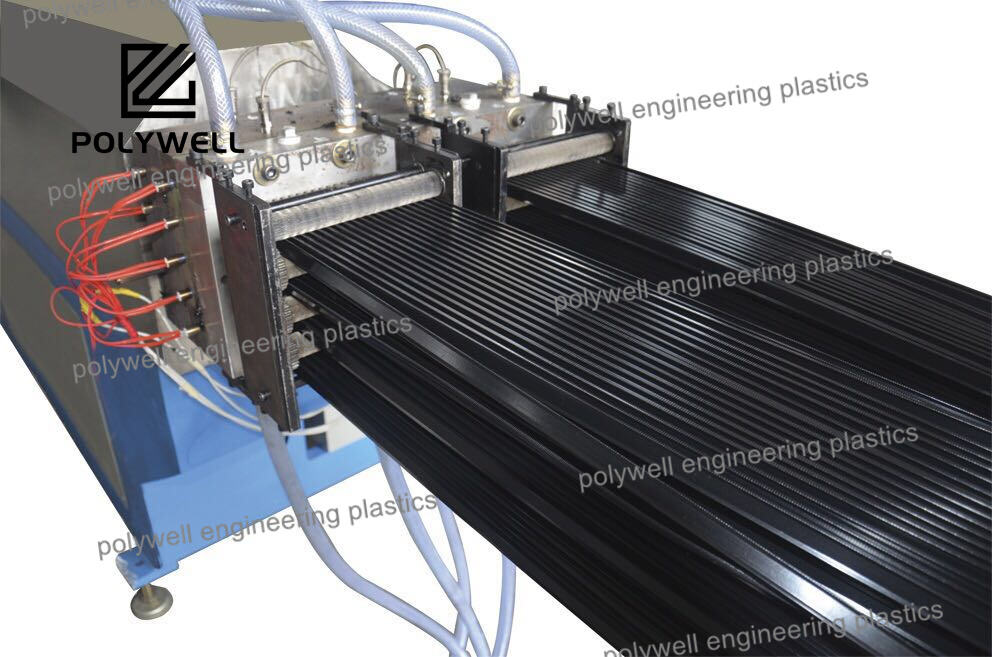
POLYWELL Plastic Extruder Machine Price: Custom Quotes for Polyamide Processing
This page from POLYWELL provides transparent plastic extruder machine prices, tailored for manufacturers needing extruders for polyamide thermal break strip production. With 15+ years of experience, POLYWELL delivers customized prices via its Step 2 cooperation process (“Get quote”): after understanding client needs (e.g., extruder capacity for polyamide strips), it provides a detailed price with design for manufacturing analysis. The price includes not just the extruder but also post purchase support (installation, training, on site service). Client testimonials (e.g., Mr. Tiago’s trust in POLYWELL’s extruders) confirm value, making this page a go to for manufacturers seeking clear, tailored plastic extruder pricing.
Get A Quote

 EN
EN