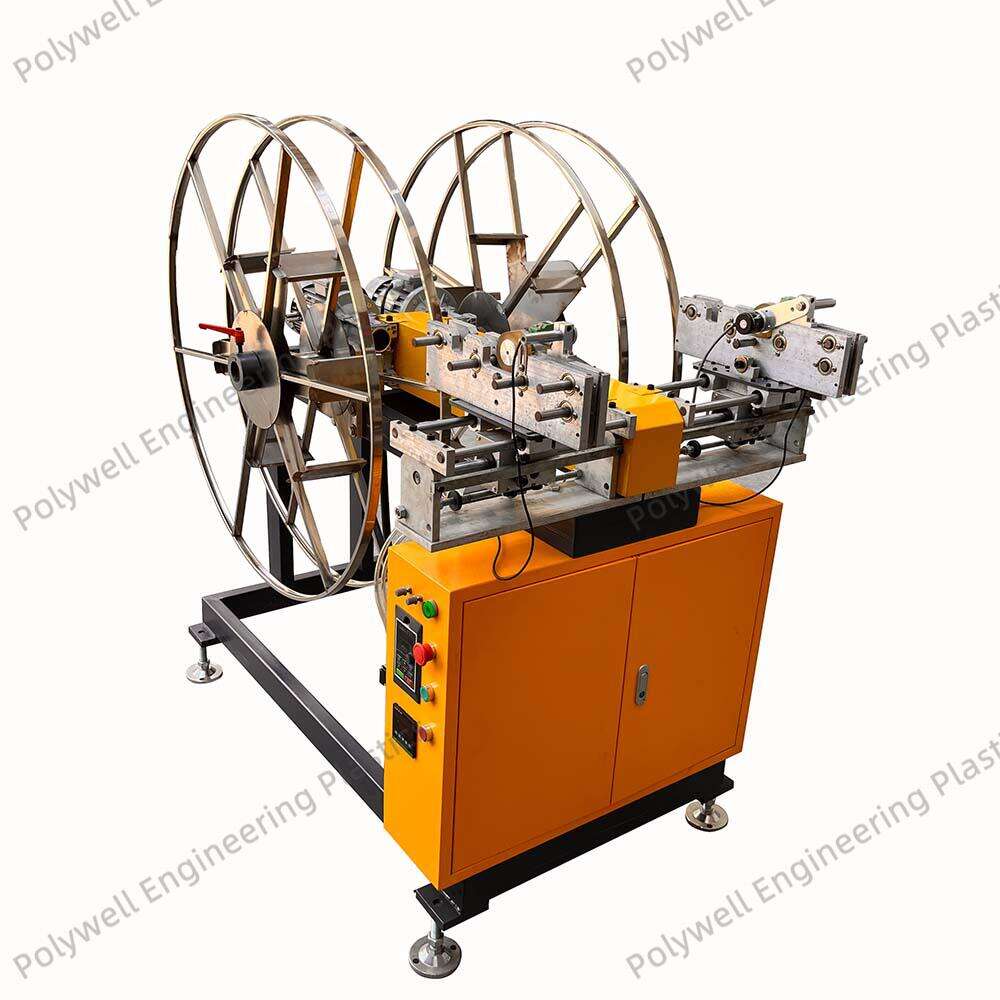
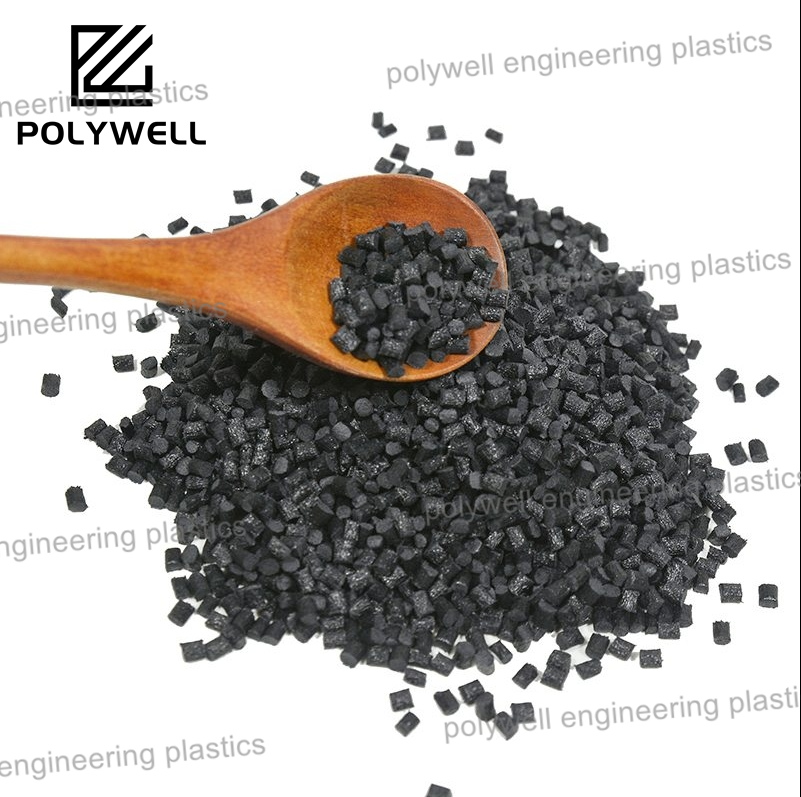
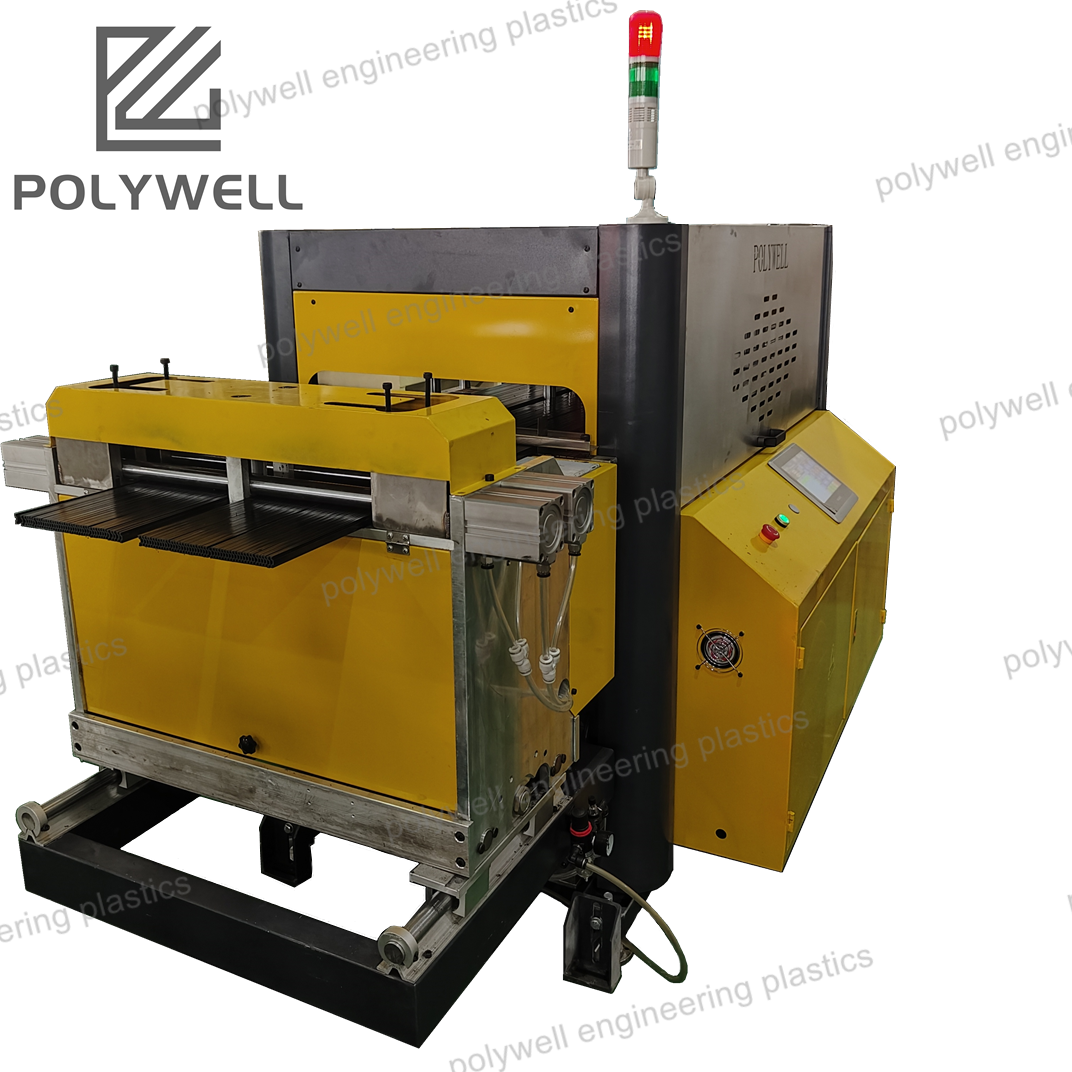
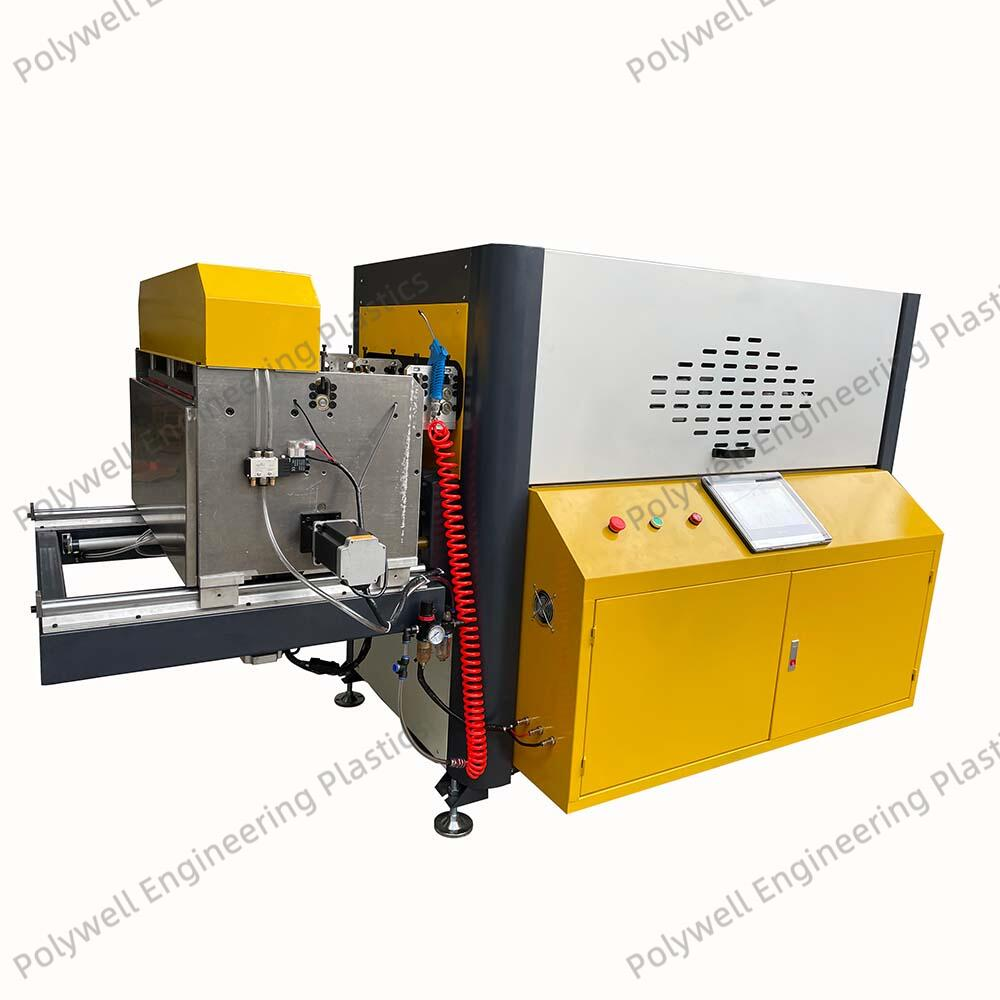
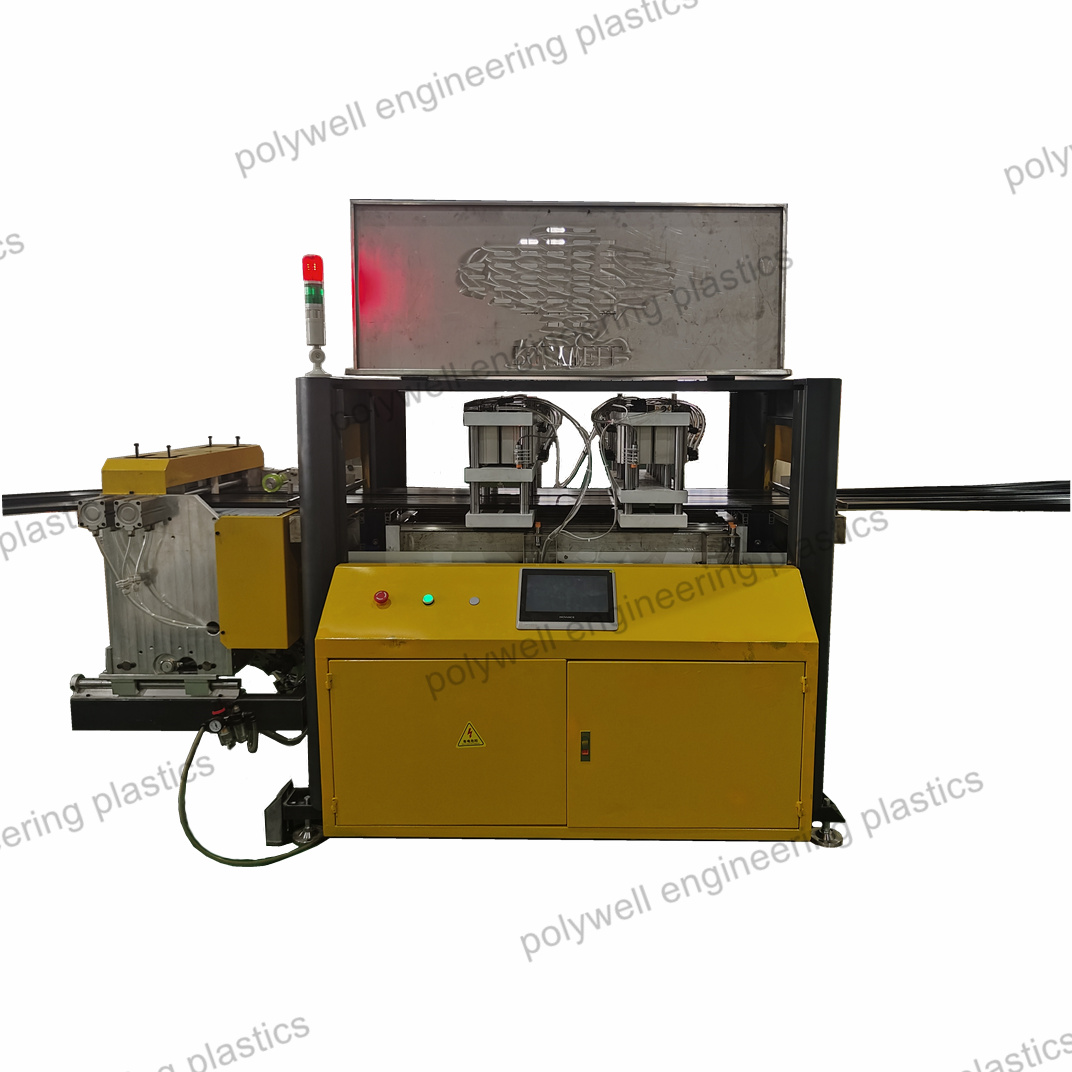
POLYWELL Cutter Machine Price: Transparent Quotes for Polyamide Strip Cutting Equipment
This page from POLYWELL provides transparent cutter machine price information, tailored for manufacturers investing in polyamide thermal break strip production lines. With 15+ years of experience, POLYWELL offers cutter machines (for precise polyamide strip cutting) and delivers customized quotes via its Step 2 cooperation process (“Get quote”): after receiving client drawings or specifications (e.g., cutting capacity, precision needs), it provides a detailed price along with design for manufacturing analysis. The cutter machine price includes not just the equipment but also value added services (technical support, on site service, lifelong training). Client testimonials (e.g., Mr. Tiago’s intent to expand equipment collaboration) confirm cost effectiveness, making this page a reliable resource for manufacturers seeking clear cutter machine pricing.
Get A Quote

 EN
EN