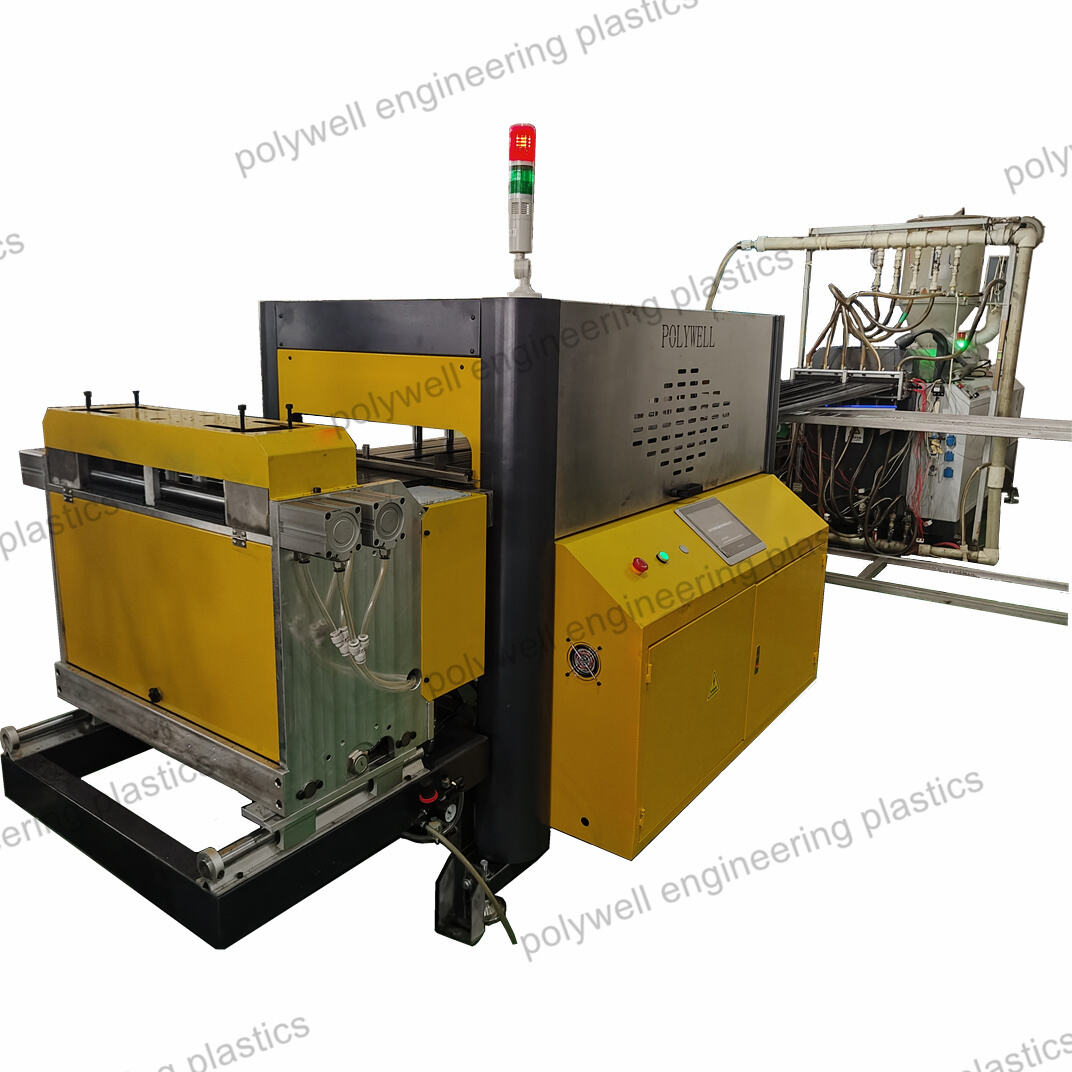
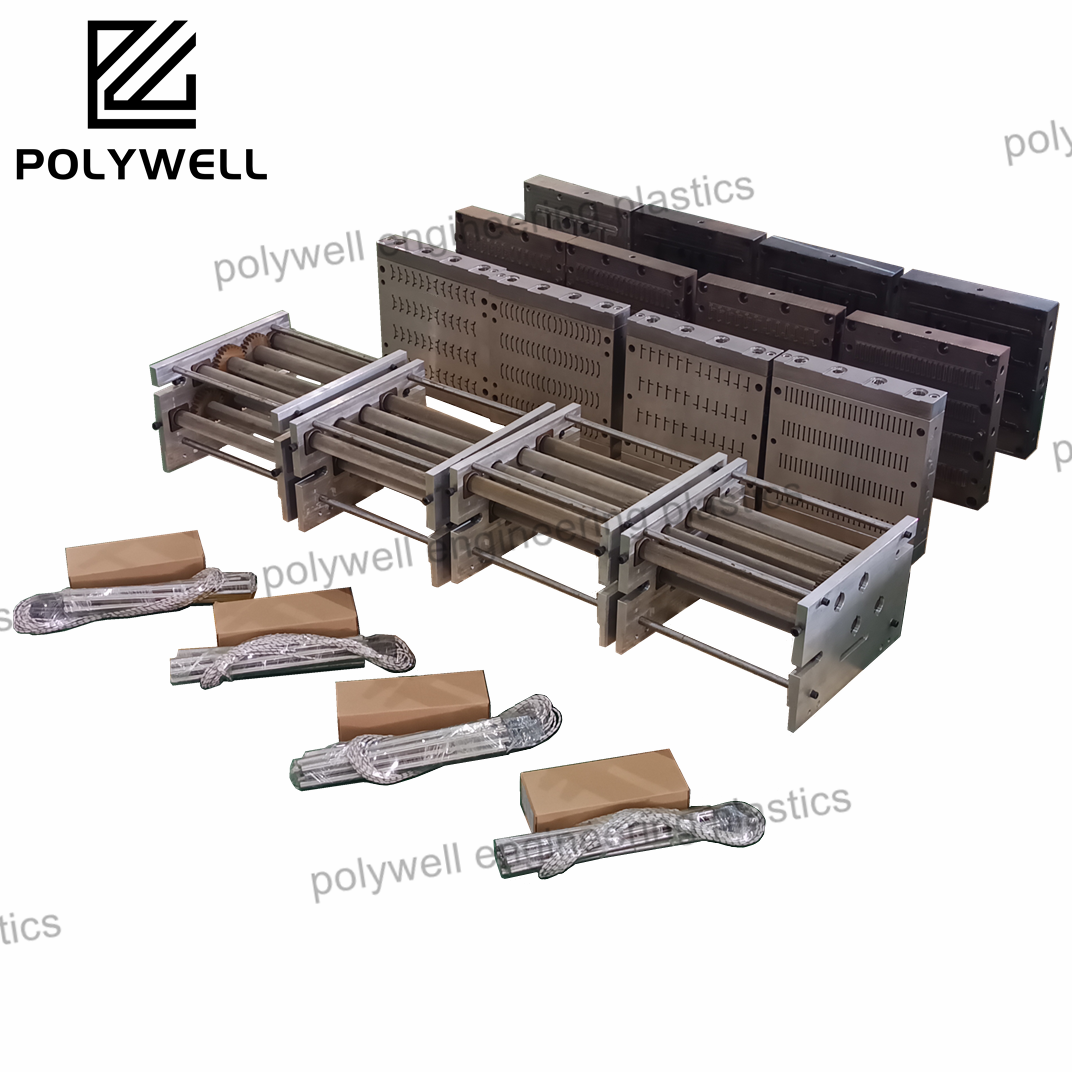
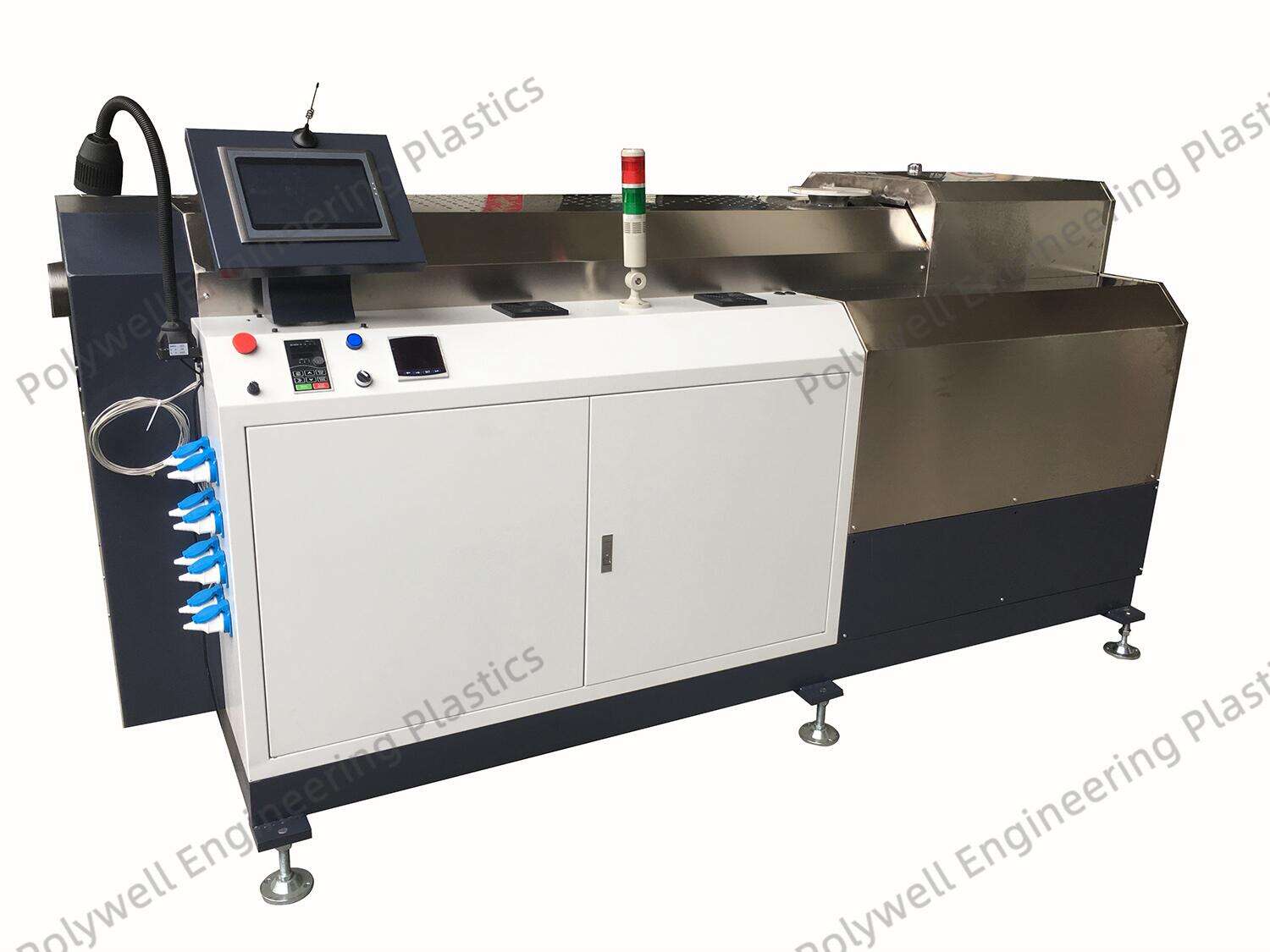
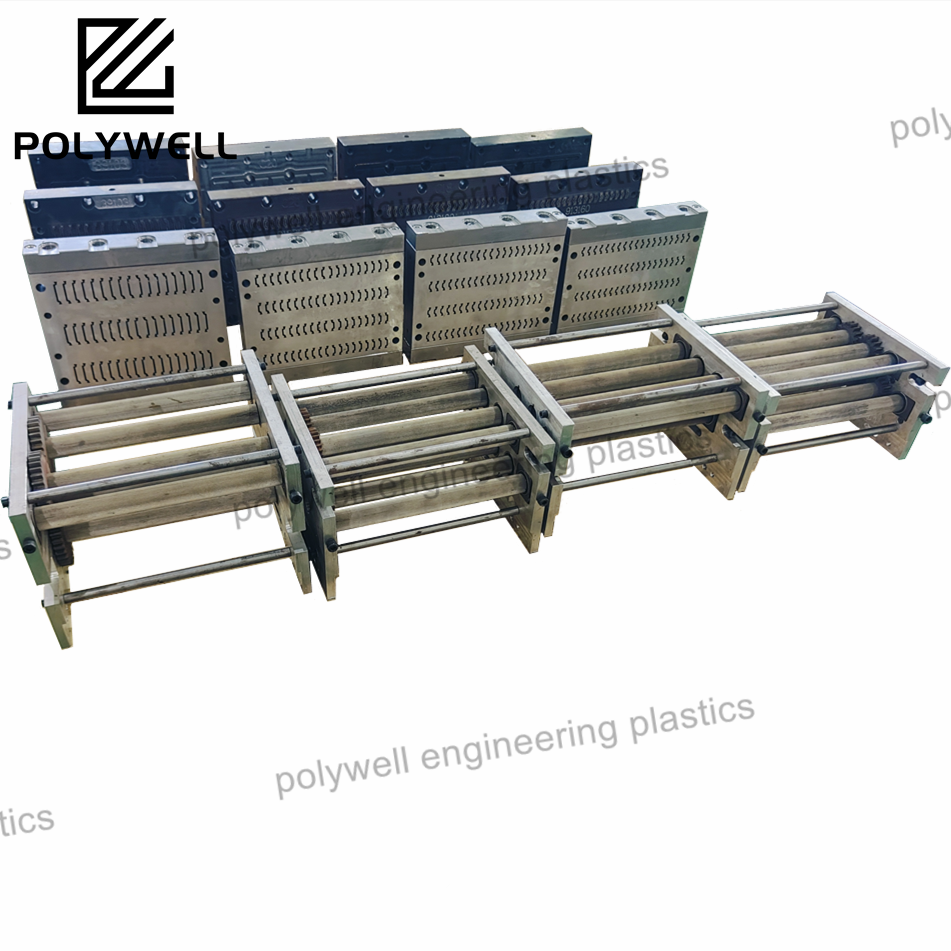
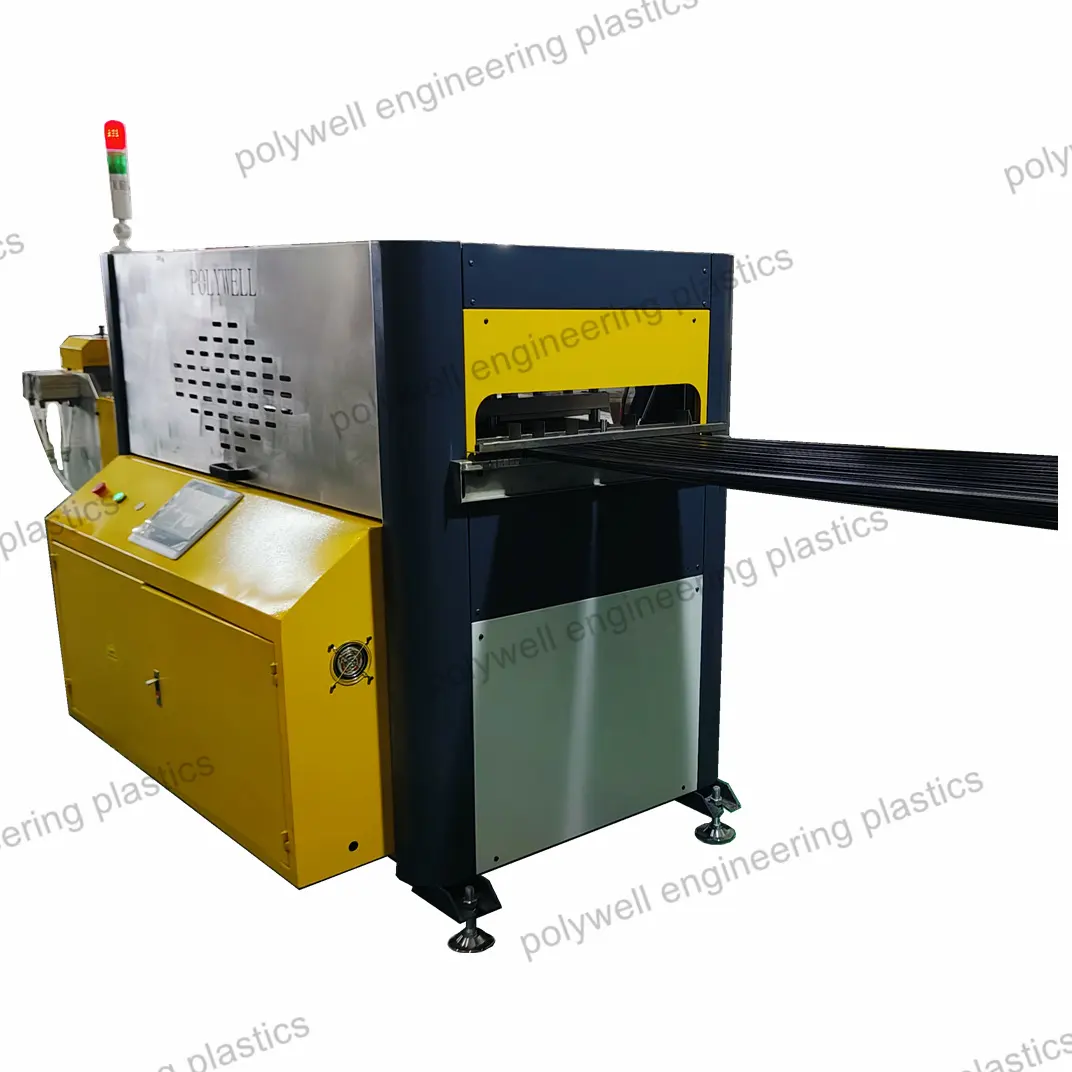
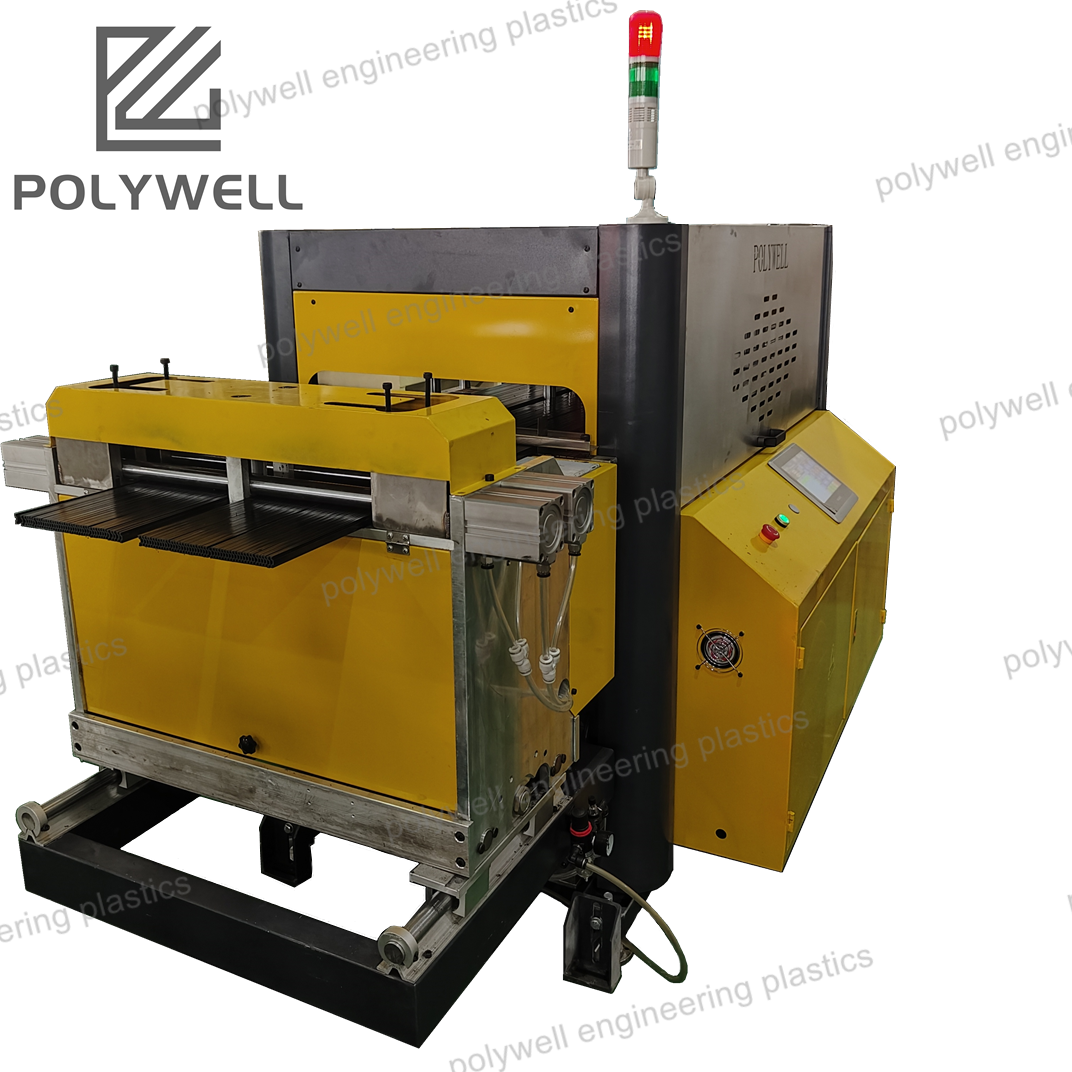
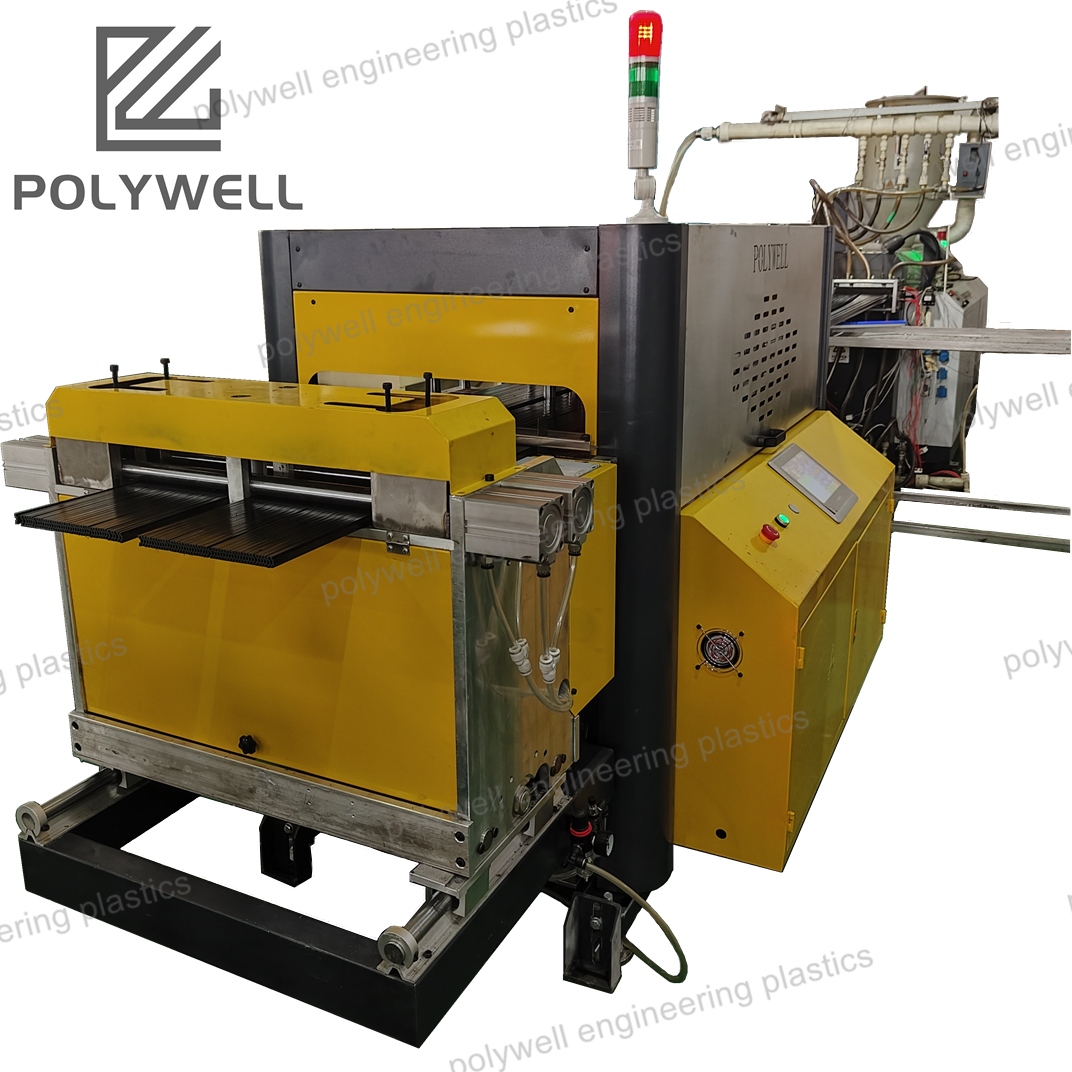
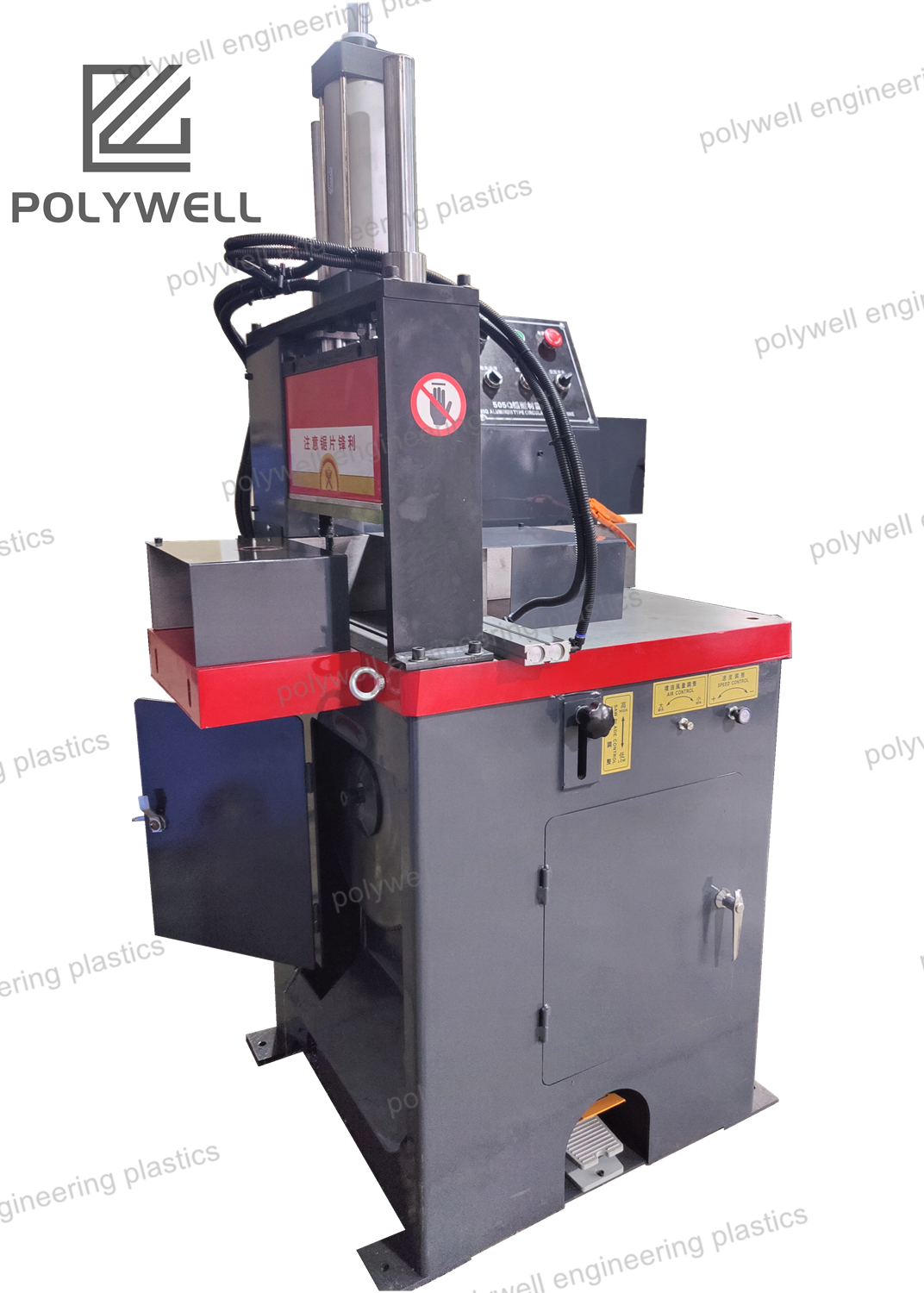
POLYWELL Die Cutter: Precision Cutting for Polyamide Thermal Break Strip Production
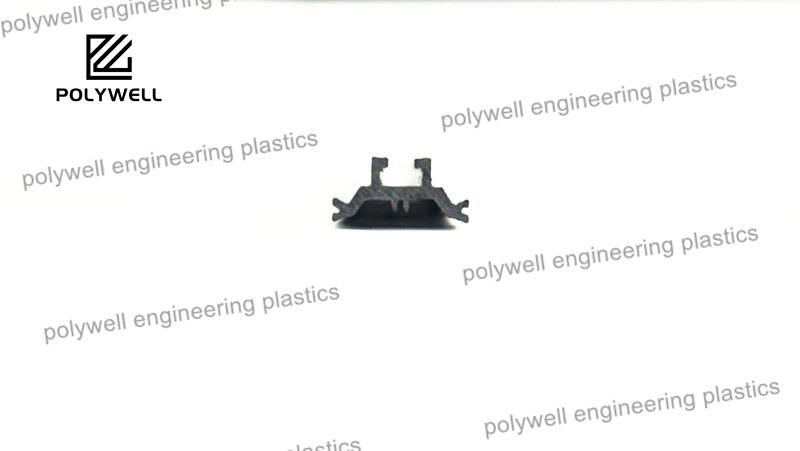
This page belongs to POLYWELL, a provider with 15+ years of experience in polyamide thermal break strip solutions, offering die cutters tailored for precise cutting of polyamide strips. The die cutter ensures clean, tolerance compliant cuts (aligning with Mr. Paolo Celani’s praise for “good dies with sizes within tolerance”) to maintain strip quality. POLYWELL provides full support: technical guidance for adjusting cutting parameters to polyamide’s rigidity, lifelong worker training, and on site service to resolve operational issues. It also offers Design for Manufacturing (DFM) services to integrate the die cutter into existing polyamide strip production lines. The 6 step cooperation process (drawing upload → quote → customization → production → delivery) ensures manufacturers get tailored die cutter solutions, backed by client trust (e.g., Mr. Robin’s positive strip performance feedback).
Get A Quote

 EN
EN