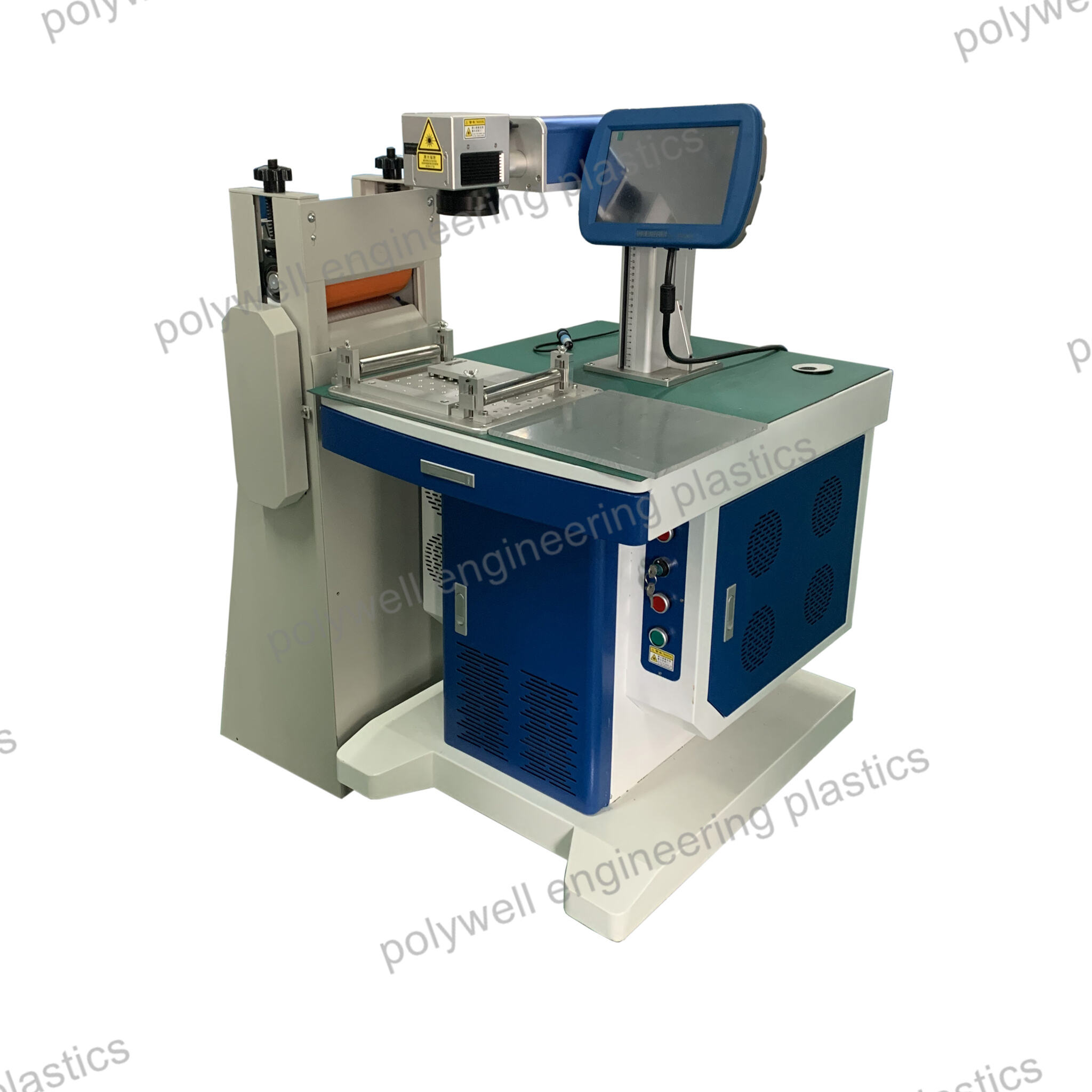
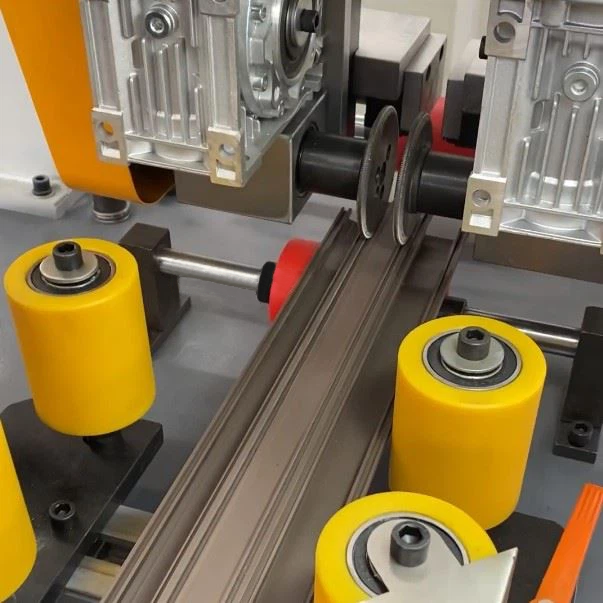
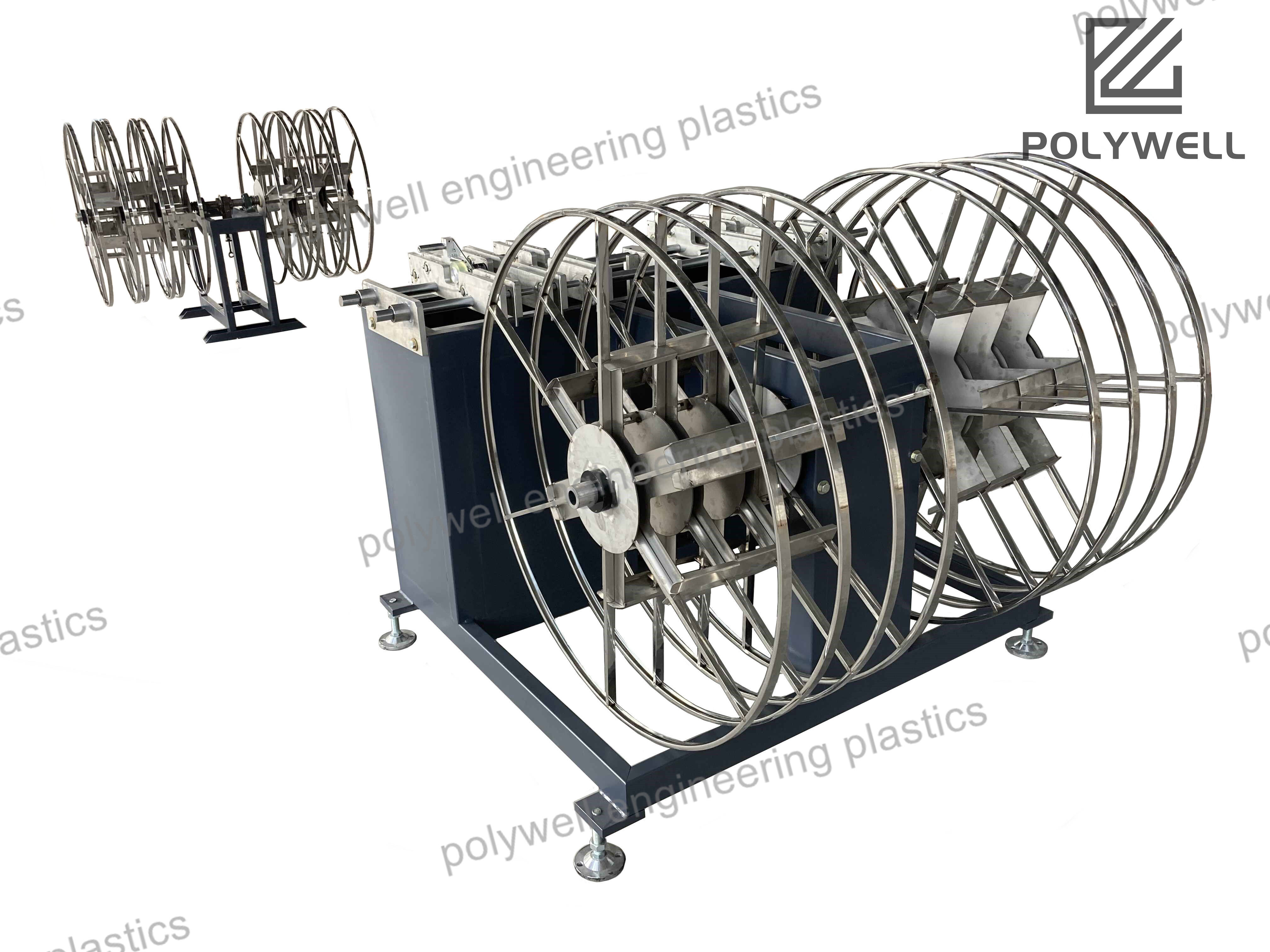
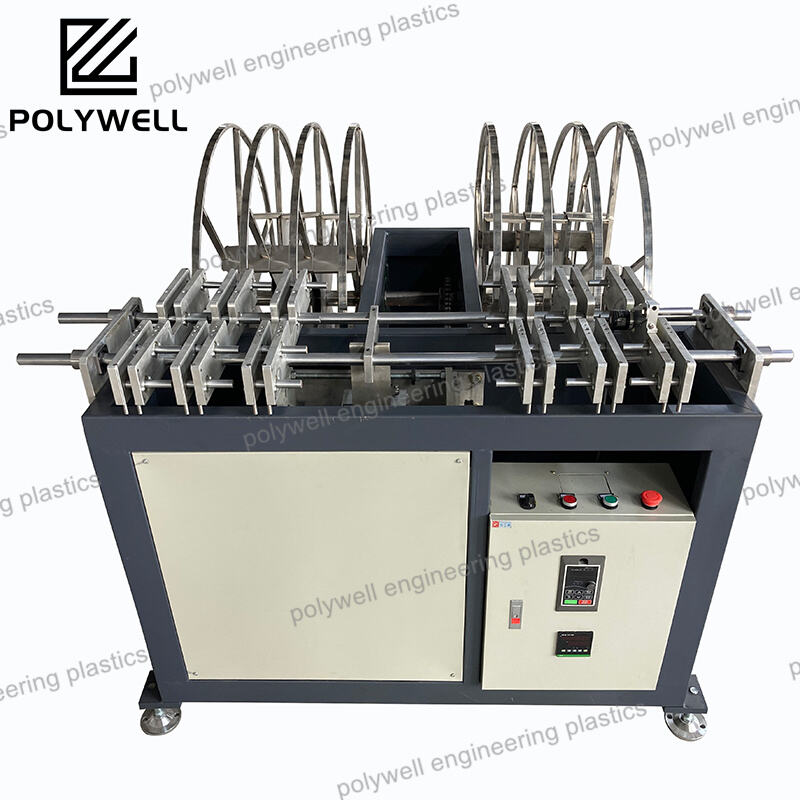
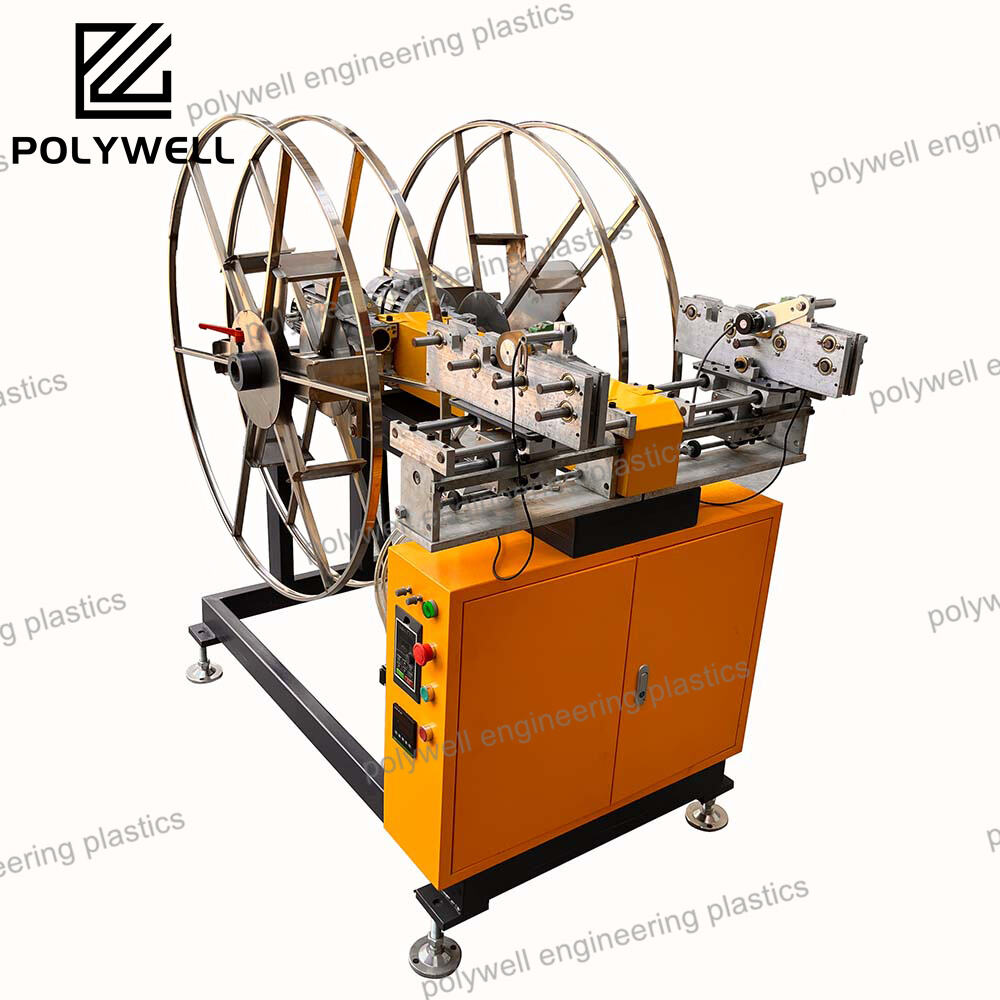
The price of a coil machine, also known as a spooling or winding machine, is determined by a confluence of factors related to its capacity, complexity, and level of automation. Entry-level, manually operated winders for light-duty applications can cost a few thousand dollars, while fully automated, high-capacity systems integrated into a production line can represent an investment of over one hundred thousand dollars. The primary determinant is the machine's intended duty and capacity, including the maximum coil weight, reel diameter, and the width and tensile strength of the material it must handle. A machine designed for winding heavy, wide extruded profiles will require a more powerful drive system and a sturdier frame than one for winding fine filament. The degree of automation is the most significant cost multiplier. A basic machine requiring an operator to manually load cores and thread the material is the most economical. The price increases substantially with features like automatic core loading, robotic arm offloading of finished coils, and integration with upstream and downstream equipment. The precision of the tension control system is another major cost driver. Simple mechanical friction brakes are low-cost, but advanced digital servo-controlled tensioners, essential for sensitive materials to prevent stretching or deformation, add considerable expense. Similarly, a basic traverse mechanism will cost less than a programmable servo-driven traverse that ensures perfect layering. Additional features such as integrated length counters, barcode printers, vision systems for defect detection, and connectivity for Industry 4.0 data collection all contribute to a higher initial price. Therefore, a comprehensive cost-benefit analysis is necessary, weighing the higher initial investment of an advanced coil machine against the long-term savings from reduced labor, minimized product waste, increased line speed, and improved product quality and consistency.