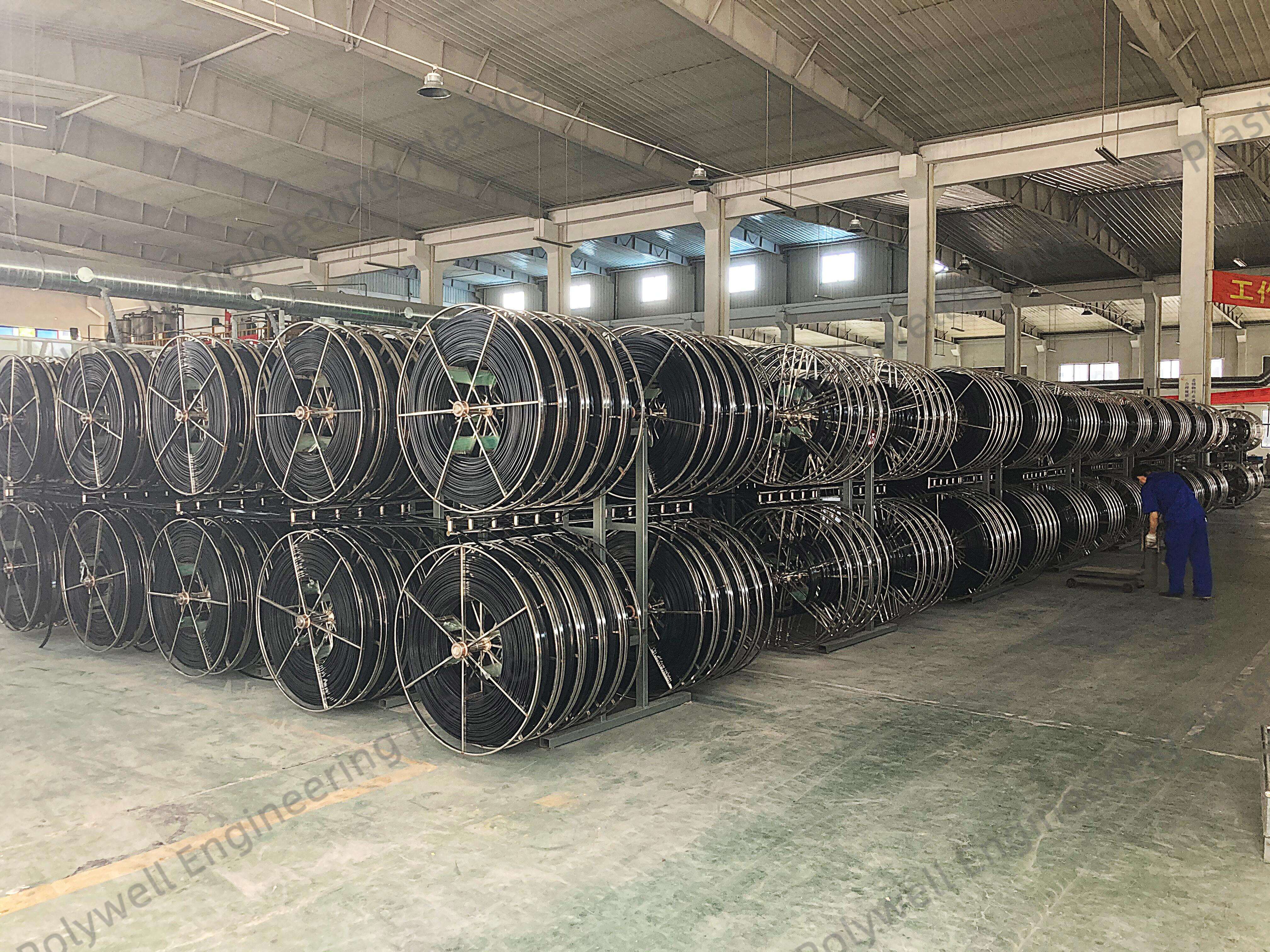
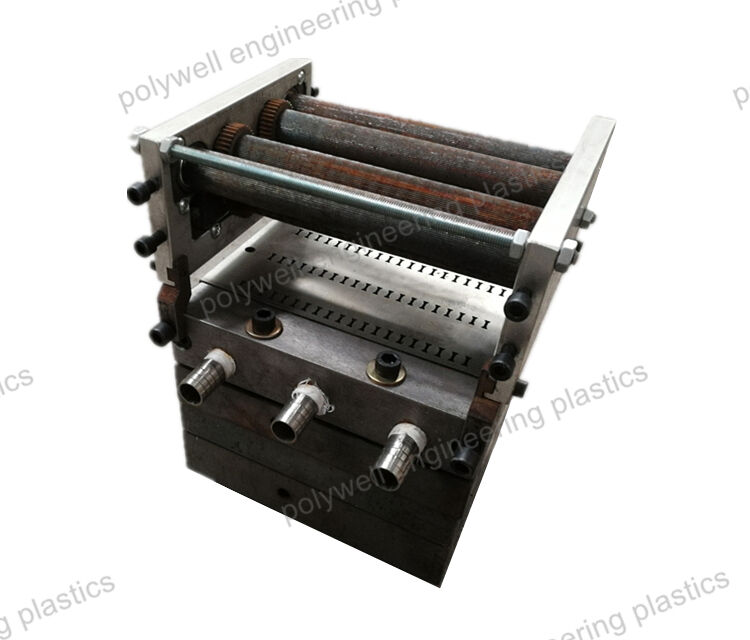
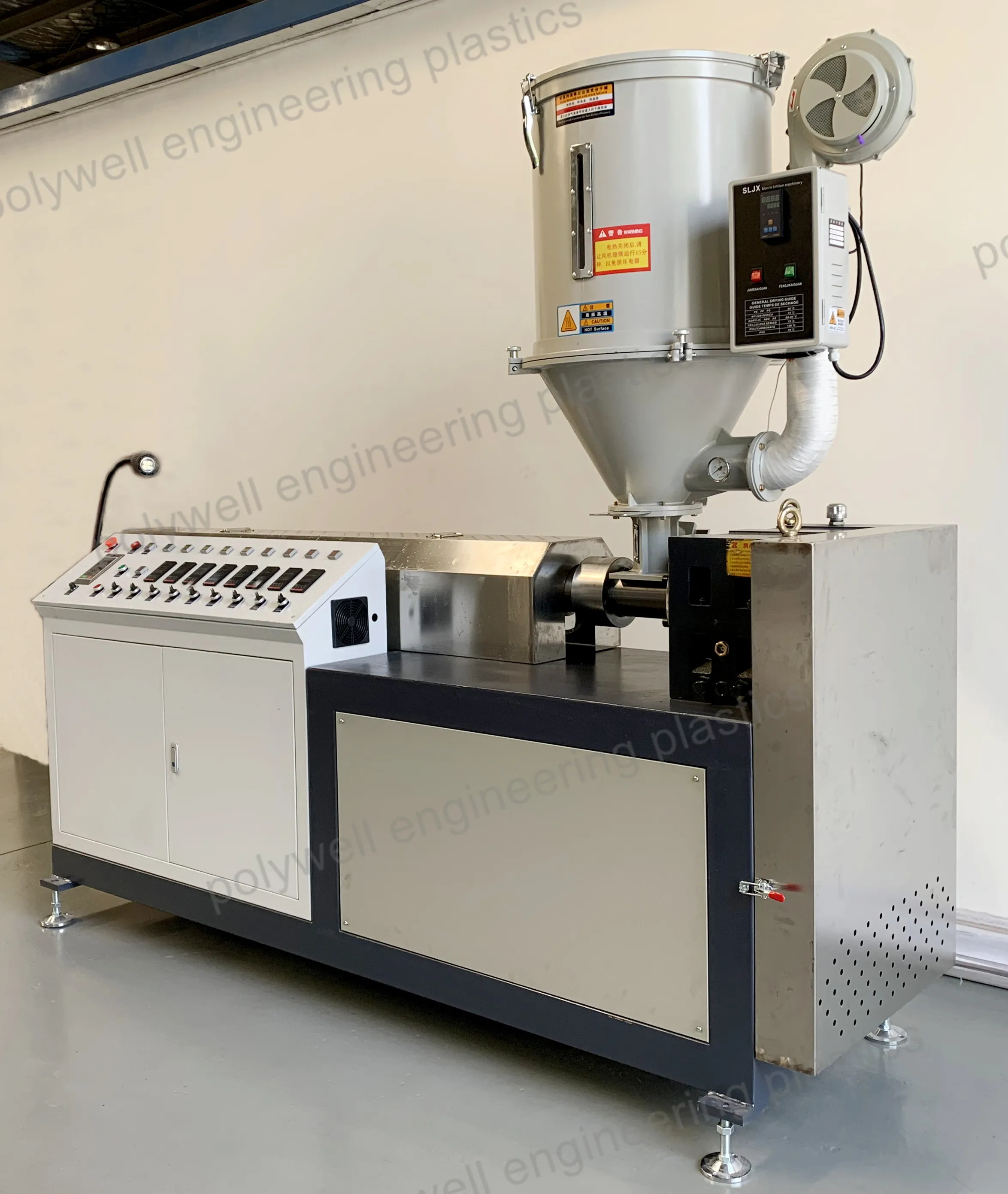
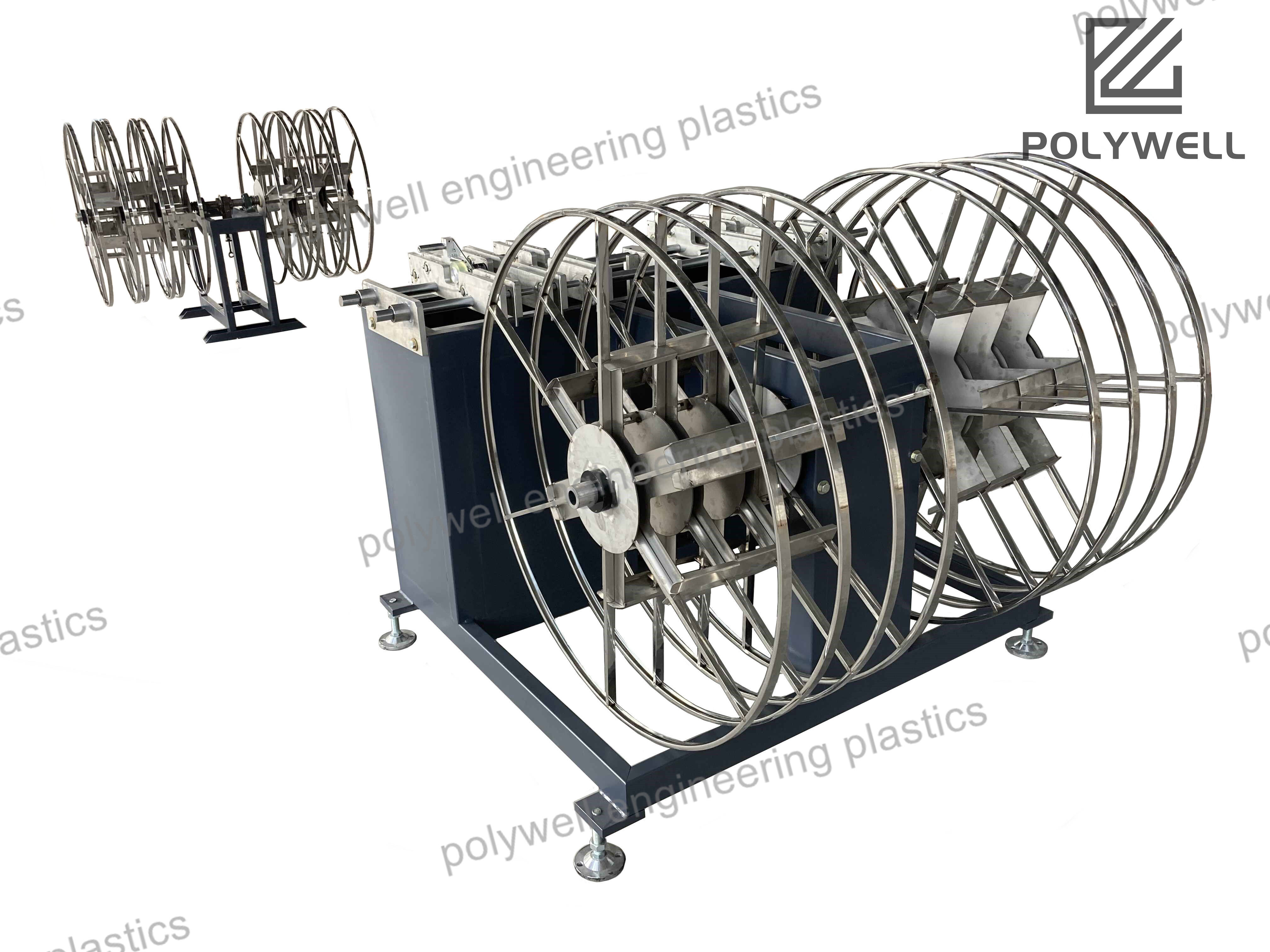
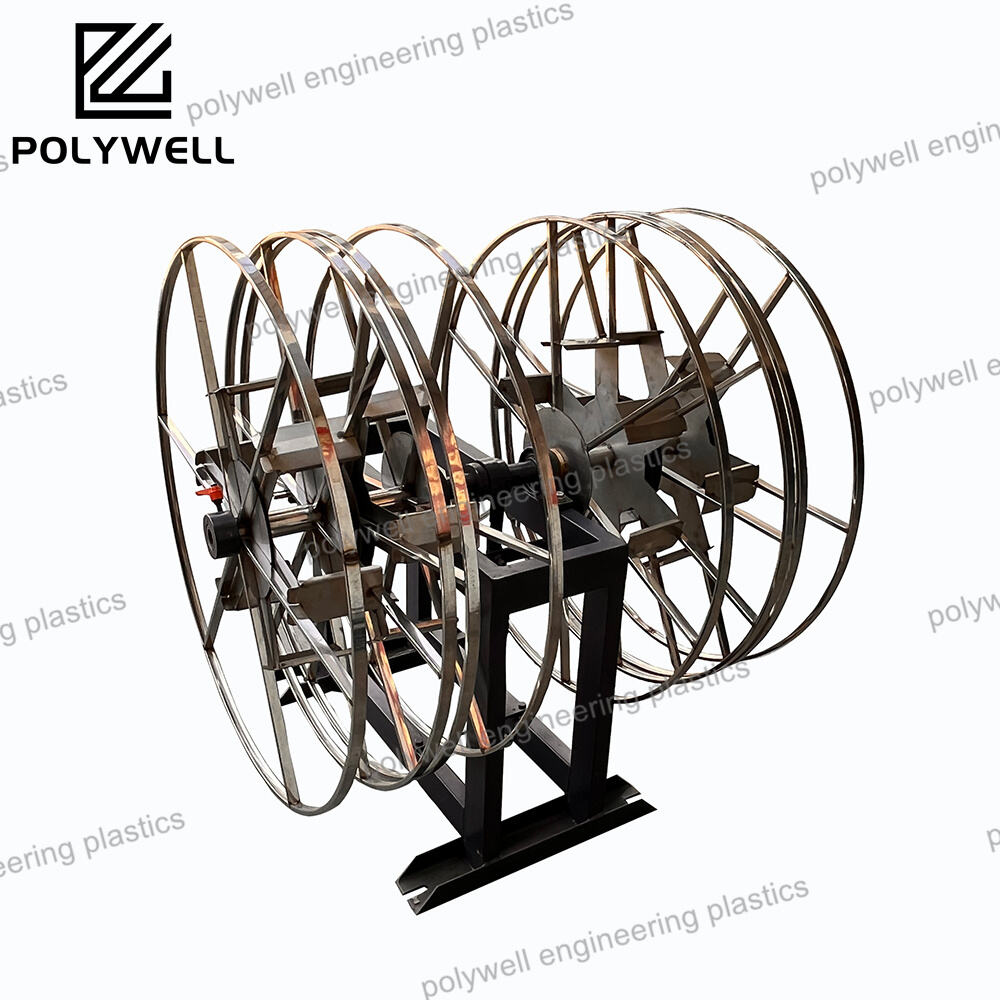
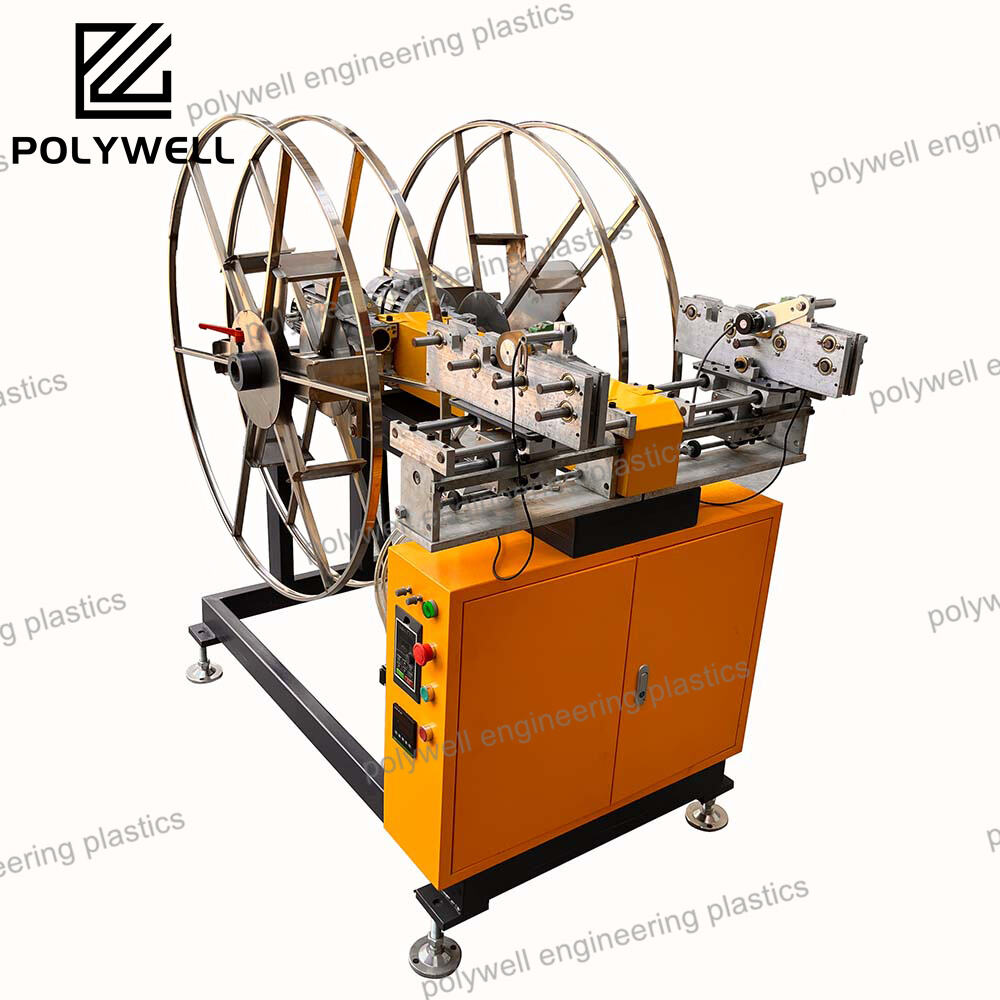
POLYWELL Coil Machine: Essential Coiling Equipment for Polyamide Thermal Break Strips
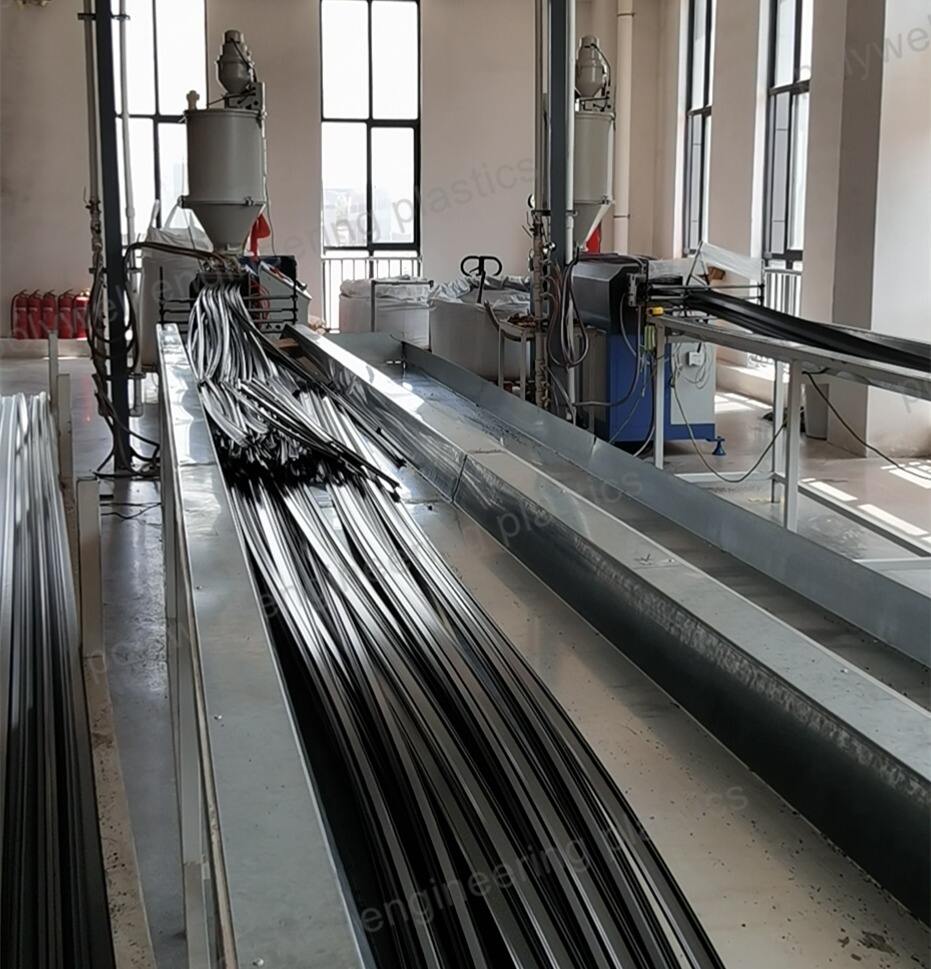
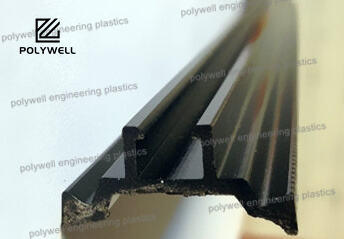
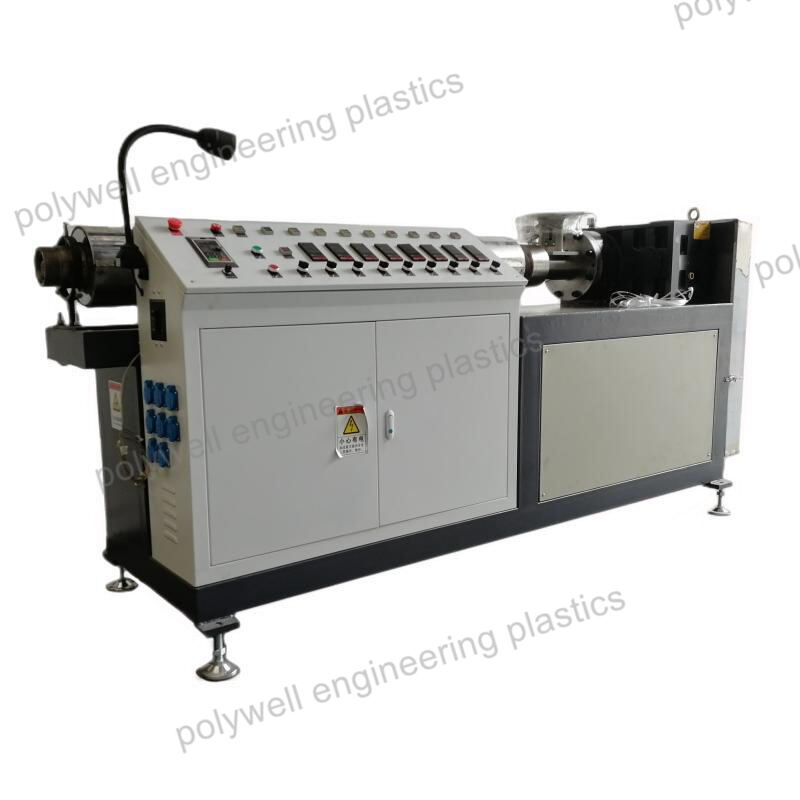
This page showcases POLYWELL’s coil machine, a core part of polyamide thermal break strip production lines (under “Other equipments”) and backed by 15+ years of experience. The coil machine streamlines post extrusion handling by coiling polyamide strips into neat, transportable coils, supporting efficient packaging (aligning with POLYWELL’s “Package and ship” step). POLYWELL provides technical support for adjusting coil speed and tension, DFM services to integrate the machine with extruders, and on site service to resolve coiling issues. Lifelong training ensures consistent operation, while client feedback (Mr. Robin noting “polyamide strips work perfectly”) reinforces quality. The 6 step cooperation process ensures manufacturers get tailored coil machine solutions from quote to delivery.
Get A Quote

 EN
EN