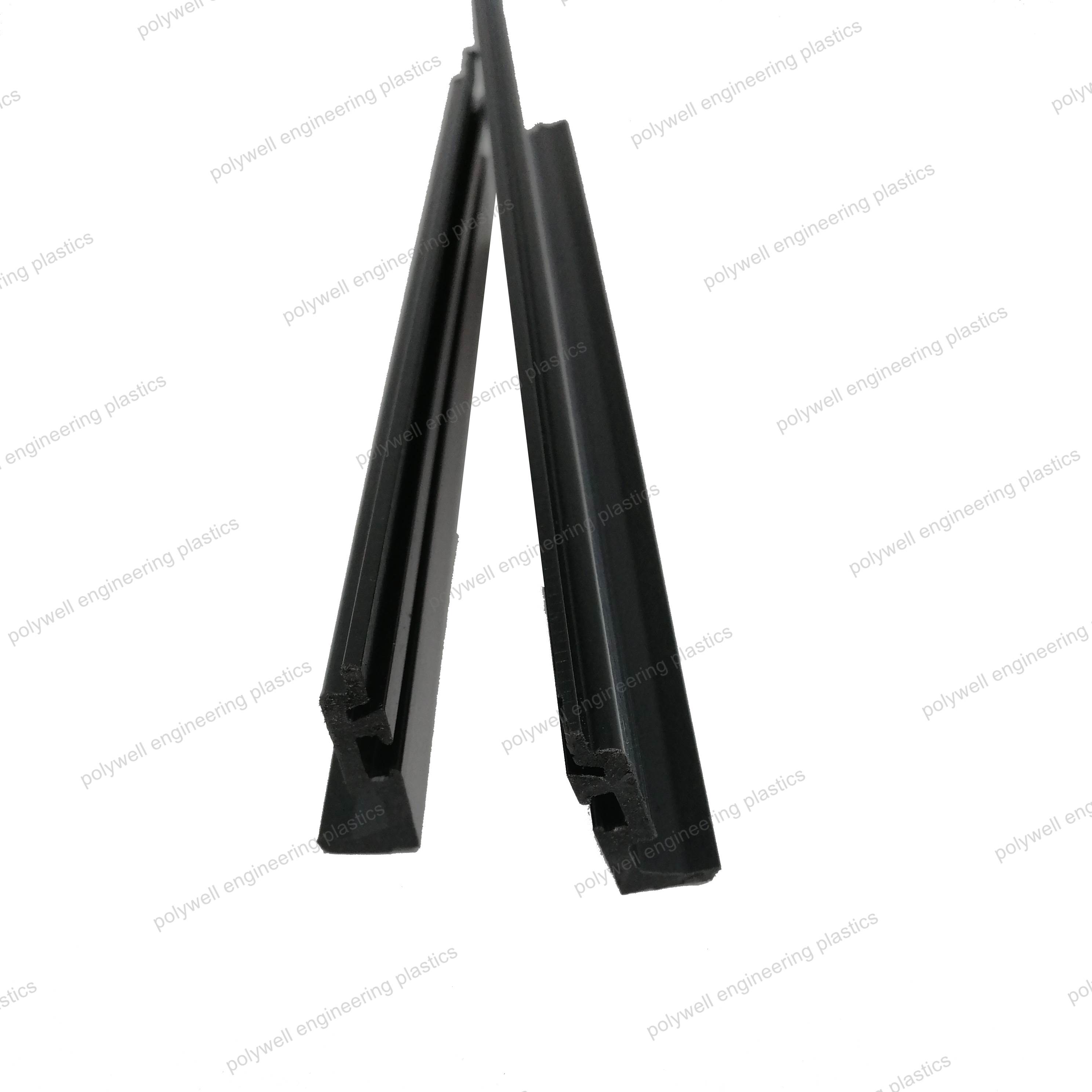
In the competitive world of sustainable architecture, the energy performance of a building is dictated by the weakest link in its envelope. Aluminum, while favored for its durability and aesthetic versatility, is inherently conductive, making it a major source of thermal leakage. This is where polyamide 66 (PA66) thermal break strips have revolutionized the industry. These precision-engineered profiles act as a thermal barrier, separating the interior and exterior aluminum sections of window frames and curtain walls. Their ability to function seamlessly within these frames is not just an added benefit; it is the fundamental reason why modern high-performance windows are able to meet today’s stringent energy codes and comfort standards.
To understand why PA66 is the material of choice, one must examine its molecular backbone. PA66, typically reinforced with 25% glass fiber (GF25), offers a unique combination of low thermal conductivity and high structural rigidity. Unlike metal or standard plastic, the polyamide matrix possesses a low heat transfer coefficient, which essentially "breaks" the thermal bridge of the aluminum frame. In practice, this means the interior surface of the window remains warm in winter and cool in summer, regardless of the outdoor temperature. Polywell leverages advanced extrusion technology to ensure that the glass fiber distribution within the PA66 matrix is uniform. This microscopic precision ensures that there are no weak points for heat to bypass, guaranteeing consistent thermal insulation across the entire length of the window frame.
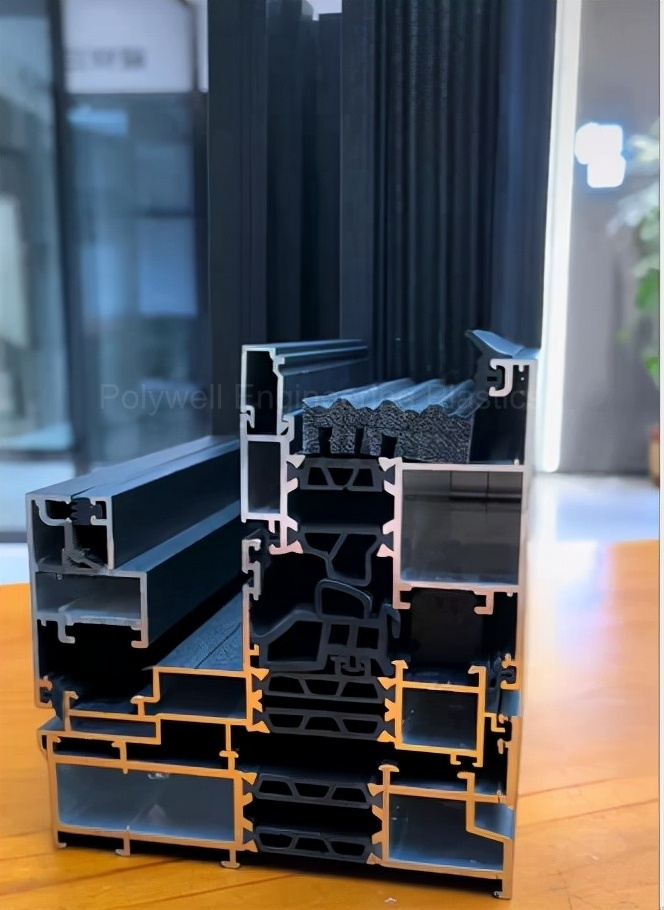
Window frames are subjected to constant mechanical stress and significant temperature fluctuations. Throughout the changing seasons, aluminum expands and contracts. A thermal break strip must possess a coefficient of thermal expansion that is compatible with aluminum to prevent the strip from loosening or causing structural fatigue over time. PA66 excels in this regard. Its high tensile strength and impact resistance allow it to maintain a rock-solid mechanical bond with the aluminum profiles. In regions ranging from the freezing arctic to the scorching desert, Polywell PA66 strips demonstrate remarkable stability. They do not turn brittle in extreme cold, nor do they deform under high-heat conditions, ensuring that the window frame remains structurally sound and airtight for decades, which is a testament to the robust nature of correctly engineered polyamide components.
Beyond mere insulation, the integration of PA66 strips within the aluminum frame significantly enhances the overall system's integrity. High-quality thermal break strips act as a mechanical spacer that helps maintain the precise geometry of the window profile. When assembled using high-precision rolling machines, the friction between the strip and the aluminum profile creates a secure, vibration-dampening seal. This is crucial for preventing water ingress and sound transmission. Poorly manufactured strips often suffer from dimensional inaccuracies, leading to gaps that undermine the entire window system. By adhering to international tolerance standards, Polywell ensures that every strip fits perfectly into the aluminum slots, providing a reliable seal that protects against wind loads and heavy rainfall, thereby enhancing the long-term weather resistance of the facade.
In the current global real estate market, the commercial value of a building is increasingly tied to its energy profile. Buildings that meet high-performance standards, such as those aiming for LEED, BREEAM, or Passive House certifications, command higher valuations and attract premium tenants. The installation of high-quality PA66 thermal break strips is a cost-effective strategy to achieve these certifications. While the initial investment might seem minor compared to the total building cost, the compounding returns—achieved through reduced energy consumption for HVAC systems and lower maintenance costs—are substantial. Choosing a reliable, high-performing solution from Polywell reduces the likelihood of long-term structural issues, providing developers with peace of mind and significantly lower total cost of ownership throughout the building’s lifecycle.
Reliability is the ultimate requirement for any component embedded in the building envelope. As architects and facade engineers aim for ambitious structural designs, the support of a technical partner becomes indispensable. Polywell stands at the forefront of the thermal barrier industry, providing not just products, but engineered solutions that facilitate the construction of greener, safer, and more efficient buildings. With a global supply chain capable of meeting the demands of large-scale, complex projects, Polywell ensures that high-strength, weather-resistant PA66 strips are delivered to exact specifications. By consistently pushing the boundaries of material performance and manufacturing precision, Polywell helps developers and fabricators bridge the gap between architectural innovation and long-term functional excellence, ensuring that modern window systems perform exactly as they were engineered to do, year after year.
 Hot News
POLYWELL specializes in PA66 thermal insulation strips, offering polyamide granules, extruders, molds, winding machines, and comprehensive one-stop customization services.
Jinfeng Town, Zhangjiagang City, Suzhou City, Jiangsu Province, China
Copyright © 2024 Suzhou Polywell Engineering Plastics Co.,Ltd Privacy Policy

 EN
EN