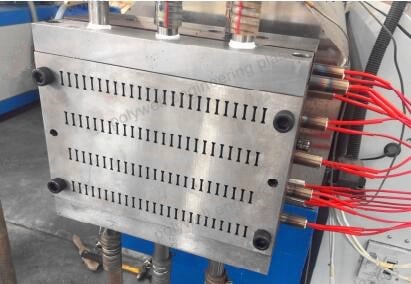
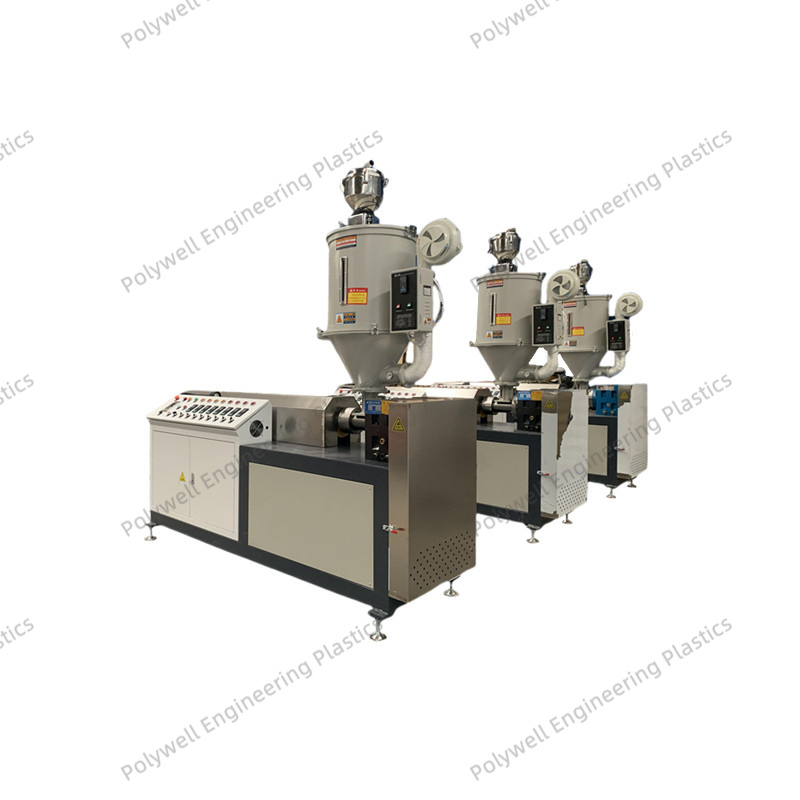
In modern architectural engineering, the energy efficiency of a building envelope is largely defined by the quality of its thermal break strips. These components are the unsung heroes within aluminum windows, doors, and curtain wall systems, acting as the primary barrier against heat transfer. However, designing a strip is only half the battle; ensuring that its thermal insulation properties perform as predicted under real-world conditions is where the true engineering challenge lies. Heat insulation testing serves as the ultimate quality control gate, transforming raw material specifications into verified performance data. Without these rigorous testing procedures, developers and window manufacturers face a significant risk of energy leakage, building code non-compliance, and catastrophic structural failure.
The core of insulation testing revolves around measuring the thermal conductivity, often denoted as the lambda value (λ). For PA66 thermal break strips, achieving a low thermal conductivity is essential, as this directly determines how effectively the component resists heat flow between the exterior and interior aluminum profiles. Testing protocols involve high-precision apparatus that measure steady-state heat flow through the material. Factors such as the percentage of glass fiber reinforcement, the internal cell structure of the polyamide, and the extrusion density must be perfectly balanced. Experts in the field understand that even a marginal increase in thermal conductivity can lead to exponential losses in building energy efficiency. Polywell employs these advanced testing standards to ensure that every production batch meets the stringent requirements set by international energy performance directives.
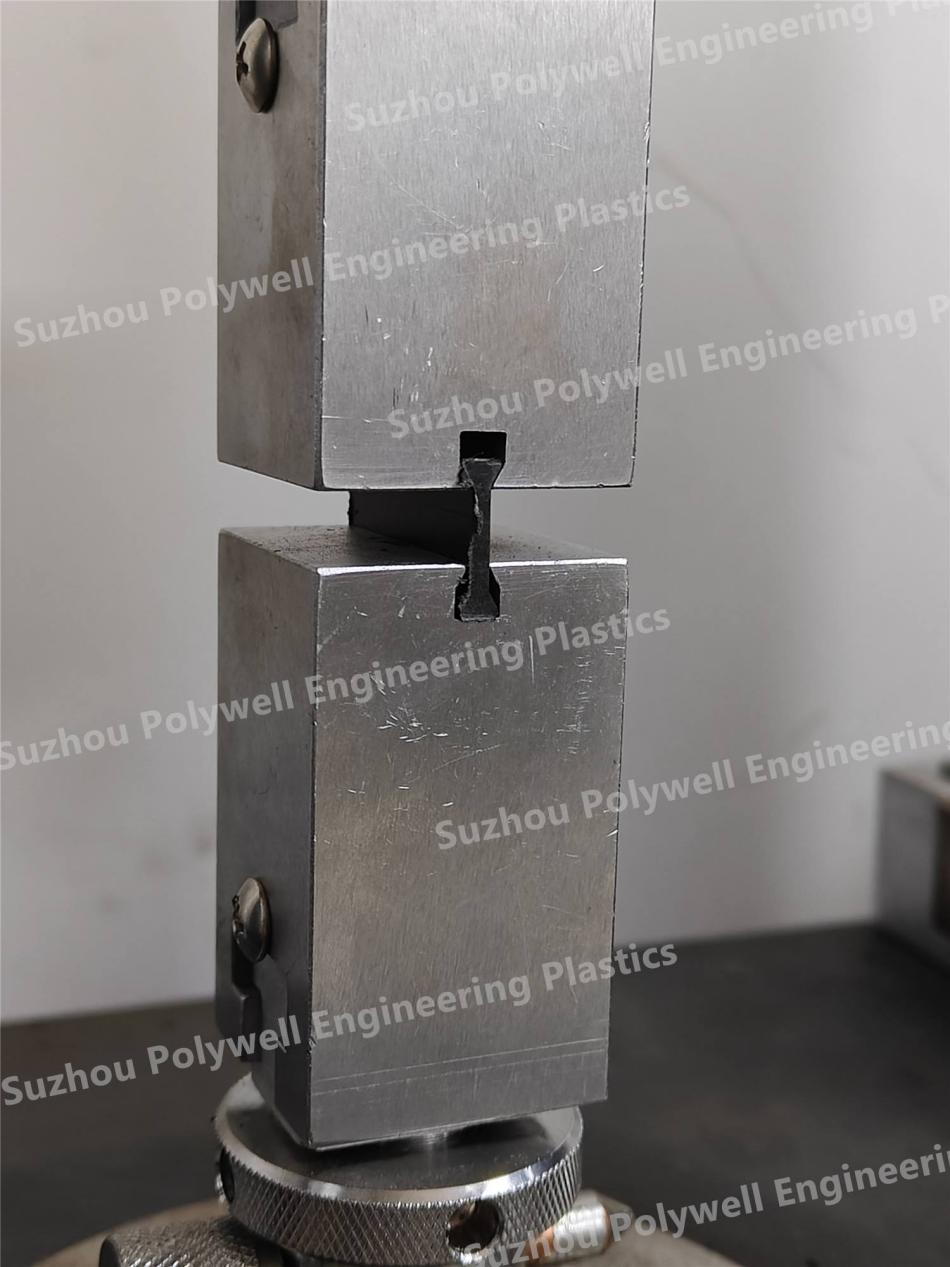
Quality control in the production of thermal break strips requires more than just occasional spot checks; it demands a comprehensive, standardized testing regime. Professional laboratories utilize heat flow meter instruments that provide highly accurate data under controlled temperature gradients. These tests simulate the extreme thermal differences that a building facade might experience in a typical year, from scorching heat to freezing cold. The consistency of results across thousands of testing cycles provides the baseline for trust. For architects and engineers, these test reports are not just papers—they are the verification of the product’s capability to stand up to decades of service. By standardizing these measurements, Polywell builds a transparent supply chain where every component can be traced back to its specific thermal performance metric.
It is a common misconception that heat insulation is independent of structural performance. In reality, the two are intrinsically linked. A thermal break strip that provides excellent insulation but fails under shear or tension is useless in a structural curtain wall. Therefore, modern quality control programs often combine thermal testing with rigorous mechanical stress tests. By observing how strips behave under cycles of extreme temperature—a process known as thermal cycling—engineers can identify potential weaknesses such as debonding or micro-cracking. Polywell integrates these testing phases into its manufacturing workflow, ensuring that the material does not just insulate well, but also maintains its structural grip on the aluminum frame, even when exposed to severe weather conditions over extended periods.
Beyond the technical necessity, heat insulation testing provides immense commercial value for project developers. Buildings that are verified for high thermal performance can command higher market rents, qualify for prestigious green building certifications like LEED or BREEAM, and substantially reduce operating costs for tenants. Conversely, relying on untested or sub-standard thermal break strips creates a long-term liability. Should an insulation failure occur post-installation, the costs associated with remediation, energy audit penalties, and the potential loss of building certification can be staggering. Choosing a supplier that prioritizes comprehensive testing, such as Polywell, effectively shifts the risk from the developer to the manufacturer, ensuring that the building performs as designed from day one.
The future of the building materials industry lies in the commitment to precision, sustainability, and transparency. As the demand for net-zero energy buildings grows, the role of thermal break strips will only become more significant. Polywell recognizes this responsibility and continues to invest in state-of-the-art testing facilities and advanced extrusion technologies. By placing heat insulation testing at the heart of its manufacturing culture, Polywell not only guarantees the quality of its products but also supports the broader architectural community in achieving safer, more energy-efficient environments. For developers and window fabricators seeking a reliable partner, the assurance provided by comprehensive, data-driven quality control is the foundation of a successful, enduring construction project that stands the test of time.
 Hot News
POLYWELL specializes in PA66 thermal insulation strips, offering polyamide granules, extruders, molds, winding machines, and comprehensive one-stop customization services.
Jinfeng Town, Zhangjiagang City, Suzhou City, Jiangsu Province, China
Copyright © 2024 Suzhou Polywell Engineering Plastics Co.,Ltd Privacy Policy

 EN
EN