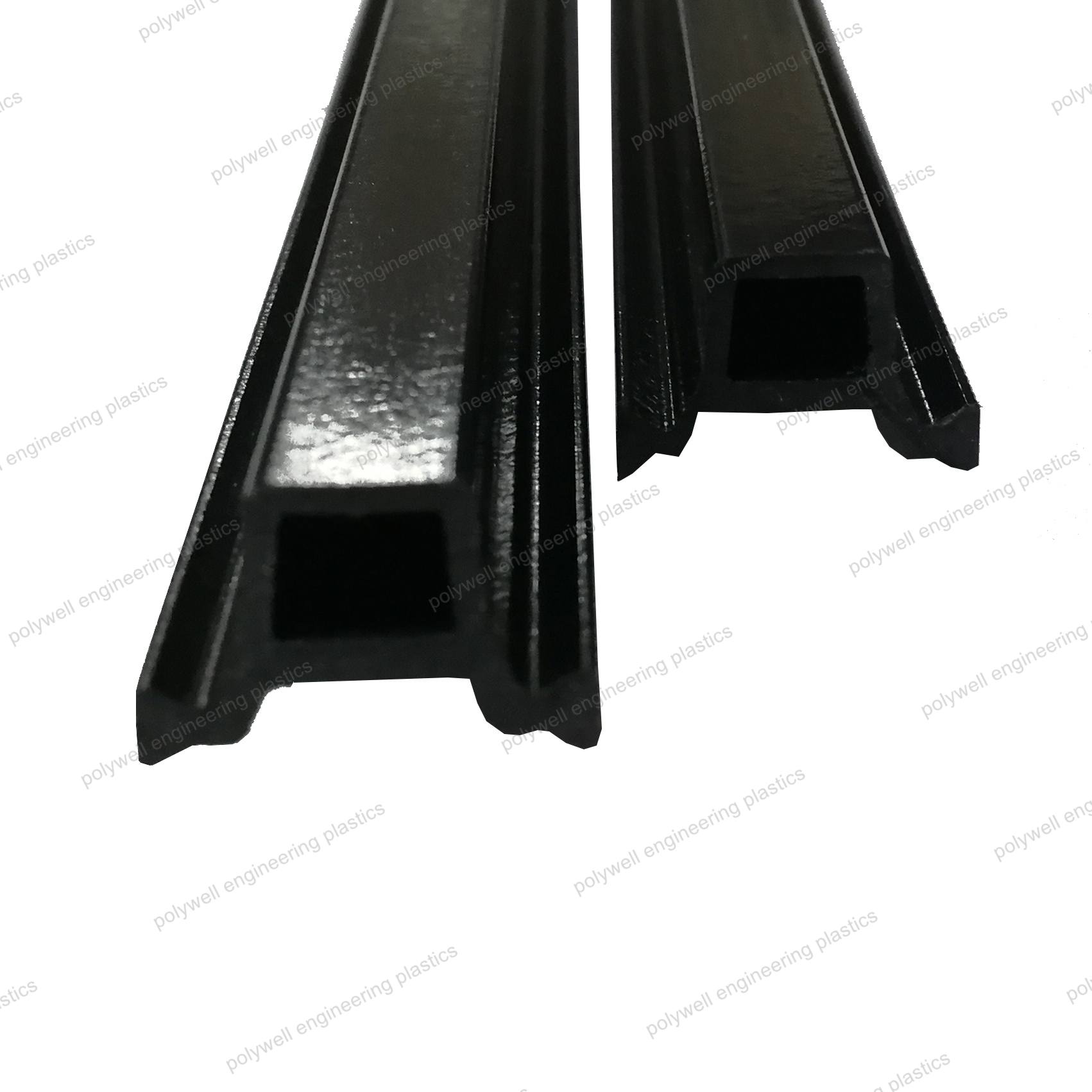
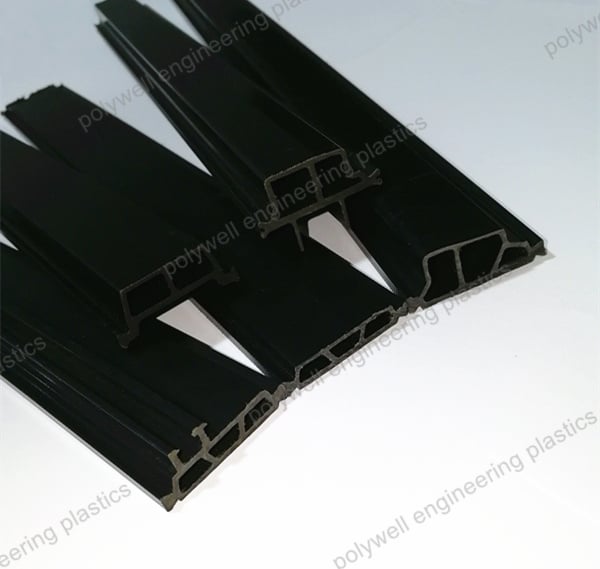
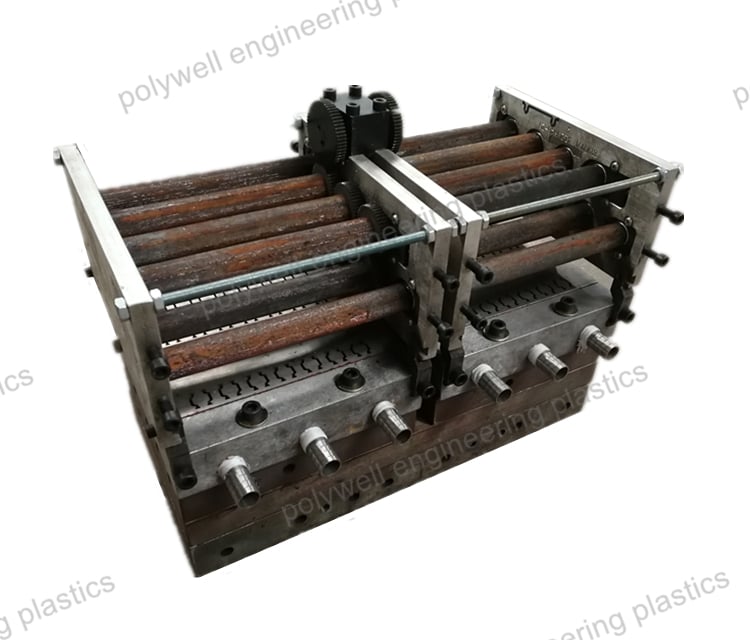
In the architecture industry, the building envelope is the first line of defense against the elements. While structural stability is often the primary concern, the long-term impact of UV radiation on high-performance components—specifically PA66 thermal break strips—is equally critical. When aluminum windows and curtain walls are exposed to intense, direct sunlight for years, they are subjected to continuous photochemical degradation. If the thermal break strips lack sufficient UV resistance, they can become brittle, lose their structural elasticity, and ultimately fail. For engineers and contractors, understanding how to test for this resistance is not just a technical necessity; it is a fundamental step in ensuring the safety and longevity of any outdoor building infrastructure.
To understand why rigorous testing is required, one must look at what occurs at the molecular level. Ultraviolet radiation, particularly in the UV-B spectrum, carries enough energy to cleave the chemical bonds within a polyamide 66 polymer chain. Over time, this "photo-oxidation" process leads to surface chalking, micro-cracking, and a significant reduction in the material's mechanical toughness. Without proper stabilization, a thermal strip exposed to years of southern-facing sunlight can experience a catastrophic drop in tensile strength. This degradation is invisible in the early stages, making it a "hidden" risk that requires proactive testing protocols to identify materials that are actually equipped to handle real-world, long-term environmental exposure.
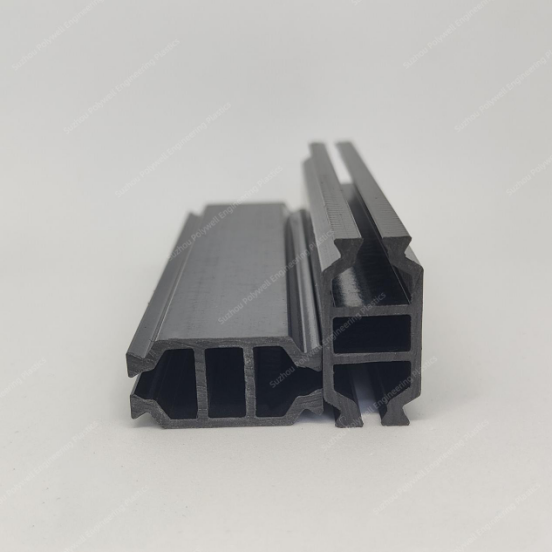
Testing for UV resistance requires a simulation that replicates years of solar exposure in a controlled timeframe. The industry gold standard for this is the xenon arc lamp weathering test. During this procedure, specimens are placed in a chamber that mimics the full solar spectrum, including high-intensity ultraviolet light, along with controlled cycles of moisture and temperature variation. Typically, a sample is subjected to thousands of hours of intense radiation to simulate five to ten years of actual site exposure. Post-test analysis is non-negotiable: engineers must measure the retention of mechanical properties, specifically comparing the initial tensile strength and elongation at break against the post-aged specimens. A high-quality strip from a supplier like Polywell will show minimal change in both appearance and structural integrity after these punishing cycles.
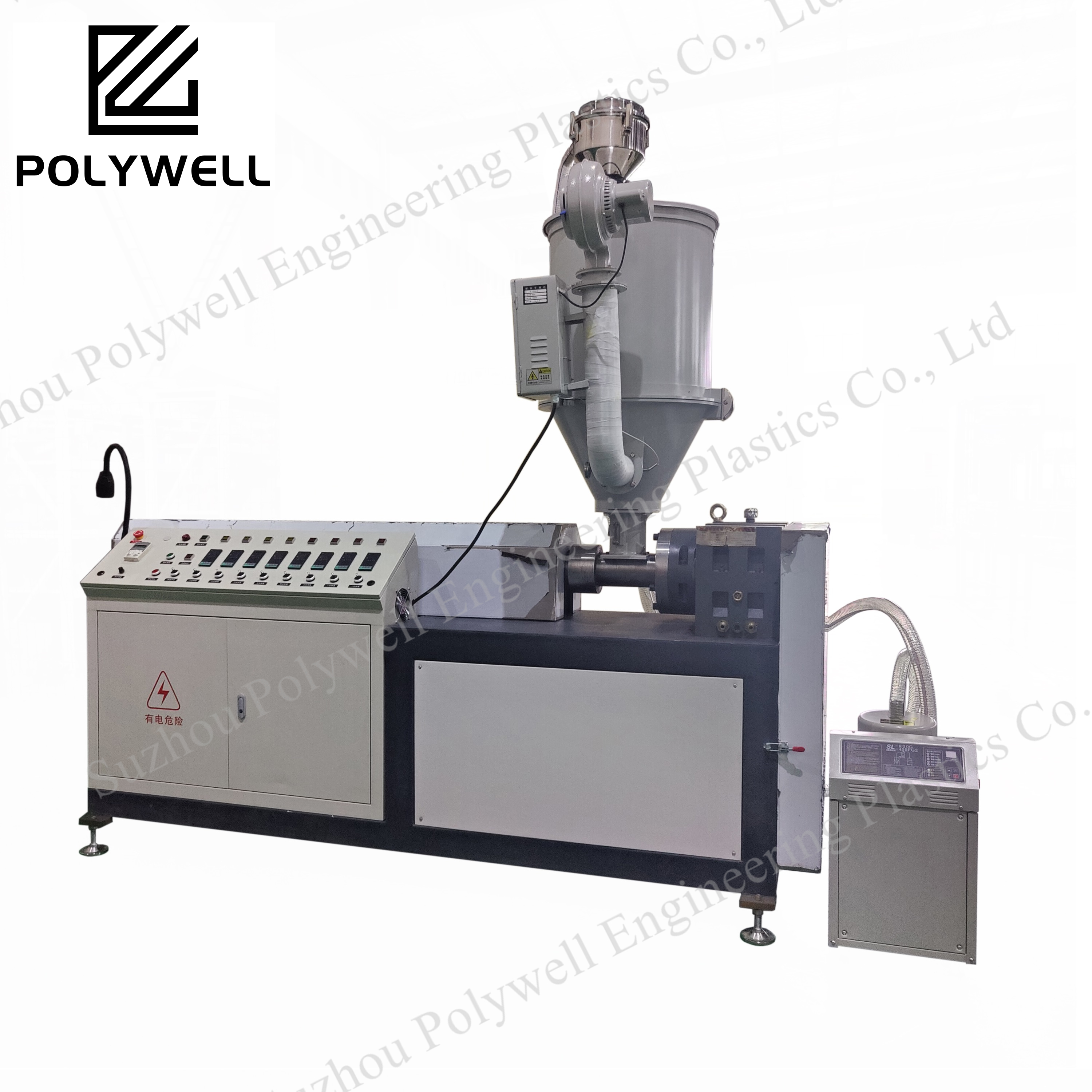
Architectural projects are geographically diverse, ranging from the high-UV environments of the Middle East to the temperate climates of Northern Europe. Each environment presents a unique challenge for thermal barrier materials. In high-altitude or equatorial regions, the intensity of UV radiation can accelerate the degradation of standard polyamide strips significantly. This is where Polywell differentiates itself through material science expertise. By integrating specific UV stabilizers and anti-oxidant additives directly into the PA66 matrix during the extrusion phase, Polywell ensures that the profiles maintain their performance characteristics even in the harshest sunlight. This proactive approach to chemical formulation is essential for modern facades that require consistent energy efficiency and structural reliability throughout their decades-long lifecycle.
Choosing the right thermal break strip is an investment in the long-term viability of a building. When a facade component fails prematurely due to UV-induced brittleness, the commercial consequences are severe. Replacing broken strips in an installed curtain wall is not simply a matter of swapping a part; it often involves high-risk, expensive remedial work that can disrupt building operations and damage a contractor's reputation. By prioritizing strips that have passed rigorous UV resistance testing, stakeholders effectively mitigate these long-term maintenance liabilities. High-quality components from reputable manufacturers ensure that the thermal envelope remains sealed and functional, preventing air leakage, water ingress, and the resulting interior damage that typically follows a failed thermal barrier.
As the global construction industry shifts toward higher energy-efficiency targets and more durable infrastructure, the demand for verified, high-performance thermal break technology continues to climb. Professionals who specify Polywell benefit from more than just a product; they gain access to a supply chain anchored in technical precision and engineering rigor. With an unwavering commitment to international quality standards, Polywell ensures that every batch of PA66 strip produced is optimized for structural longevity. By focusing on the intersection of advanced material science and practical construction needs, Polywell continues to lead the way in providing reliable thermal solutions. For architects, developers, and facade engineers globally, choosing a proven, test-verified partner is the surest way to bridge the gap between architectural vision and the long-term operational reality of a resilient, energy-efficient building.
 Hot News
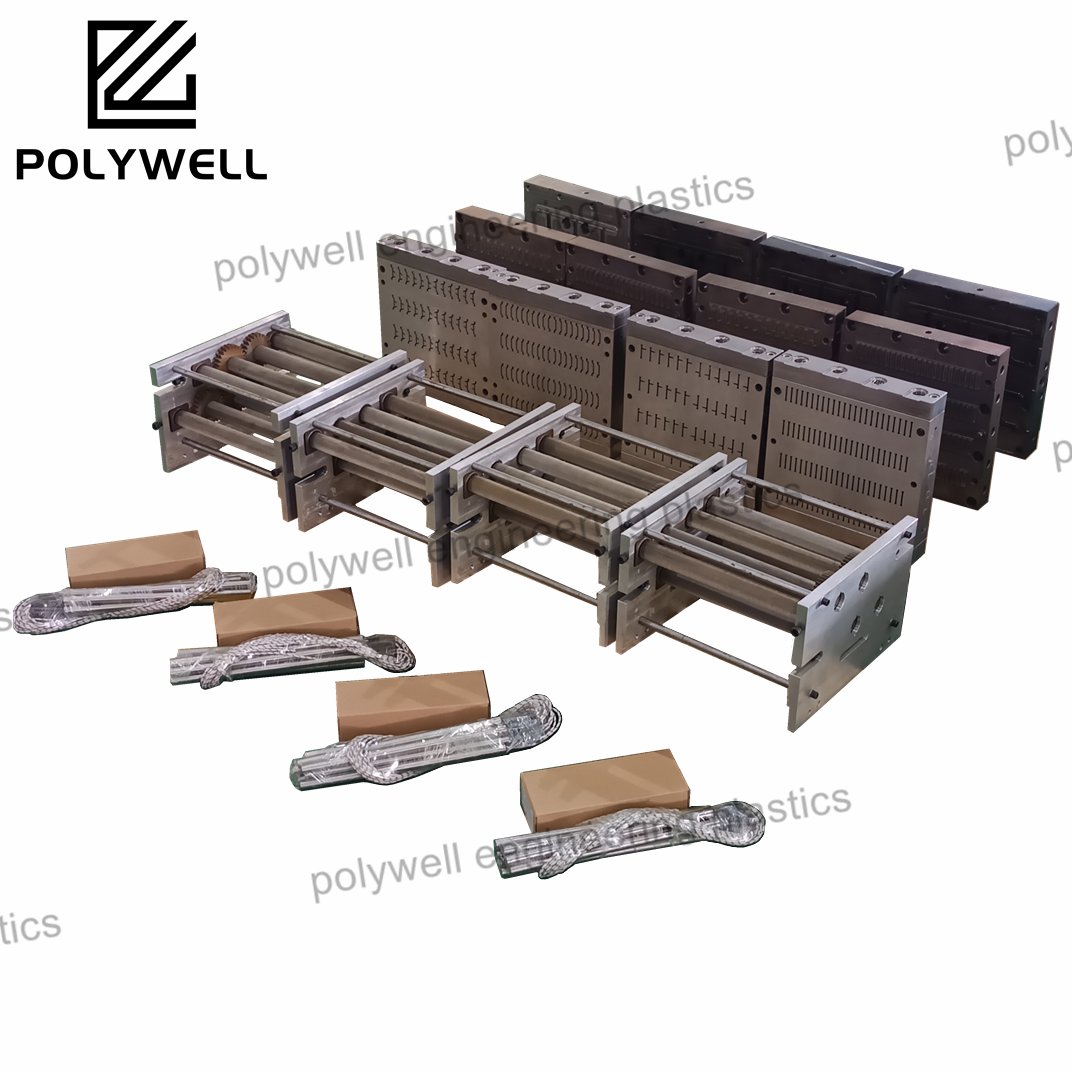
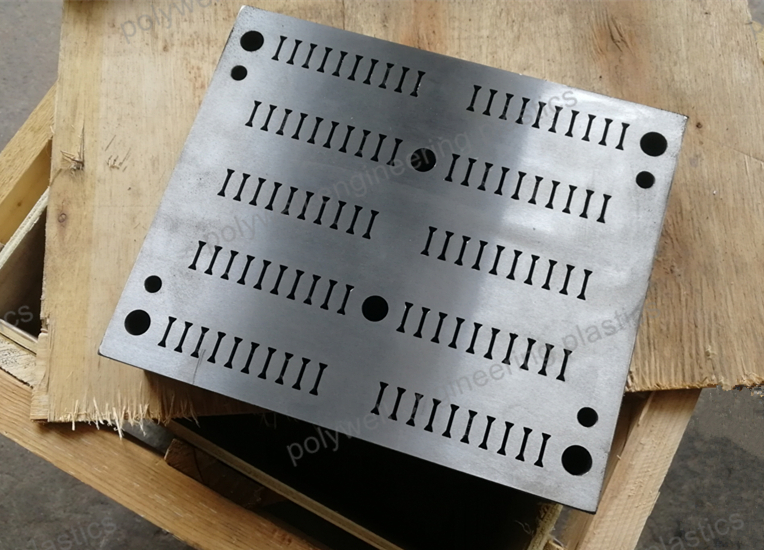
POLYWELL specializes in PA66 thermal insulation strips, offering polyamide granules, extruders, molds, winding machines, and comprehensive one-stop customization services.
Jinfeng Town, Zhangjiagang City, Suzhou City, Jiangsu Province, China
Copyright © 2024 Suzhou Polywell Engineering Plastics Co.,Ltd Privacy Policy

 EN
EN