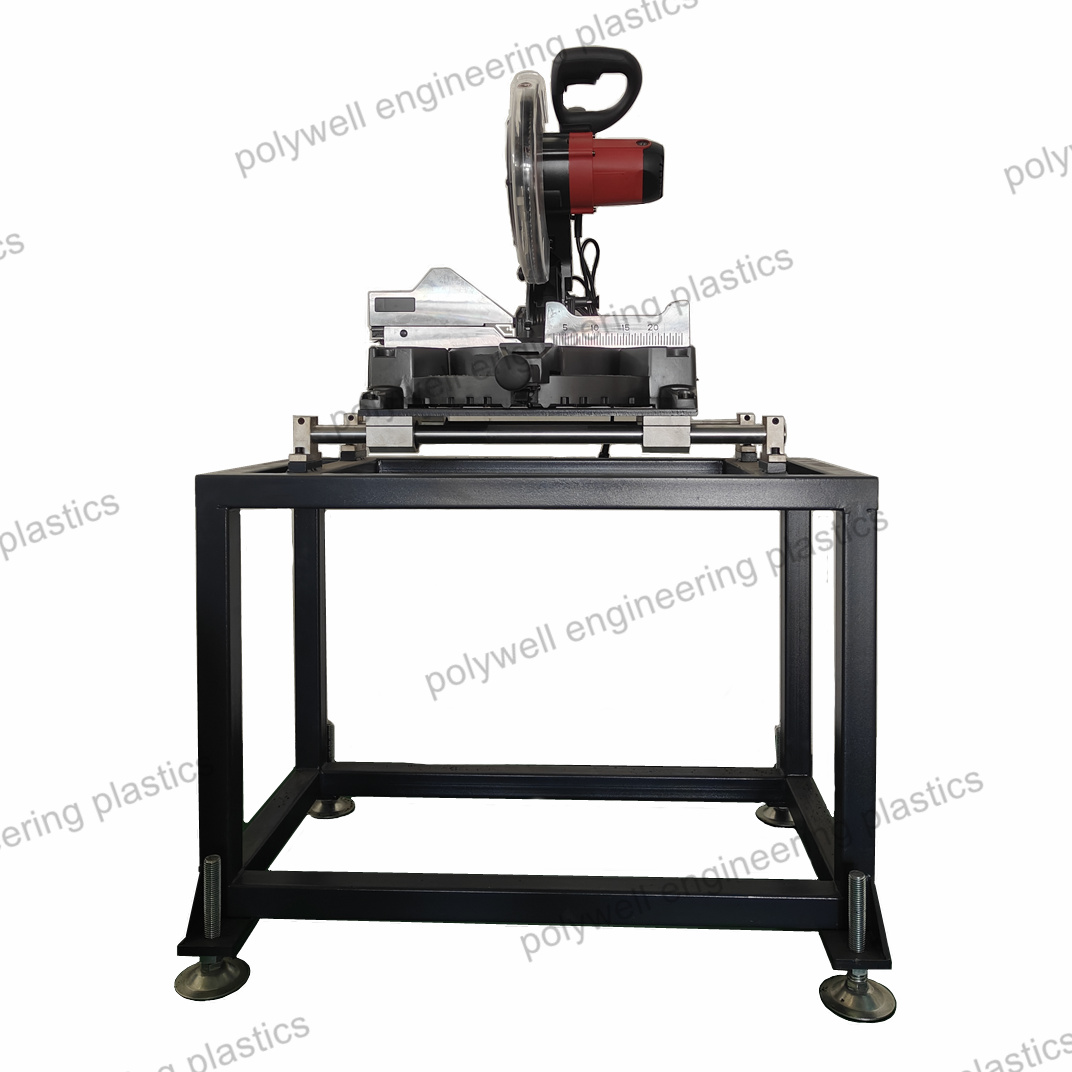
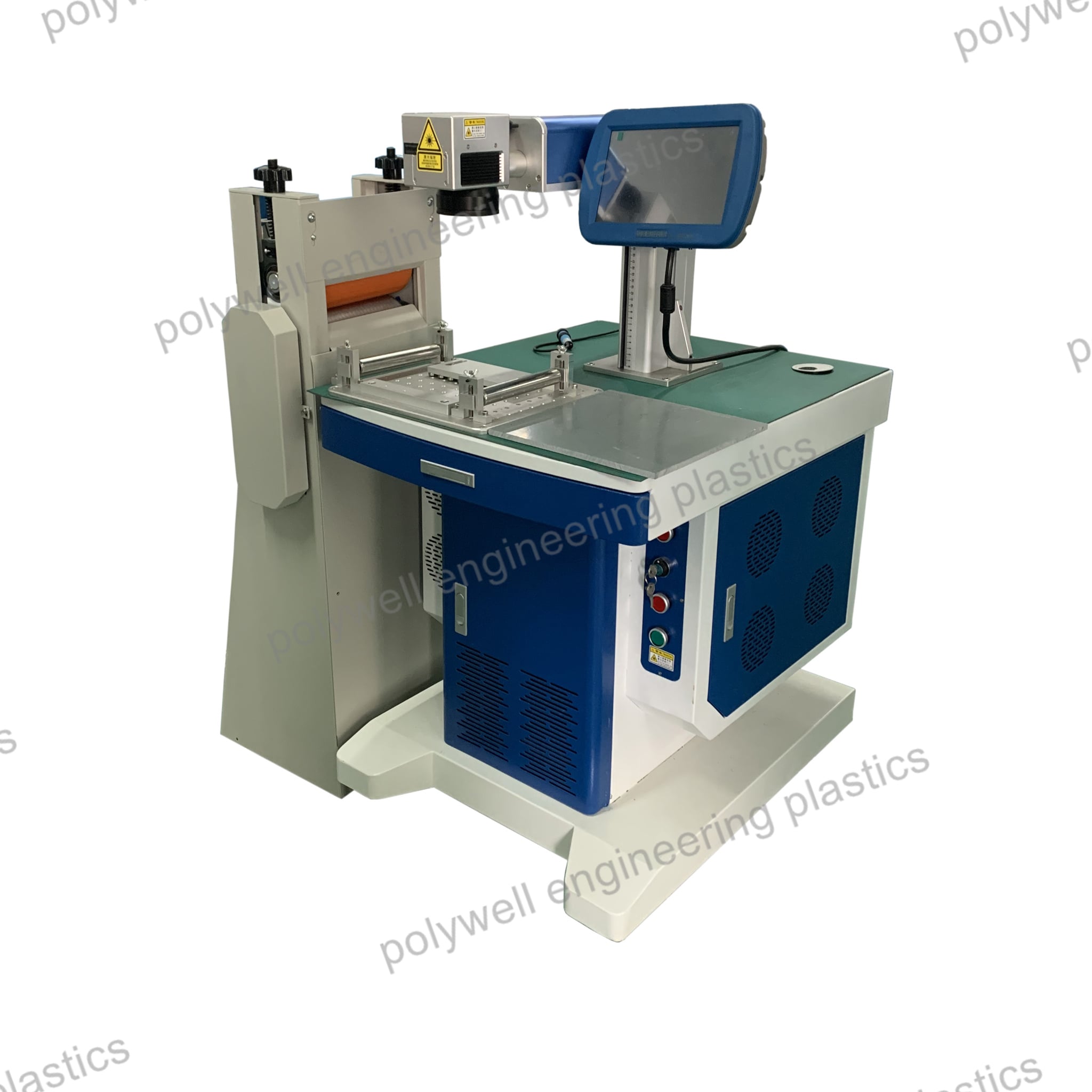
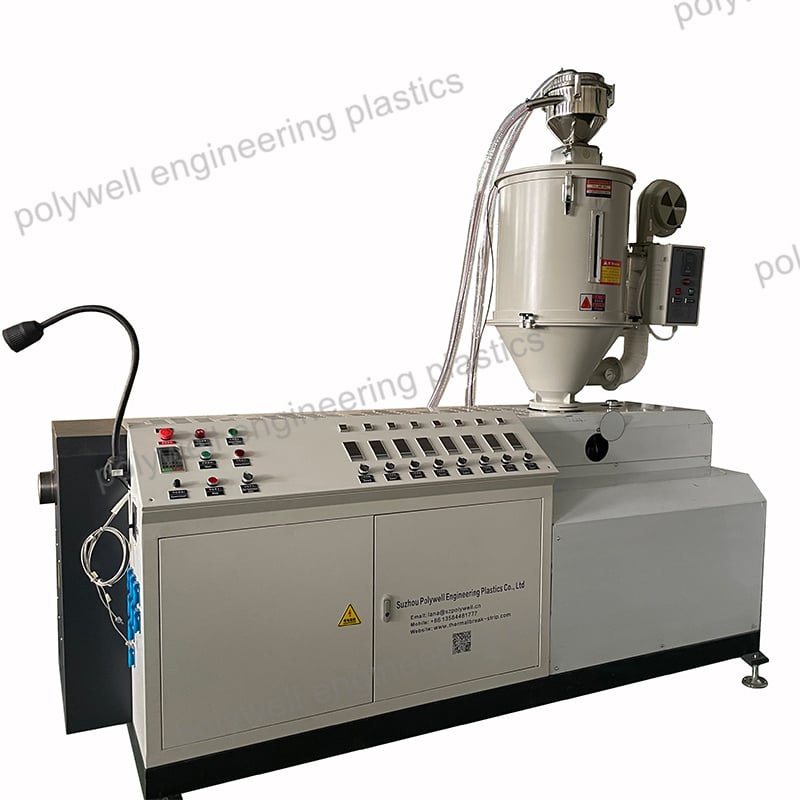
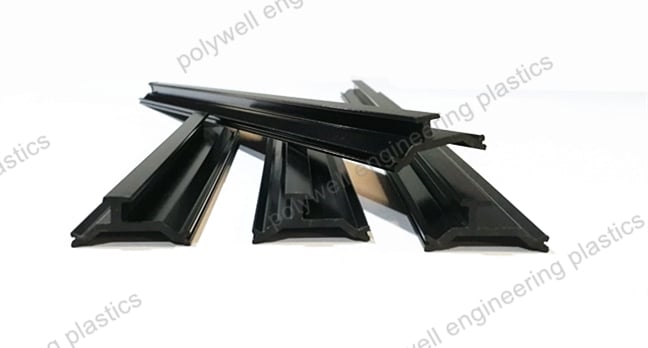
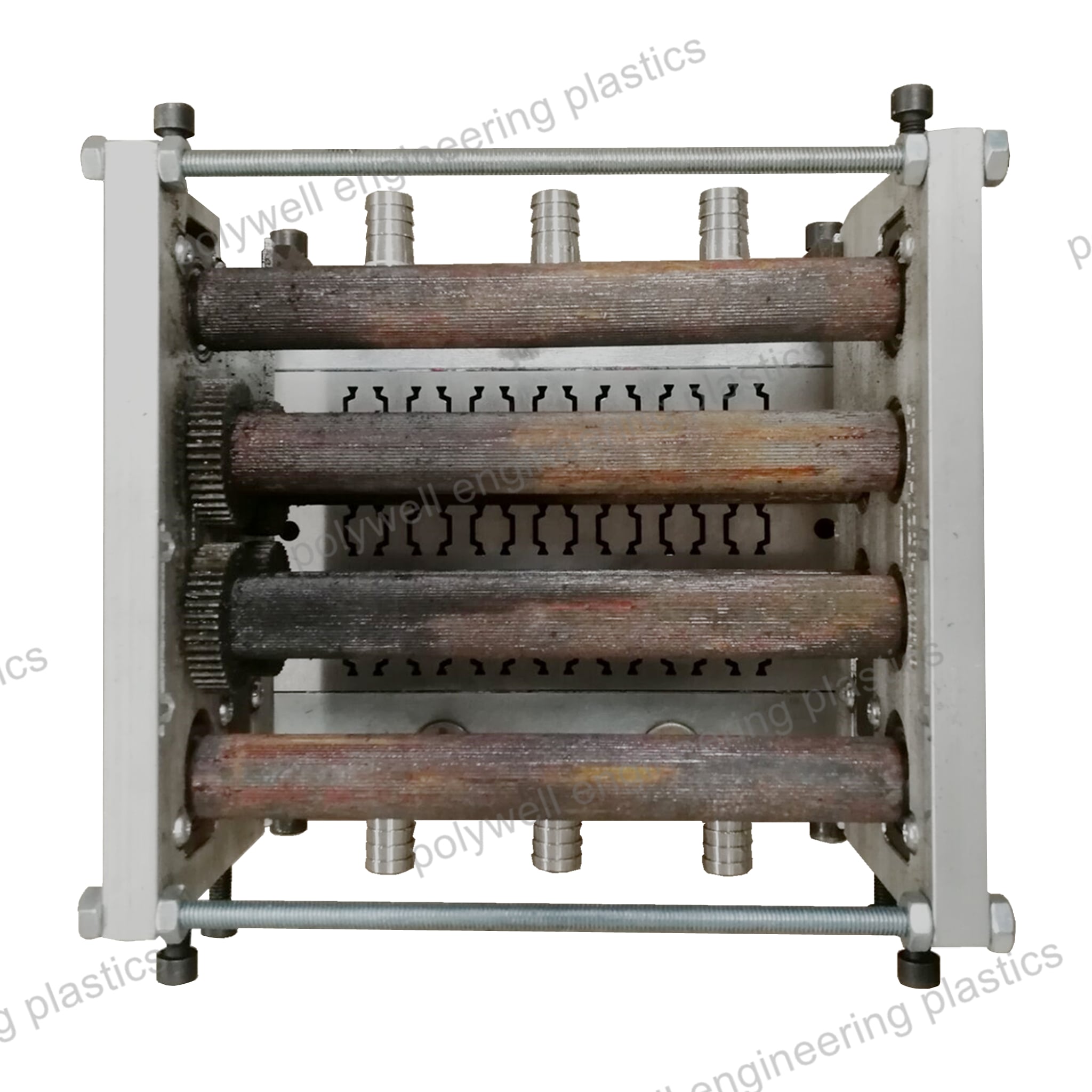
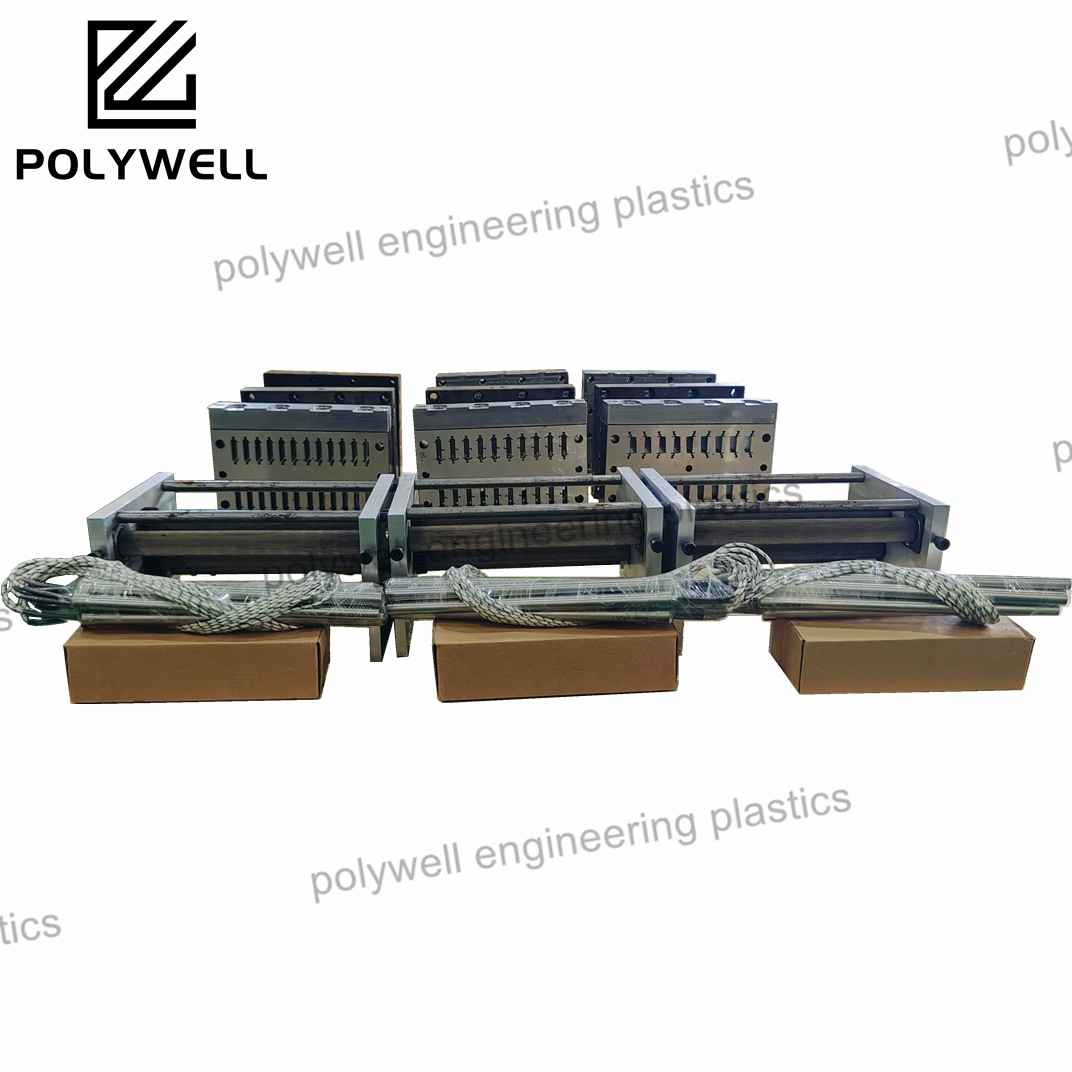
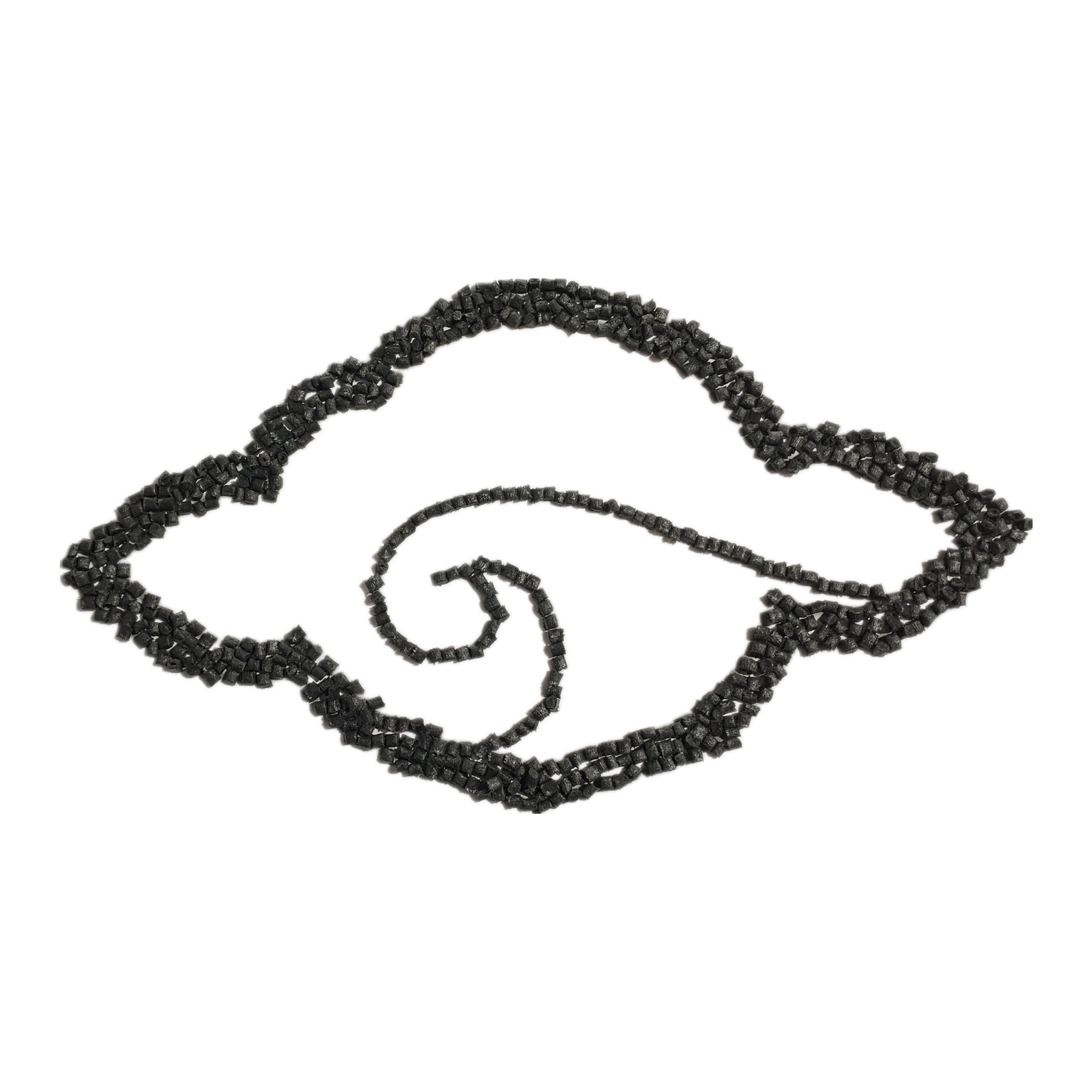
In the rapidly evolving landscape of modern architecture, building envelopes are becoming increasingly complex. Architects are pushing the boundaries of design with curved facades, custom aluminum window systems, and intricate curtain wall profiles. This design innovation requires a corresponding evolution in thermal insulation components, specifically PA66 thermal break strips. Unlike standard, simple I-shaped strips, irregular-shaped thermal break strips present significant manufacturing hurdles. The key to overcoming these challenges lies in the extrusion die design. An expertly engineered die acts as the silent heart of the production process, dictating the dimensional accuracy, surface finish, and mechanical performance of the final polyamide strip.
When producing irregular-shaped PA66 strips, the die design must account for the unique rheological properties of polyamide 66 reinforced with glass fiber. Glass fibers tend to align in the direction of the flow, and in irregular cross-sections, this can lead to uneven internal stress distribution if the die geometry is not optimized. A high-quality die suitable for irregular shapes must feature an advanced flow channel design. This design ensures balanced material pressure, preventing "die swell" or uneven cooling across thicker and thinner sections of the profile. Polywell utilizes computational fluid dynamics to map out material flow, ensuring that even the most complex geometries maintain uniform density, which is critical for long-term structural integrity in window frames and building facades.
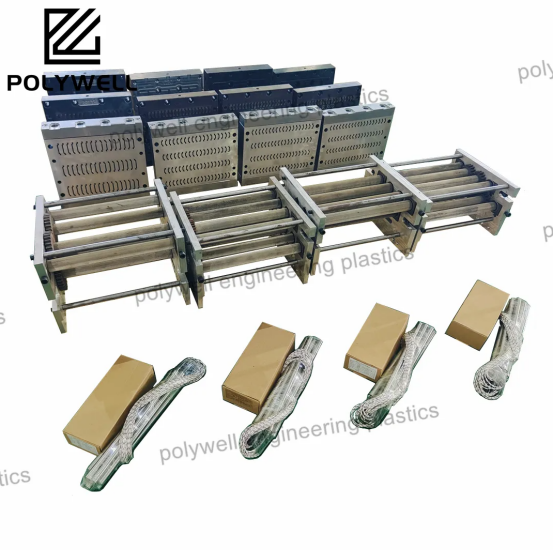
For irregular shapes, standard steel dies often fall short due to the high abrasive nature of glass fiber-reinforced PA66. Over a short production run, abrasive wear changes the dimensions of the die, causing the strip to drift outside of strict tolerances. Therefore, the most suitable extrusion dies for irregular-shaped strips are those featuring tungsten carbide inserts or those treated with specialized surface hardening technologies. These materials offer superior resistance to friction, maintaining the precise geometry of the strip throughout long production cycles. By investing in high-precision carbide dies, manufacturers ensure that every meter of the strip matches the initial blueprint, which is essential for perfect insertion into the aluminum profile slots.
Manufacturing irregular strips is not just about the die; it is about managing the thermal contraction that occurs immediately after the strip exits the die. Complex shapes often have asymmetrical walls, leading to uneven cooling rates. If not handled correctly, this results in warping or twisting. Polywell manages this by integrating precise cooling calibration systems with the die head. These systems ensure that regardless of the shape’s complexity—whether it includes hollow chambers, extended lips, or intricate locking mechanisms—the profile stays perfectly straight. This control is vital for aluminum window manufacturers, as even a 0.1mm deviation in a custom-shaped strip can lead to significant installation headaches on large-scale building projects. Precision in the die ensures that assembly goes smoothly without requiring additional labor or structural adjustments.
In the competitive building materials market, the ability to provide custom solutions quickly is a major commercial advantage. A manufacturer’s ability to design, iterate, and produce irregular-shaped dies in-house transforms the project timeline. Instead of waiting weeks for die sourcing, developers working with Polywell benefit from an integrated, streamlined workflow. Rapid prototyping and precise die fabrication allow for tighter design feedback loops, significantly reducing the "time to market" for new facade systems. Beyond speed, these precision dies ensure that the strips fit perfectly, reducing installation labor costs on-site and minimizing material waste. This efficiency maximizes the return on investment for contractors, developers, and window assemblers who demand reliability alongside aesthetic innovation.
Reliability is the cornerstone of sustainable construction. When architects and window manufacturers select a partner for their custom thermal break solutions, they are choosing the assurance that their designs will perform as intended for decades. Polywell stands at the forefront of this sector, combining decades of extrusion expertise with state-of-the-art die manufacturing capabilities. By mastering the delicate balance between complex geometric design and material science, Polywell delivers high-performance PA66 strips that meet the most stringent international standards. Whether a project demands unique architectural aesthetics or specialized energy efficiency requirements, the commitment to precision engineering ensures that every custom solution provides the durability, structural strength, and thermal efficiency expected in modern high-end building envelopes. Quality is not just a target; it is a promise upheld by advanced toolsets and relentless dedication to technical perfection.
 Hot News
POLYWELL specializes in PA66 thermal insulation strips, offering polyamide granules, extruders, molds, winding machines, and comprehensive one-stop customization services.
Jinfeng Town, Zhangjiagang City, Suzhou City, Jiangsu Province, China
Copyright © 2024 Suzhou Polywell Engineering Plastics Co.,Ltd Privacy Policy

 EN
EN