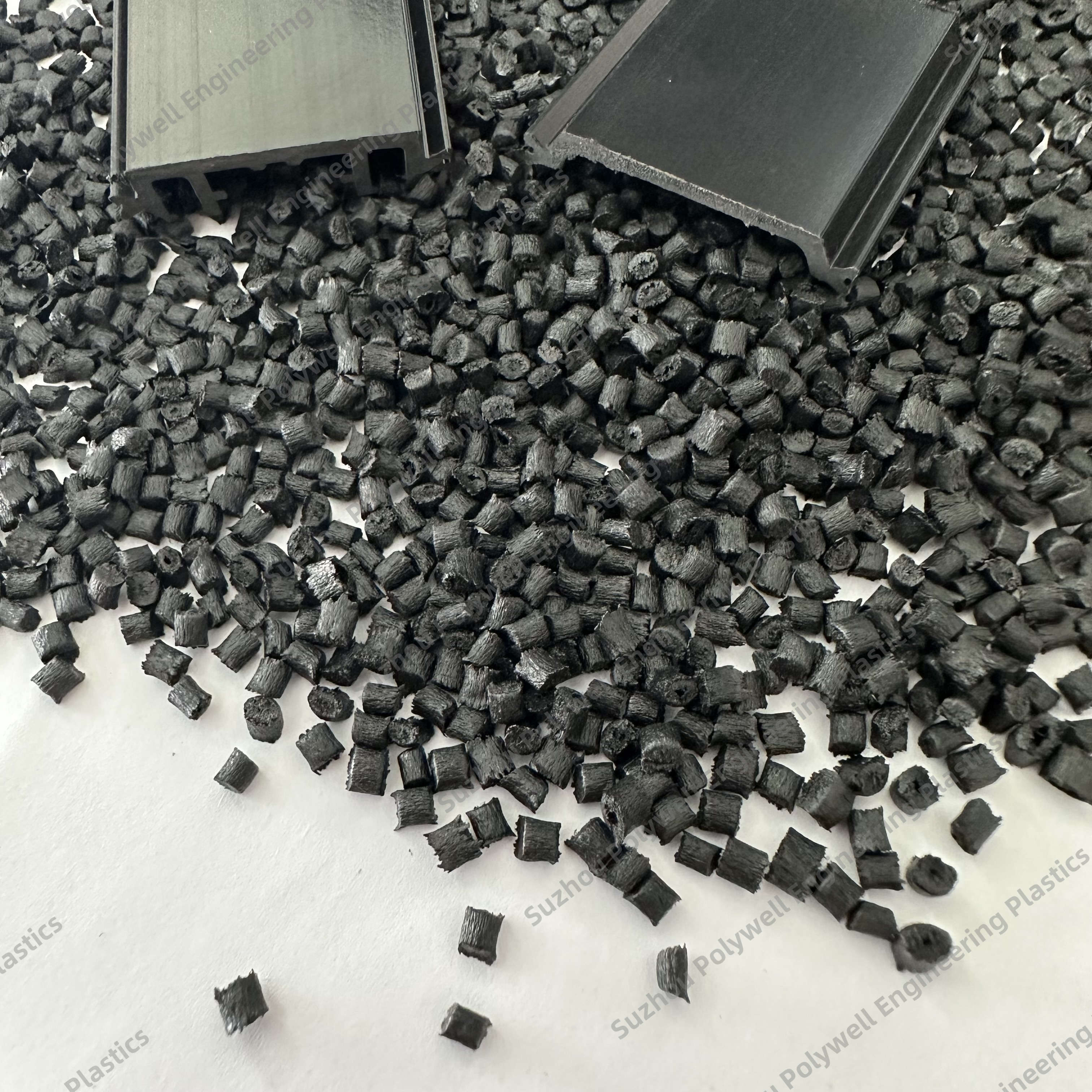
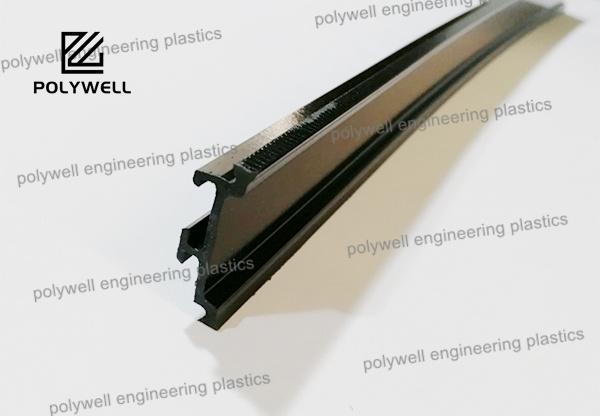
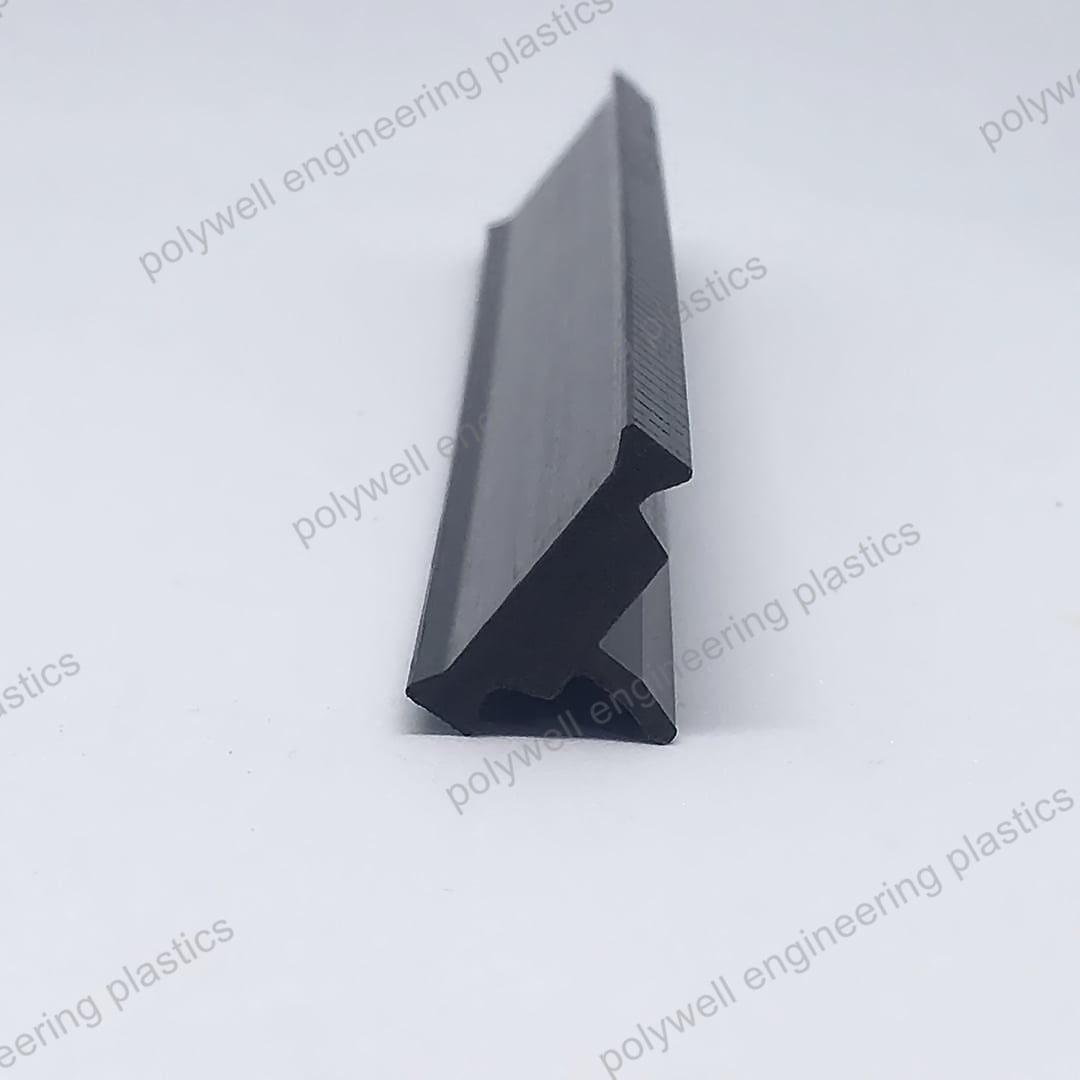
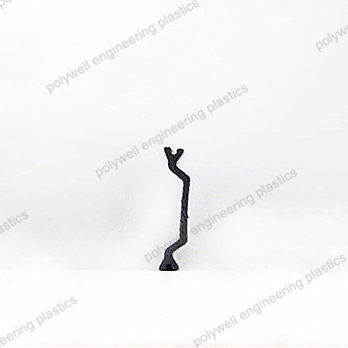
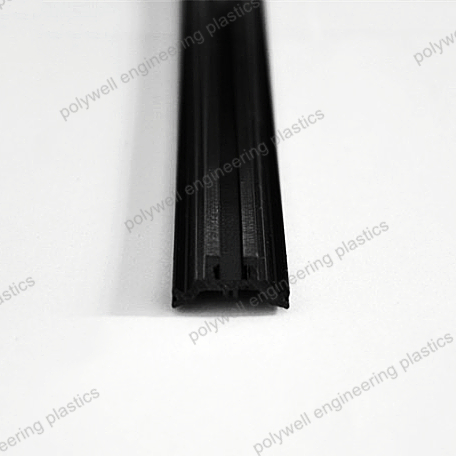
In the realm of high-performance architecture, aluminum windows and curtain walls serve as the primary envelope shielding interiors from the harsh elements. However, metal profiles themselves are highly conductive, acting as thermal bridges that lead to significant energy loss. This is where Polywell PA66 thermal break strips come into play. These polyamide 66 strips, reinforced with 25% glass fiber, act as the essential thermal barrier between the inner and outer aluminum frames. Yet, not all insulation strips are created equal. The ultimate metric of their long-term reliability is their thermal cycling resistance—the technical ability to withstand years of brutal temperature fluctuations without cracking, debonding, or losing structural integrity under extreme load.
To grasp why thermal cycling resistance is critical, one must analyze the physics of material interfaces. Aluminum and PA66 possess significantly different coefficients of thermal expansion. When a building facade faces a scorching summer day and a freezing winter night, the aluminum frame and the thermal strip expand and contract at different rates. If the material quality is subpar or the structural design is flawed, these recurring stresses lead to "thermal fatigue." Over time, inferior strips become brittle, lose their mechanical grip on the aluminum housing, or even develop microscopic cracks that compromise the entire system. This failure is more than a simple material defect; it compromises the entire energy efficiency rating of a building, turning a premium window system into a primary source of drafts, moisture ingress, and thermal leakage.
Evaluating thermal cycling resistance requires a controlled, rigorous simulation to mimic real-world environmental stress. The testing process begins with conditioning the specimens to ensure moisture content is strictly within industry standards, typically maintained below 0.2% to prevent internal pressure build-up. Following this, the strips are subjected to repeated temperature cycles, often ranging from -30°C to +80°C. During each cycle, the assembly is held at these specific extremes to allow the materials to reach thermal equilibrium. The most critical measurement occurs after the cycles are completed: a professional shear strength test. Polywell examines whether the bond between the aluminum and the strip remains intact after the stress. If the strip shows any signs of shear failure or excessive permanent deformation, it indicates that the chemical formulation and the glass fiber distribution of the polyamide are not optimized for the long-term structural stability required in modern skyscraper construction.
In global construction projects, contractors often face the financial temptation to cut costs by sourcing lower-grade, non-certified materials. However, the true cost of a thermal break is not the initial purchase price but the total cost of ownership over a twenty-year period. A failed strip in a high-rise curtain wall is a catastrophic, high-stakes event, potentially requiring the expensive removal and replacement of entire glass units across multiple floors. Experienced facade engineers prioritize strips that pass extended, rigorous cyclic testing because these materials provide predictable, compounding savings. When the thermal barrier maintains its physical integrity, it effectively prevents the interior-facing metal from hitting the dew point, which is essential for eliminating the risk of mold growth, interior water damage, and structural degradation associated with persistent condensation.
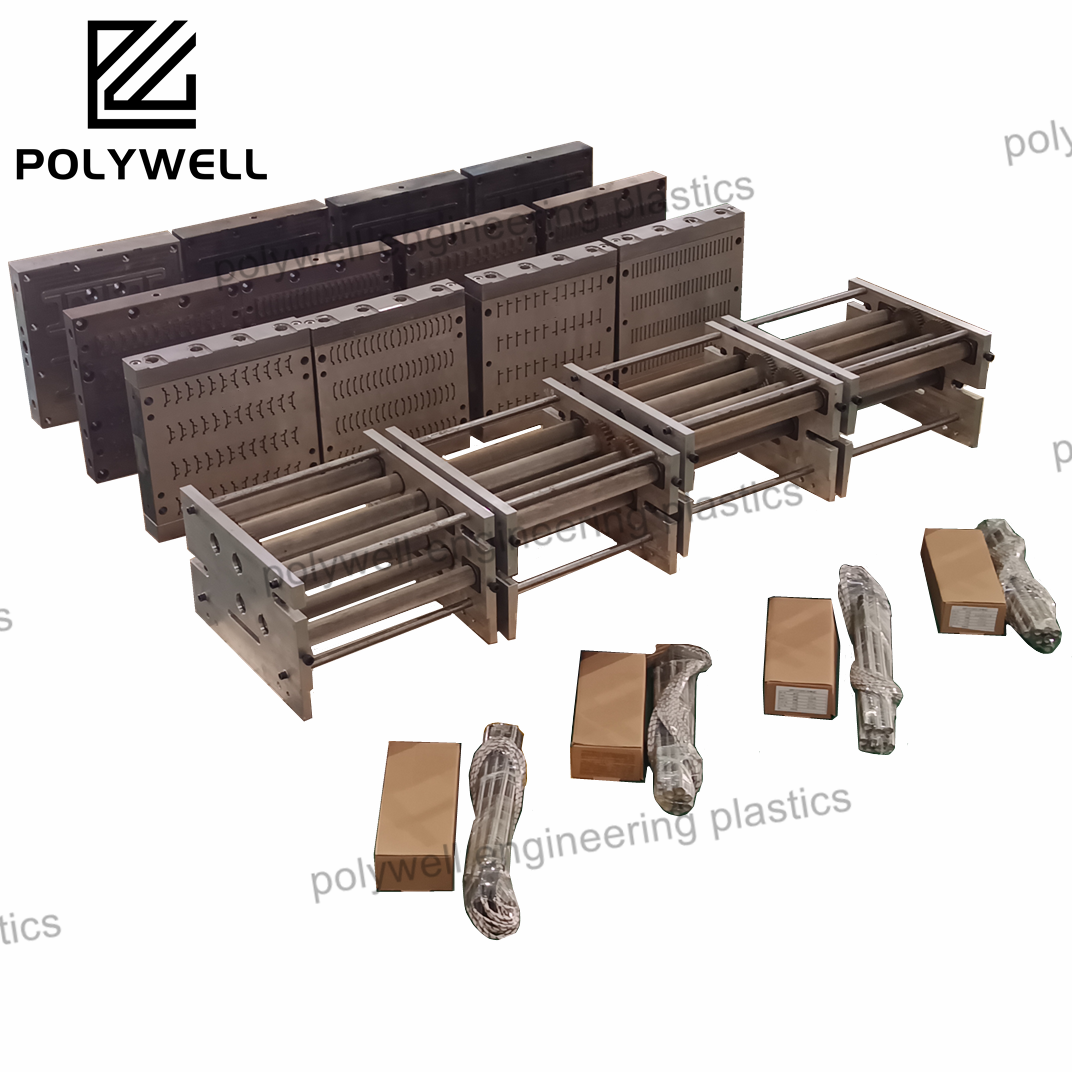
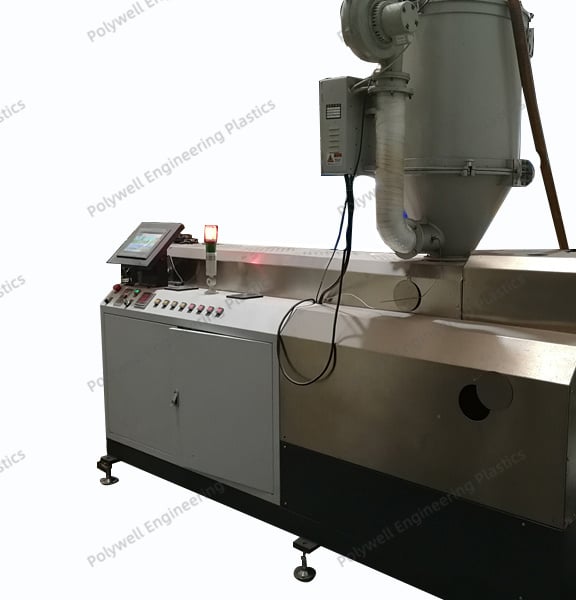
When specifying components for a building envelope, the focus must remain squarely on reliability and long-term performance. High-quality PA66 strips are not merely plastic profiles; they are sophisticated engineered solutions designed to manage complex structural forces and thermal loads simultaneously. The industry experts at Polywell understand that the consistency of glass fiber distribution within the PA66 matrix is the paramount factor for structural success. Advanced manufacturing lines, like those employed by Polywell, utilize precise, high-speed extrusion technology to ensure that every meter of strip meets the exact mechanical properties required for the most demanding climates. This rigorous level of quality control ensures that whether a project is situated in the humid tropics or the sub-arctic, the thermal insulation performance remains stable and consistent throughout the building's entire lifecycle.
The global movement toward sustainable, low-energy buildings has pushed the demand for superior thermal break technology to new, unprecedented heights. As architects and designers aim for stringent LEED or BREEAM certifications, the performance of the thermal break becomes a critical variable in achieving these targets. Choosing a supplier that prioritizes intense, repetitive testing and utilizes only virgin, high-quality raw materials is the cornerstone of responsible engineering. Polywell stands at the forefront of this mission, providing high-strength, weather-resistant PA66 solutions that support the world’s most ambitious architectural designs. Through a robust, global supply chain and an unwavering commitment to technical excellence, Polywell helps architects and developers bridge the gap between their design vision and operational reality, ensuring every building performs exactly as it was intended for decades to come.
 Hot News
POLYWELL specializes in PA66 thermal insulation strips, offering polyamide granules, extruders, molds, winding machines, and comprehensive one-stop customization services.
Jinfeng Town, Zhangjiagang City, Suzhou City, Jiangsu Province, China
Copyright © 2024 Suzhou Polywell Engineering Plastics Co.,Ltd Privacy Policy

 EN
EN