The Foundation of Precision: Material Characteristics and Drying
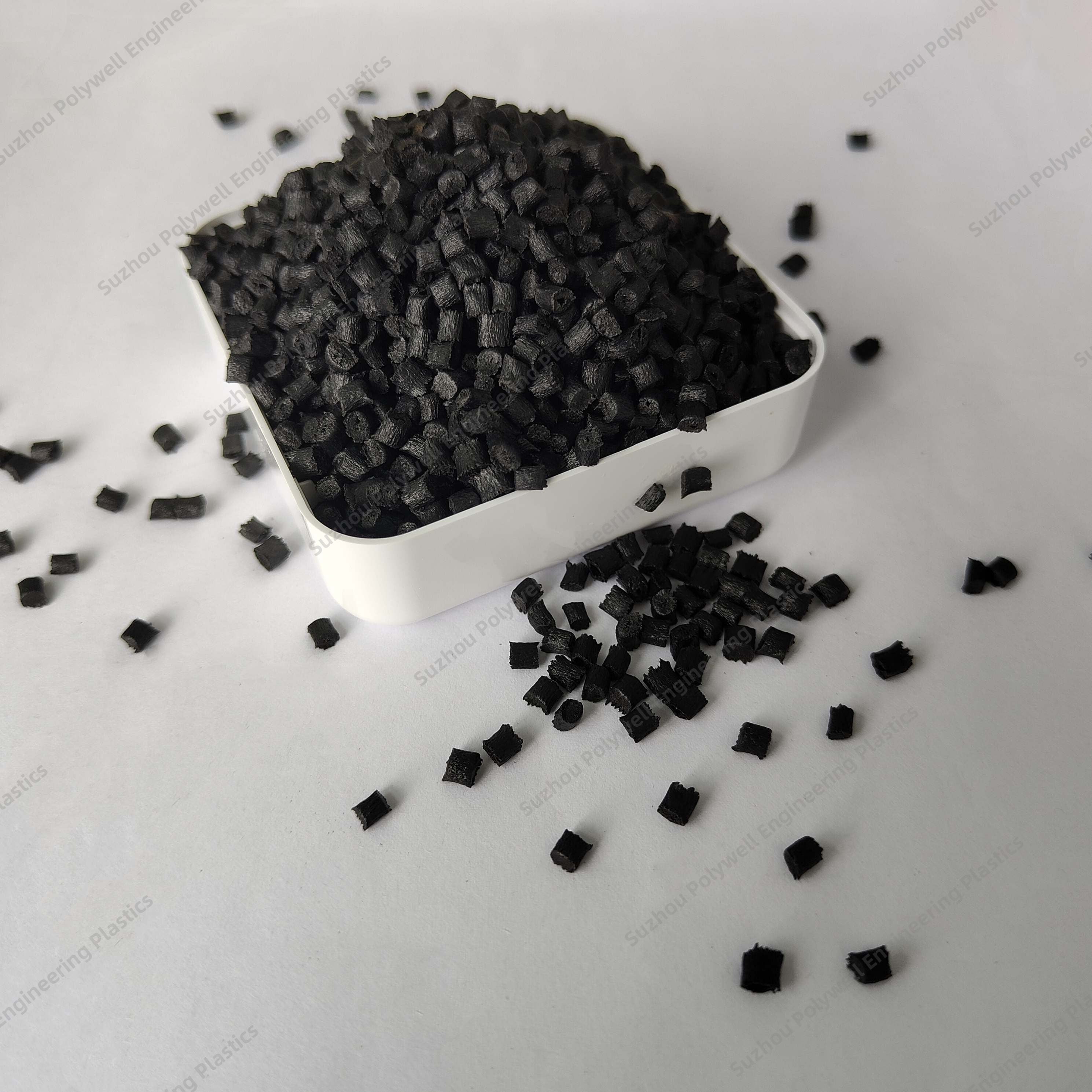
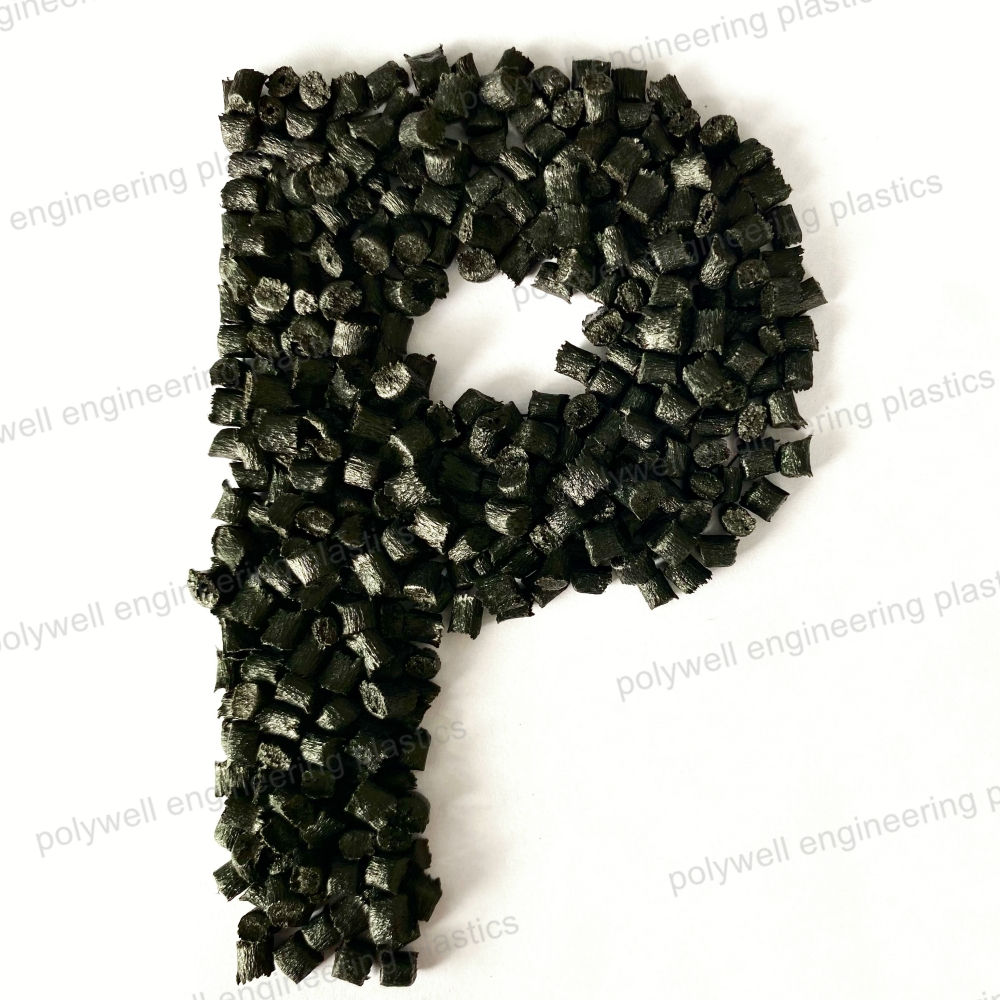
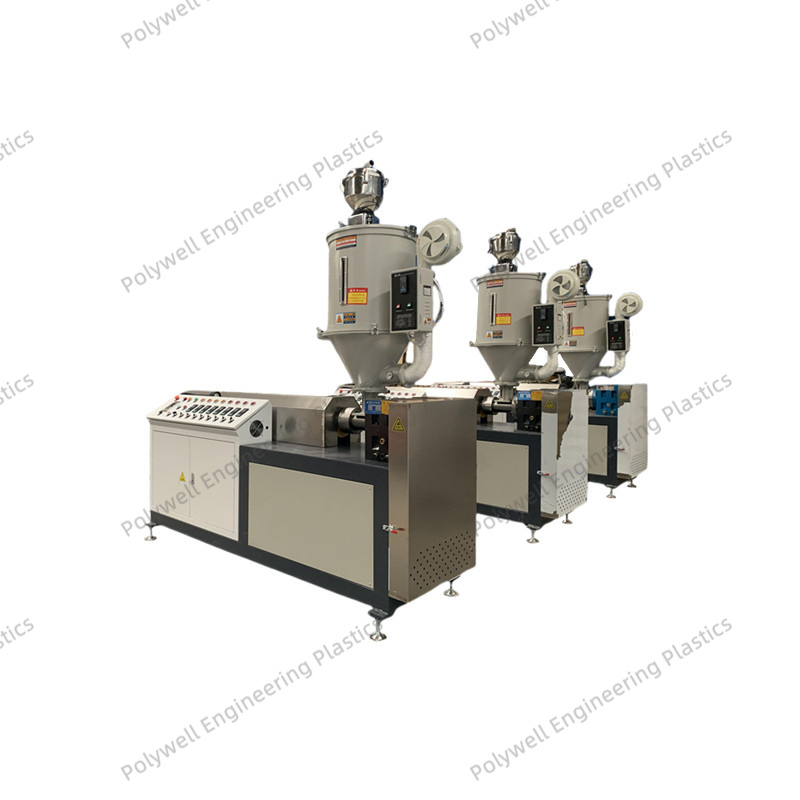
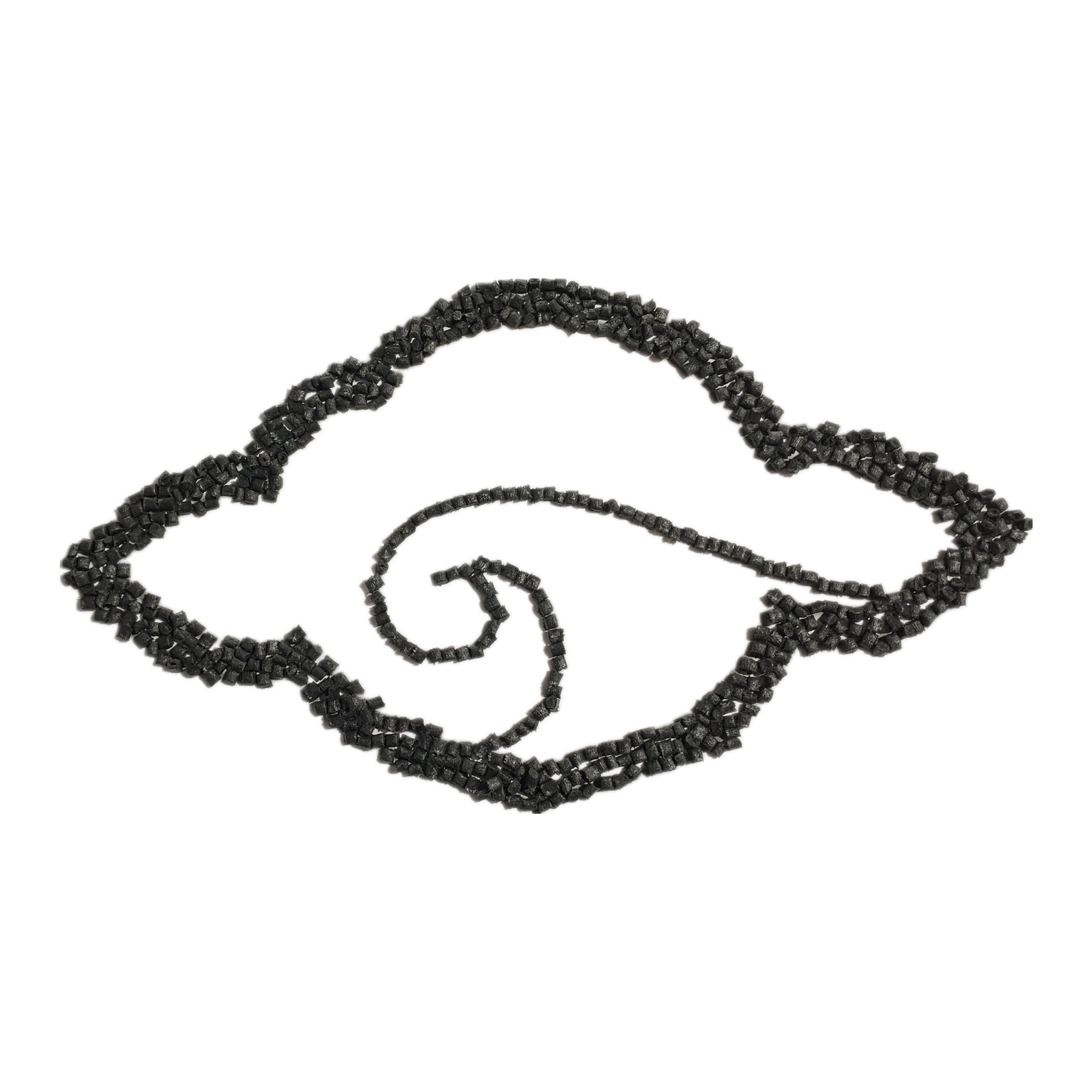
In the demanding field of architectural fenestration, the quality of polyamide thermal break strips is paramount for achieving superior energy efficiency in aluminum windows and curtain walls. Achieving an optimal feed rate in the extrusion process is not merely about pushing material through a machine; it is a delicate balancing act rooted in material science. Polyamide 66 reinforced with 25% glass fiber (PA66+GF25) is the industry standard for its structural strength and thermal insulation properties. However, this material is highly hygroscopic. If raw material is not dried to the precise moisture level before entering the extruder, the resulting water vapor creates voids and inconsistent melt viscosity. Experienced production engineers know that even a fraction of a percentage point in moisture content can trigger surges in the feed system, causing downstream dimensional instability. Ensuring a consistent, ultra-dry feed is the first non-negotiable step toward maximizing output without sacrificing the integrity of the thermal barrier.
Mastering Thermal Dynamics: Extruder Temperature Control
Temperature serves as the heartbeat of the extrusion line. The thermal profile within the barrel dictates the rheological behavior of the polymer melt. If the temperature zones are not finely tuned, the material may degrade or remain too viscous, leading to uneven pressure profiles at the die head. In advanced manufacturing, the use of imported, high-precision temperature control meters allows for a stability of ±1°C. This level of accuracy prevents localized overheating—which could cause the glass fibers to clump—and ensures that the material remains in an ideal state for smooth, continuous flow. When the thermal zones are perfectly balanced, the screw can feed the material with minimal resistance, allowing for higher, more predictable feed rates that translate into consistent, high-quality strip dimensions across every shift.
Mechanical Integrity: Screw and Barrel Wear
The mechanical condition of the extruder’s core—the screw and barrel—is a silent determinant of production efficiency. Over years of processing abrasive glass-filled nylon, the geometry of the screw flights inevitably wears down. As the clearance between the screw and the barrel increases, backflow (leakage flow) becomes more prevalent, causing the actual feed rate to drop even if the motor speed remains constant. Recognizing the signs of this wear is a critical skill for any production team. A professional maintenance strategy, which includes regular monitoring of back pressure and melt pressure stability, helps in detecting wear long before it compromises product quality. Investing in high-quality, bi-metal screws not only extends the machine's lifecycle but also ensures that the volumetric efficiency remains high, safeguarding the commercial output of the entire production line.
Synchronized Precision: Motor and Control System Calibration
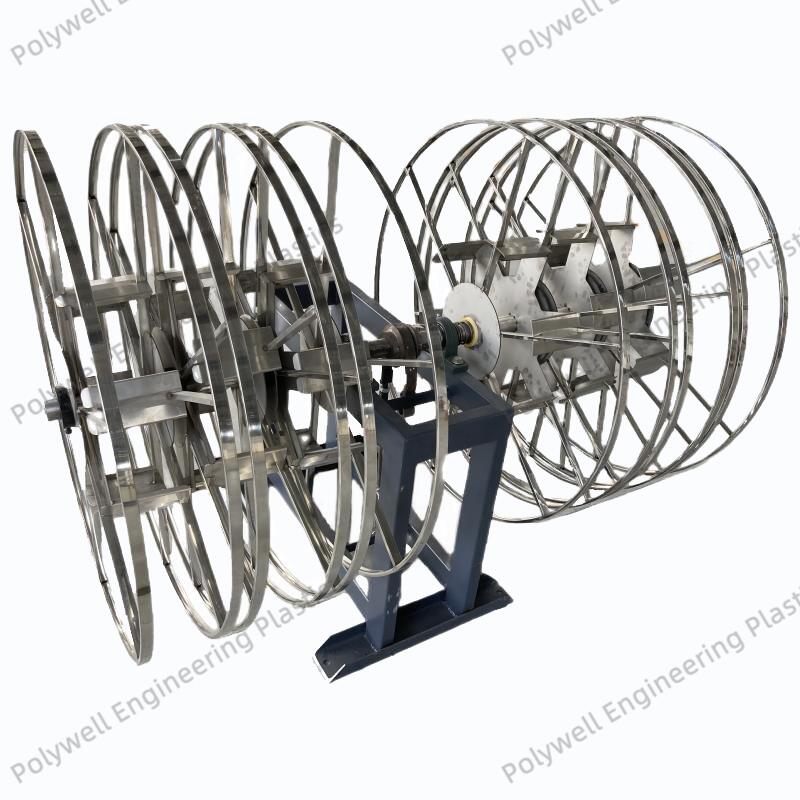
Modern extrusion lines operate as a sophisticated, synchronized ecosystem. The feed rate is heavily dependent on the harmonious interaction between the main extruder and the downstream auxiliary units, such as the haul-off and winding machines. If the frequency converter of the main engine is not perfectly calibrated with the auxiliary units, tension imbalances occur. A surge or a stutter in the winding process can manifest as a ripple effect back to the extruder, disrupting the smooth delivery of the profile. Leading manufacturers utilize high-frequency communication protocols to ensure that every stage of the line is perfectly synchronized. This integration allows for real-time adjustments, enabling the system to maintain a high throughput speed while ensuring that the final profile dimensions meet the stringent tolerances required for high-performance building systems.
Quality Assurance: The Role of Die Head and Calibration
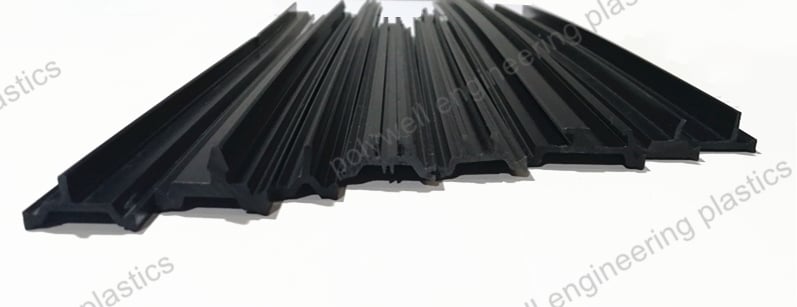
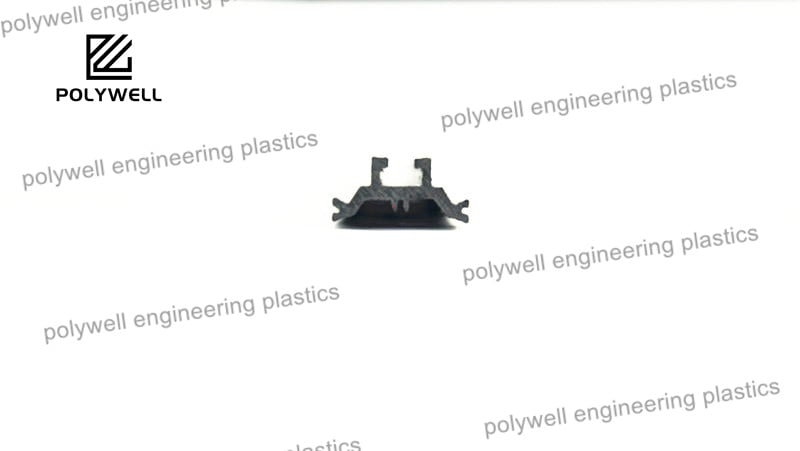
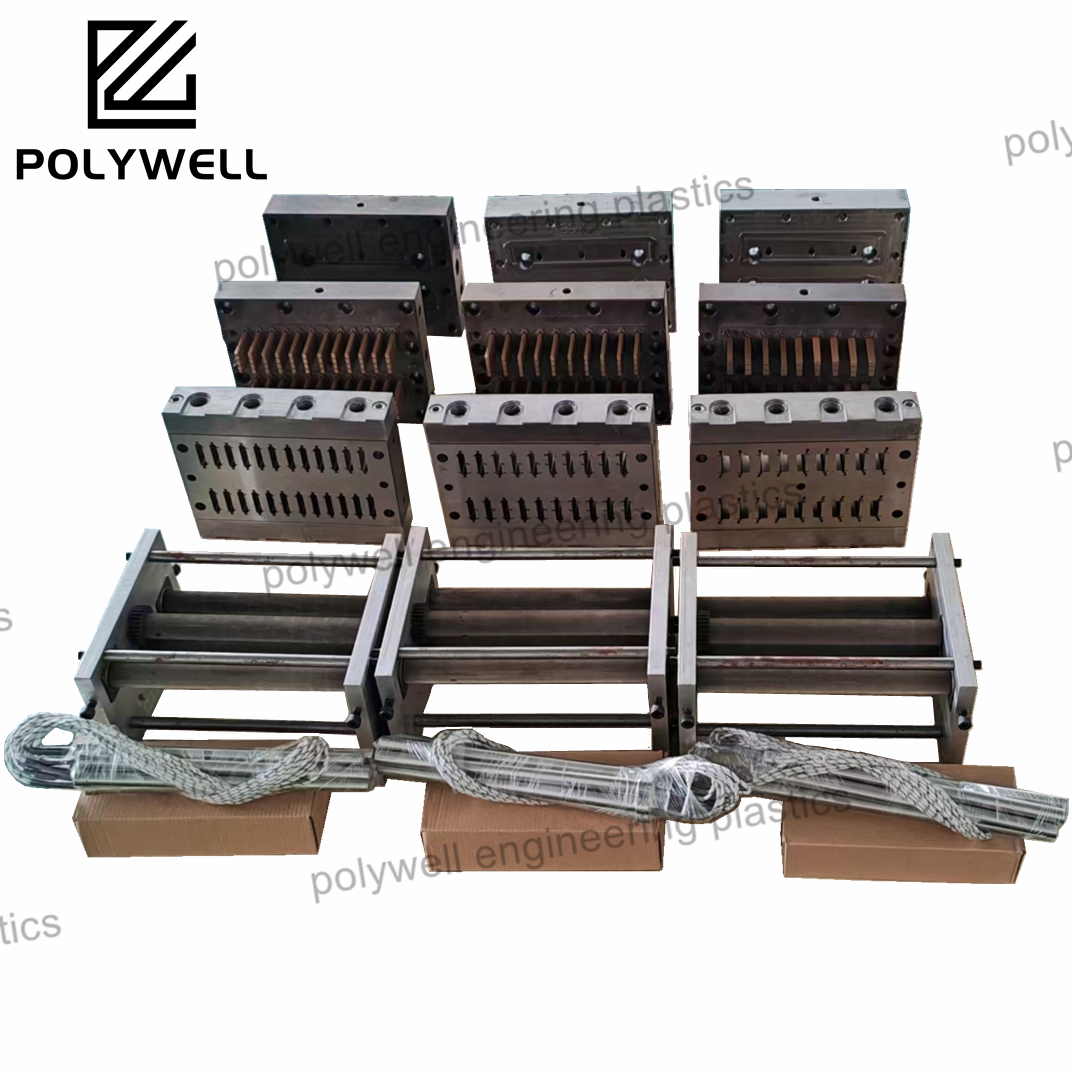
Ultimately, the final shaping occurs in the die head and the calibration sleeves. The design of the die—specifically the runner length and the geometry of the flow channels—must be optimized to eliminate dead angles where material could accumulate and carbonize. A well-engineered die head reduces unnecessary back pressure, allowing the screw to operate more efficiently. When combined with precise calibration sleeves that stabilize the profile during the cooling phase, the resulting thermal break strip possesses a bright, smooth surface and high mechanical strength. For partners looking to scale their production of energy-efficient aluminum profiles, POLYWELL provides the technical depth and supply chain reliability needed to ensure that these sophisticated extrusion processes deliver consistent, market-leading performance for every architectural project.
 Hot News

 EN
EN