The Importance of Real World Durability
The durability of a polyamide thermal break strip is tested every day by the elements. From acidic rain in industrial zones to cleaning agents used on building facades, the chemical environment can be surprisingly harsh. Testing the chemical resistance of these strips is not just a scientific requirement, it is a commercial necessity to ensure that the window systems maintain their energy efficiency and structural performance for decades. Based on Polywell extensive experience in laboratory testing and on site performance monitoring, we have found that simple laboratory tests are often insufficient. Understanding how to accurately predict performance in the field is what sets industry leaders apart.
Standardized Testing Methods for Reliable Results
Testing should always begin with standardized protocols such as ISO and EN benchmarks. These tests involve submerging samples in various chemicals—ranging from common detergents to simulated environmental pollutants—and measuring changes in mass, volume, and tensile strength. However, the true value of testing lies in the interpretation of these results. We often recommend a multi faceted approach that includes accelerated aging tests, such as UV and moisture cycling, alongside chemical exposure. By simulating years of outdoor exposure in a fraction of the time, manufacturers can gain invaluable insights into how their strips will hold up in different climate zones across the globe.
The Role of Material Purity in Chemical Resistance
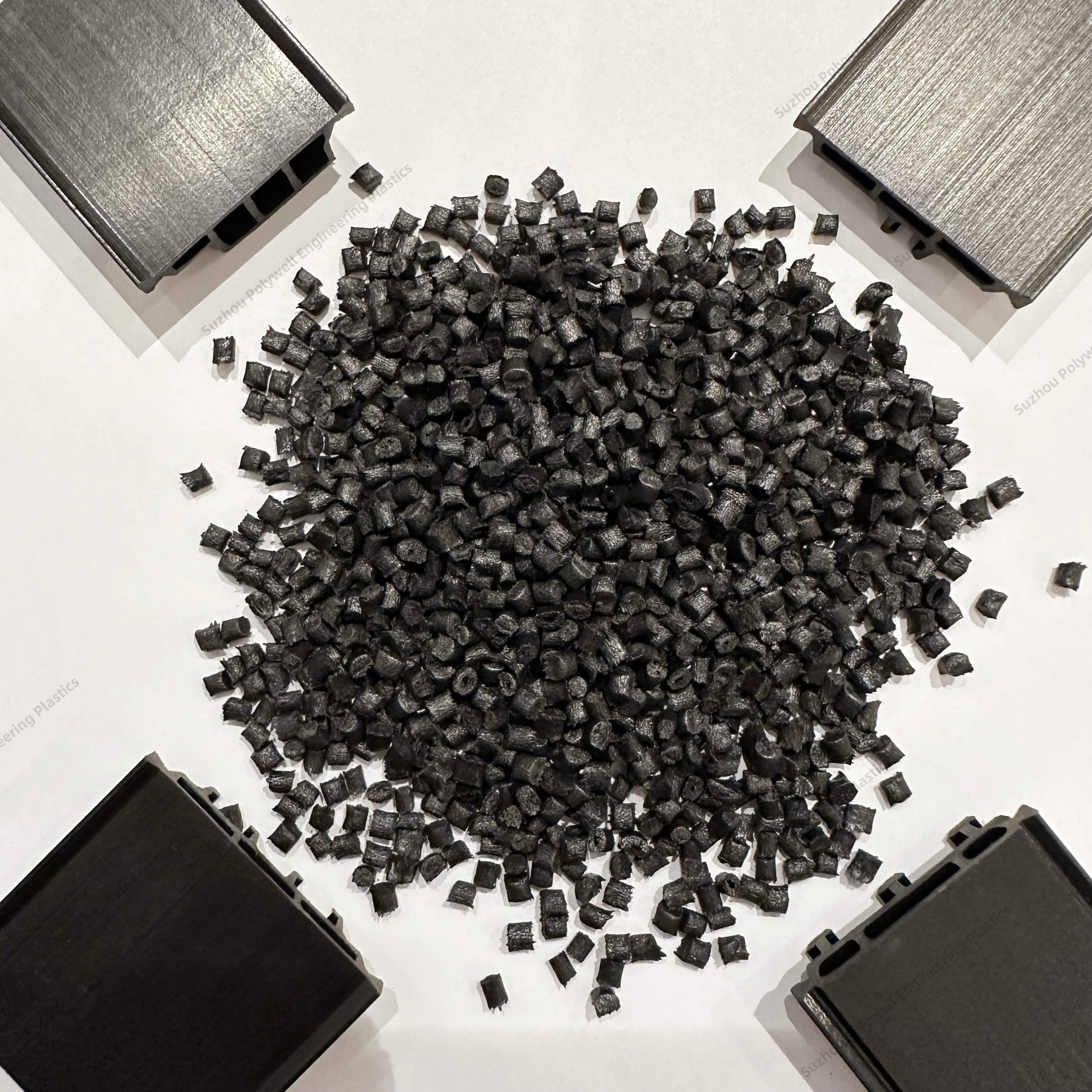
Why do some strips fail while others thrive? The answer almost always lies in the quality of the raw materials. Impurities in the polyamide or the glass fibers can create weak points that act as entryways for chemical attacks. High grade PA66 exhibits exceptional inherent resistance to most common cleaning agents and atmospheric chemicals. If a strip fails a chemical resistance test, it is often a sign that the material composition was compromised during the production process. For this reason, we stress the importance of working with high quality granules. Maintaining material purity is not just a technical detail; it is the foundation of product reliability and brand trust.
Implementing On Site and Field Testing
While lab tests are essential, there is no substitute for field performance data. We encourage our partners to collect data from real world installations, particularly in coastal or heavily industrialized areas where chemical stress is at its highest. By monitoring the condition of thermal break strips in these extreme environments, companies can refine their production processes and material choices. This proactive approach to field testing is a key component of our service philosophy at Polywell. We help our clients not only produce high quality strips but also understand how to validate their performance in the face of complex environmental challenges.
Building a Reputation for Excellence
Chemical resistance is a silent but critical aspect of building performance. Architects are increasingly demanding proof of durability, and providing comprehensive testing reports is a powerful way to secure high profile projects. When a manufacturer can demonstrate that their thermal break strips have been rigorously tested against chemical and environmental stressors, they provide their clients with peace of mind. Investing in robust testing protocols, coupled with the consistent supply of top quality components from reliable partners like Polywell, ensures that companies stay ahead of the competition and contribute to the longevity and energy efficiency of modern sustainable buildings.
 Hot News

 EN
EN