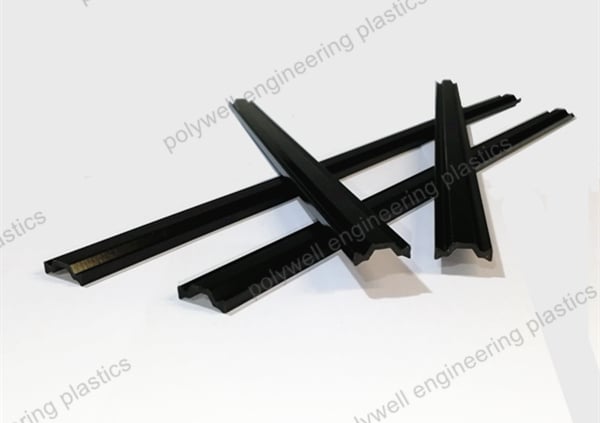
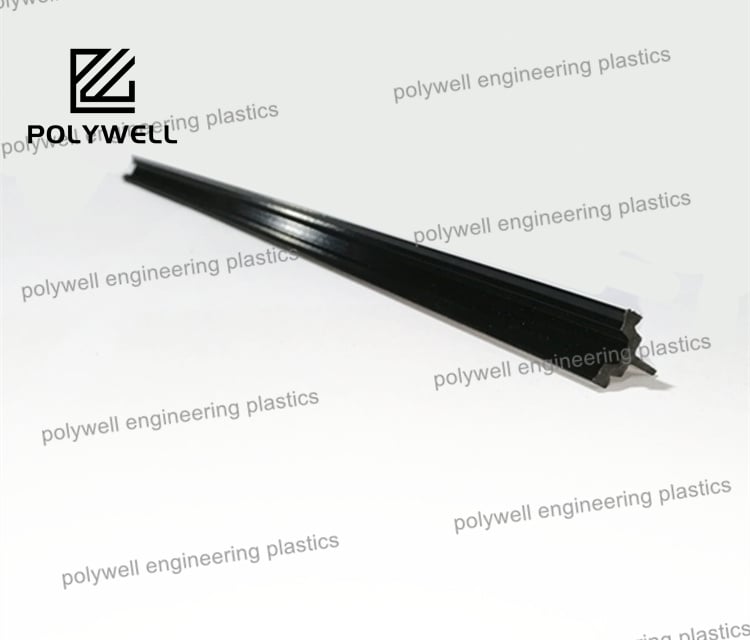
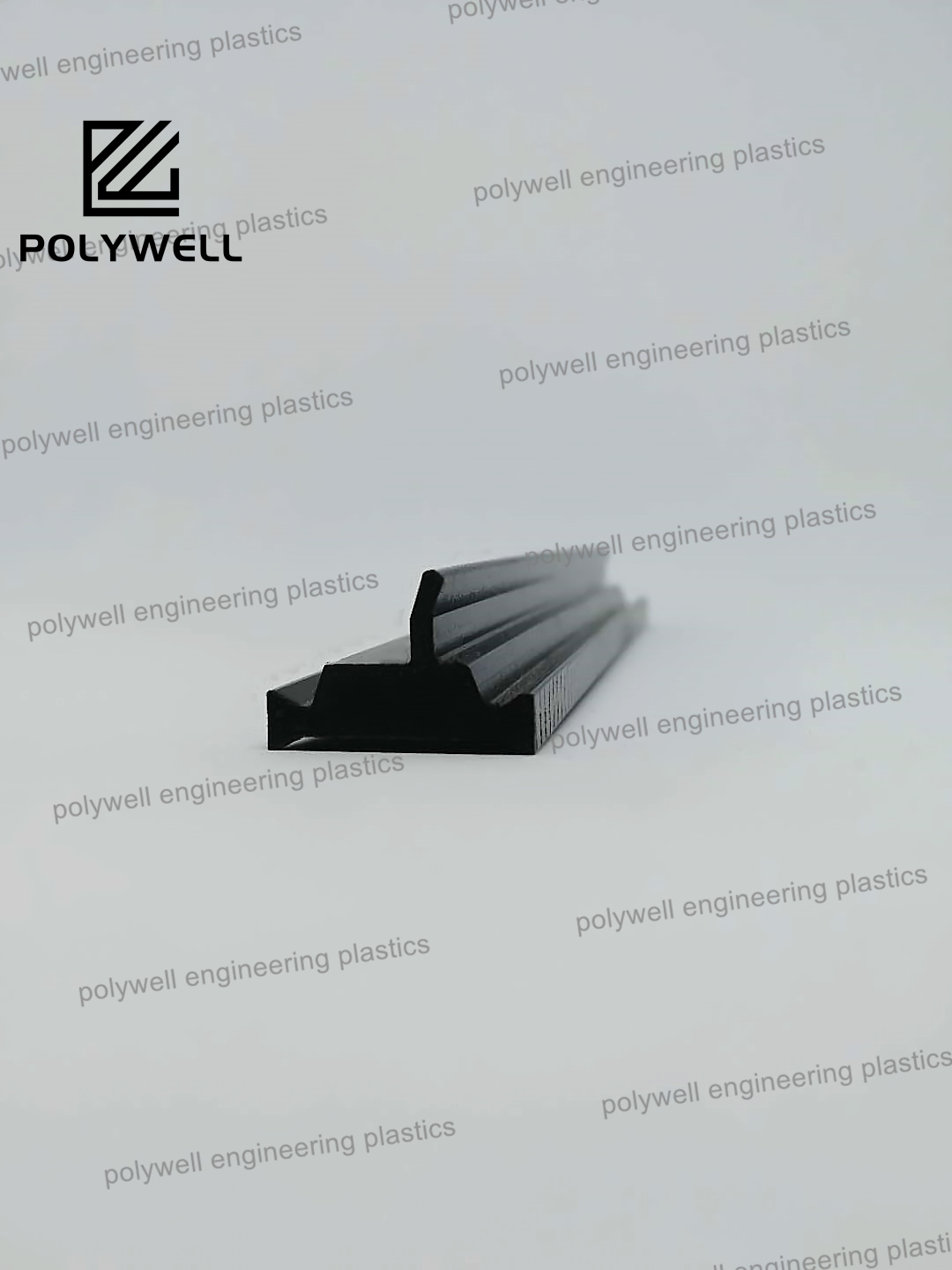
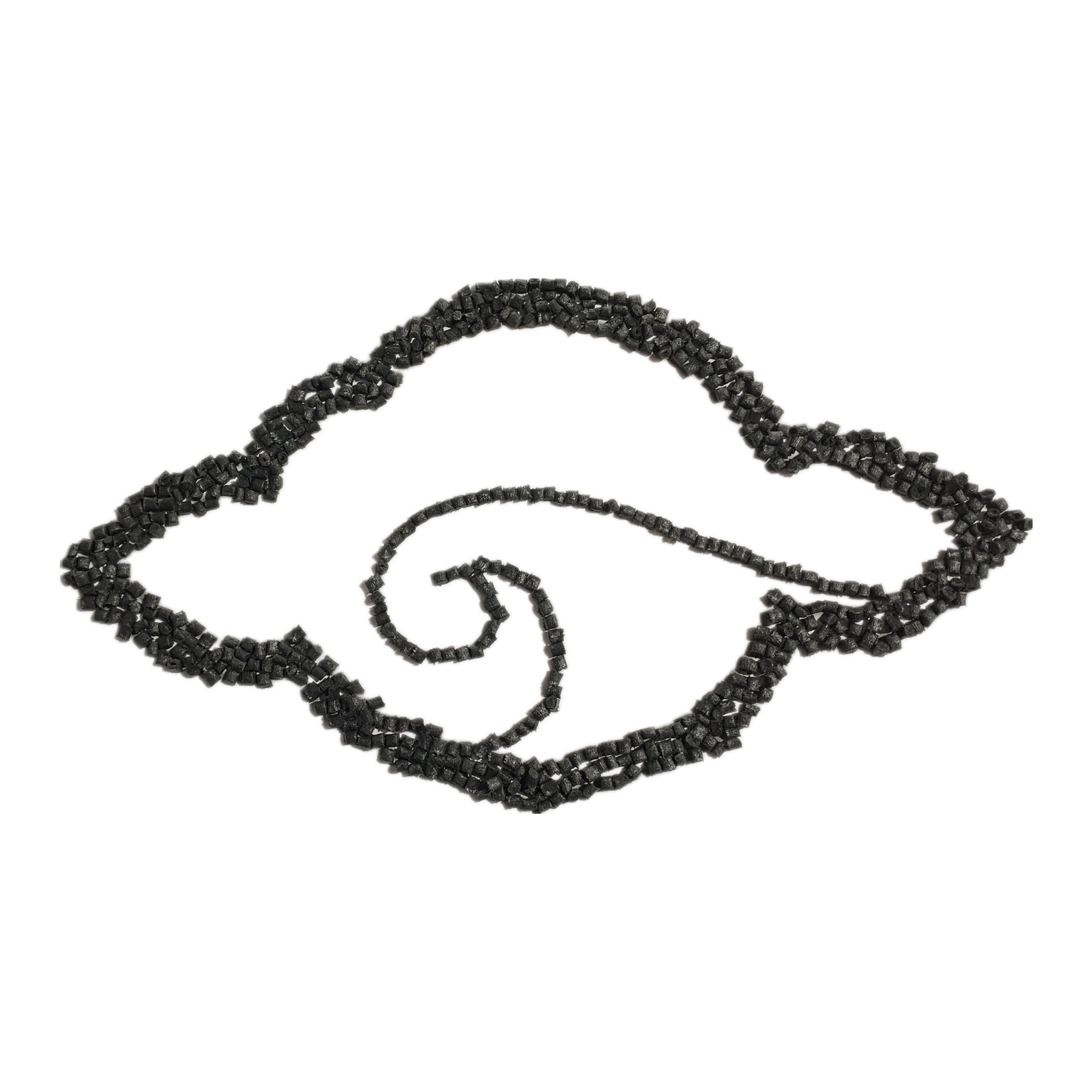
For architects, window manufacturers, and construction engineers, the integrity of every component in a thermal break system is paramount. The polyamide thermal break strip, particularly those crafted from high-performance PA66 GF25, acts as the invisible backbone of energy-efficient doors and windows. However, when these strips are integrated into complex aluminum frames, the challenge of clear, permanent, and professional identification often arises. Traditional labeling methods, such as ink-jet printing or adhesive stickers, frequently fail to withstand the rigorous environmental conditions—thermal expansion, UV exposure, and chemical cleaners—that window systems endure over decades. This is where laser marking technology transforms the production paradigm, shifting from temporary surface markings to permanent, structural integration.
Laser marking operates on a principle of precision that traditional ink systems cannot replicate. By utilizing a high-intensity fiber laser beam, the machine interacts directly with the molecular structure of the polyamide material. Unlike mechanical engraving which might compromise the tensile strength or structural integrity of the PA66 strip, laser marking induces a controlled photochemical reaction. This reaction alters the surface color or texture of the polymer without removing material or creating structural stress points. The result is a high-contrast, permanent mark—whether it is a batch code, a unique serial identifier, or a company logo—that becomes an intrinsic part of the profile. This process is exceptionally clean, eliminating the need for solvents, inks, or chemical additives, thereby ensuring that the profile remains environmentally benign and structurally sound, aligning with modern green building certifications.
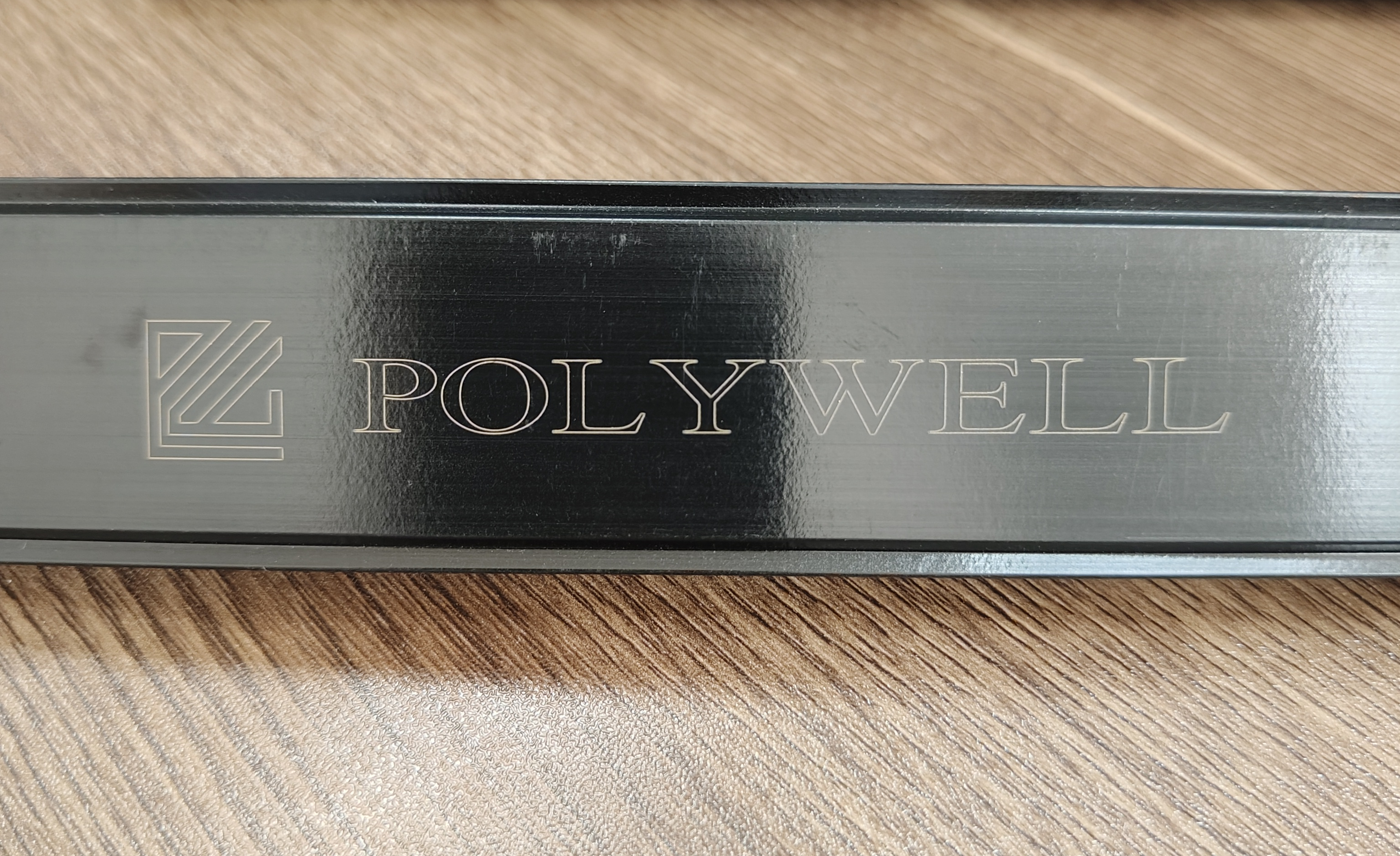
From an operational standpoint, the transition to laser marking systems represents a significant shift in long-term cost management. Manufacturing facilities focused on producing high-precision building materials often find that ink-jet systems are a continuous source of hidden overheads. These costs manifest through the constant procurement of consumables, the requirement for frequent nozzle cleaning, and the inevitable downtime associated with equipment clogging or maintenance. In contrast, laser marking machines are low-maintenance, solid-state systems. Once calibrated for a specific extrusion line—such as those operated by Polywell—the system requires minimal operator intervention. The lack of physical contact between the marking tool and the strip ensures that there is zero tool wear. Over thousands of kilometers of extrusion production, the savings generated from the absence of consumables alone can lead to a rapid return on investment.
In the competitive landscape of aluminum window systems, traceability is not just a quality control metric; it is a vital component of brand credibility and supply chain accountability. When building projects require compliance with strict international standards, every component must be verifiable. Laser marking allows for the inclusion of highly detailed QR codes, data matrix codes, and precise production timestamps. This level of detail ensures that if an issue arises—even years after installation—manufacturers can instantly trace the product back to its specific production batch, raw material source, and time of manufacture. For clients, this represents a promise of quality assurance. Being able to demonstrate that every single thermal break strip is tracked with such precision builds immense trust in the product’s consistency and the manufacturer's commitment to excellence.
Polywell has spent years refining the production of polyamide thermal break strips, understanding that the quality of the final window system starts with the material science of the insulation. By integrating sophisticated laser marking capabilities into the production workflow, Polywell ensures that every strip supplied to the global market is not just a high-performance insulating component, but a trackable piece of engineering. The expertise embedded within Polywell extends far beyond simple manufacturing; it encompasses a deep understanding of how these strips perform within aluminum frames. Whether the project requires standard thermal barriers or complex, customized shapes, the combination of advanced extrusion technology and permanent laser marking serves to uphold the rigorous quality standards required by modern construction. By choosing partners who invest in such technology, window manufacturers gain more than just a product—they secure a reliable supply chain partner dedicated to technological advancement and operational transparency.
The construction industry is moving rapidly toward total digital integration. As smart buildings become the norm, the requirement for building information modeling (BIM) data and product traceability becomes more stringent. Laser marking is the bridge that connects physical building components to the digital world. By incorporating machine-readable codes directly onto PA66 profiles, manufacturers ensure that their products are "born-coded" for the future of building maintenance and renovation. This move toward permanent, digital-ready identification is no longer an optional luxury but a necessity for players aiming to maintain a leading edge in the global market. With manufacturers like Polywell continuing to prioritize high-tech processing and rigorous quality controls, the standard for what defines a superior thermal break strip is being redefined, moving the industry toward a safer, more efficient, and more transparent future.
 Hot News
POLYWELL specializes in PA66 thermal insulation strips, offering polyamide granules, extruders, molds, winding machines, and comprehensive one-stop customization services.
Jinfeng Town, Zhangjiagang City, Suzhou City, Jiangsu Province, China
Copyright © 2024 Suzhou Polywell Engineering Plastics Co.,Ltd Privacy Policy
 EN
EN