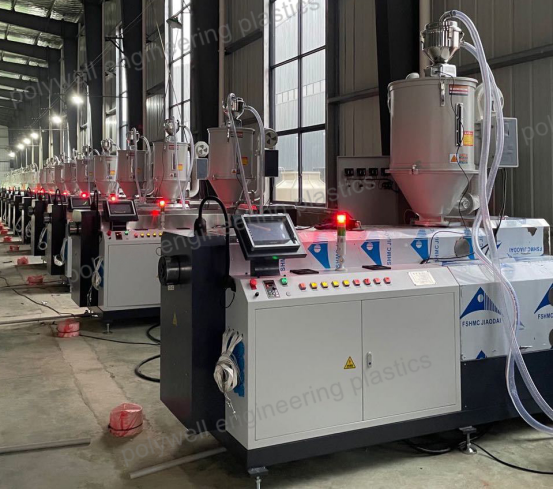
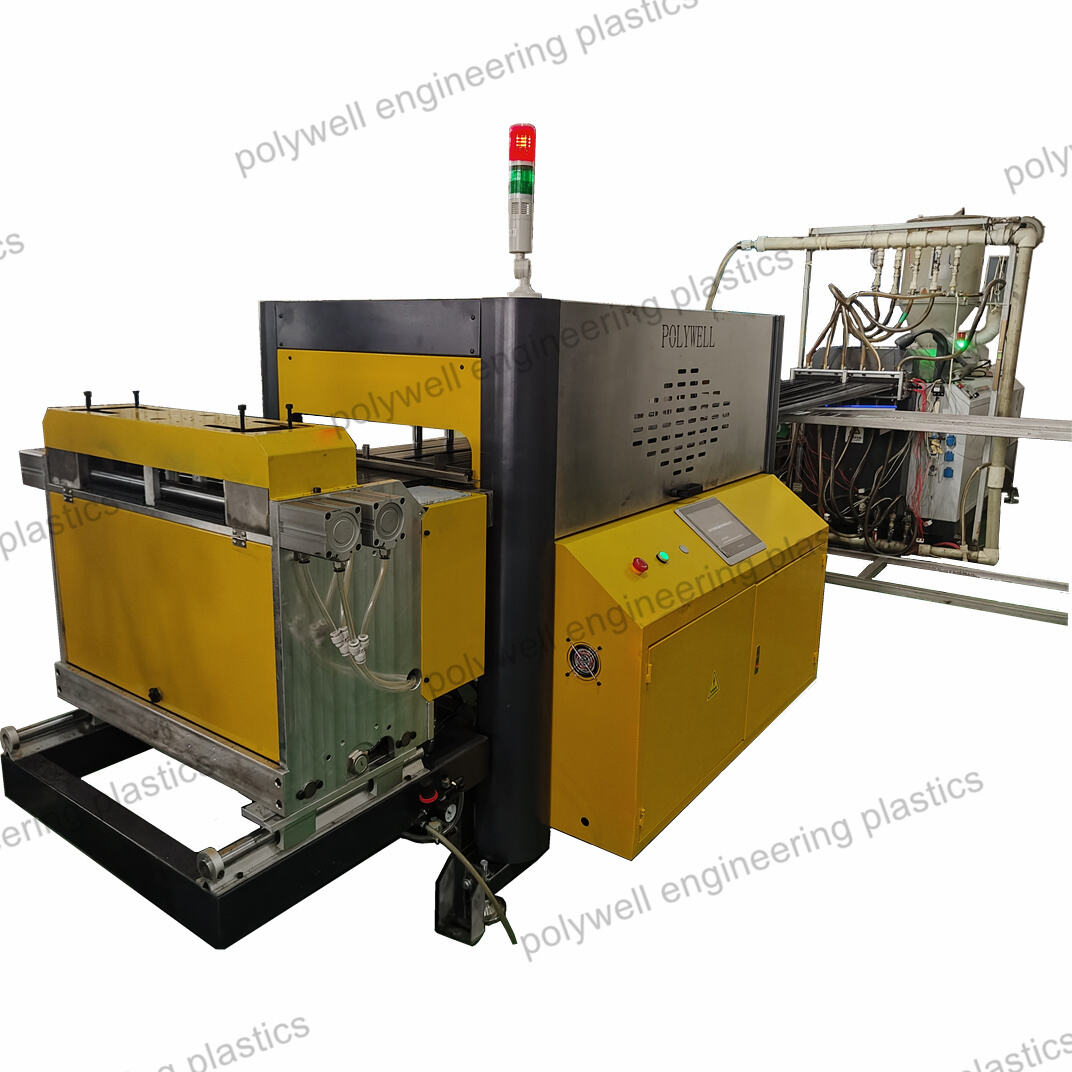
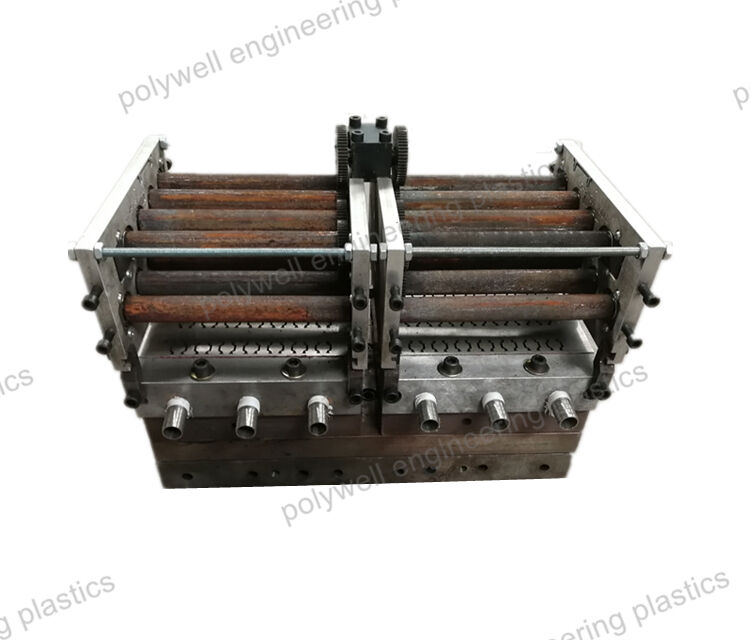
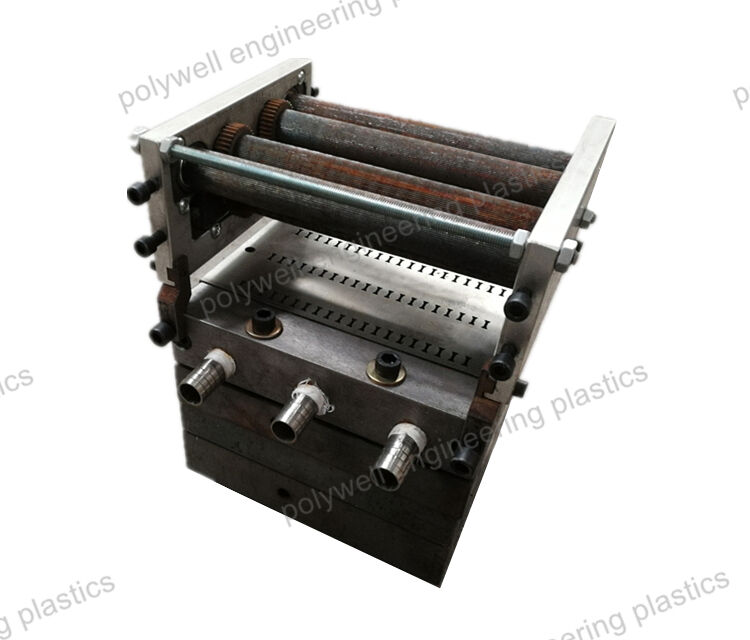
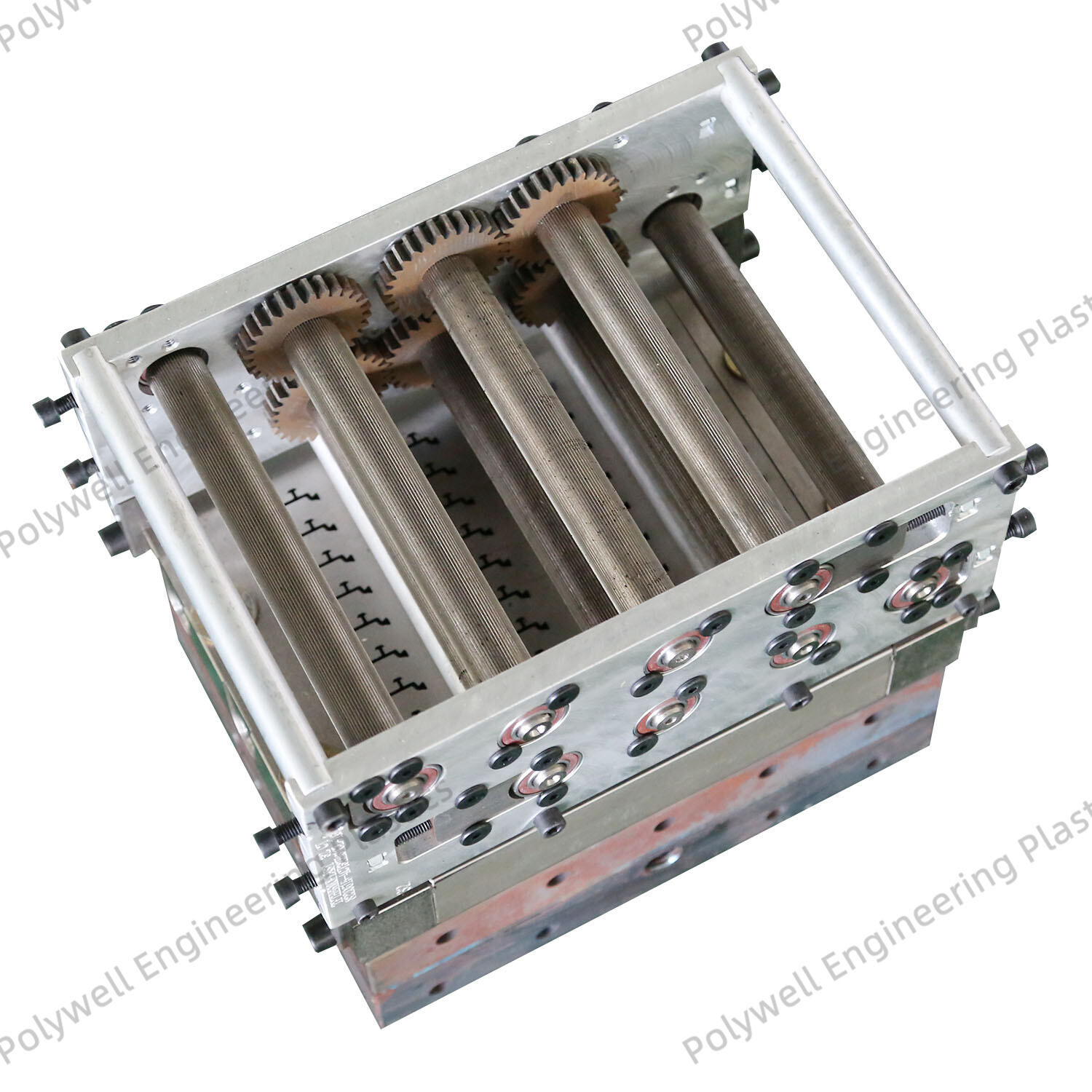
Plastics extruders are the central machines in a continuous process that transforms raw thermoplastic materials into a vast array of finished or semi-finished products with a constant cross-section, such as profiles, pipes, sheets, and films. The core principle involves feeding plastic resin, often in pellet form, from a hopper into a heated barrel containing a rotating screw. This screw serves three critical functions: it conveys the solid material forward, subjects it to intense shear and pressure to melt it uniformly, and then meters the homogeneous melt at a consistent pressure and volume through a shaping die. The design of the screw is paramount and is tailored to the specific polymer being processed; for instance, a screw for rigid PVC differs significantly from one optimized for glass-filled Polyamide 66 (PA66) due to differences in melt viscosity, shear sensitivity, and thermal stability. Extruders are classified primarily by their screw configuration, with single-screw extruders being the most common for their simplicity and cost-effectiveness in tasks like profile extrusion, while twin-screw extruders (co-rotating and counter-rotating) offer superior mixing, devolatilization, and output stability, making them essential for compounding and processing heat-sensitive or filled materials. Key performance metrics for an extruder include its output rate (kg/hour), degree of melt temperature uniformity, and power consumption. Downstream from the die, the extrudate must be cooled, typically in a calibrated water bath or with air knives, and then pulled by a haul-off unit before being cut or wound. The entire system's stability, from the consistency of the raw material feed to the precision of the downstream equipment, dictates the quality of the final product, making the plastics extruder a sophisticated and integral piece of equipment in modern polymer processing.