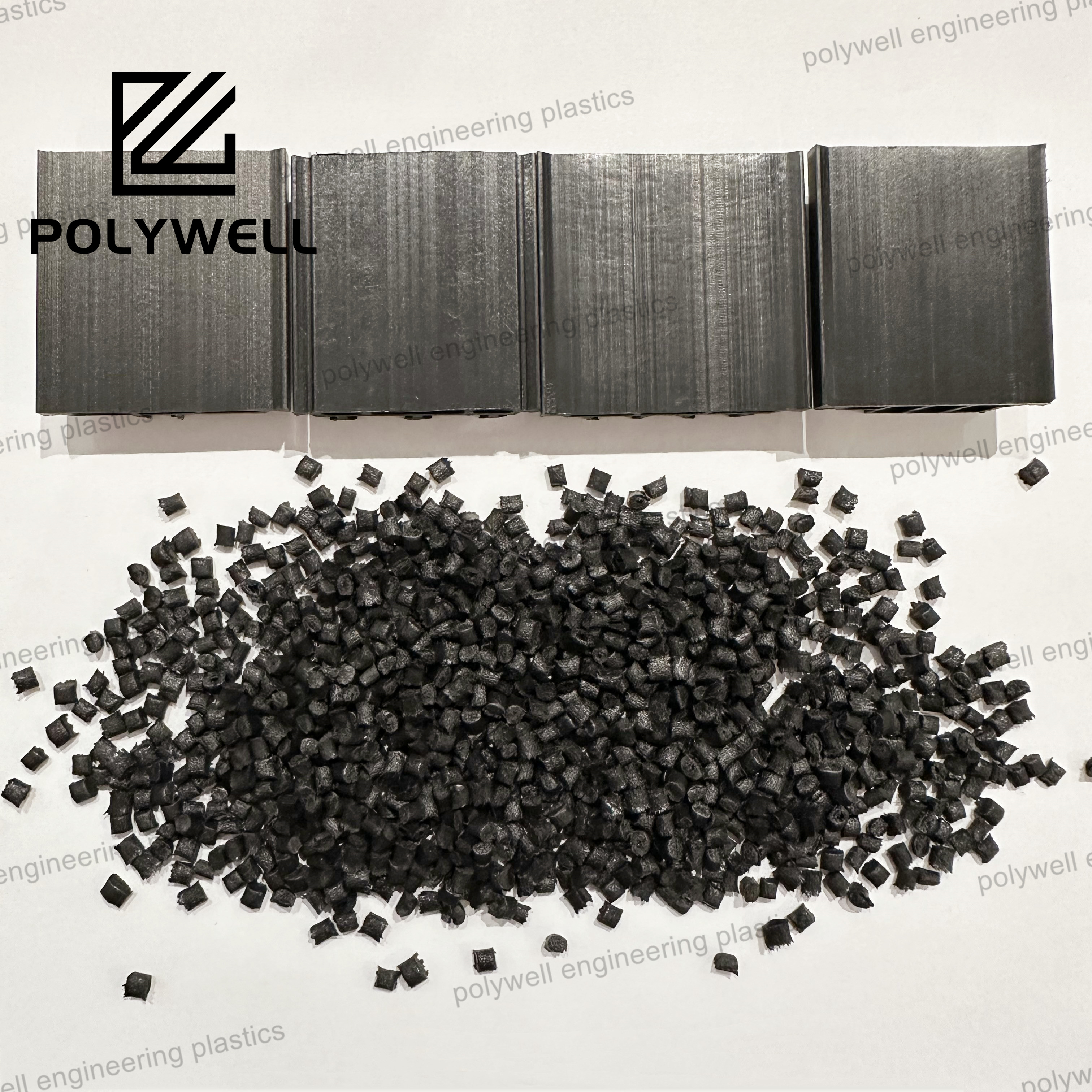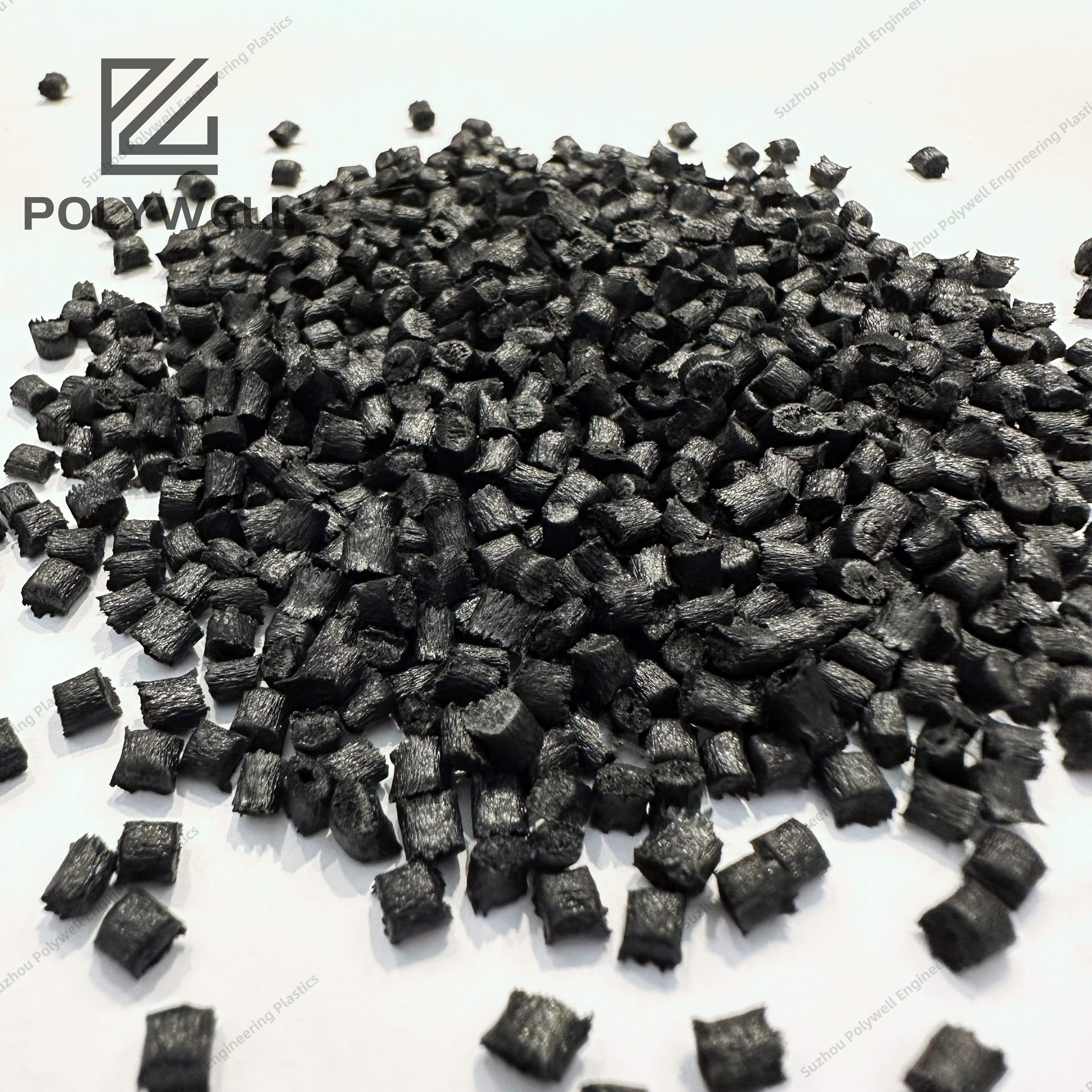
Glass Filled Nylon PA66 GF25 for Thermal Break Strips | POLYWELL

All Categories

POLYWELL Glass Filled Nylon: Support for Durable Thermal Break Strip Production

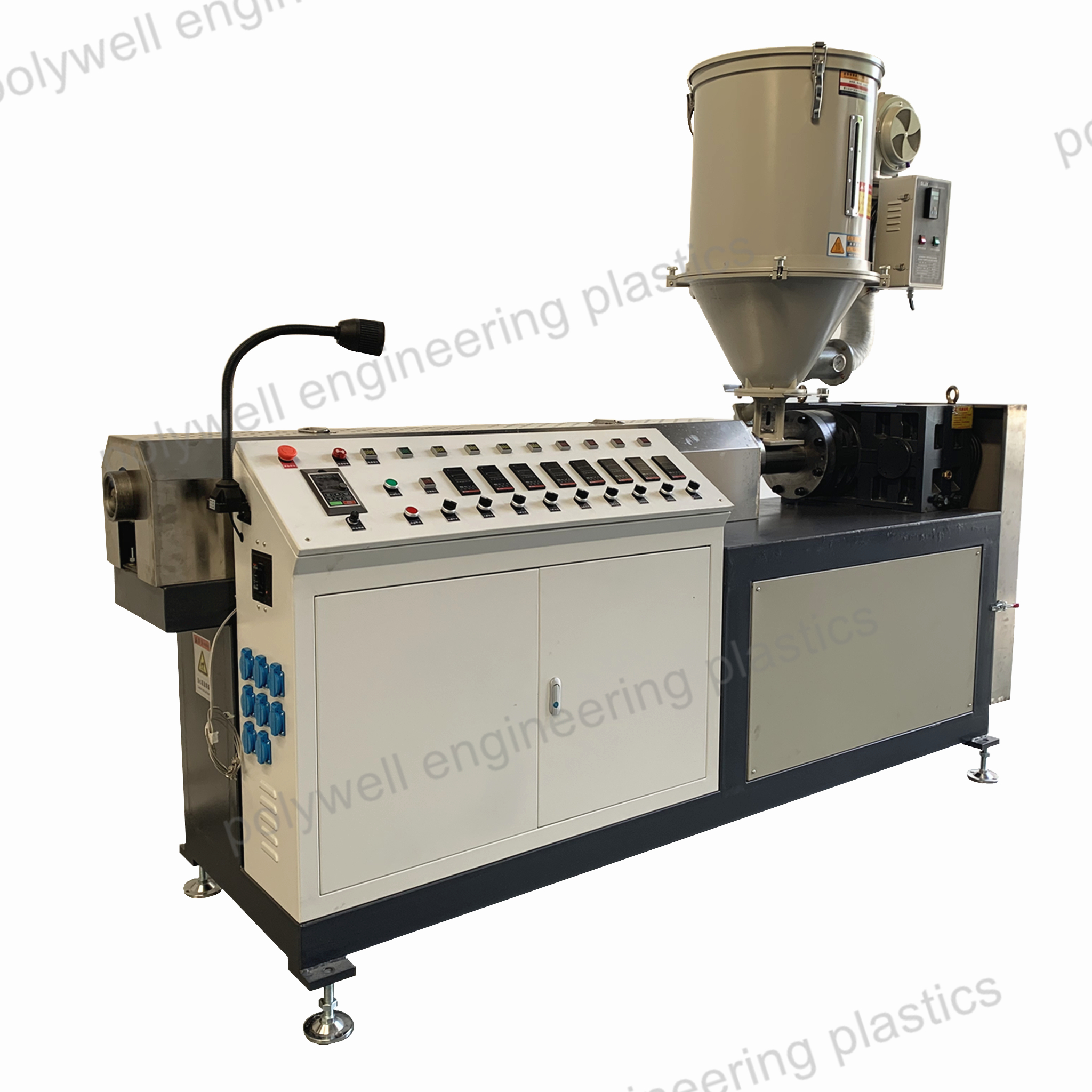
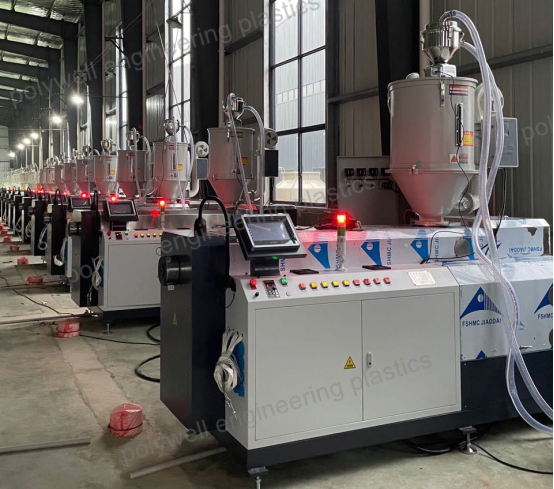
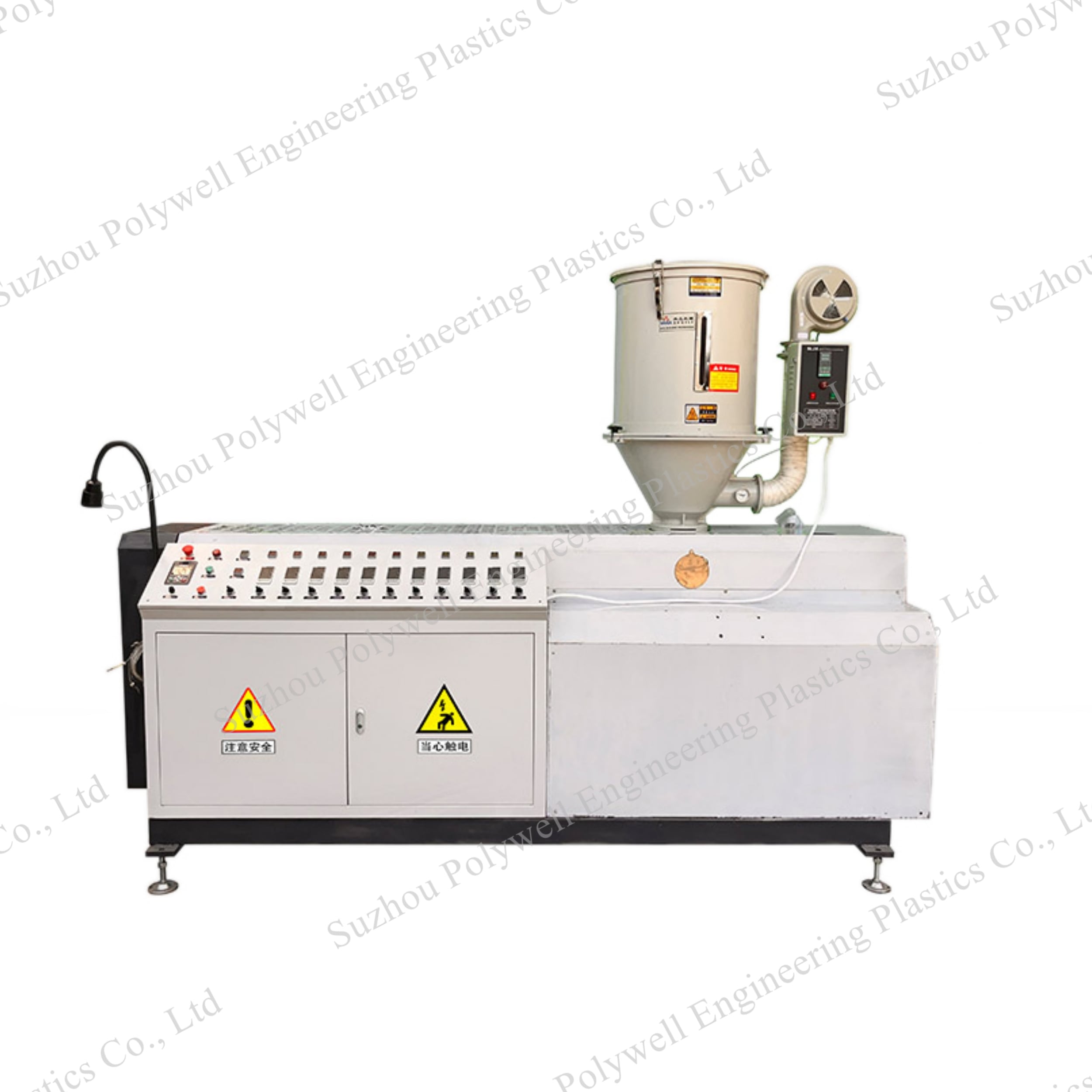
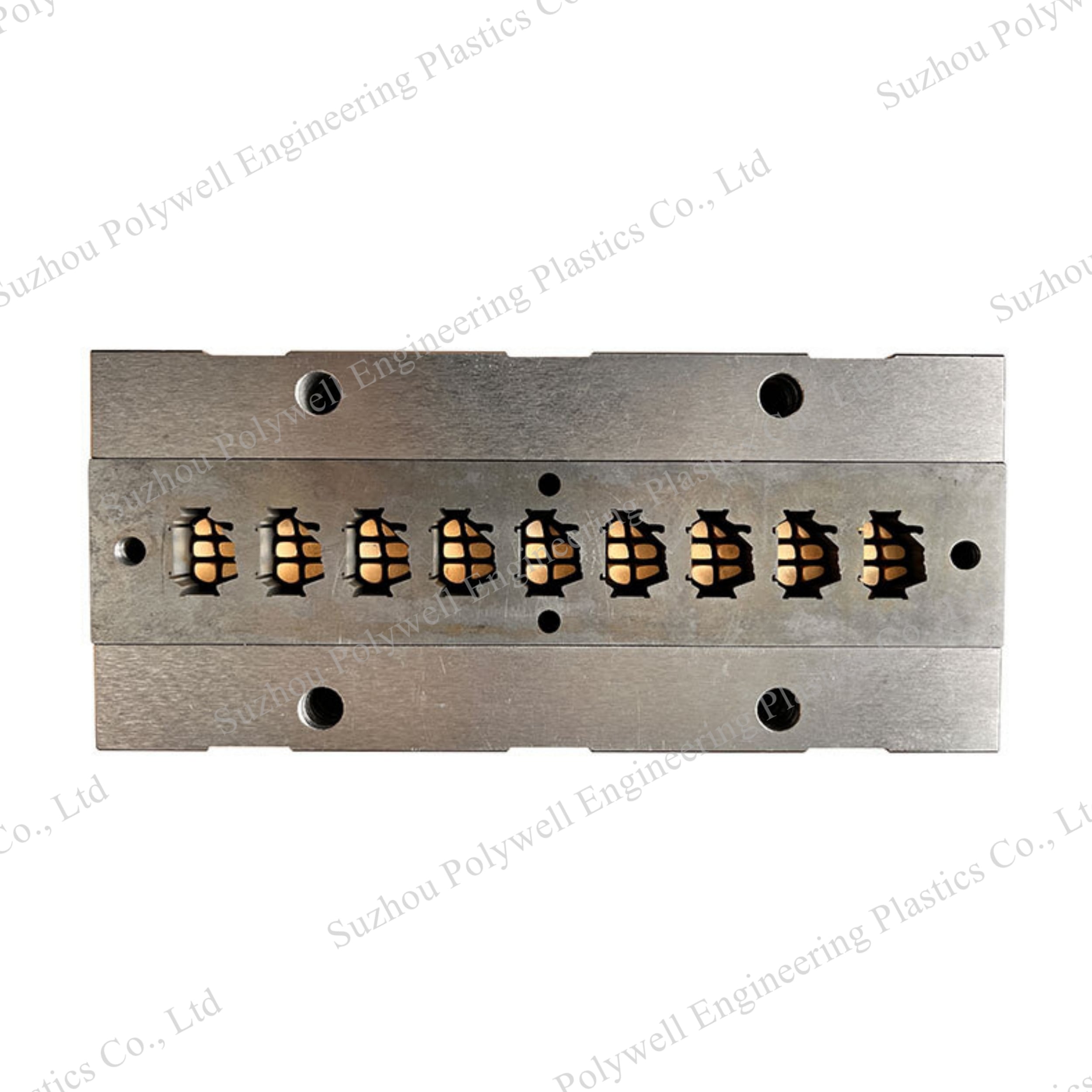
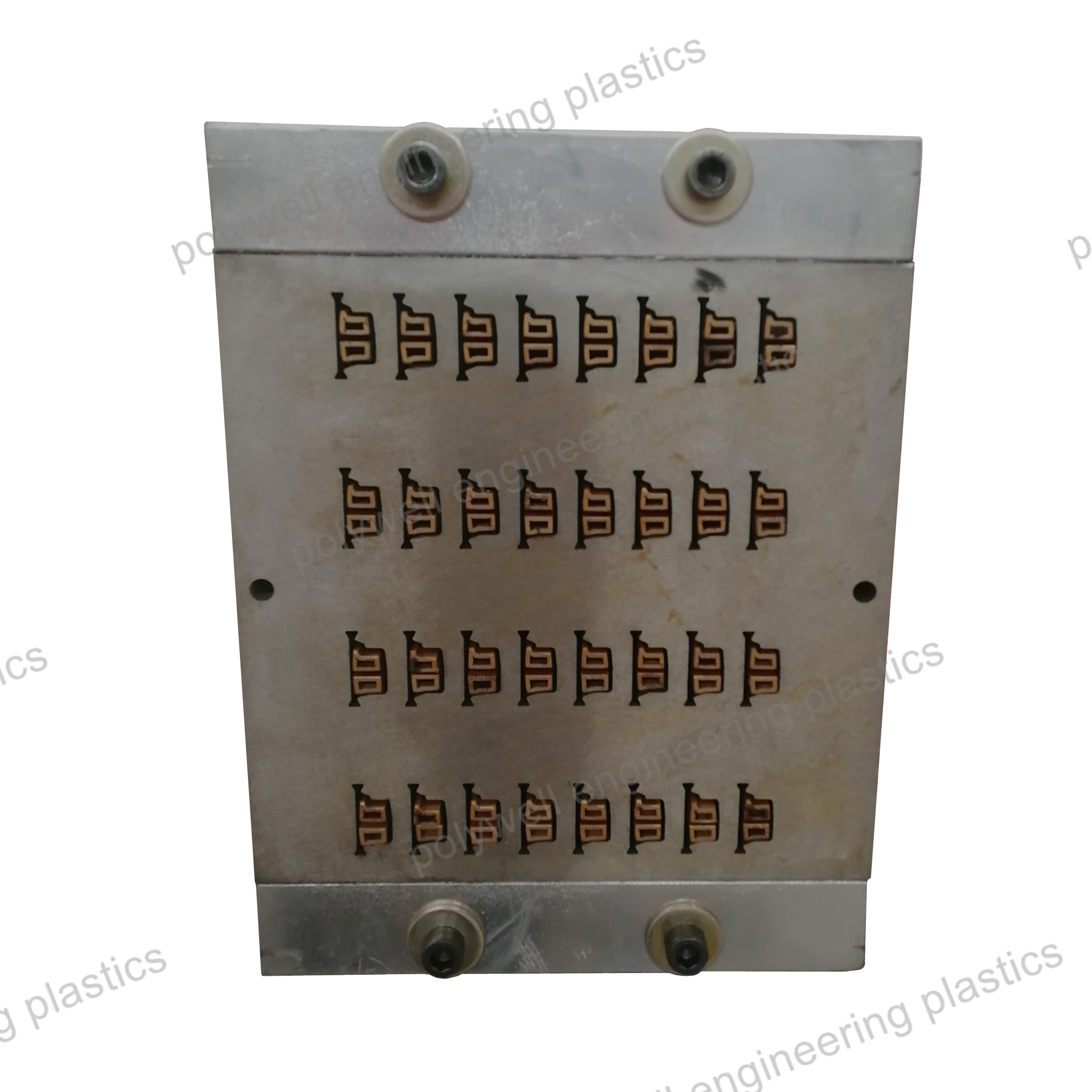
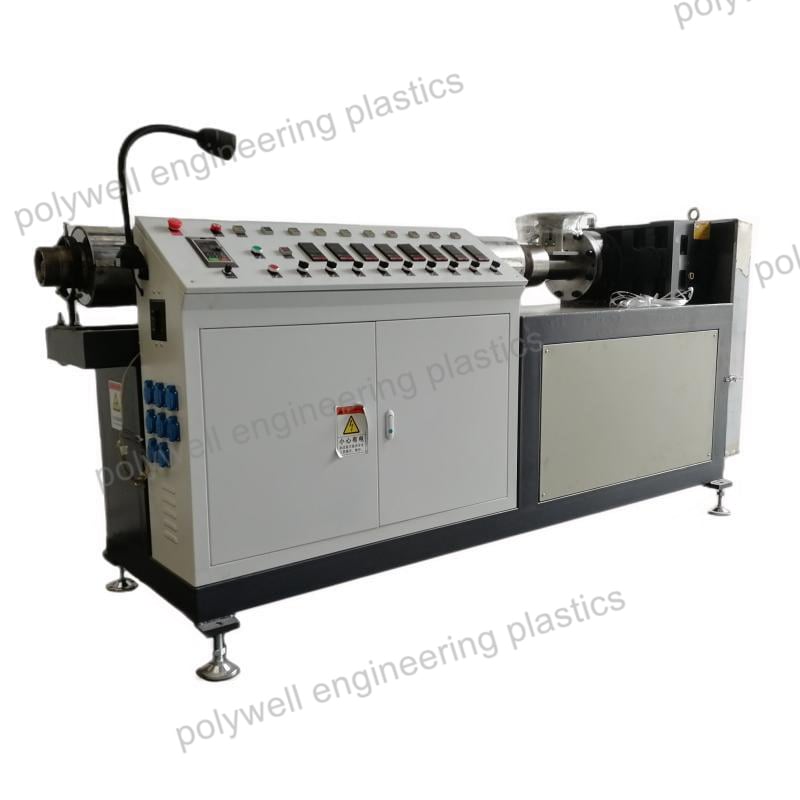
This page belongs to POLYWELL, a provider with 15+ years of experience in polyamide products, including solutions for glass filled nylon thermal break strips. It offers glass filled nylon raw materials (e.g., reinforced granules), specialized extruders (designed to handle glass filled nylon’s abrasiveness), and custom molds for glass filled nylon strip shaping. The content emphasizes production technology guidance—such as optimizing processing parameters for glass filled nylon to avoid defects—and DFM services to predict risks in glass filled nylon manufacturing. On site service and lifelong worker training ensure smooth production. Client testimonials (e.g., Mr. Tiago’s positive feedback on extruders) confirm reliability. The 6 step cooperation process supports glass filled nylon strip manufacturers from design to shipping.
Get A Quote

Advantages of the product

Excellent Resistance to Creep and Fatigue

PA66 GF25 exhibits outstanding resistance to creep (deformation under long term stress) and fatigue, which is critical for thermal break strips that must support heavy sash and door panels for decades. This property ensures that the strip will not slowly deform or weaken over time, preserving the structural integrity and operational smoothness of the window or door. Our material selection guarantees a long lasting solution that building occupants can rely on.

Related products

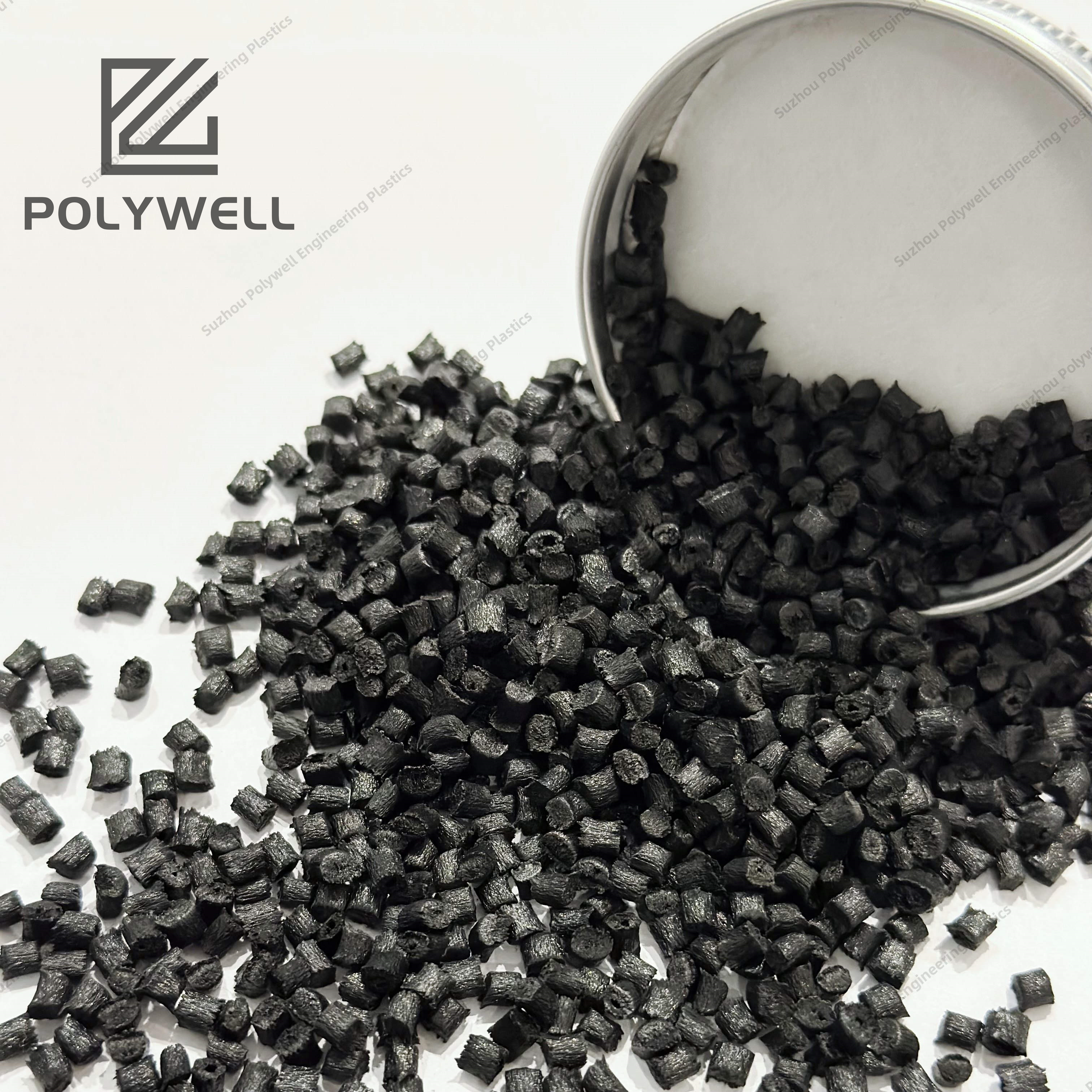
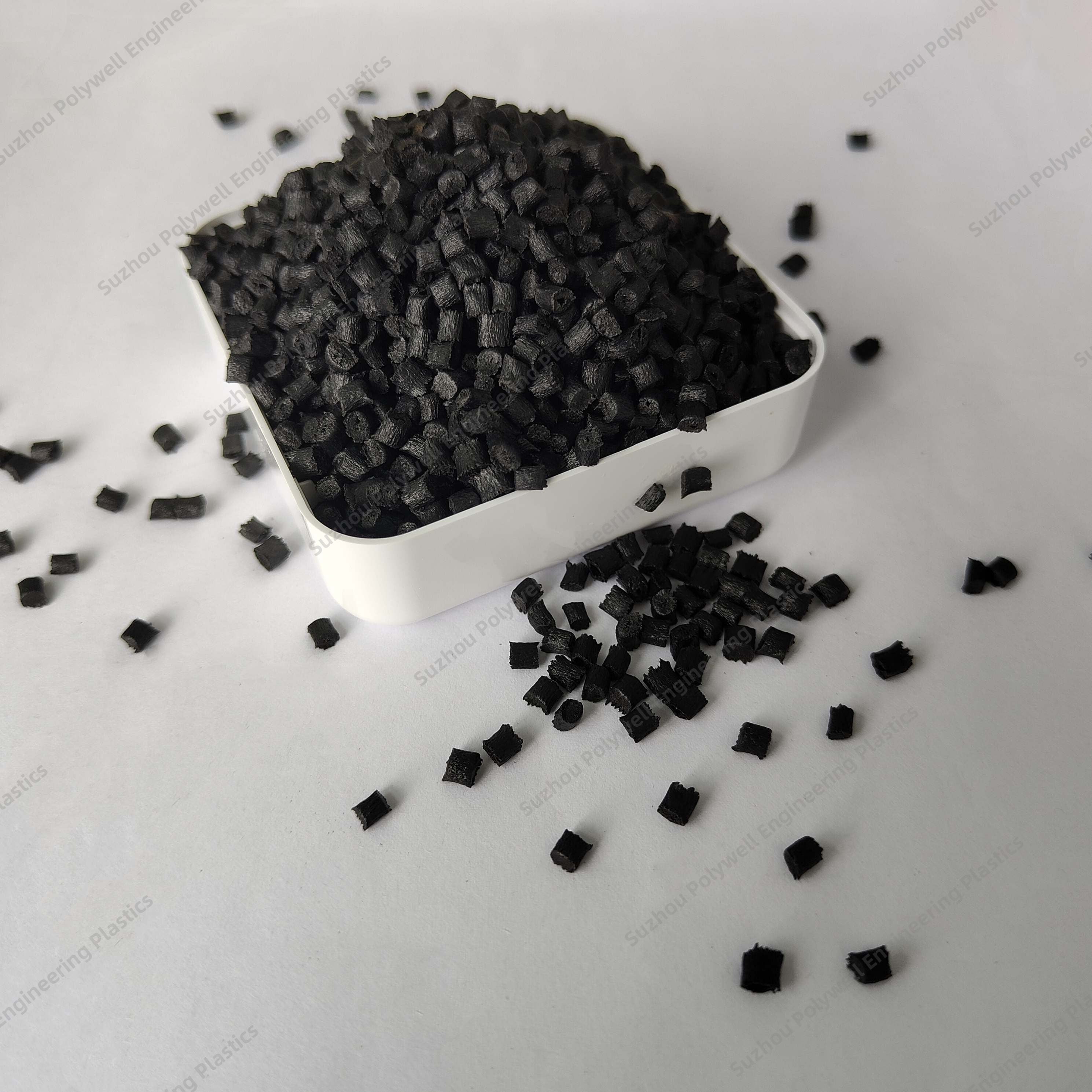
Glass filled nylon refers to composites where glass fibers are incorporated into a nylon matrix, typically enhancing mechanical properties such as stiffness, strength, and dimensional stability. The addition of glass fibers, usually ranging from 10% to 40% by weight, transforms the base nylon—often PA 66—into a material with a tensile strength that can exceed 150 MPa and a flexural modulus up to 10 GPa, depending on fiber orientation and length. This reinforcement reduces the material's tendency to warp or creep under load, making it ideal for high-stress applications like automotive engine components or electrical enclosures. Thermally, glass filled nylon exhibits a higher heat deflection temperature (HDT) than unfilled versions, often reaching 250°C or more, which allows it to withstand harsh environments without deformation. The glass fibers also improve creep resistance and reduce moisture absorption, mitigating issues like swelling that can occur in humid conditions. However, the inclusion of fibers can increase brittleness and reduce impact strength, necessitating careful design to avoid stress concentrations. Processing glass filled nylon requires abrasion-resistant equipment due to the fibers' wear on molds, and parameters like injection speed must be optimized to ensure uniform fiber distribution for consistent performance. In terms of thermal management, its low thermal conductivity (around 0.3 W/m·K) combined with enhanced stiffness makes it a prime candidate for thermal break strips in construction, where it provides structural integrity while minimizing heat transfer. Environmental aspects include recyclability, though separation of fibers can be challenging, and life cycle assessments often show improved durability leading to longer product lifespans. Applications extend to aerospace, where weight reduction is critical, and consumer goods like power tool housings. Innovations in fiber treatments and coupling agents continue to enhance adhesion between fibers and matrix, pushing the boundaries of performance for this versatile composite material in global markets.

Frequently Asked Questions

Why is PA66 GF25 the preferred material for high performance thermal breaks?

PA66 GF25 is preferred because it offers an unmatched combination of high tensile strength, stiffness, and exceptional resistance to creep (deformation under long term stress) due to its 25% glass fiber reinforcement. It has a high melting point, ensuring stability in extreme climates, and very low thermal conductivity. This balance of structural and insulating properties makes it the reliable, industry standard choice for demanding applications.

Related Articles

Single Screw Extruder vs. Twin Screw Extruder: What's the Difference?

10

Jun

Single Screw Extruder vs. Twin Screw Extruder: What's the Difference?

Explore the key differences between single and twin screw extruders, focusing on design, functionality, and application in insulation manufacturing. Learn their benefits in terms of consistency, cost-efficiency, and material compatibility, with FAQs addressing common reader queries.
View More
Cutting Machine Selection for Thermal Break Strip Processing

21

Aug

Cutting Machine Selection for Thermal Break Strip Processing

Maximize efficiency and quality in thermal break strip processing. Discover key selection criteria and benefits of modern cutting technology. Optimize your production workflow today.
View More
Daily Inspection of Single Screw Extruder for Thermal Break Strip Production

17

Sep

Daily Inspection of Single Screw Extruder for Thermal Break Strip Production

Ensure peak extrusion performance with our daily inspection checklist for single screw extruders in thermal break strip production. Prevent downtime and maintain quality—download your free guide now.
View More
How to Solve Feeding Problems of Single Screw Extruder in Thermal Break Strip Making

17

Sep

How to Solve Feeding Problems of Single Screw Extruder in Thermal Break Strip Making

Struggling with inconsistent feeding in thermal break strip extrusion? Discover proven solutions for moisture, material flow, and mechanical issues causing 12-18% efficiency loss. Implement cooling, AI monitoring, and optimized screw designs to stabilize output. Reduce downtime by up to 60%. Learn how.
View More

customer evaluation

Amelia

When we supply fenestration for international projects, we cannot compromise on material quality. This PA66 helps us consistently achieve the required U values and performance certifications. It's a trusted component in our global supply chain.

Get a Free Quote

Our representative will contact you soon.
Email
Name
Company Name
Message
0/1000
Industry Standard PA66 GF25 Formulation

Industry Standard PA66 GF25 Formulation

Our PA66 GF25 is the benchmark material for high performance thermal break strips renowned for its exceptional combination of tensile strength stiffness and high temperature resistance The 25 percent glass fiber reinforcement provides outstanding resistance to creep ensuring the strip can support heavy window sashes for decades without deformation Its high melting point guarantees dimensional stability in both extreme summer heat and winter cold making it the most trusted and specified material in the industry
Excellent Resistance to Creep and Fatigue

Excellent Resistance to Creep and Fatigue

PA66 GF25 exhibits superior long term durability under continuous mechanical stress a critical requirement for thermal breaks It is engineered to withstand the constant load of window and door components without slowly deforming or weakening over time This resistance to creep and fatigue ensures that the insulating gap remains consistent and the structural connection between aluminum sections stays secure preserving the windows operational smoothness and overall safety throughout its entire service life
Optimized for Processing and Performance

Optimized for Processing and Performance

Our PA66 is specially compounded to ensure excellent processability on extrusion lines It features precise drying requirements and is engineered to flow uniformly through the extrusion die enabling the production of consistent smooth surfaced strips without defects This not only improves production efficiency and reduces waste but also results in a superior surface finish that ensures perfect adhesion and bonding with the aluminum during the roll forming process
Inquiry Inquiry Email Email WhatsApp WhatsApp Wechat Wechat
Wechat
TopTop

Related Search