
 EN
EN


The Manufacturing Process of PA66GF25 Granules Explained
POLYWELL manufactures high-quality PA66GF25 granules through a detailed process, ensuring superior strength and thermal stability for various applications.
View More
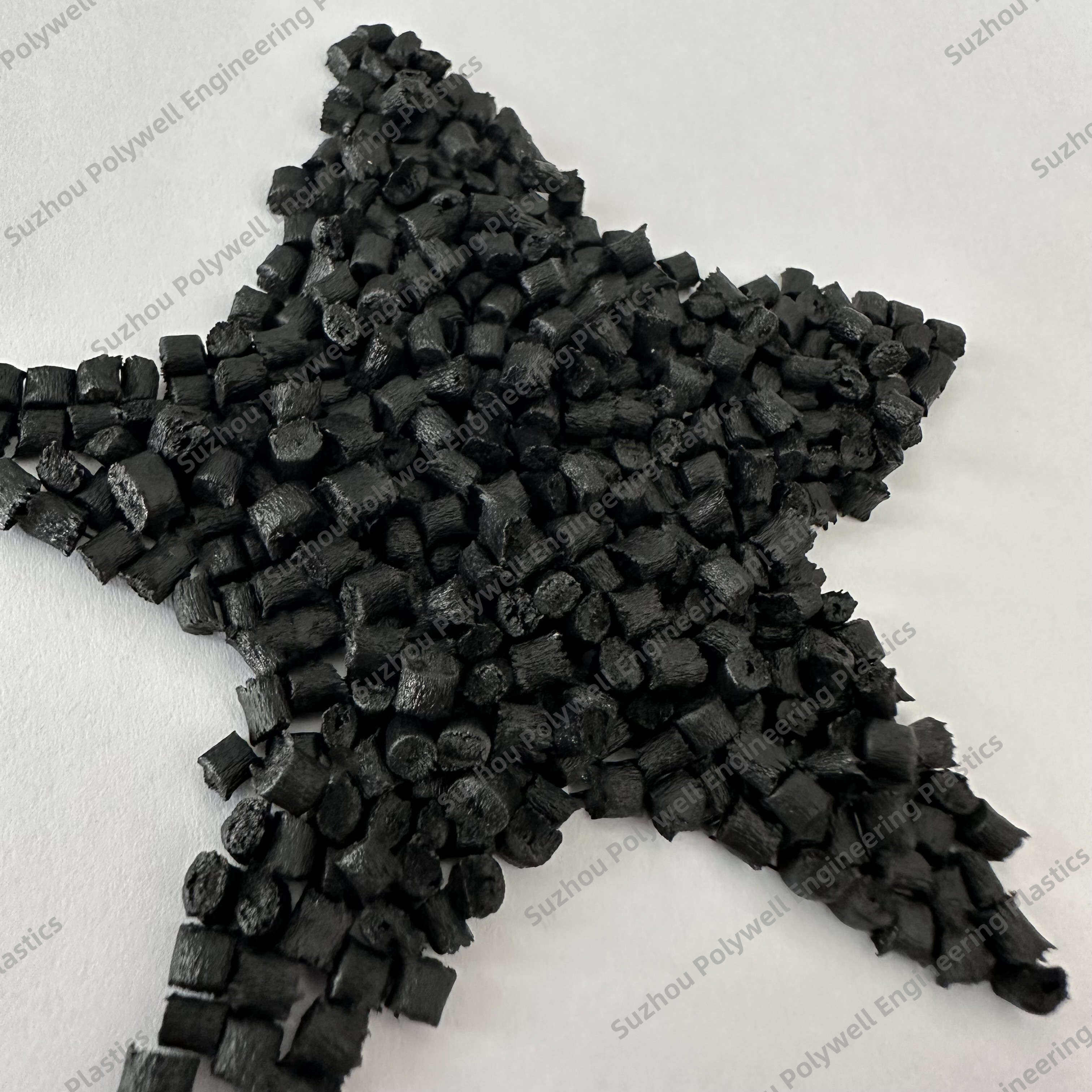
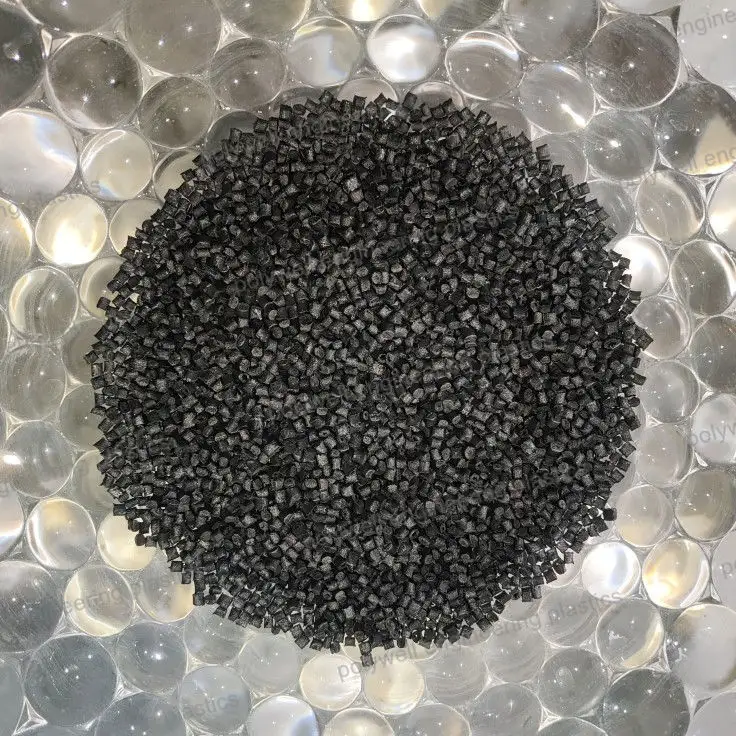
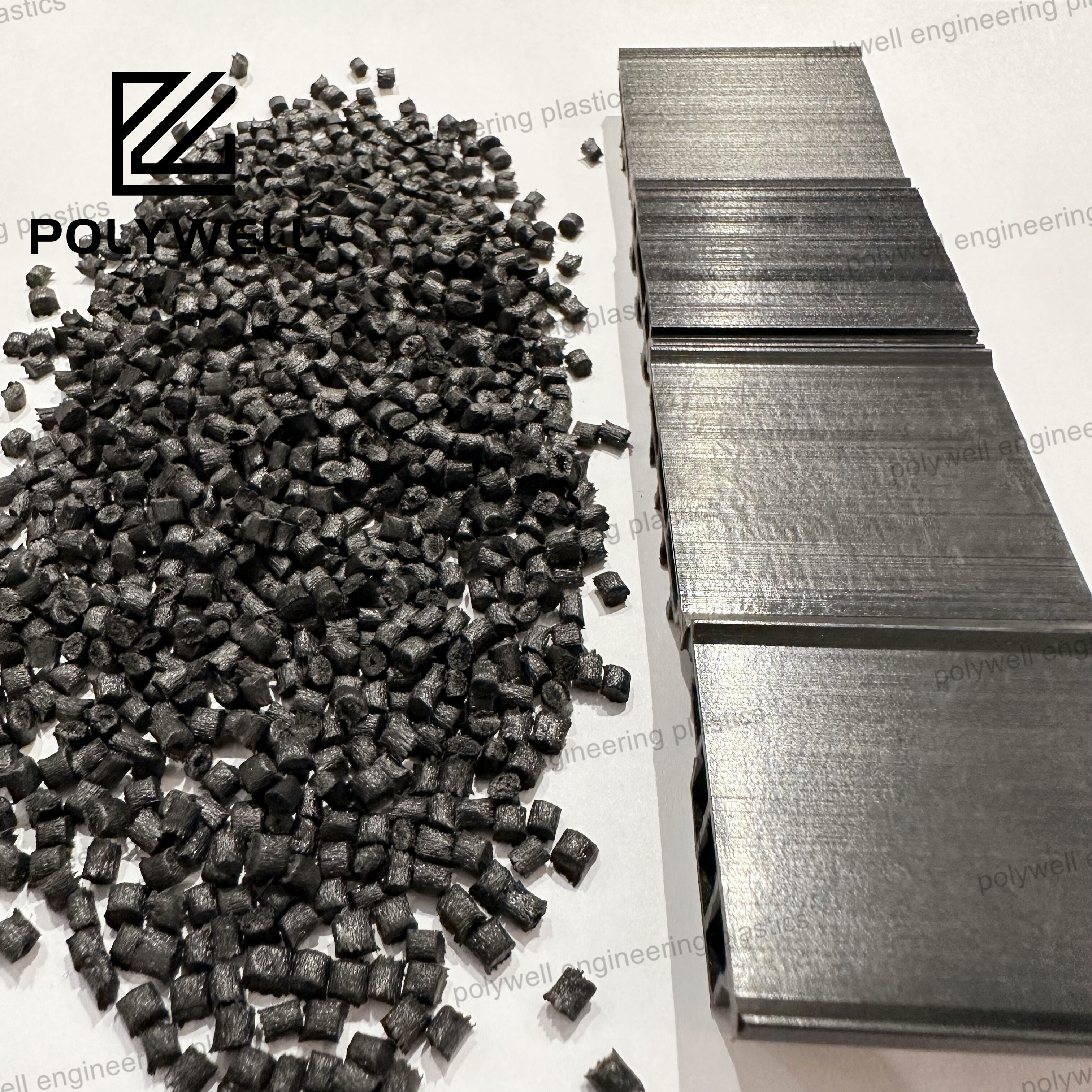
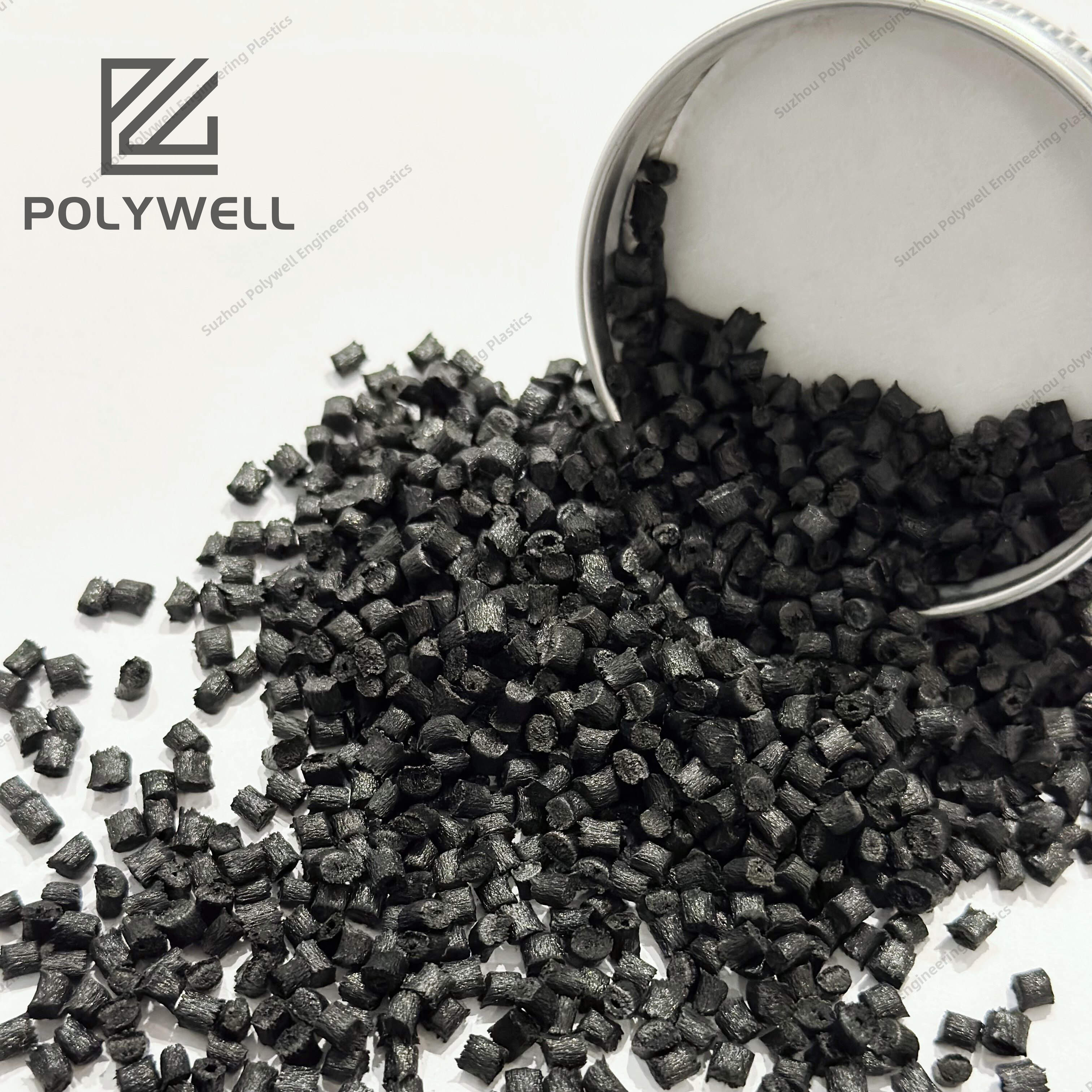
PA66 pellets are a standardized feedstock form of polyamide 66, engineered for consistency and efficiency in plastic processing industries. These pellets exhibit a uniform size and shape, facilitating smooth flow in feeding systems and melting evenly in injection molding or extrusion equipment. The material properties include high mechanical strength (tensile strength up to 90 MPa), good impact resistance, and a melting point of about 260°C, with a heat deflection temperature of 70–100°C depending on the load. Processing guidelines recommend melt temperatures of 270–290°C and mold temperatures of 60–100°C to achieve desired crystallinity and minimize defects like warpage or voids. Due to PA66's hygroscopic nature, pellets require thorough drying at 80–100°C for 2–4 hours to prevent issues such as splay marks or reduced viscosity during molding. Applications span automotive parts (e.g., radiator tanks, fasteners), electrical components, and consumer products, where the pellets' ability to be colored, filled, or reinforced with additives like glass fibers enhances versatility. The material offers excellent resistance to oils, fuels, and chemicals, making it suitable for harsh environments, though UV stabilizers may be needed for outdoor use. Sustainability is a key consideration, with PA66 pellets being recyclable and often used in closed-loop systems to reduce waste. Overall, this pellet form provides a reliable and scalable solution for manufacturers, combining ease of handling with the inherent benefits of PA66, such as durability and thermal stability, to meet global demands for high-quality plastic components in diverse applications.
18
Nov
29
Nov
10
Jun
29
Aug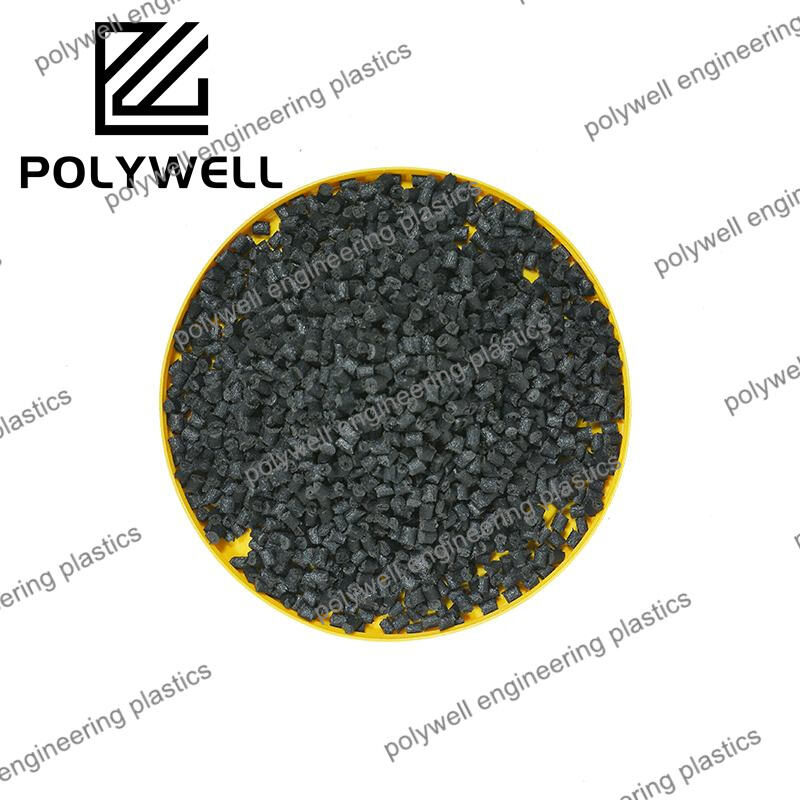

POLYWELL specializes in PA66 thermal insulation strips, offering polyamide granules, extruders, molds, winding machines, and comprehensive one-stop customization services.
Jinfeng Town, Zhangjiagang City, Suzhou City, Jiangsu Province, China
Copyright © 2024 Suzhou Polywell Engineering Plastics Co.,Ltd Privacy Policy