Khoom POLYWELL Extrusion: Txoj Hlub Siv Rau Kev Tshuam Polyamide Thermal Break Strip
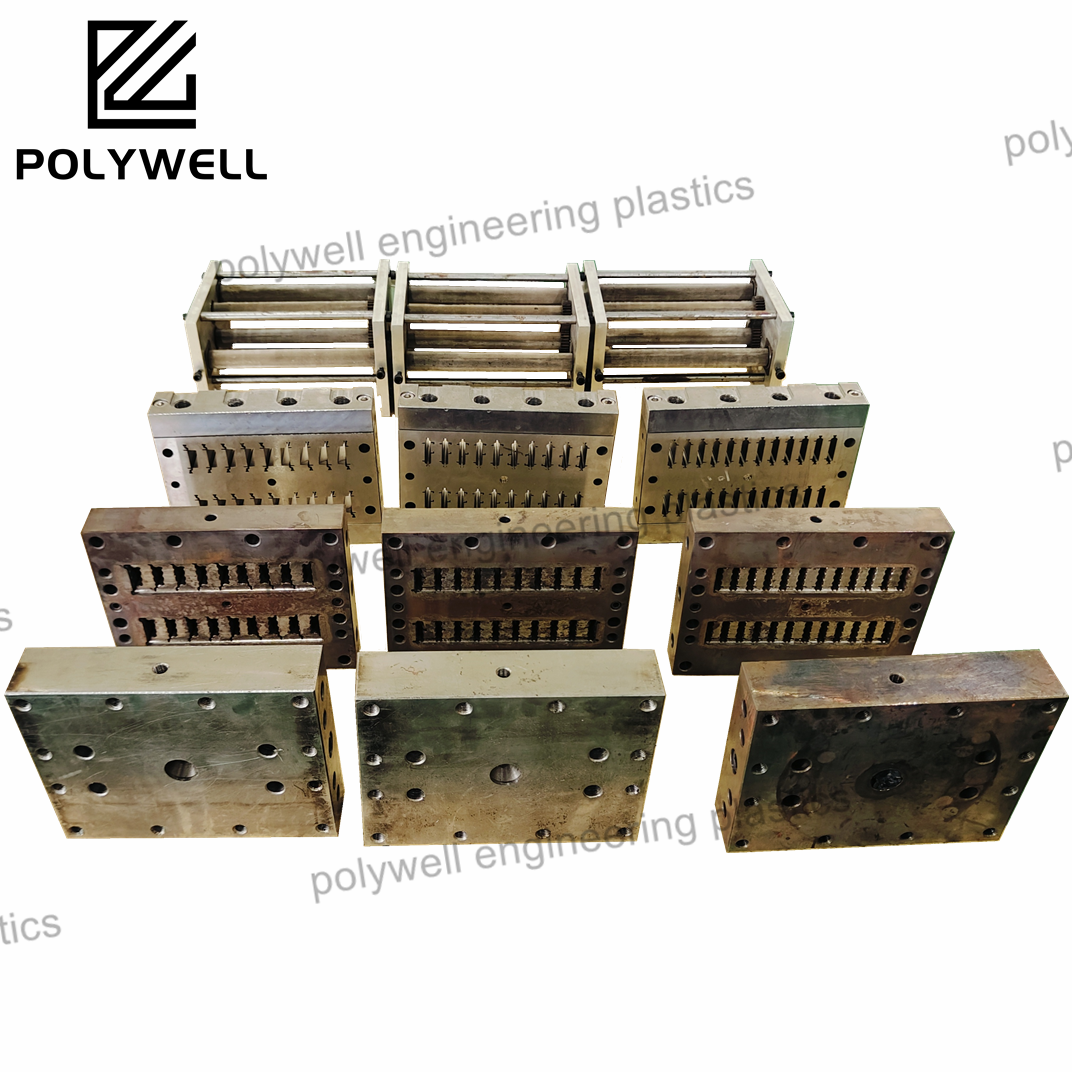
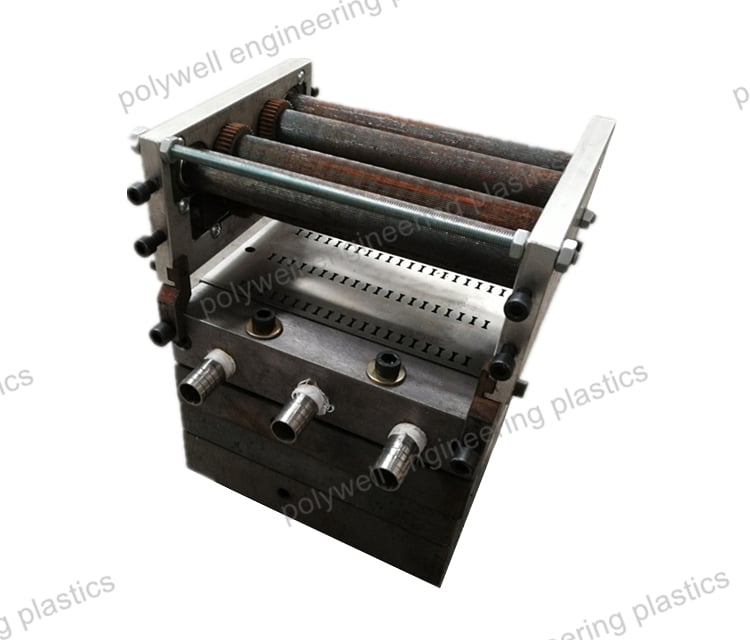
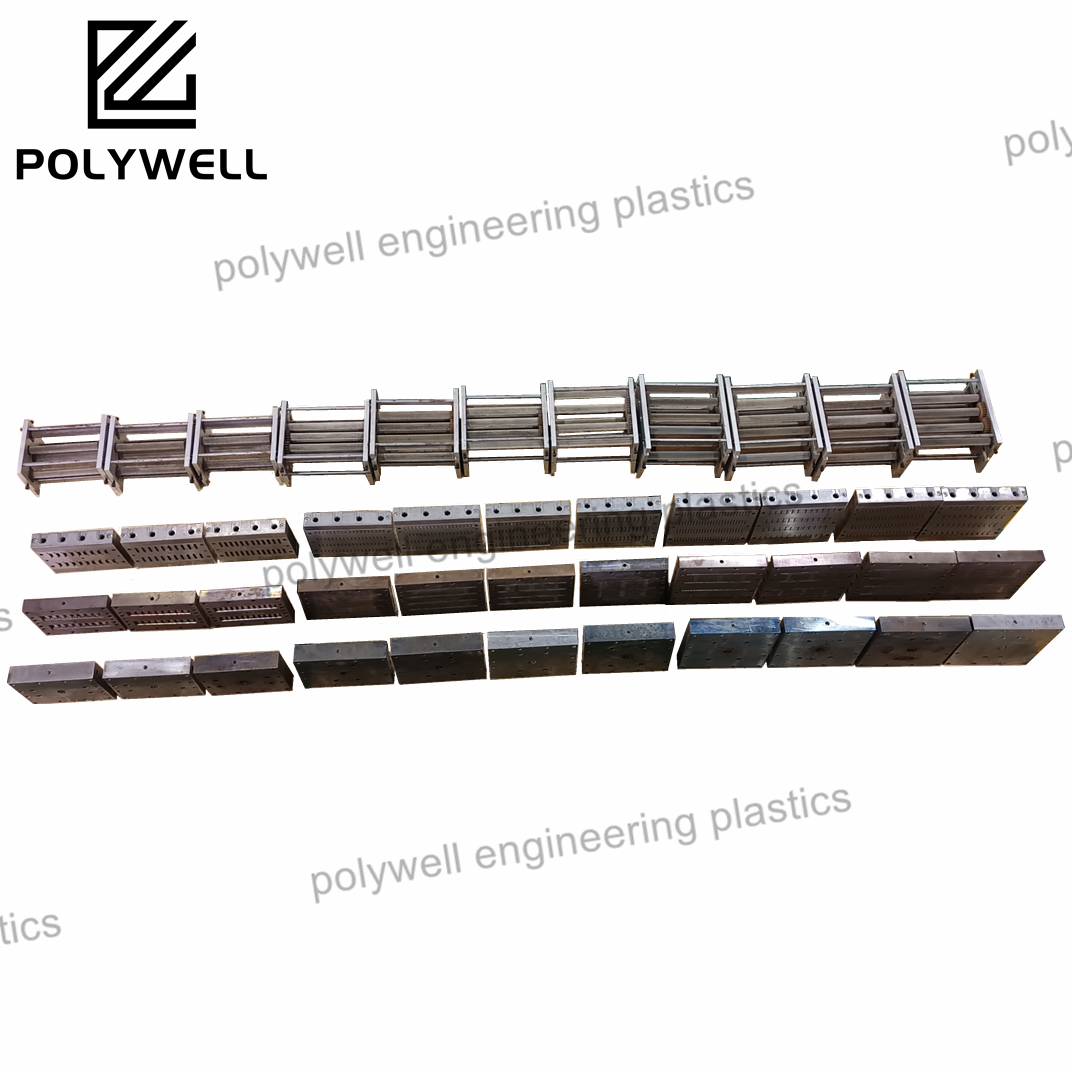
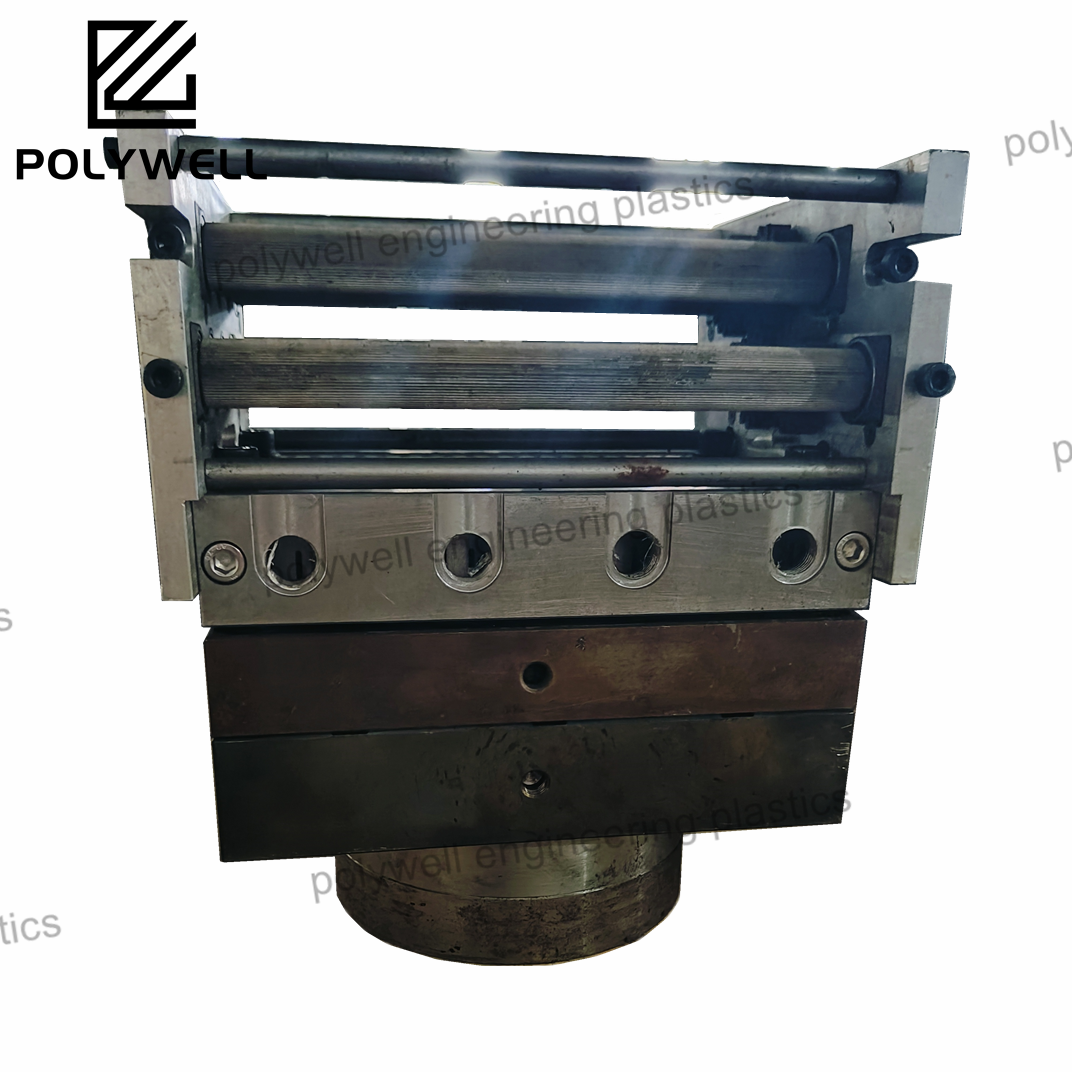
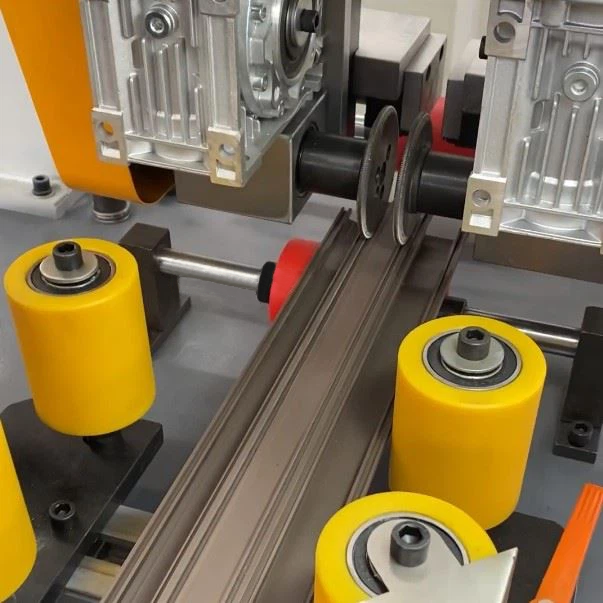
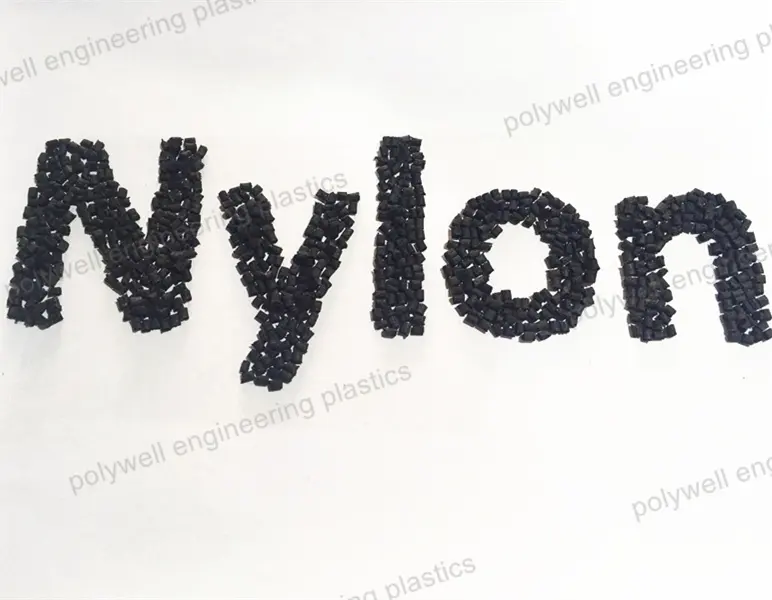
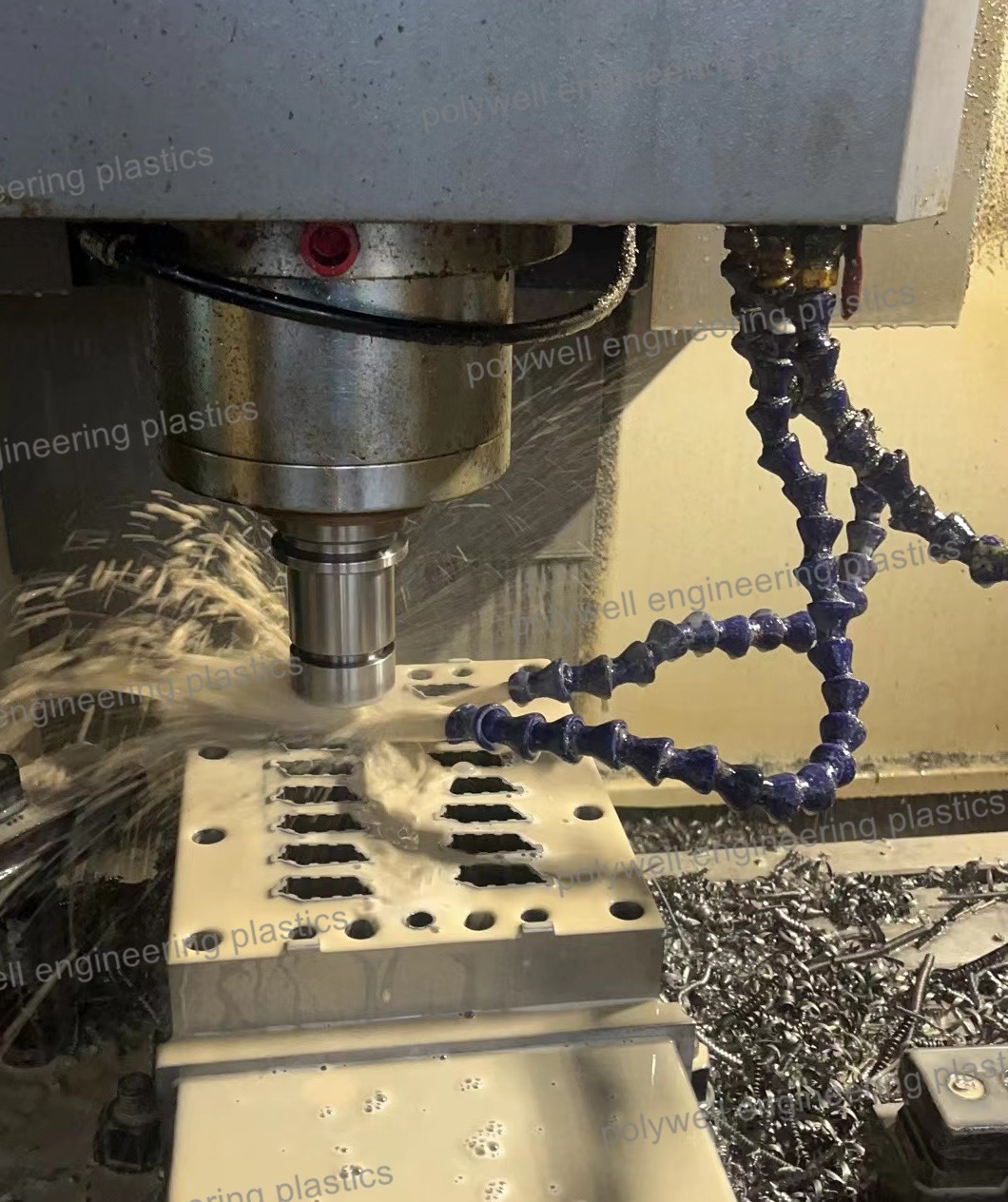
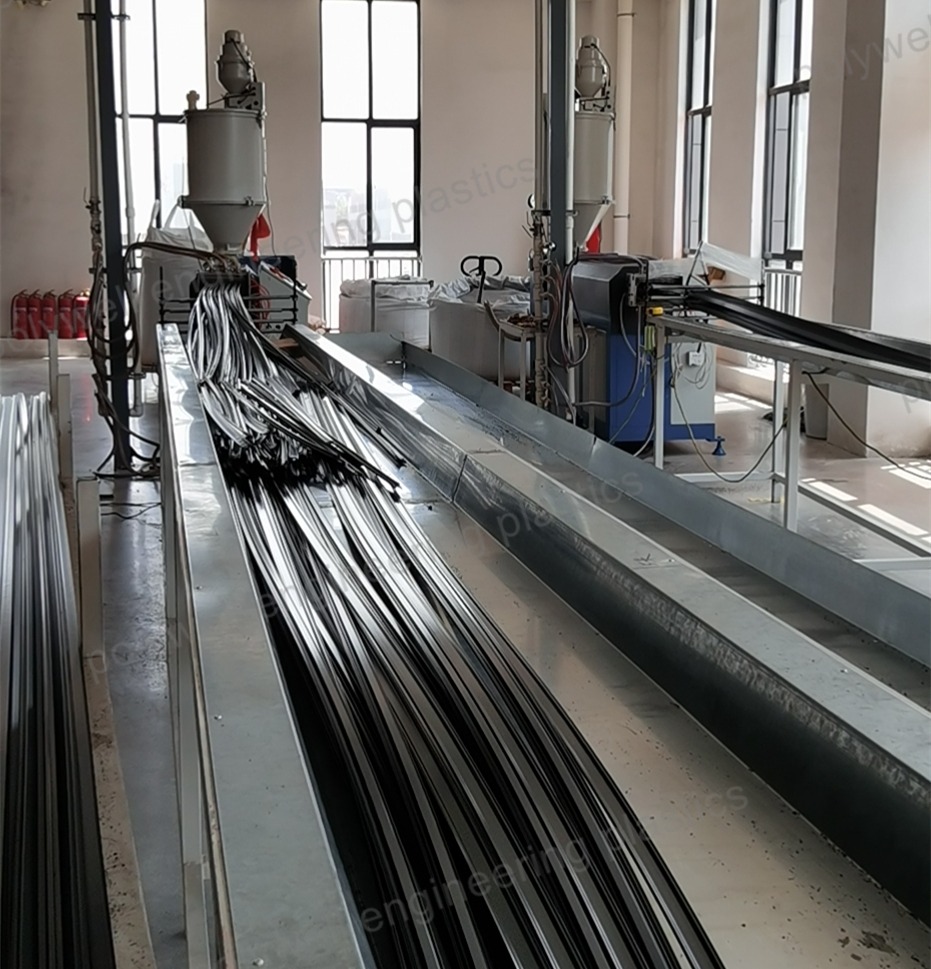
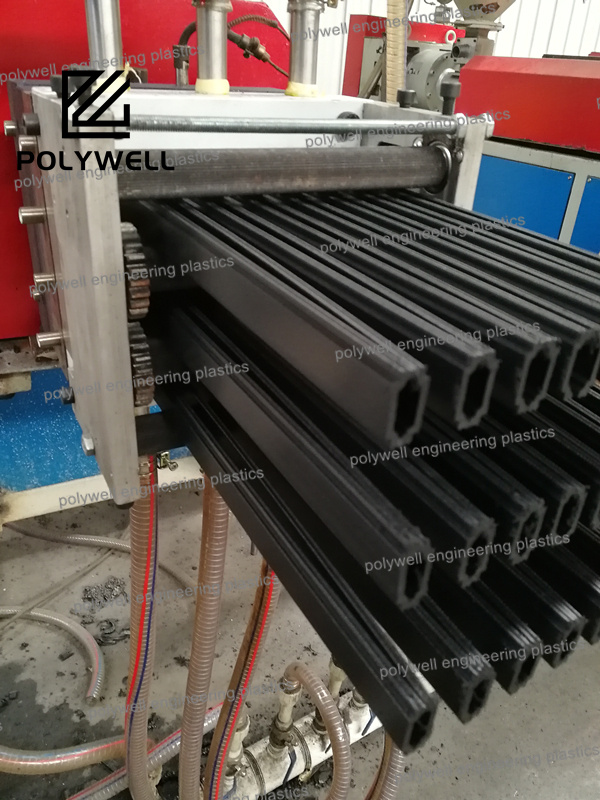
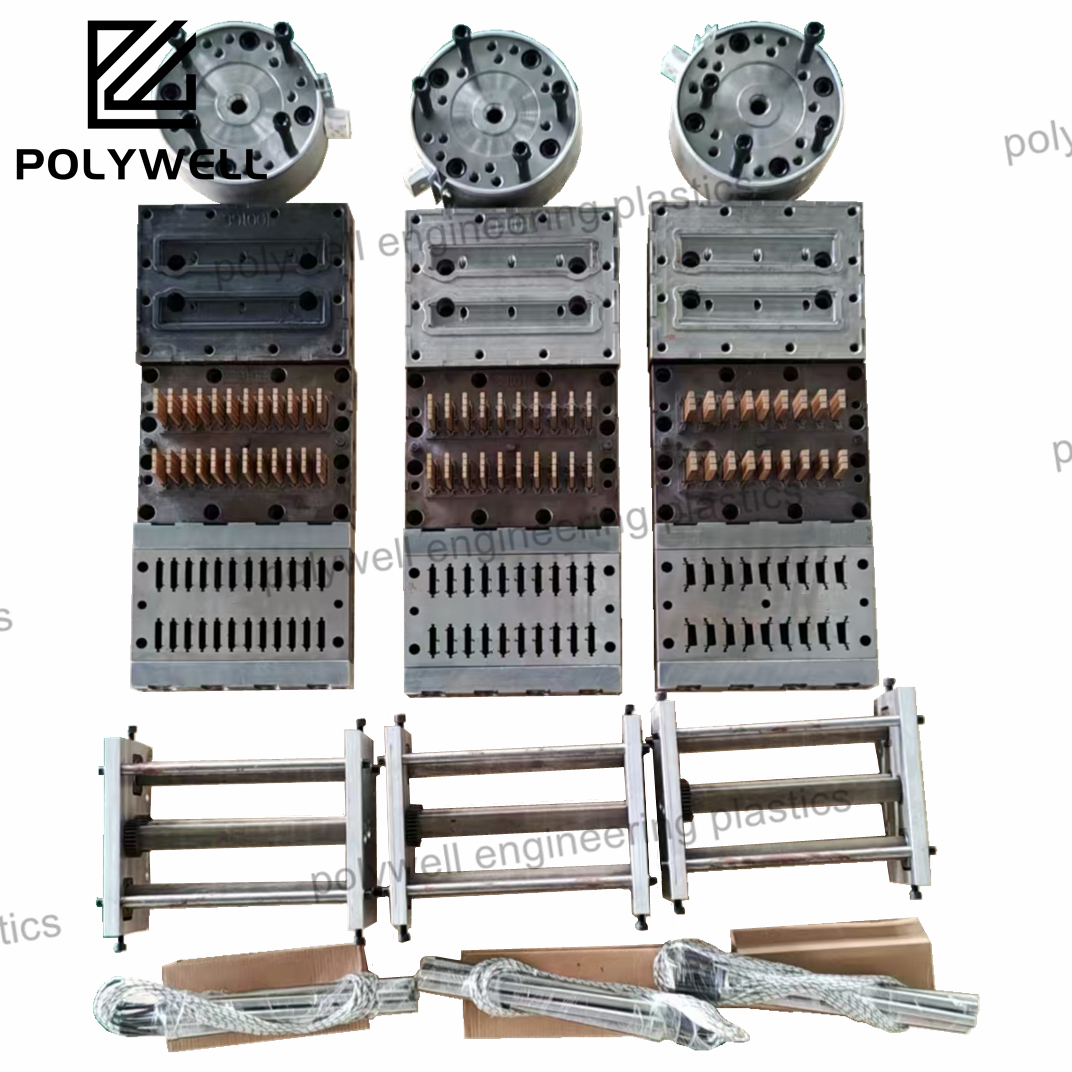
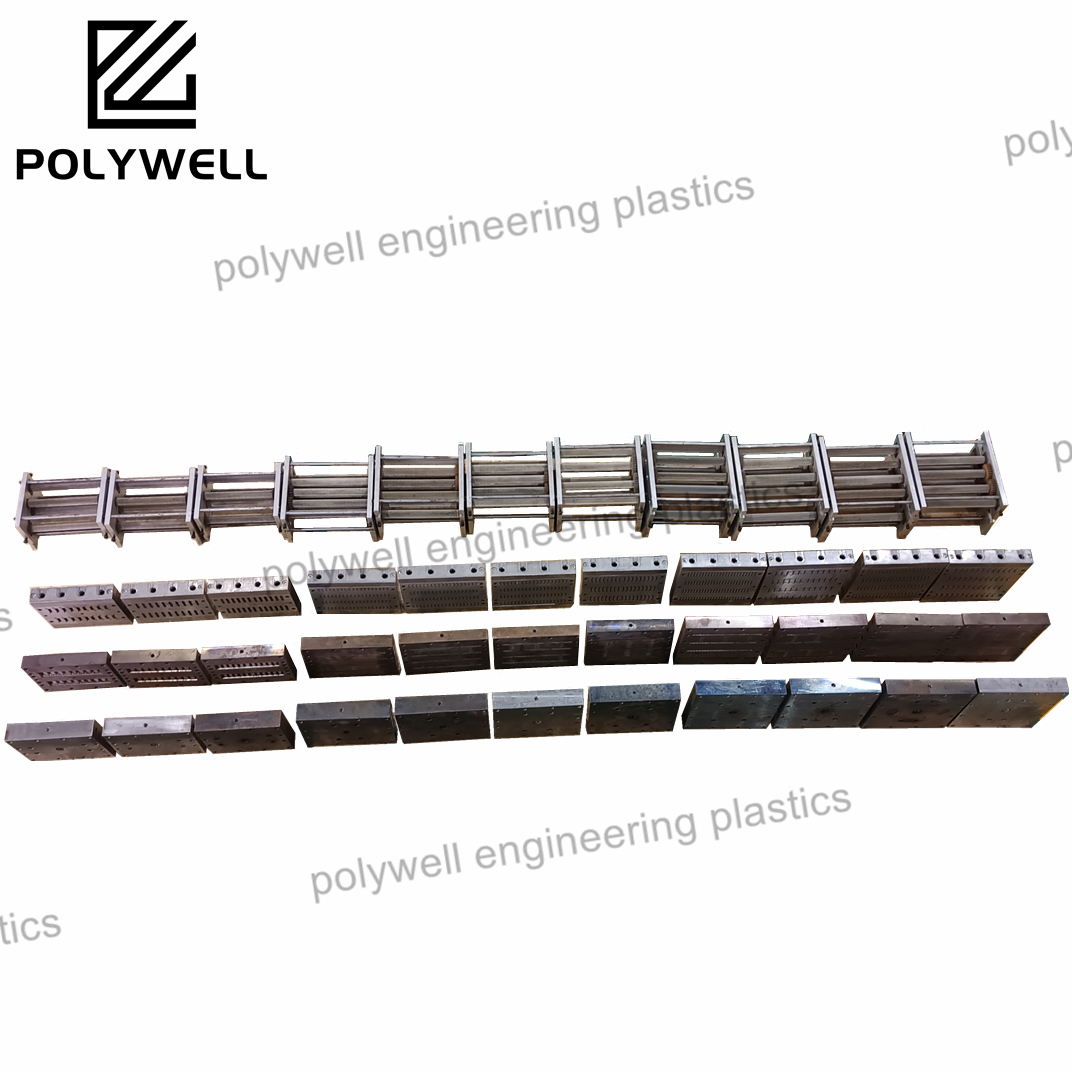
Pher nyob rau hauv POLYWELL, tus kws tshuam uas muaj 15 xyoo los ntawm kev paub txog, muab cov khoom siv tshiab tshuam rau kev tshuam polyamide thermal break strip. Cov khoom tshuam muaj cov cuab yeej tseemceeb (extruders, molds, raw material feeders) thiab cov ntaub ntawv pab (cooling systems, cutters), thiab muab kev pab txhua yam: DFM kom zoo dua, qhia cov neeg ua haujlwm, thiab kev pab nyob ze. Cov lus nug los ntawm neeg siv khoom (Mr. Tiago thaub tias “extruders yooj yim thiab muaj peev xwm”) thiab xav txhawb kev sib tham tau tso cai tias khoom muaj zog. Tus tsim kev sib tham 6 kauj ruam (drawing → quote → installation → production) txhawj xeeb tias neeg tshuam yuav tau txais kev tshuam tiag tiag uas raug rau kev tshuam polyamide.
Tau ib qho quote

 EN
EN