POLYWELL Extruder Line: Complete Production Lines for Polyamide Thermal Break Strips
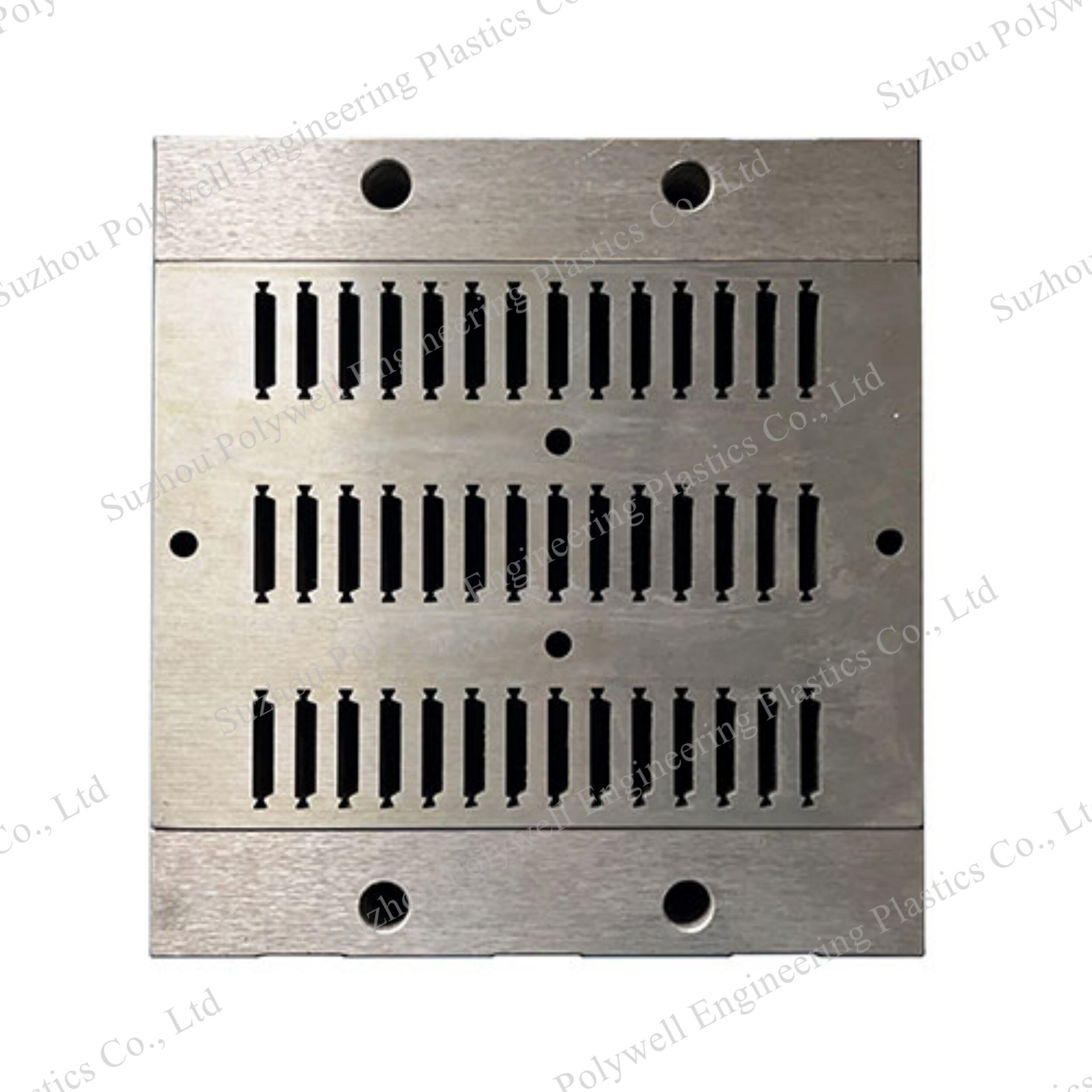
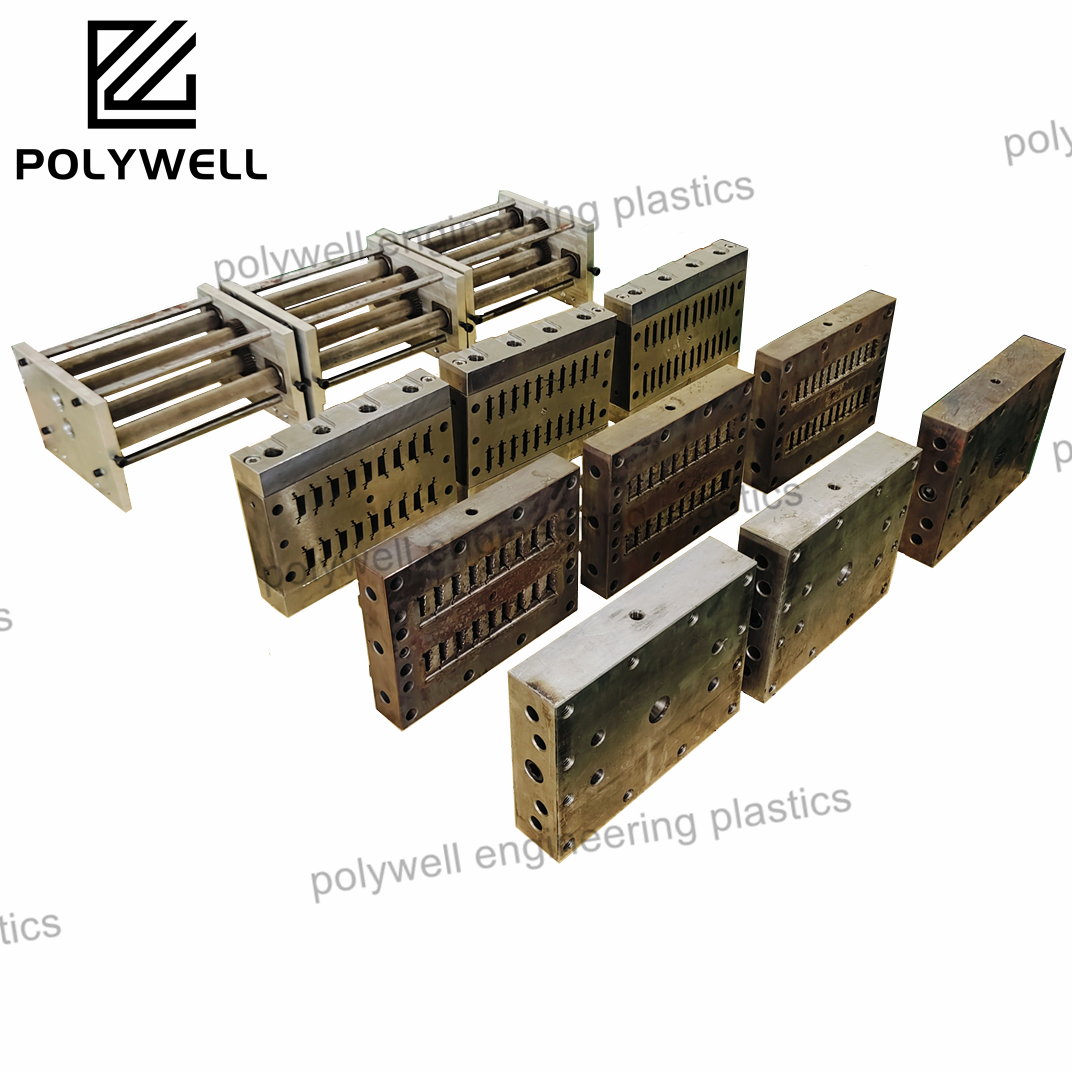
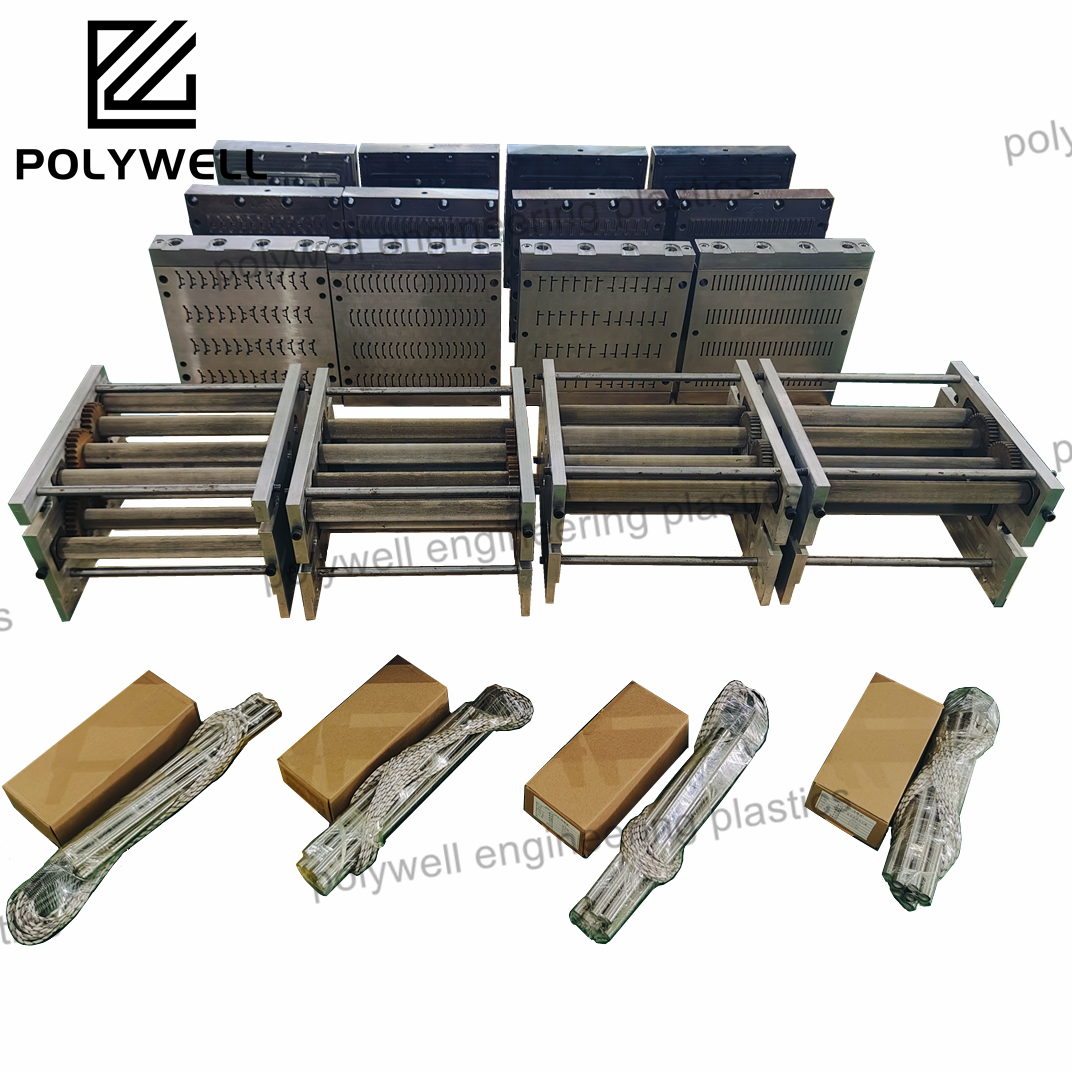
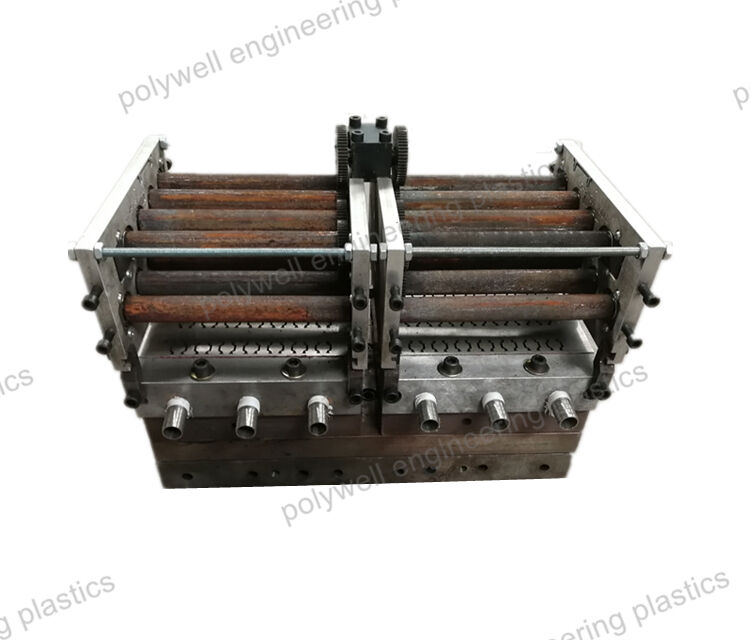
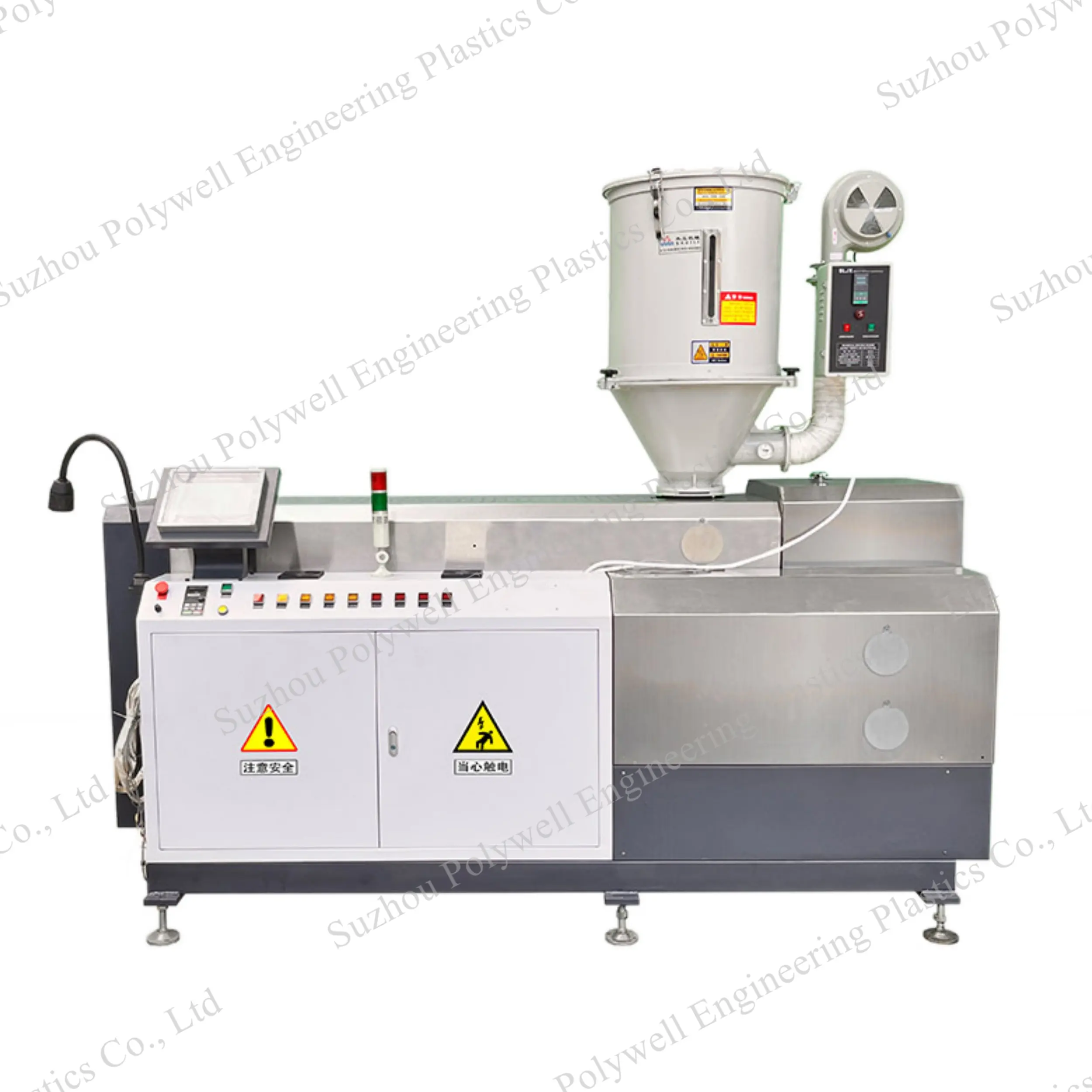
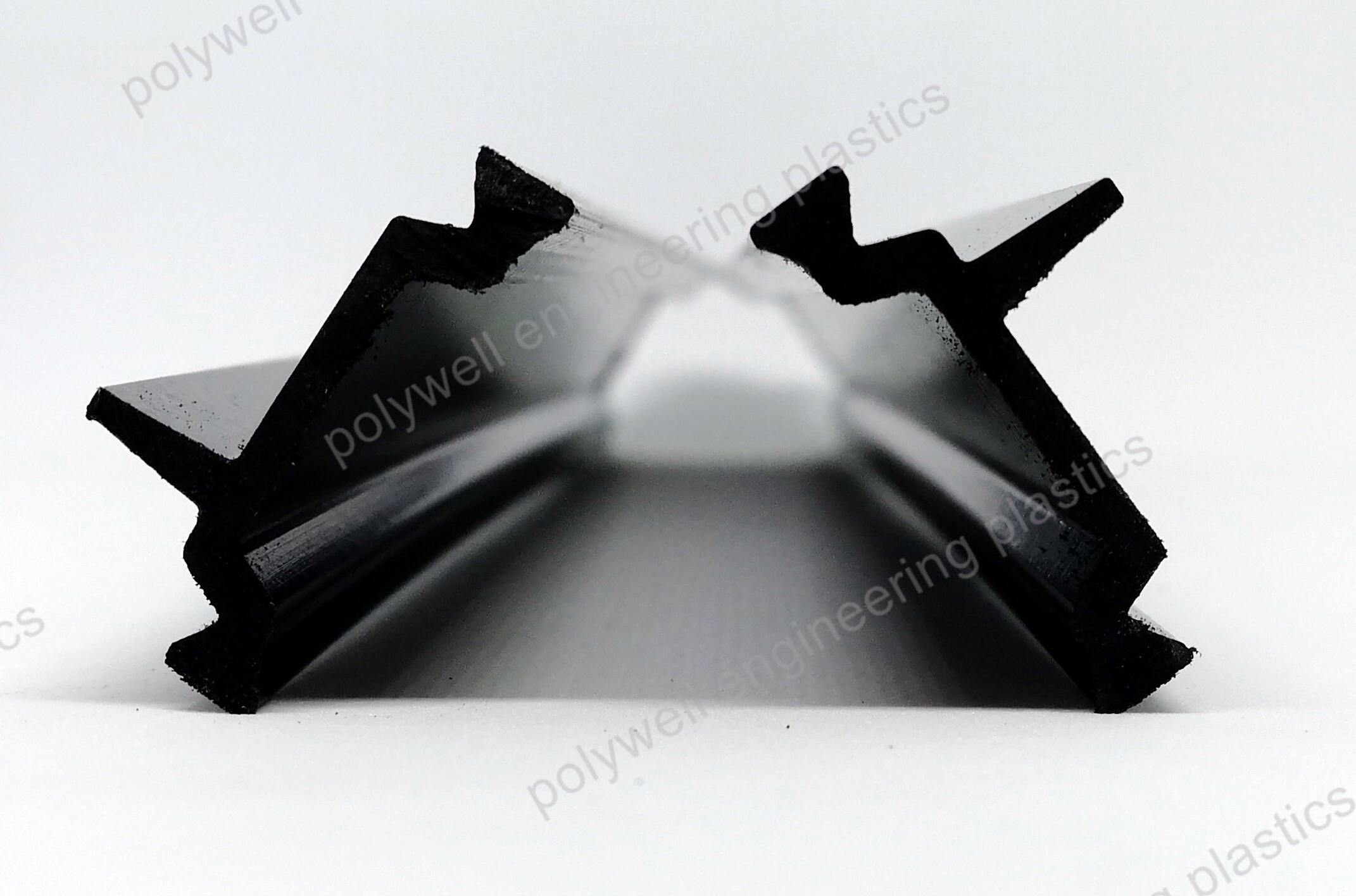
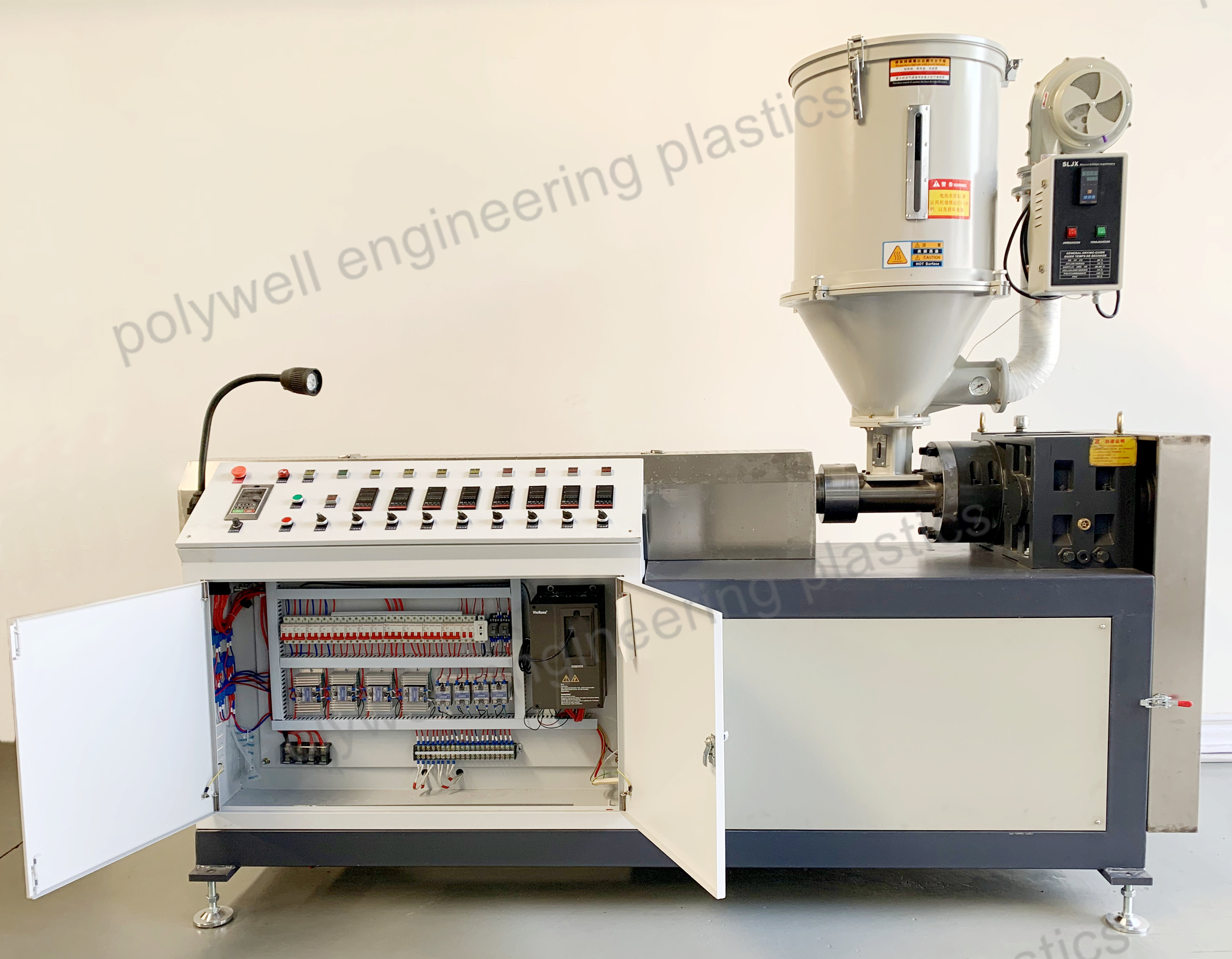
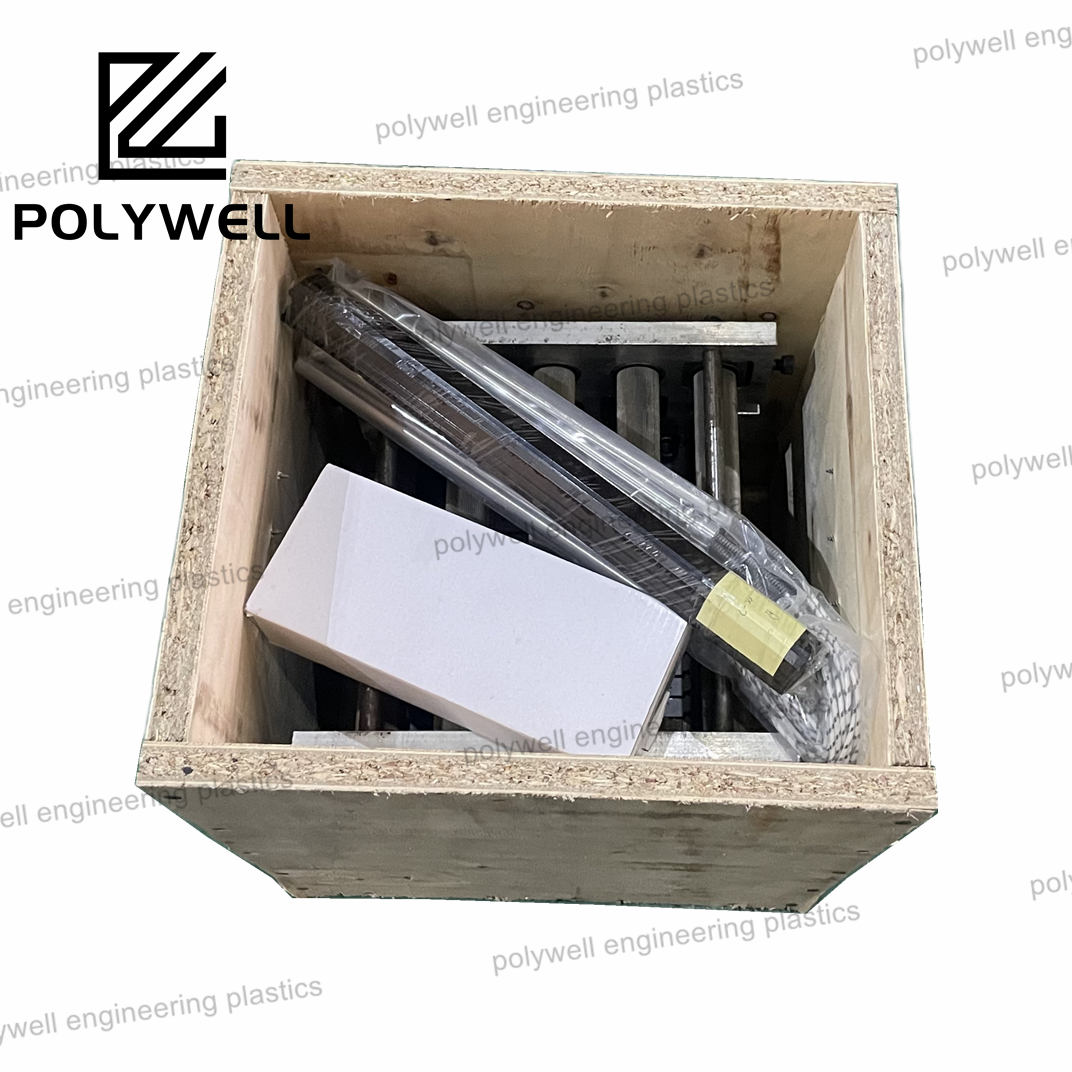
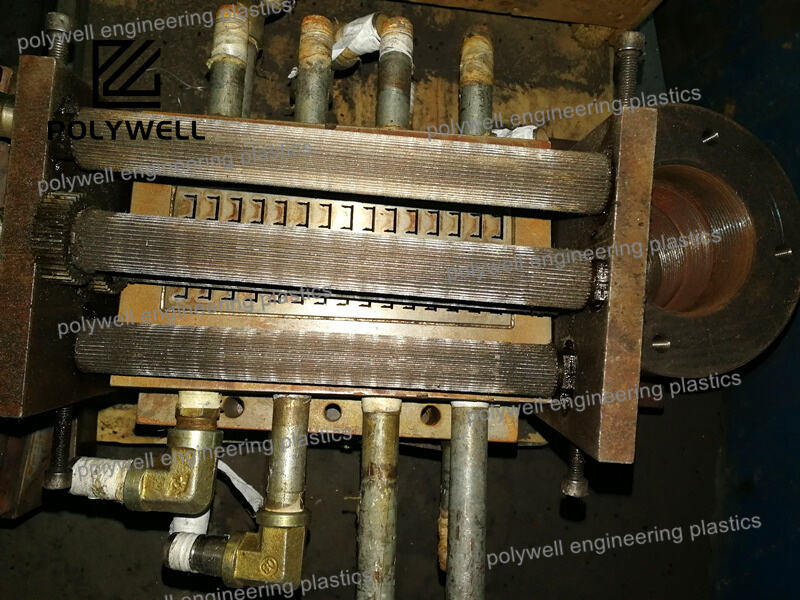
This page showcases POLYWELL’s extruder line—fully integrated production lines for polyamide thermal break strip manufacturing, backed by 15+ years of experience. The extruder line includes specialized extruders, raw material feeding systems, molds, cooling units, and post extrusion equipment (e.g., cutters, coiling machines). POLYWELL provides DFM services to optimize the extruder line workflow, on site service for installation and troubleshooting, and lifelong training. Client testimonials (Mr. Paolo Celani praising “good dies” and Mr. Robin noting strip quality) validate the extruder line’s effectiveness, and the 6 step cooperation process ensures manufacturers get turnkey extruder line solutions.
Get A Quote
 EN
EN