Solve Thermal Bridging with Polyamide Break Strips | POLYWELL

All Categories

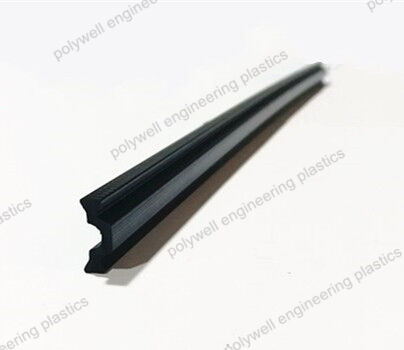
POLYWELL: Address Thermal Bridging with Polyamide Thermal Break Strips

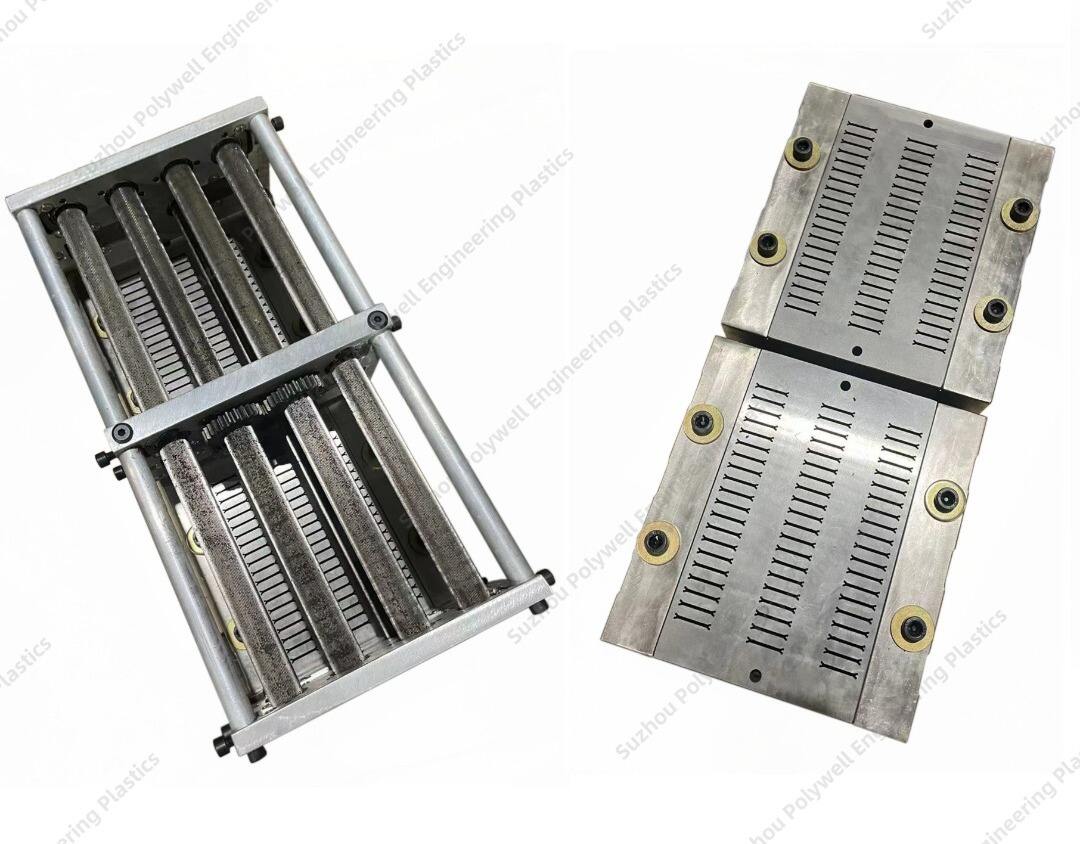
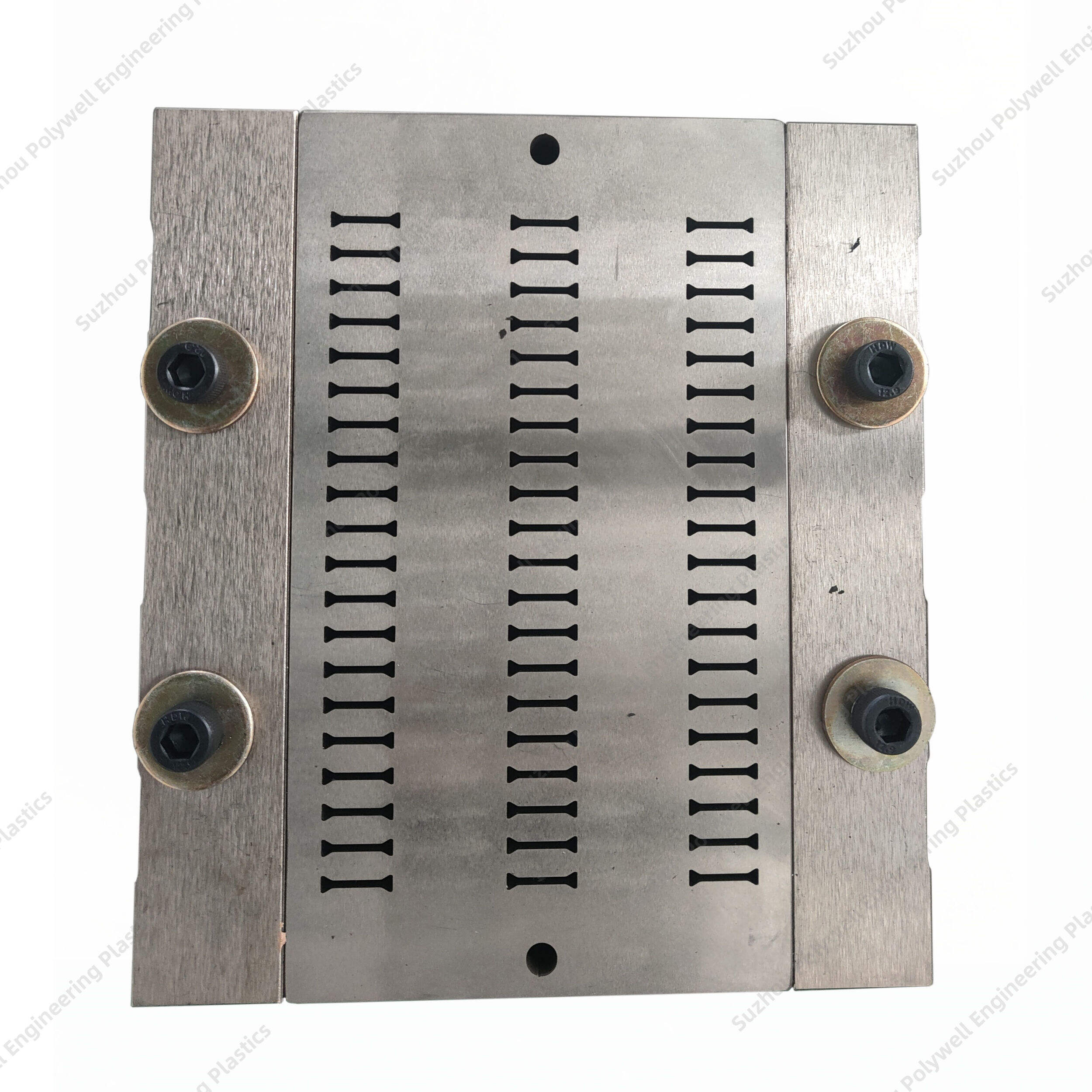
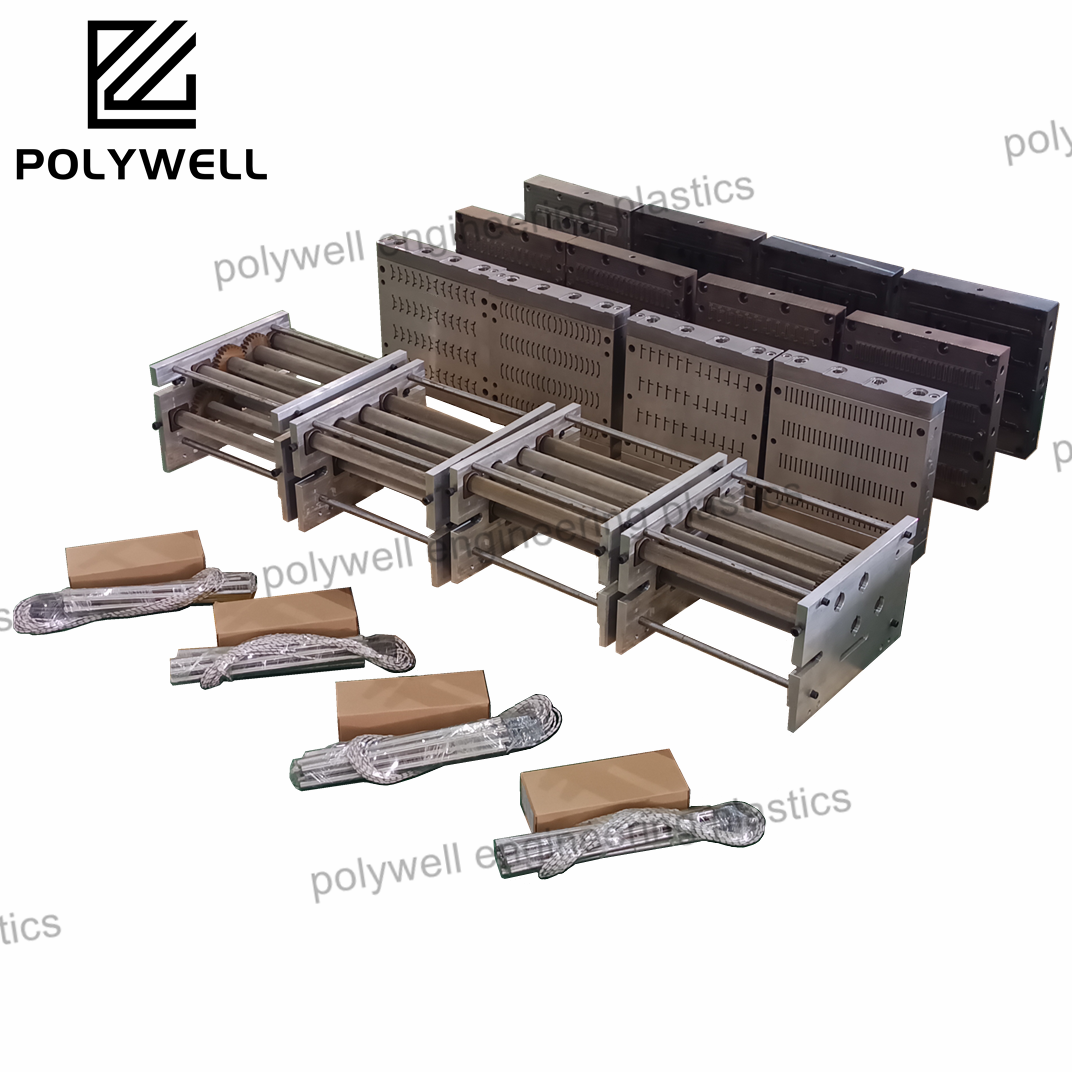
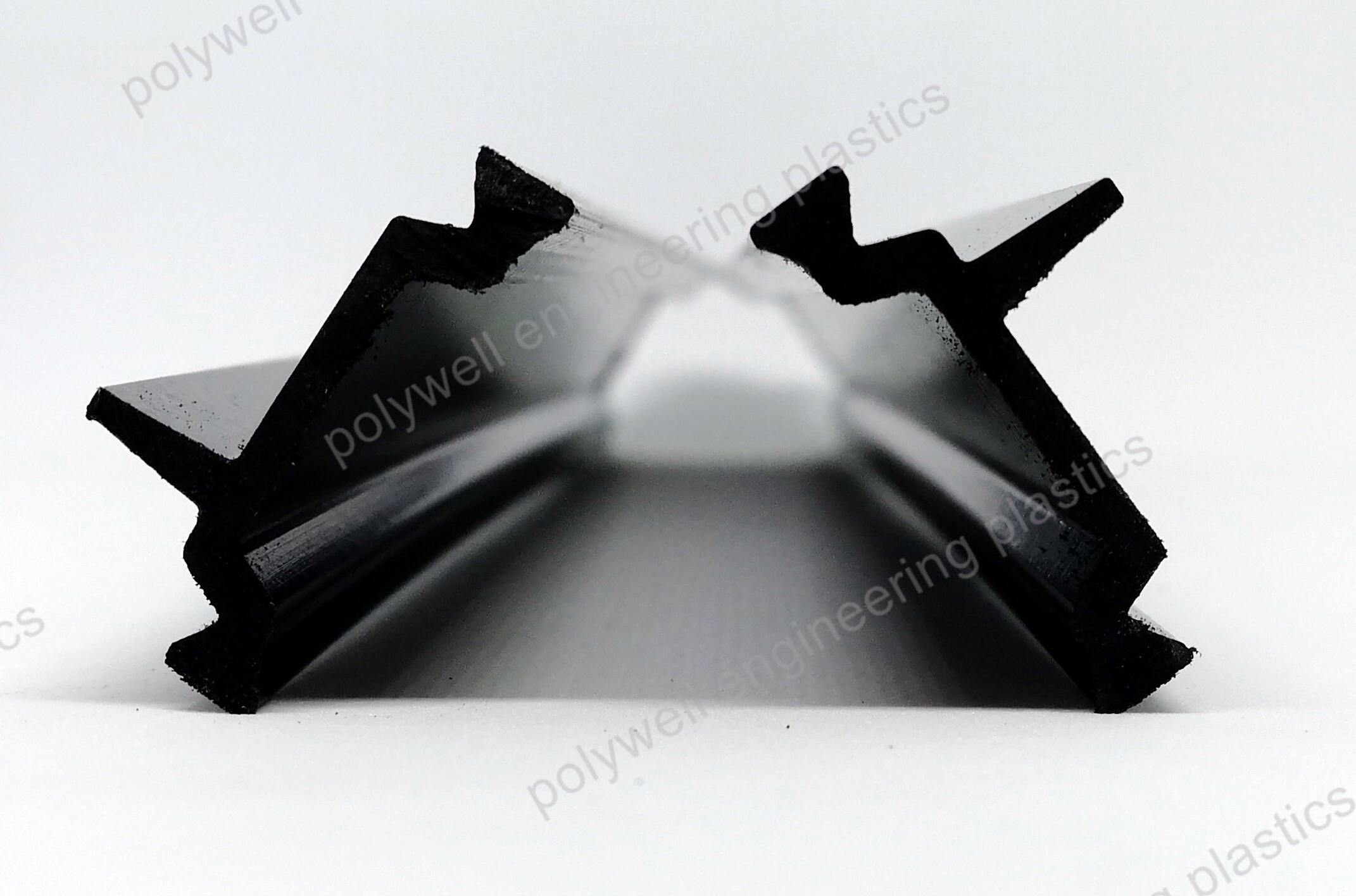
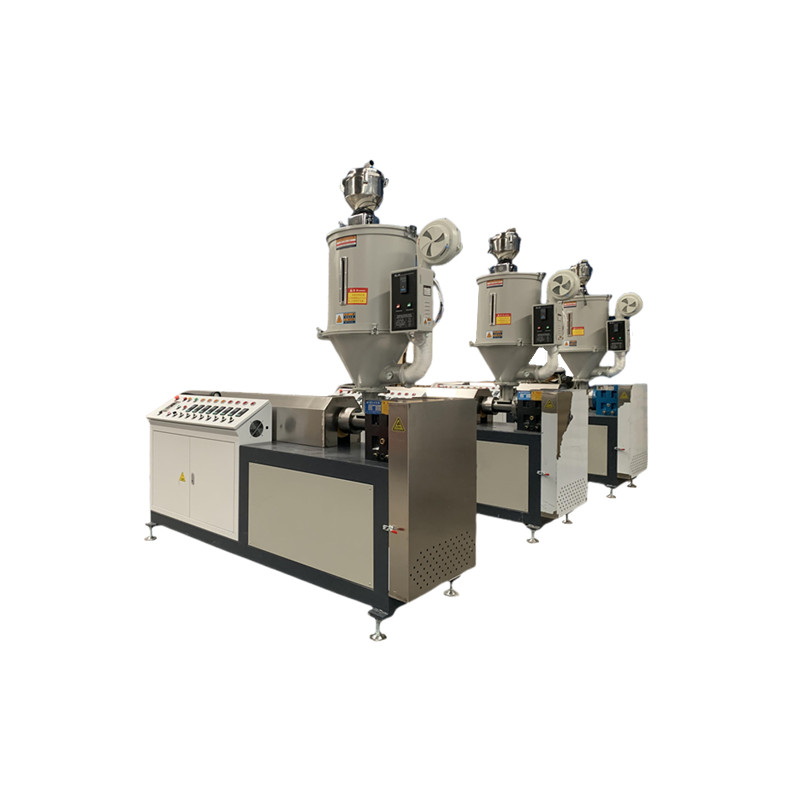
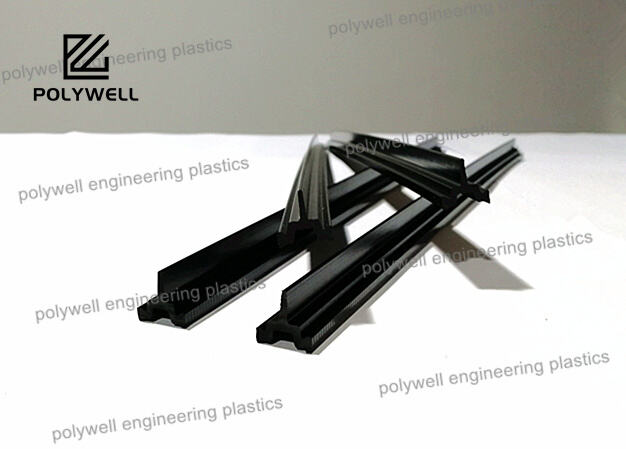
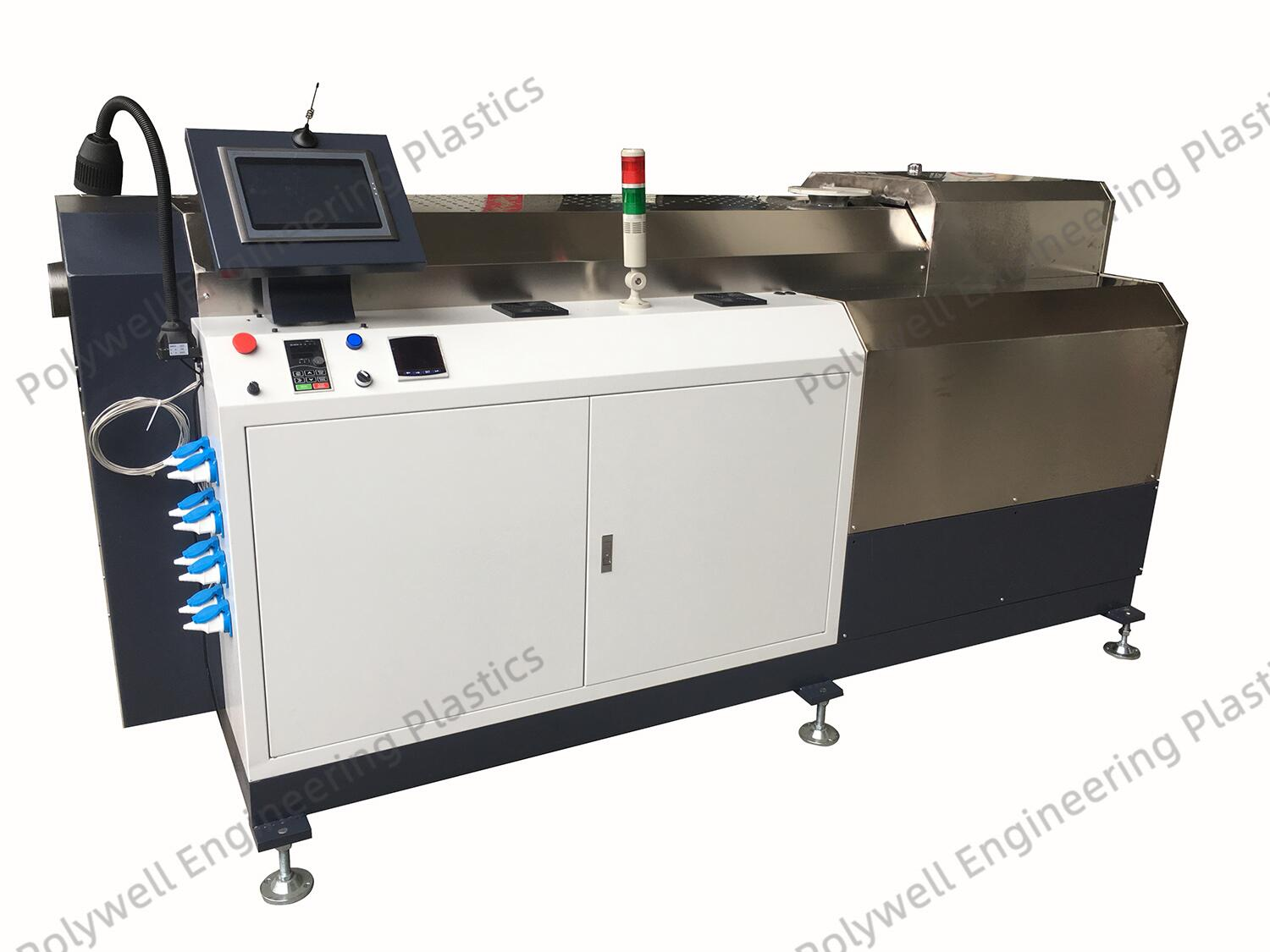
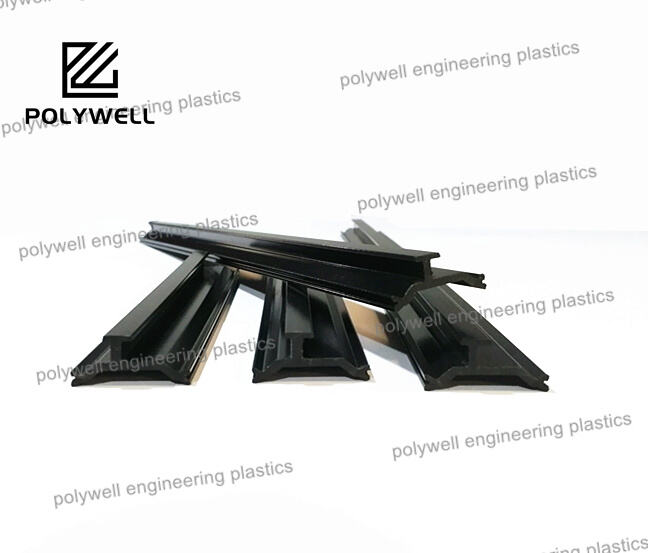
This page from POLYWELL addresses thermal bridging (unwanted heat transfer in structures) by offering polyamide thermal break strips—backed by 15+ years of experience. It provides all resources to combat thermal bridging: strips, raw materials (polyamide granules), extruders, and molds. DFM services predict production risks, on site service resolves issues, and lifelong training helps clients maintain solutions. Client Mr. Tiago wants to develop more extruders with POLYWELL, reflecting trust. The 6 step process ensures seamless access to thermal bridging mitigation tools.
Get A Quote

Advantages of the product

Enhanced Comfort and Consistent Indoor Temperatures

Thermal bridging creates cold spots on interior walls and around windows, leading to drafts and radiant heat loss that cause occupant discomfort. Our thermal breaks ensure a more uniform interior surface temperature, eliminating these cold spots and drafts. This creates a more comfortable and consistent indoor living or working environment, enhancing the overall quality of the building.

Related products

Thermal bridging is a building science term describing the process of concentrated heat flow through a material or assembly that has a higher thermal conductivity than the surrounding insulation within a building envelope. It represents a weakness or a short-circuit in the thermal control layer of a structure. This process occurs when conductive elements—such as metal, concrete, or even dense masonry—create a continuous path from the conditioned interior to the unconditioned exterior. The driving force behind thermal bridging is the fundamental principle that heat energy moves from areas of high temperature to low temperature, and it will always follow the path of least resistance. In a building, the insulation is designed to provide high resistance, but when a thermal bridge is present, heat preferentially flows through it. This localized increase in heat transfer has several negative outcomes: it reduces the overall thermal efficiency of the building envelope, leading to higher energy bills; it causes the interior surface temperature at the bridge location to be significantly lower than the ambient room temperature, which can lead to condensation and mold growth; and it creates cold spots that cause occupant discomfort. Addressing thermal bridging is therefore a critical focus in high-performance building design, requiring meticulous detailing, the specification of thermally broken components, and the implementation of continuous insulation strategies to ensure a truly effective and durable building enclosure.

Frequently Asked Questions

What is the impact of thermal bridging on building energy consumption?

Thermal bridging can account for a surprisingly high percentage of a building's total heat loss—in some cases 20 30% or more. By eliminating these bridges with thermal breaks, the load on heating and cooling systems is substantially reduced. This leads to direct and significant savings on energy bills and allows for the downsizing of HVAC equipment.

Related Articles

Why you need one stop service (overall solutions)

30

Dec

Why you need one stop service (overall solutions)

Discover why POLYWELL’s one-stop service is essential for your plastic extrusion projects. From raw material selection to final production, we provide comprehensive support for thermal break strips and custom profiles.
View More
Why Working with Experienced Plastic Extrusion Die Manufacturers Matters in Construction

28

Mar

Why Working with Experienced Plastic Extrusion Die Manufacturers Matters in Construction

Explore the crucial role of plastic extrusion die manufacturers in construction, focusing on quality, cost-effectiveness, and advanced technologies like polyamide thermal break strips. Discover how experience enhances product durability and offers custom solutions for modern architectural needs.
View More
What Are the Key Features of Modern Single Screw Extruders?

28

Mar

What Are the Key Features of Modern Single Screw Extruders?

Explore the essential components of modern single screw extruders, focusing on high-performance screw design, advanced barrel heating, and precision control. Learn about energy efficiency innovations, IoT integration, and their applications in plastic extrusion cutting machines, enhancing processing efficiency and product quality.
View More
Single Screw Extruder Energy Saving for PA66GF25

29

Aug

Single Screw Extruder Energy Saving for PA66GF25

Discover how advanced single-screw extruders reduce energy consumption in PA66GF25 production without compromising performance. Ideal for automotive manufacturing efficiency. Learn more.
View More

customer evaluation

Harper

We need solutions that last as long as the building itself. The durability of the polyamide material ensures that the thermal bridge is broken for the life of the window, providing permanent energy savings and comfort, unlike some temporary fixes.

Get a Free Quote

Our representative will contact you soon.
Email
Name
Company Name
Message
0/1000
Targeted Solution for Energy Loss Problem

Targeted Solution for Energy Loss Problem

Our polyamide thermal break strips provide a targeted and effective solution to the problem of thermal bridging where heat escapes directly through conductive materials like aluminum window frames By inserting our low conductivity strip we create a continuous thermal barrier that interrupts this path which is the most effective method to prevent the associated energy loss condensation and comfort issues
Prevention of Condensation and Mold Growth

Prevention of Condensation and Mold Growth

By effectively eliminating thermal bridges our strips raise the temperature of the interior surface of the window or door frame This prevents warm moist indoor air from condensing on the cold frame surface The elimination of condensation is crucial for preventing mold growth protecting indoor air quality and preserving the buildings structure and interior finishes from water damage
Increased Overall Energy Efficiency of Buildings

Increased Overall Energy Efficiency of Buildings

The primary economic benefit of addressing thermal bridging is a substantial reduction in energy bills Our thermal breaks significantly improve the overall thermal performance of the building envelope reducing the load on HVAC systems This leads to lower energy consumption for heating and cooling providing a rapid return on investment for builders and owners and contributing to broader energy conservation goals
Inquiry Inquiry Email Email WhatsApp WhatsApp Wechat Wechat
Wechat
TopTop

Related Search