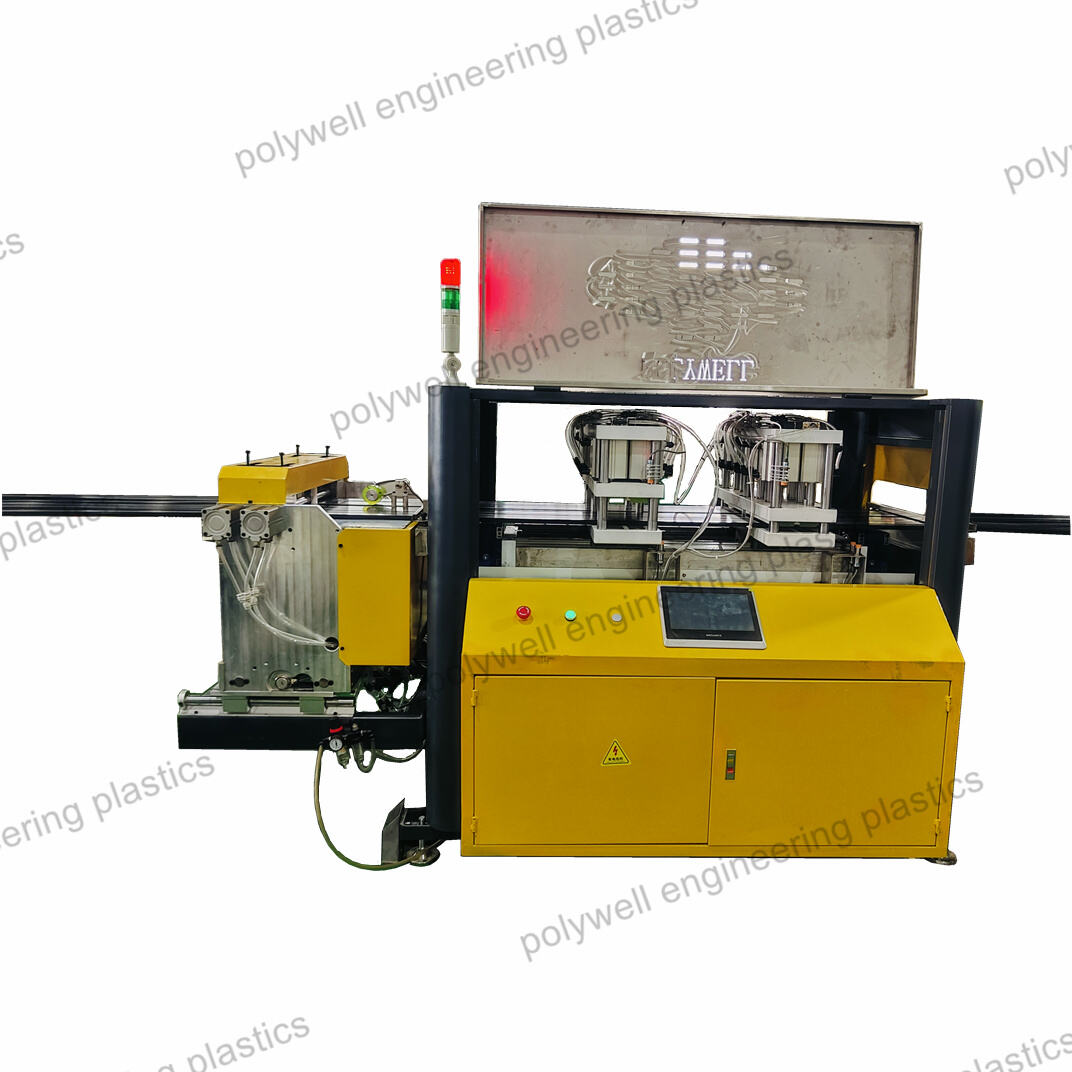
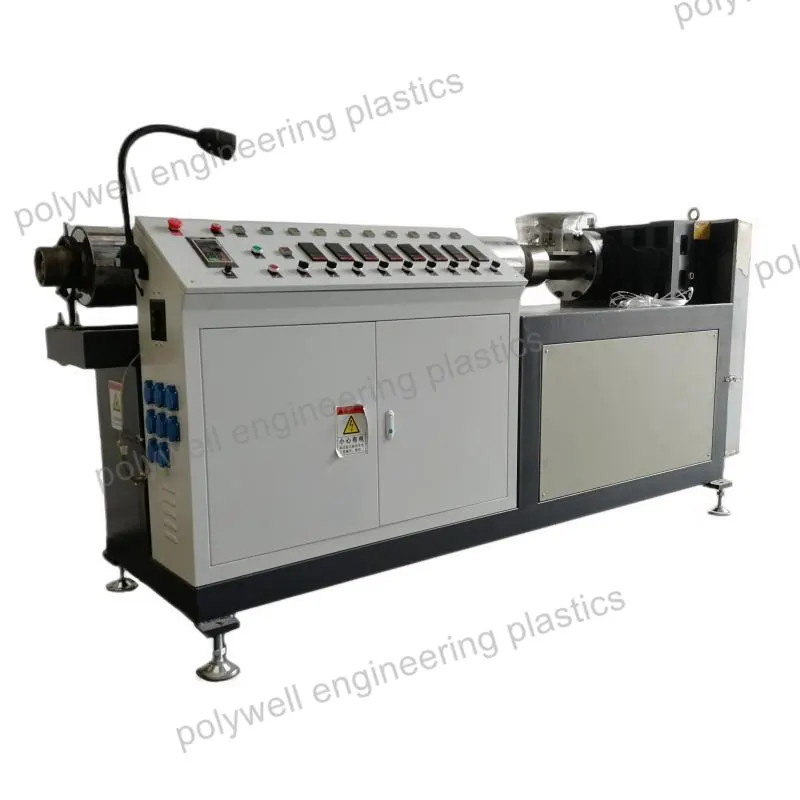
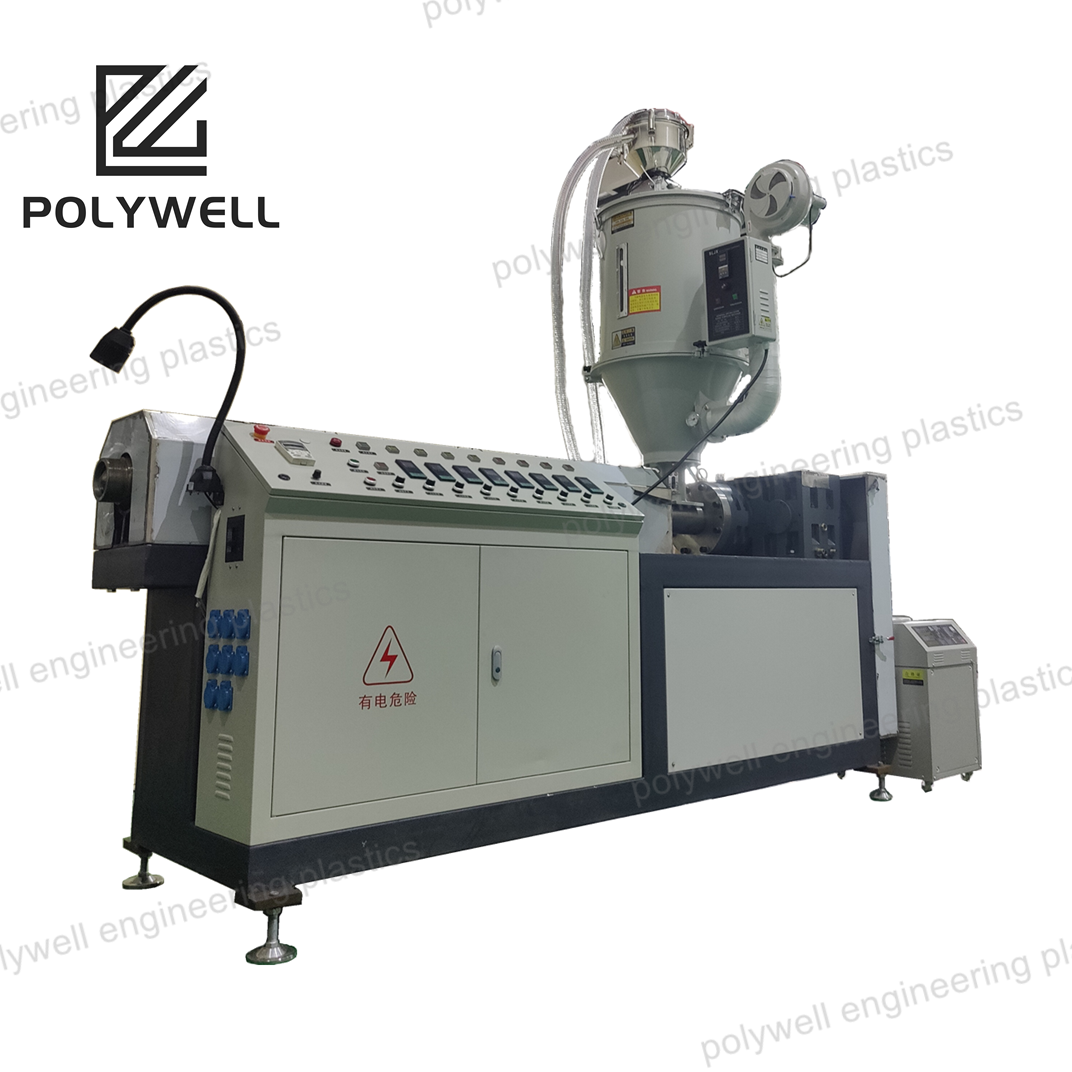
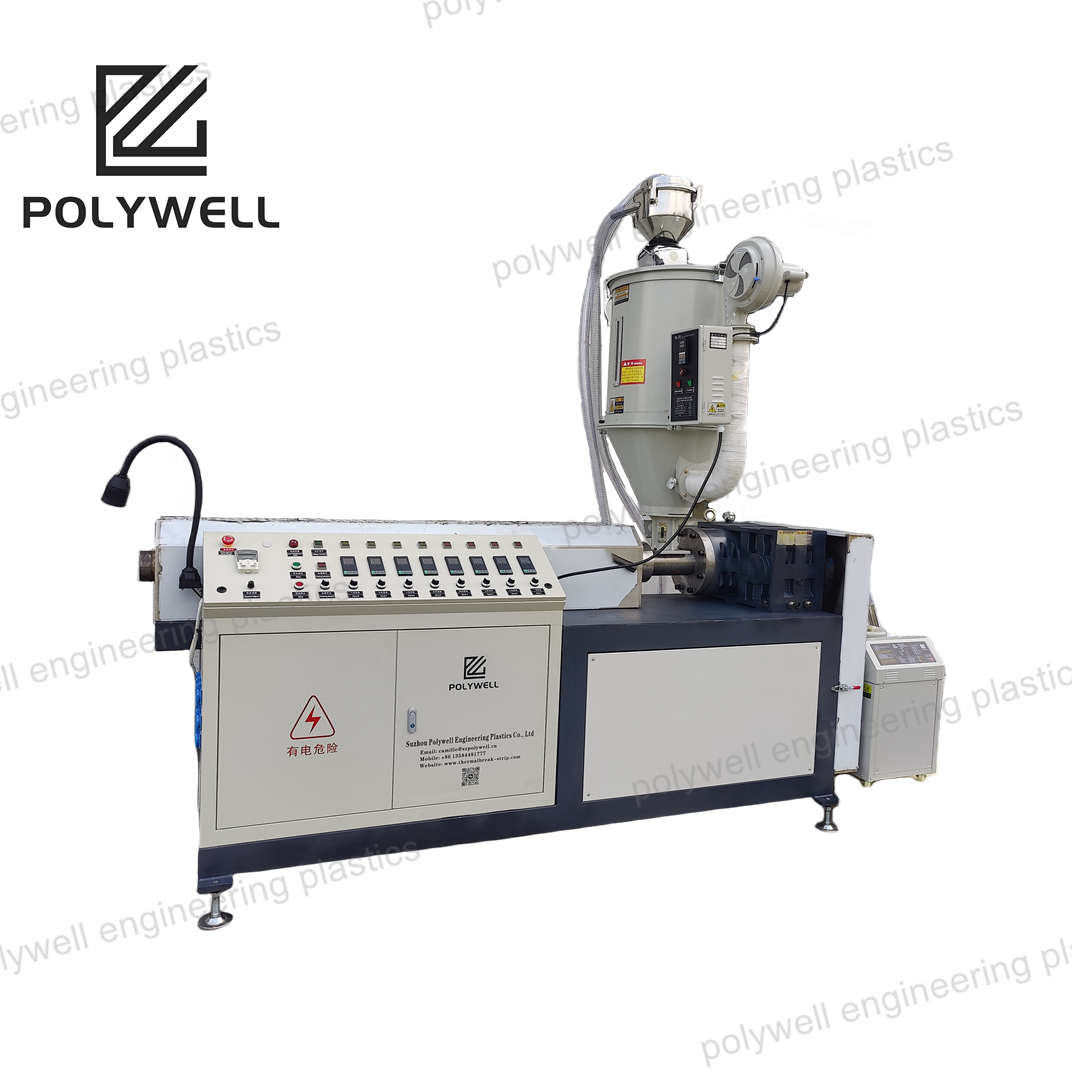
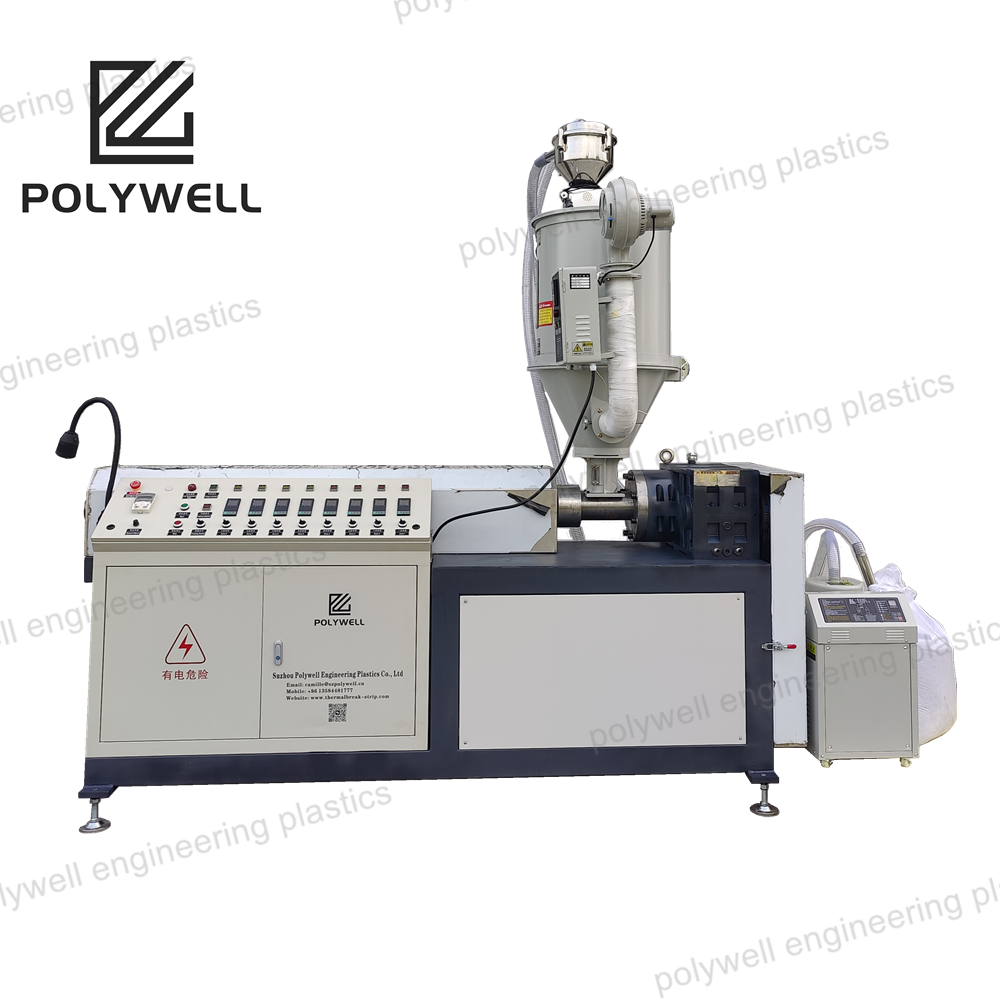
The market for single screw extruders for sale encompasses a diverse range of equipment from basic laboratory models to sophisticated production systems, with selection criteria extending far beyond initial purchase price to include operational efficiency, maintenance requirements, and compatibility with intended materials. Key specifications include screw diameter (ranging from 19mm for R&D to 150mm+ for high-volume production), length-to-diameter ratio (typically 24:1 to 36:1 for different processes), drive power, and maximum output capacity. Construction quality fundamentally influences long-term performance, with premium machines featuring bimetallic barrels for wear resistance, nitrided or twin-channel hardened screws, and heavy-duty reduction gearboxes designed for continuous operation. Modern extruders incorporate advanced control systems with PLC interfaces, recipe management, data logging capabilities, and integration potential with upstream and downstream equipment. Auxiliary systems typically include precision temperature control units, gravimetric or volumetric feeding systems, and vacuum sizing configurations tailored to specific products. The used equipment market offers cost-effective alternatives but requires thorough evaluation of screw and barrel wear, bearing condition, and control system obsolescence. New technological developments include energy-efficient AC vector drives, modular screw designs allowing configuration changes, and smart monitoring systems that predict maintenance needs. Industry-specific variations include high-temperature models for engineering plastics, corrosion-resistant versions for PVC or fluoropolymers, and specialized configurations for wire coating, sheet extrusion, or profile production. Supplier evaluation should encompass technical support availability, spare parts inventory, training resources, and warranty terms. Total cost of ownership calculations must consider energy consumption, preventive maintenance schedules, potential upgrades, and operational labor requirements. The most appropriate selection matches machine capabilities precisely to application requirements, avoiding both underutilization of premium features and operational limitations from insufficient capacity. Global market variations exist in electrical standards, safety regulations, and documentation requirements that must be addressed for international equipment deployment.