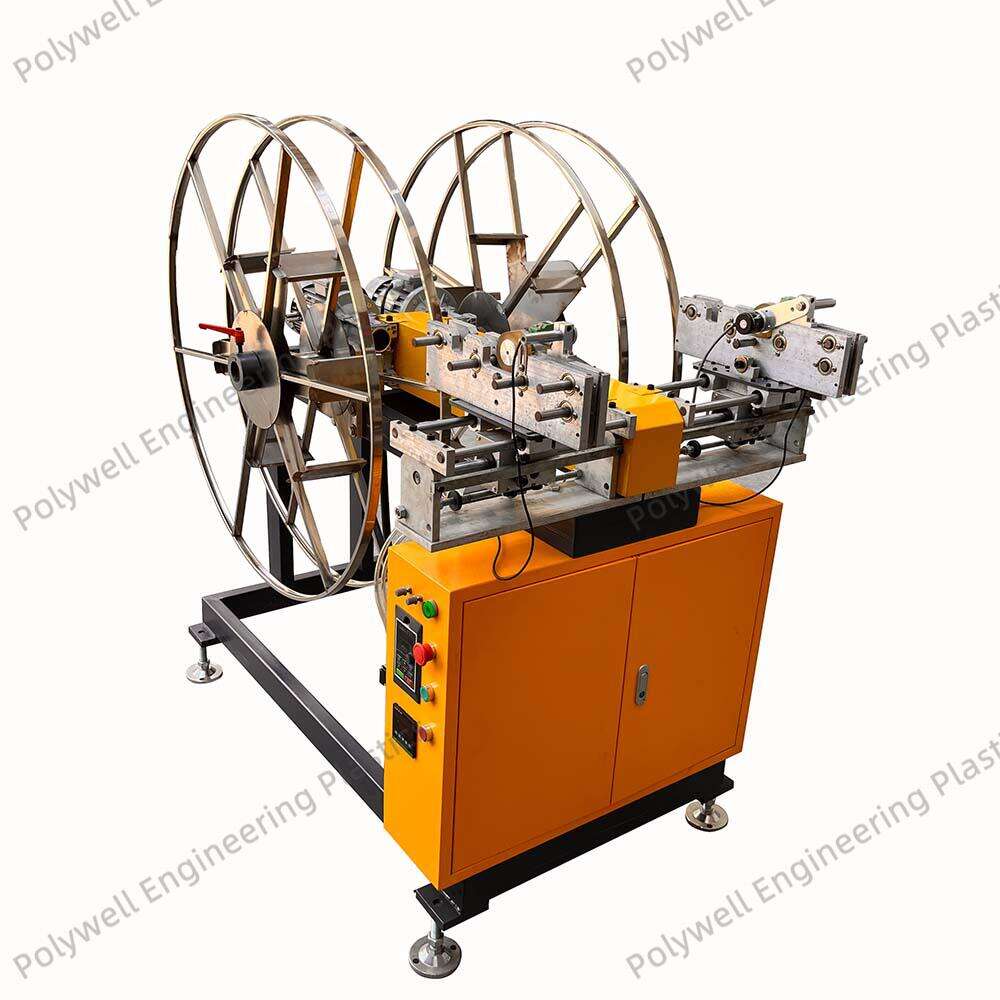
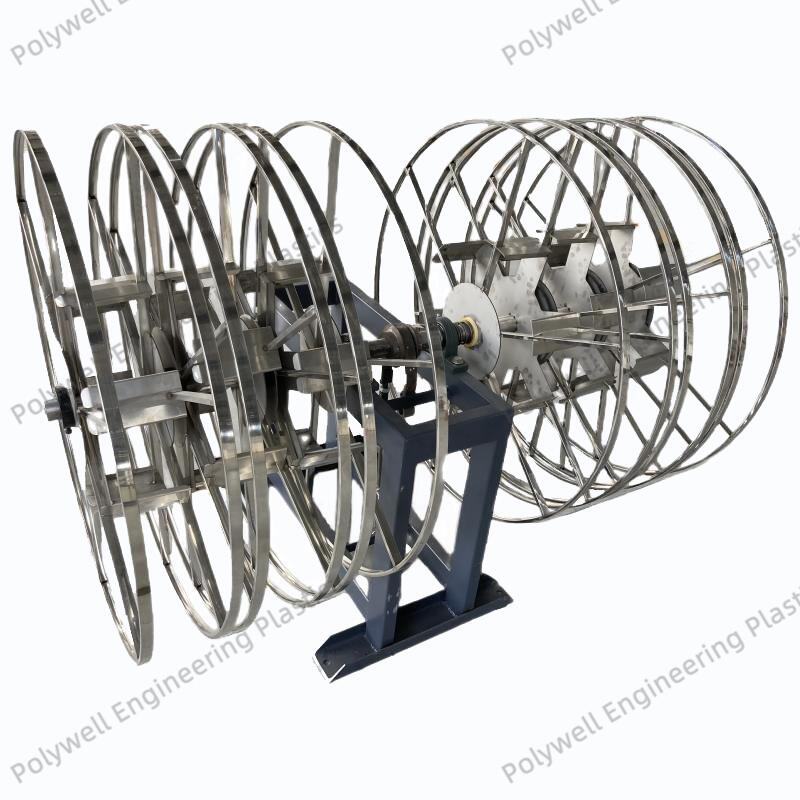
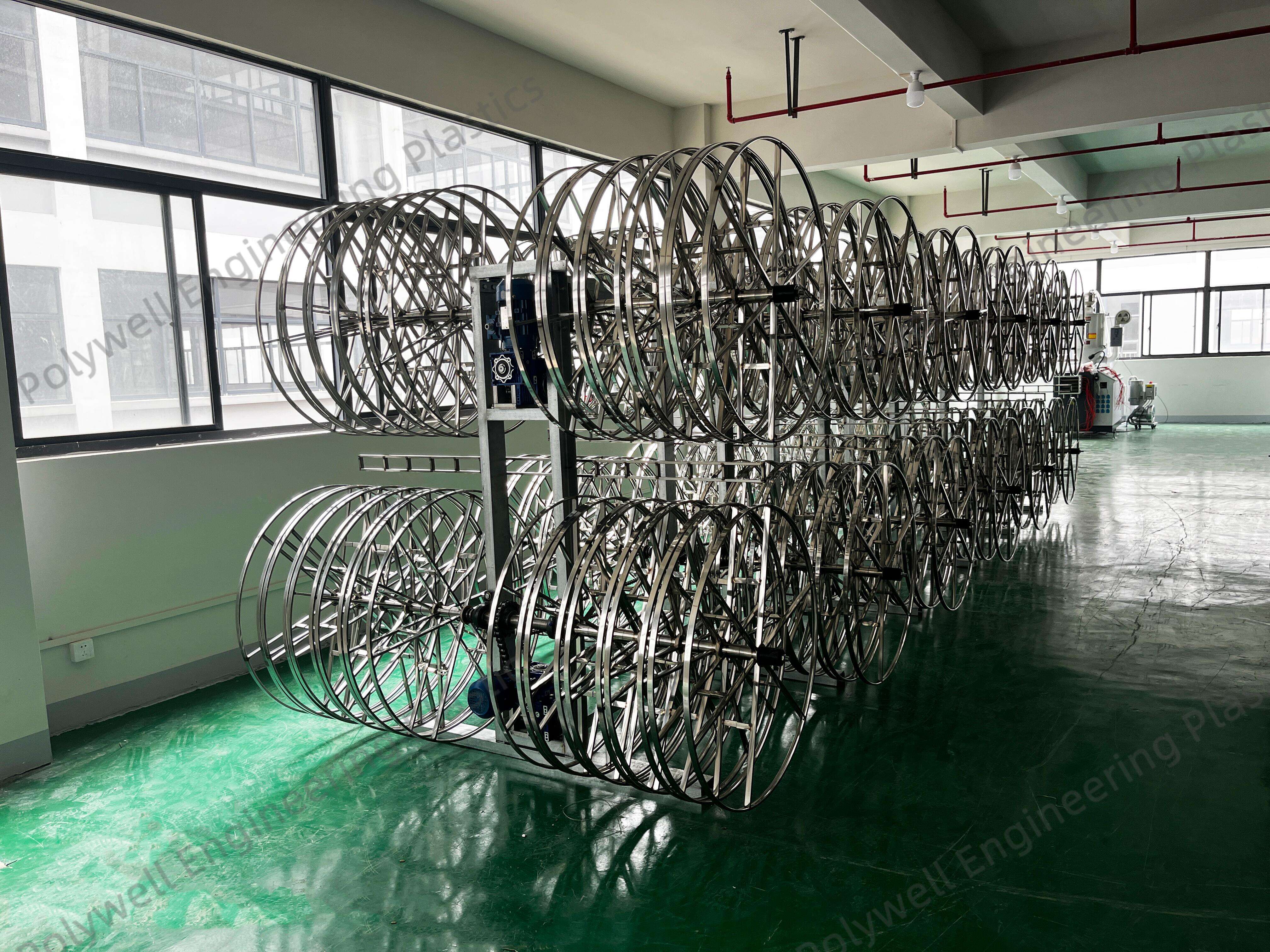
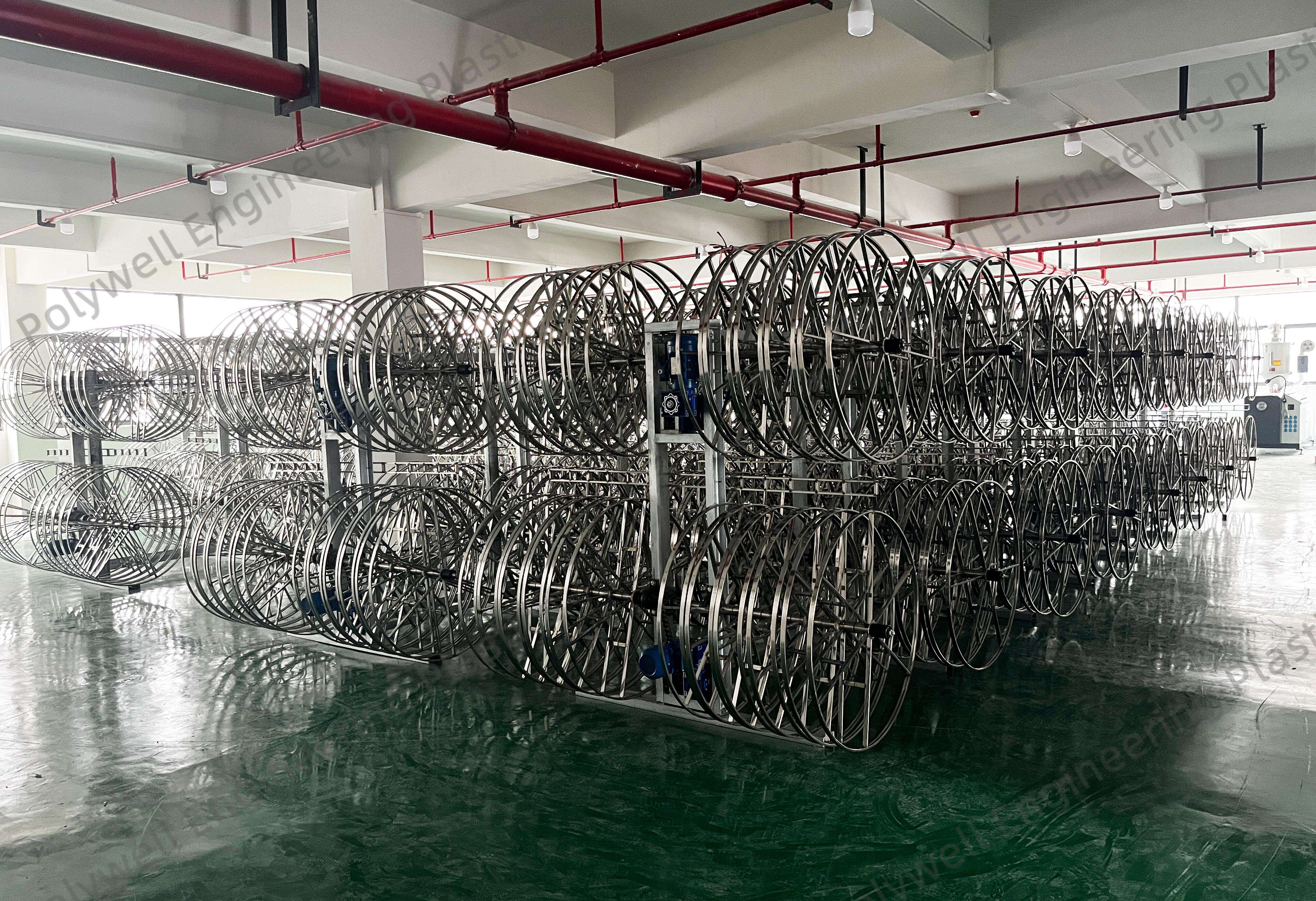
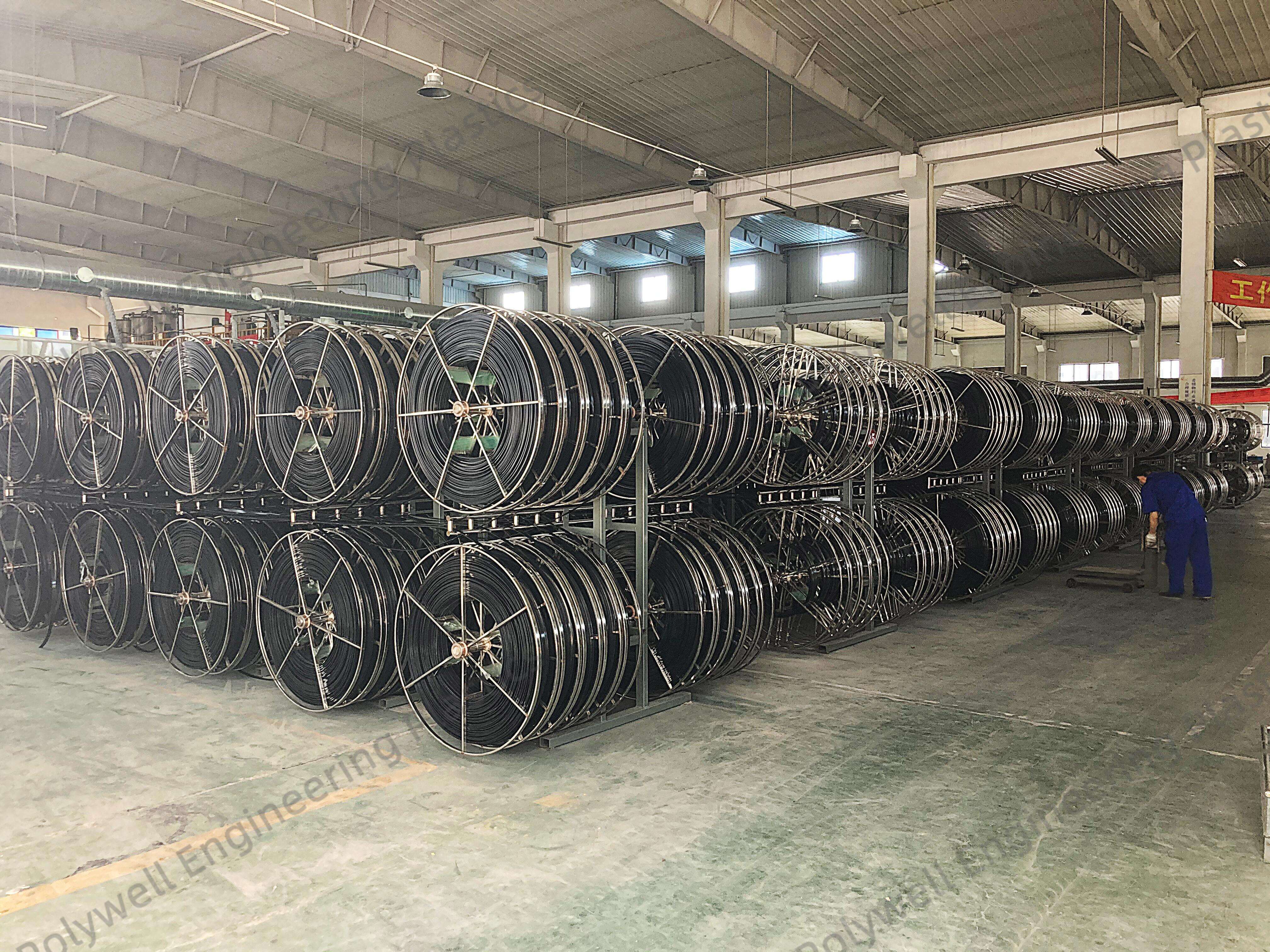
POLYWELL Rolling Machine: For Polyamide Thermal Break Strip Processing
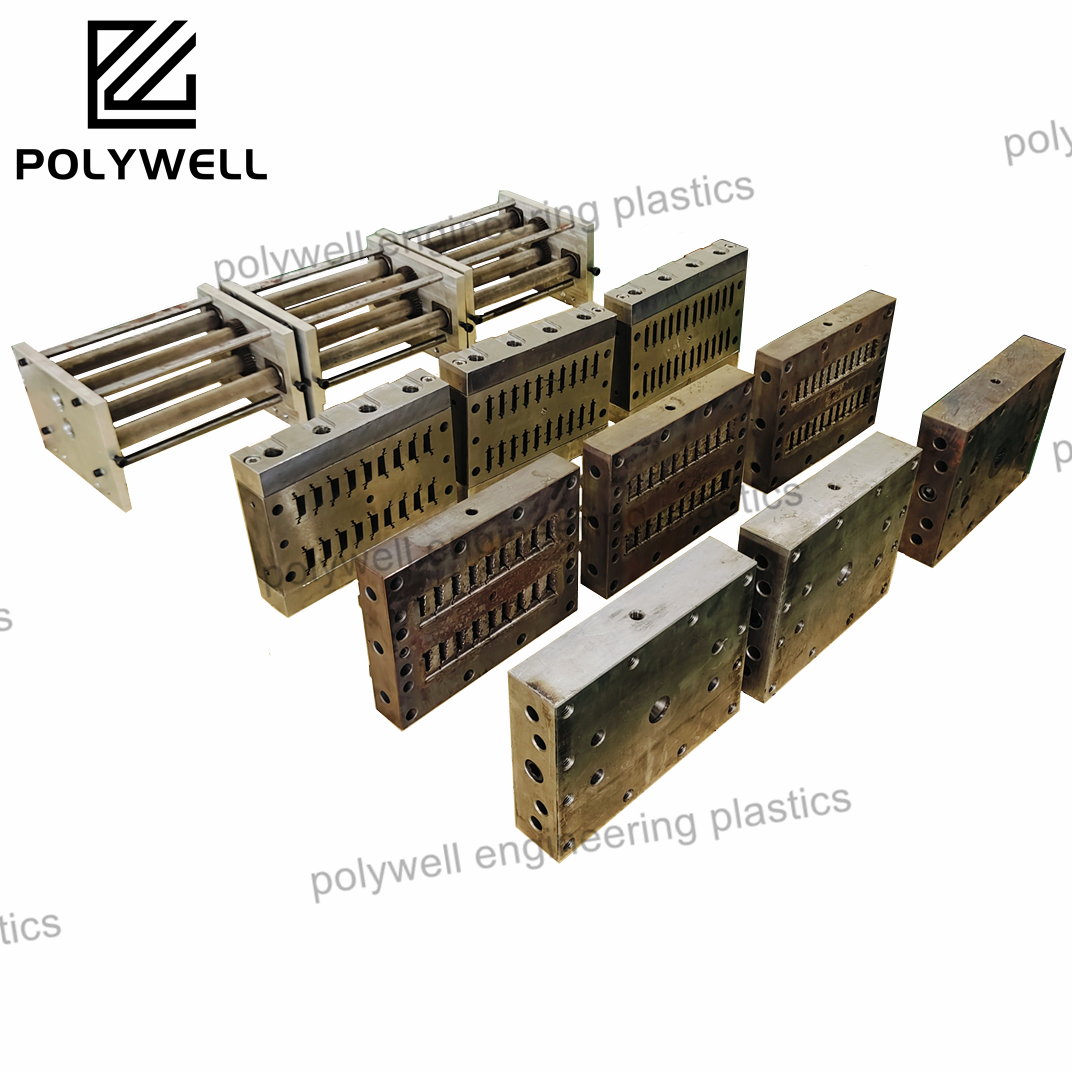
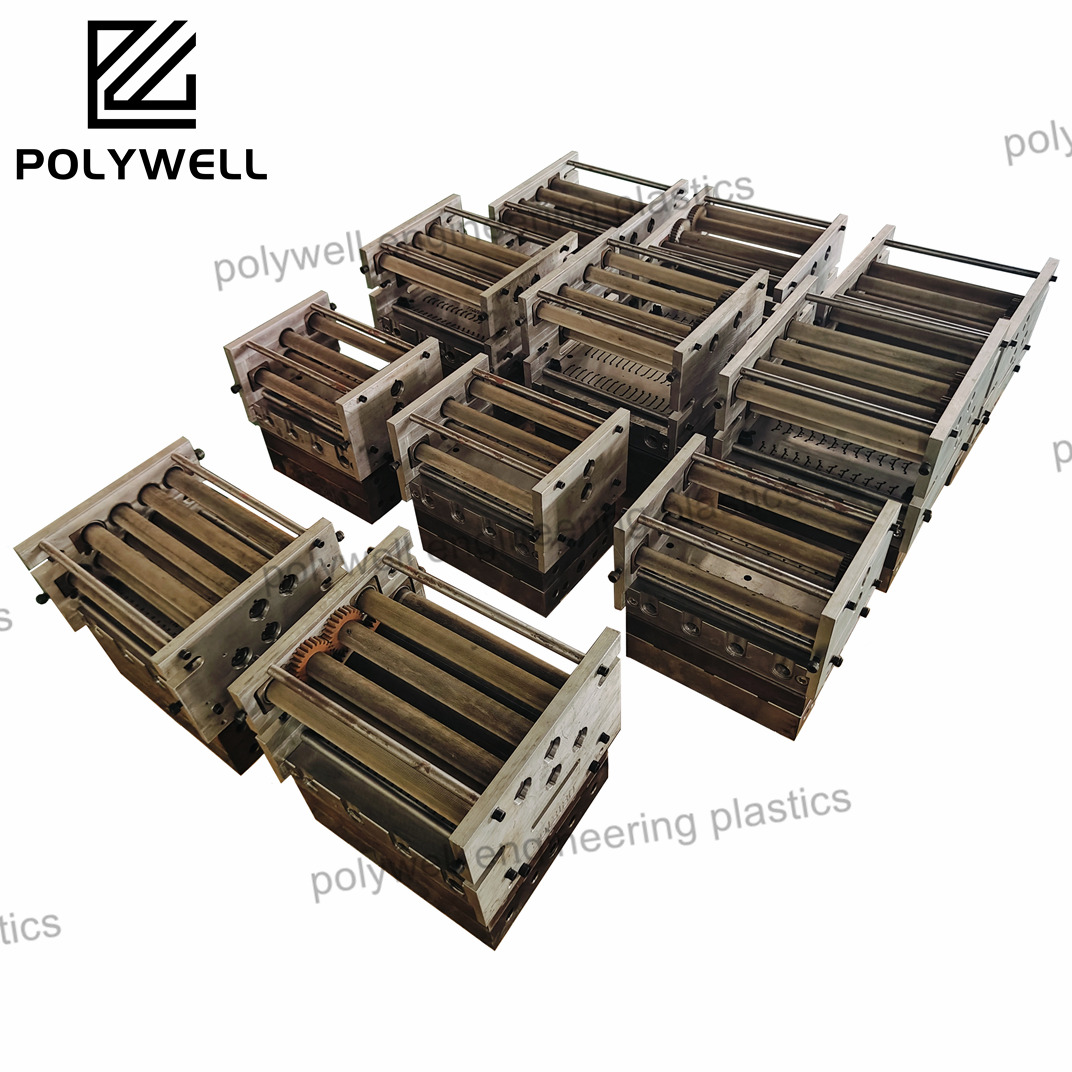
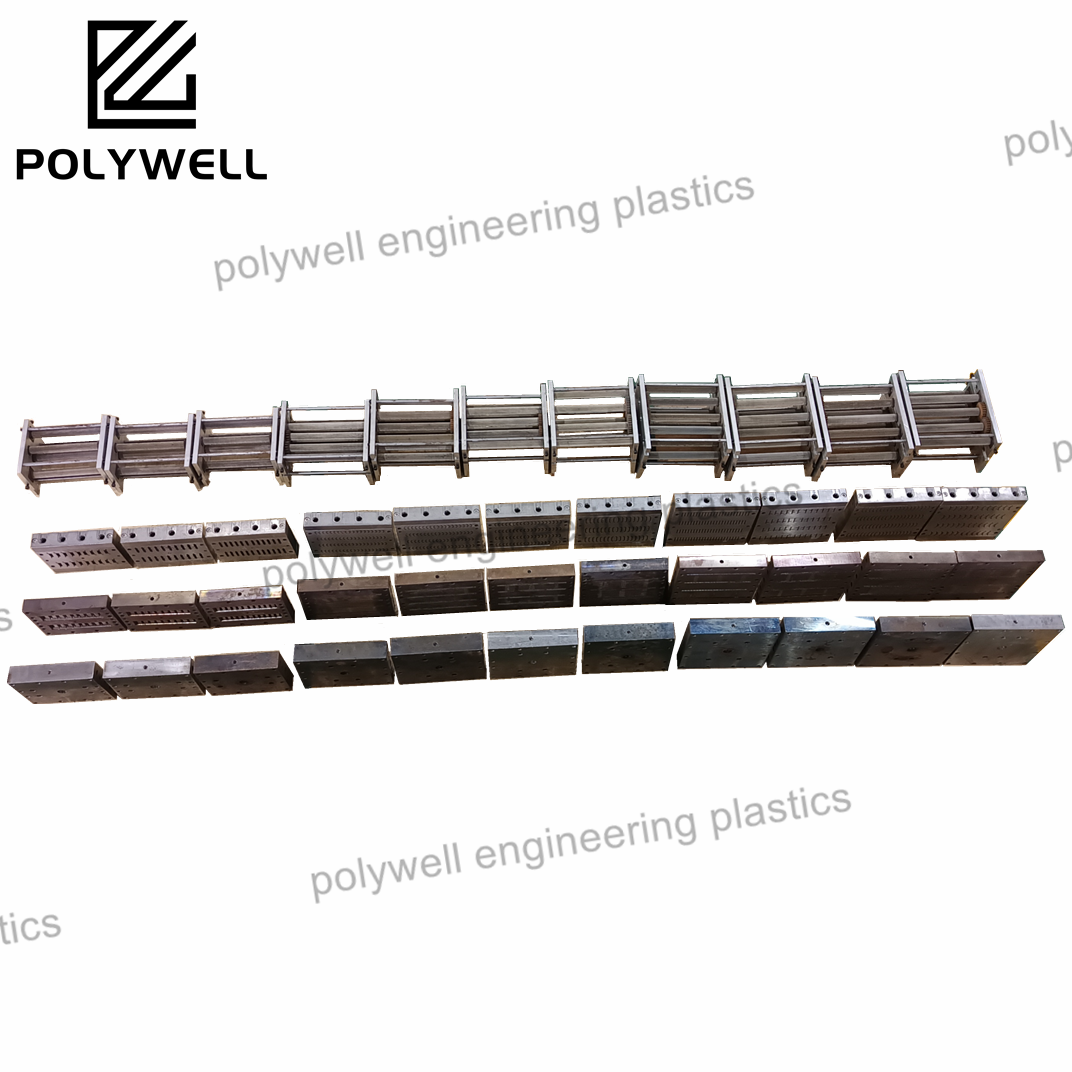
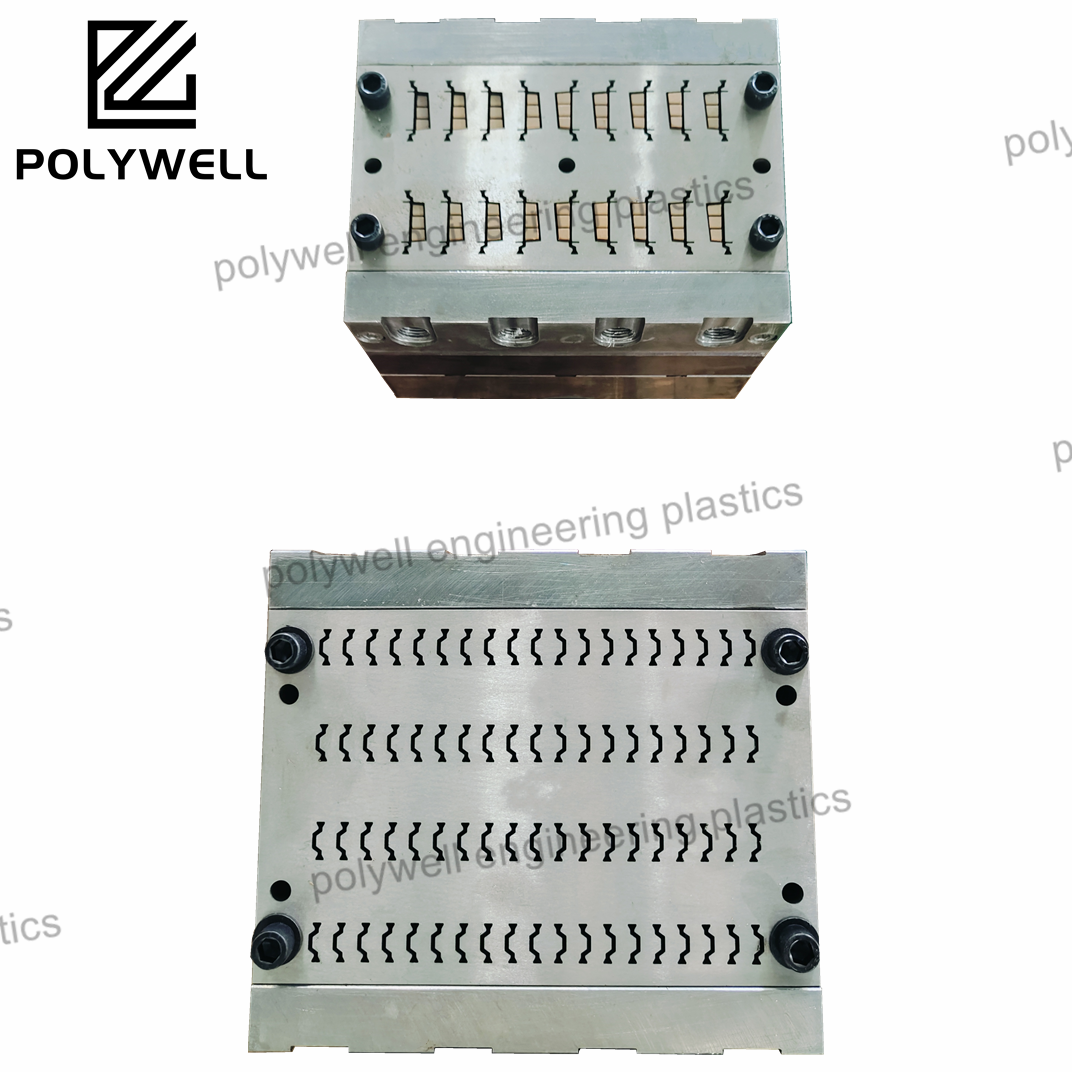
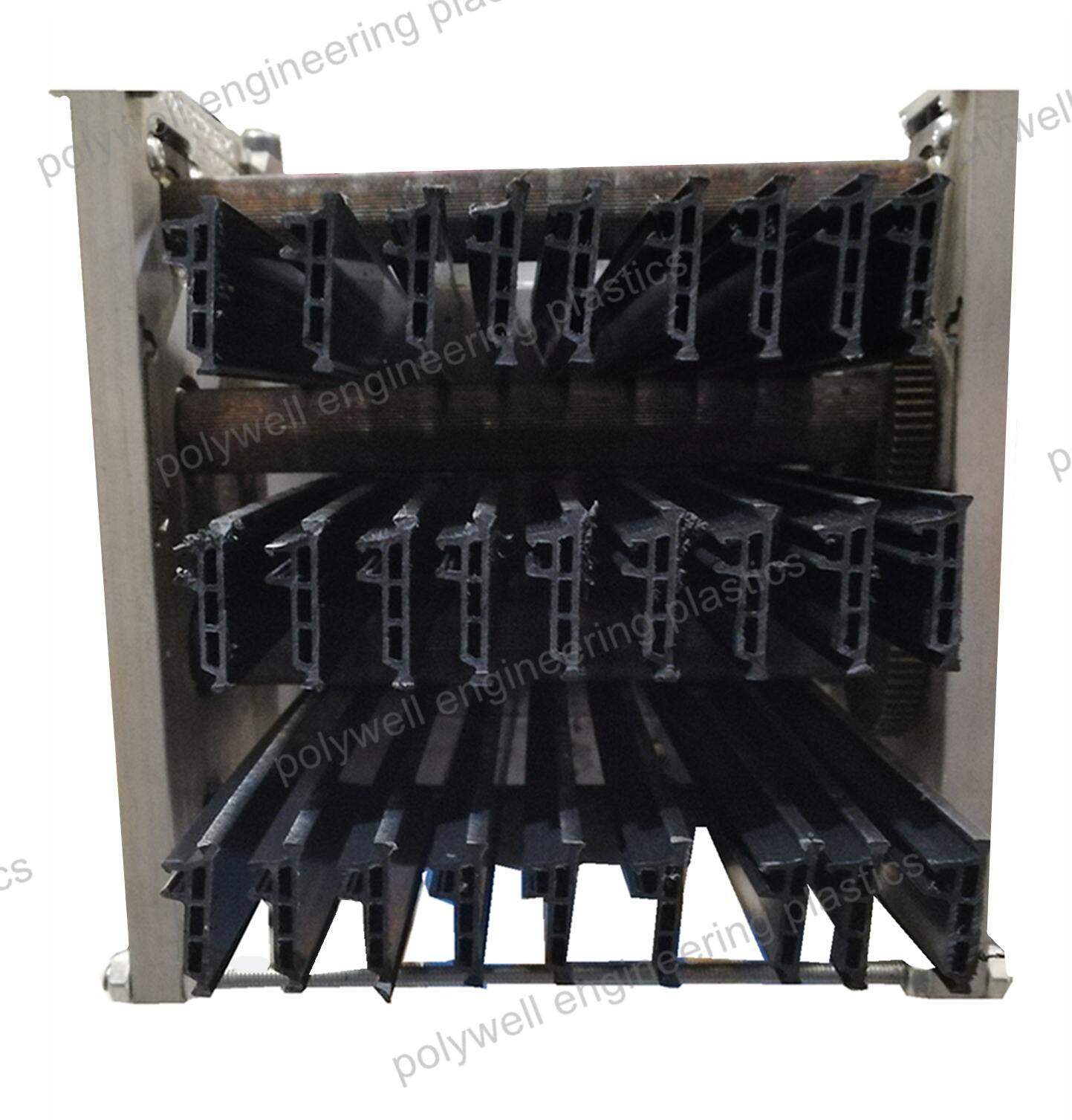
This page from POLYWELL offers rolling machines as part of its “Other equipments on Polyamide strips production line,” backed by 15+ years of experience. The rolling machine is used to flatten or calibrate polyamide thermal break strips, ensuring consistent thickness. POLYWELL provides technical support for rolling parameter adjustment and DFM to integrate the machine into extrusion lines. On site service resolves operational issues, and client Ms. Özge’s success with polyamide granules confirms POLYWELL’s expertise. The 6 step cooperation process (drawing → quote → customization → delivery) ensures manufacturers get rolling machines aligned with polyamide production.
Get A Quote

 EN
EN