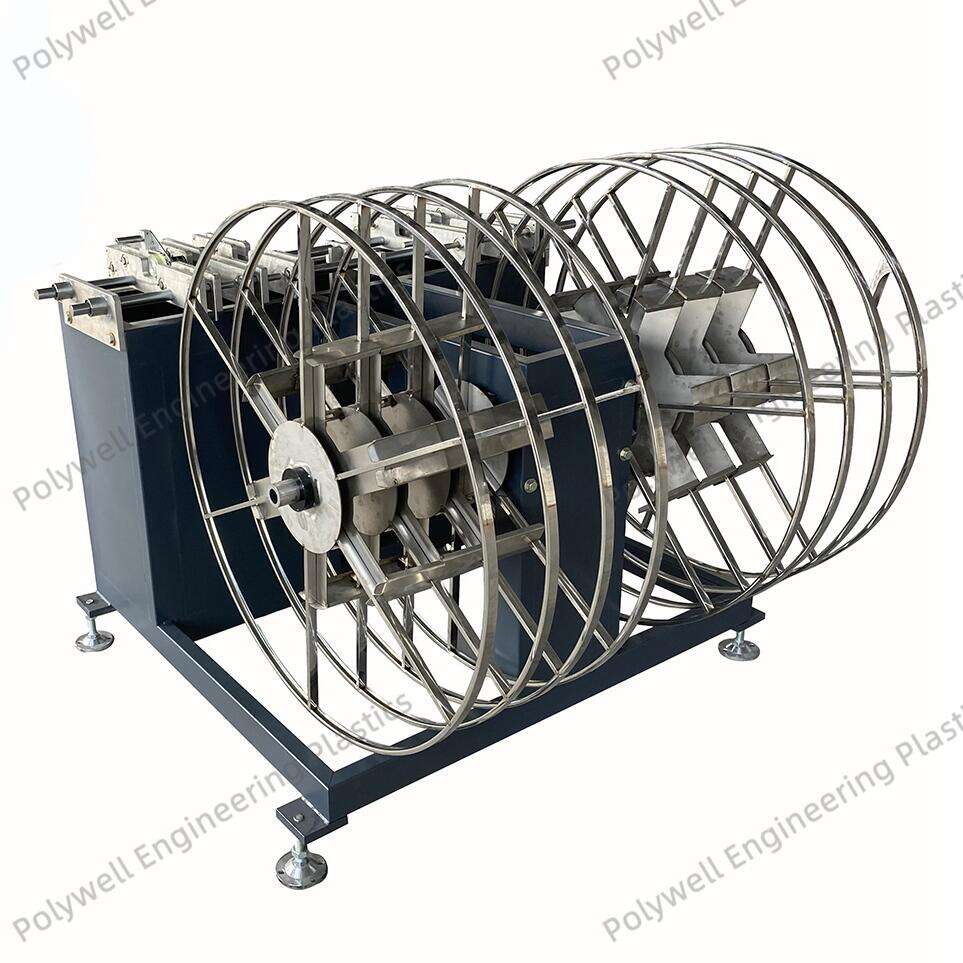
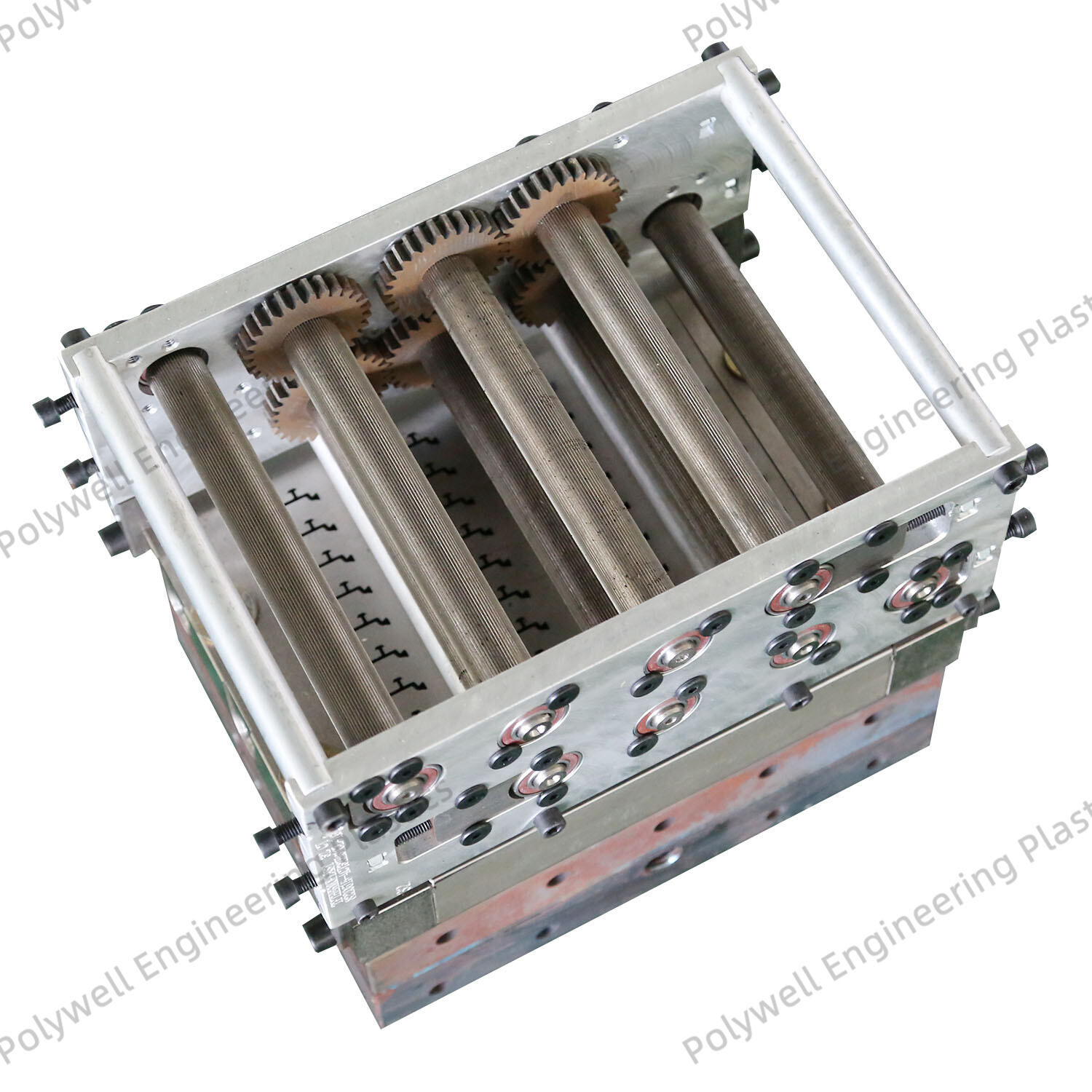
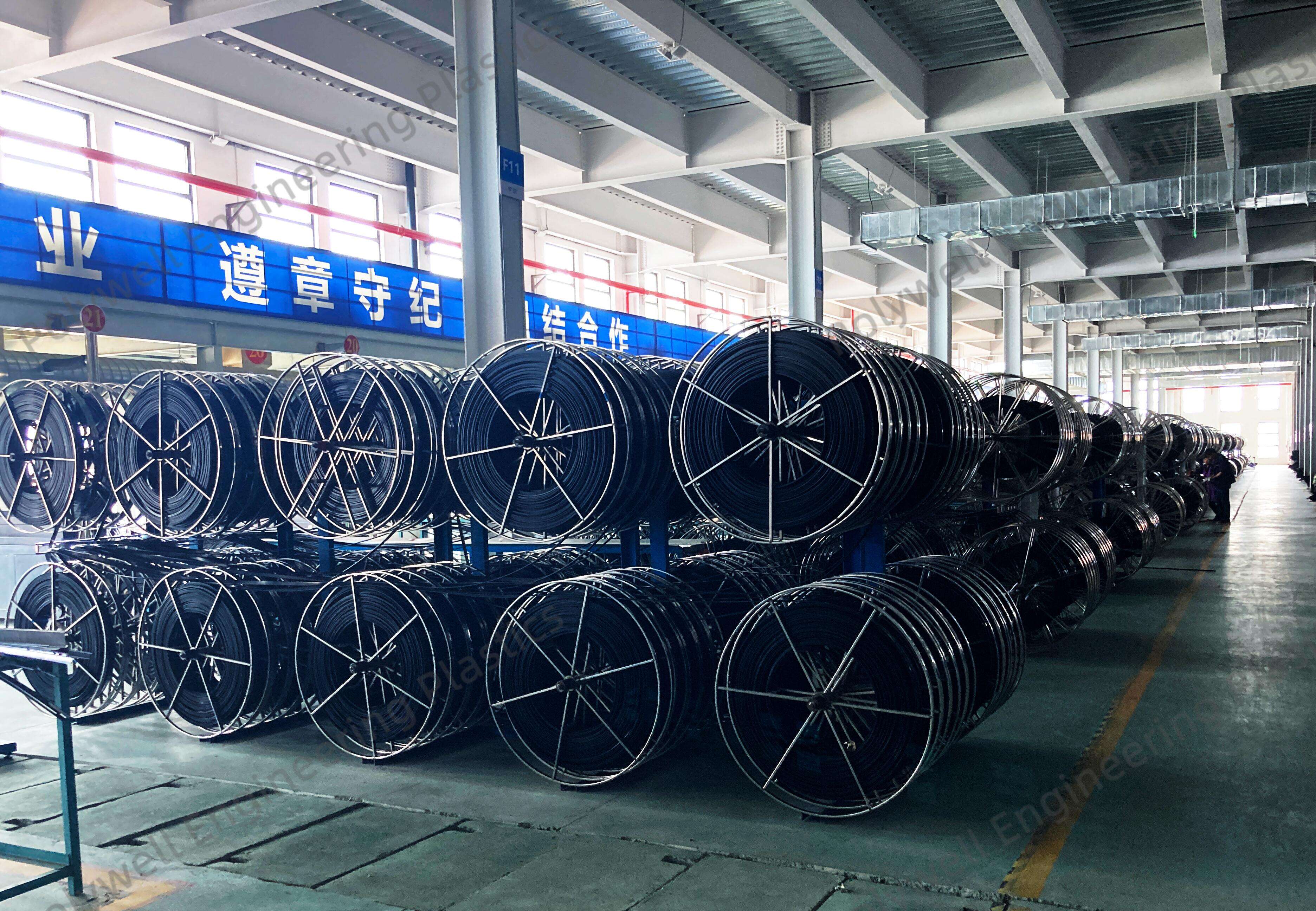
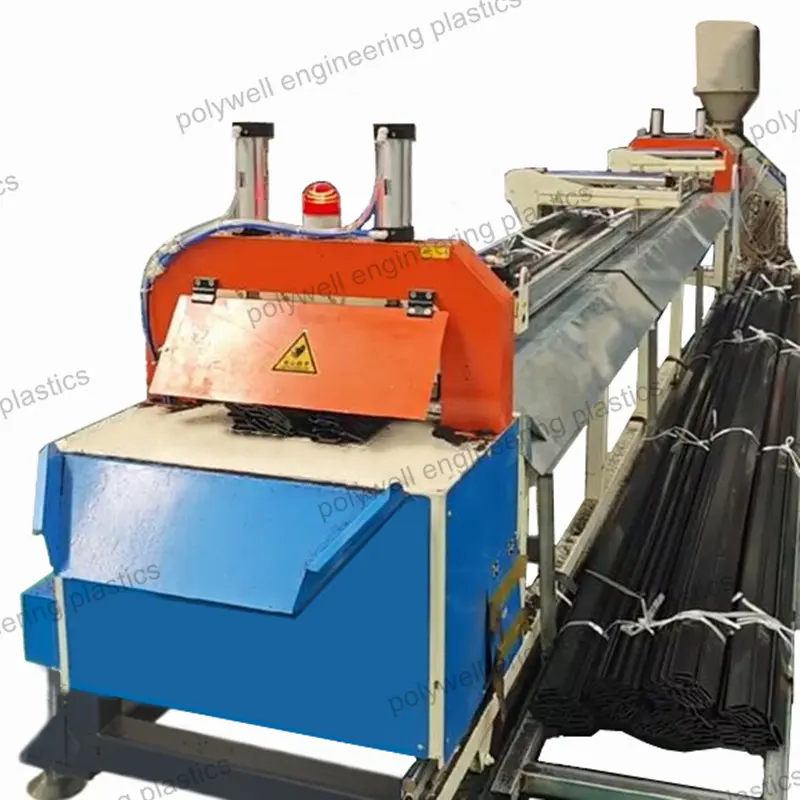
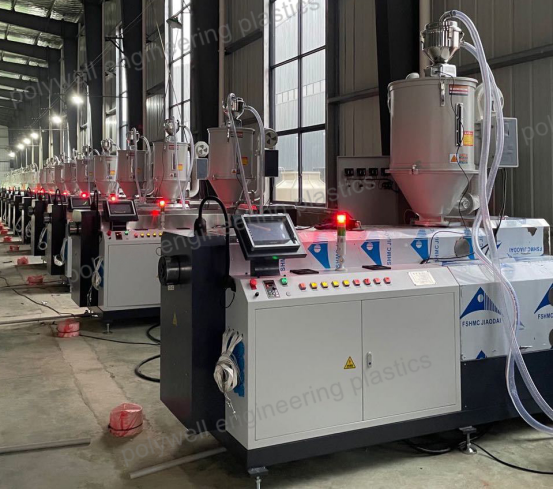
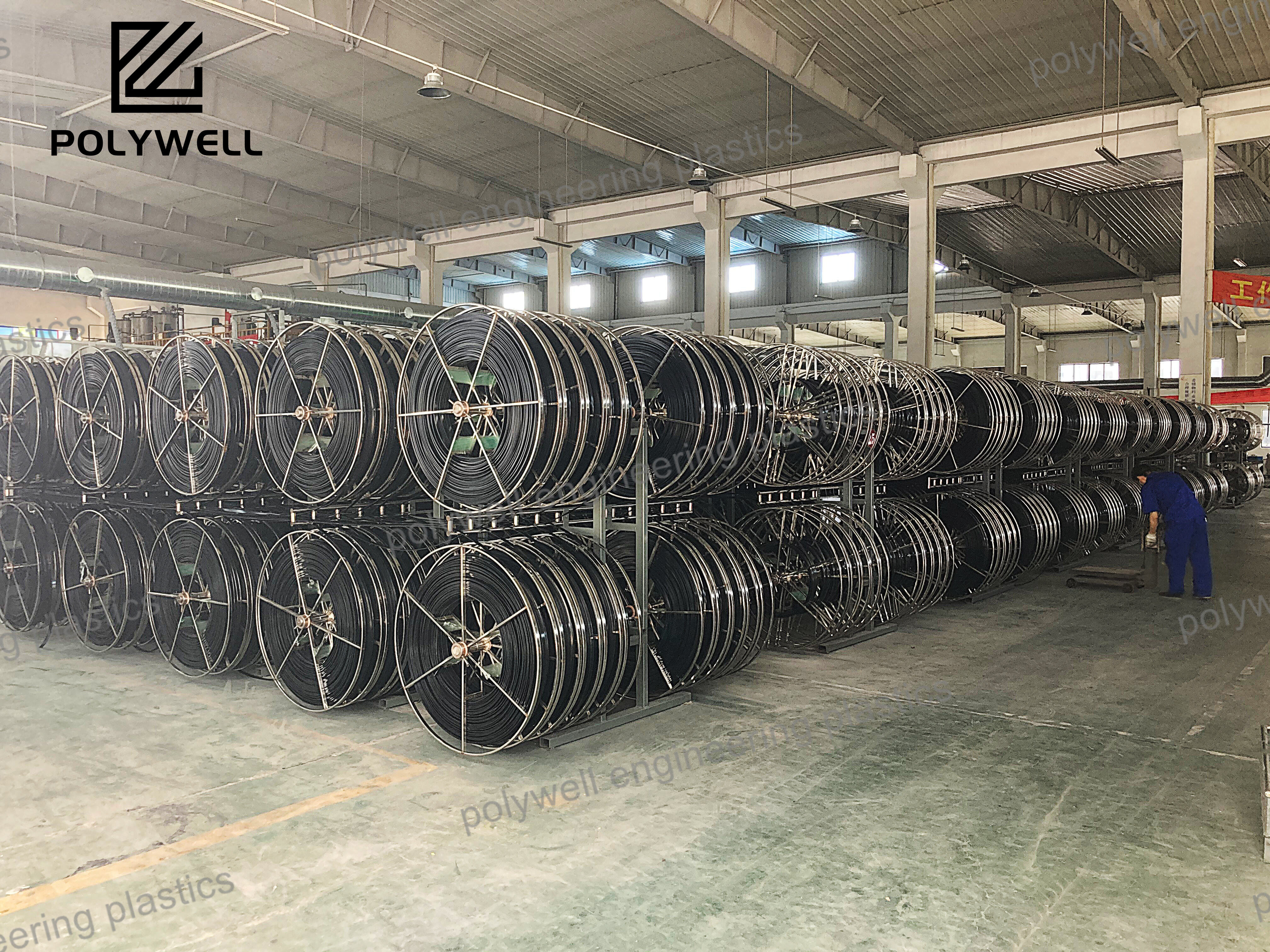
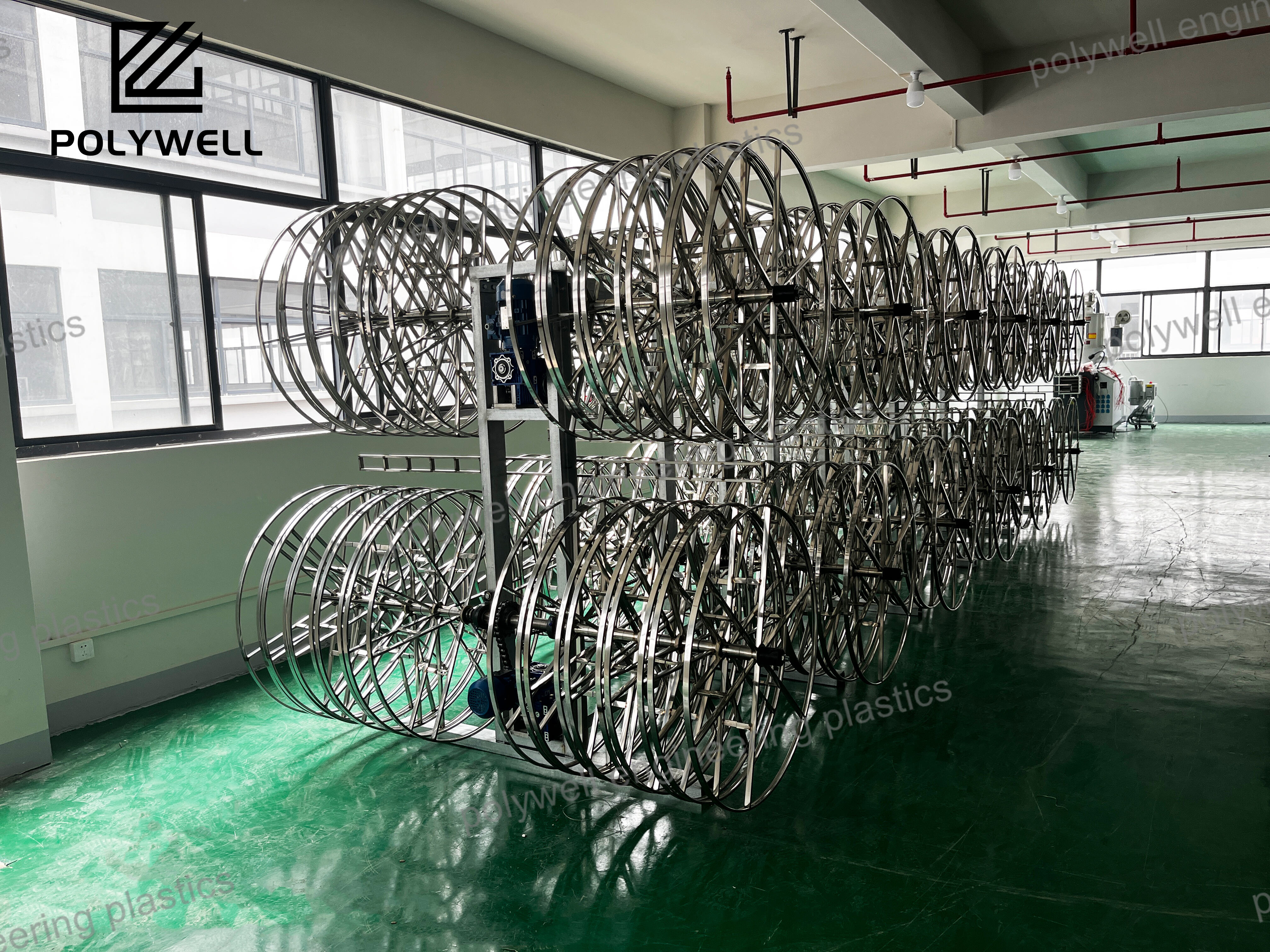
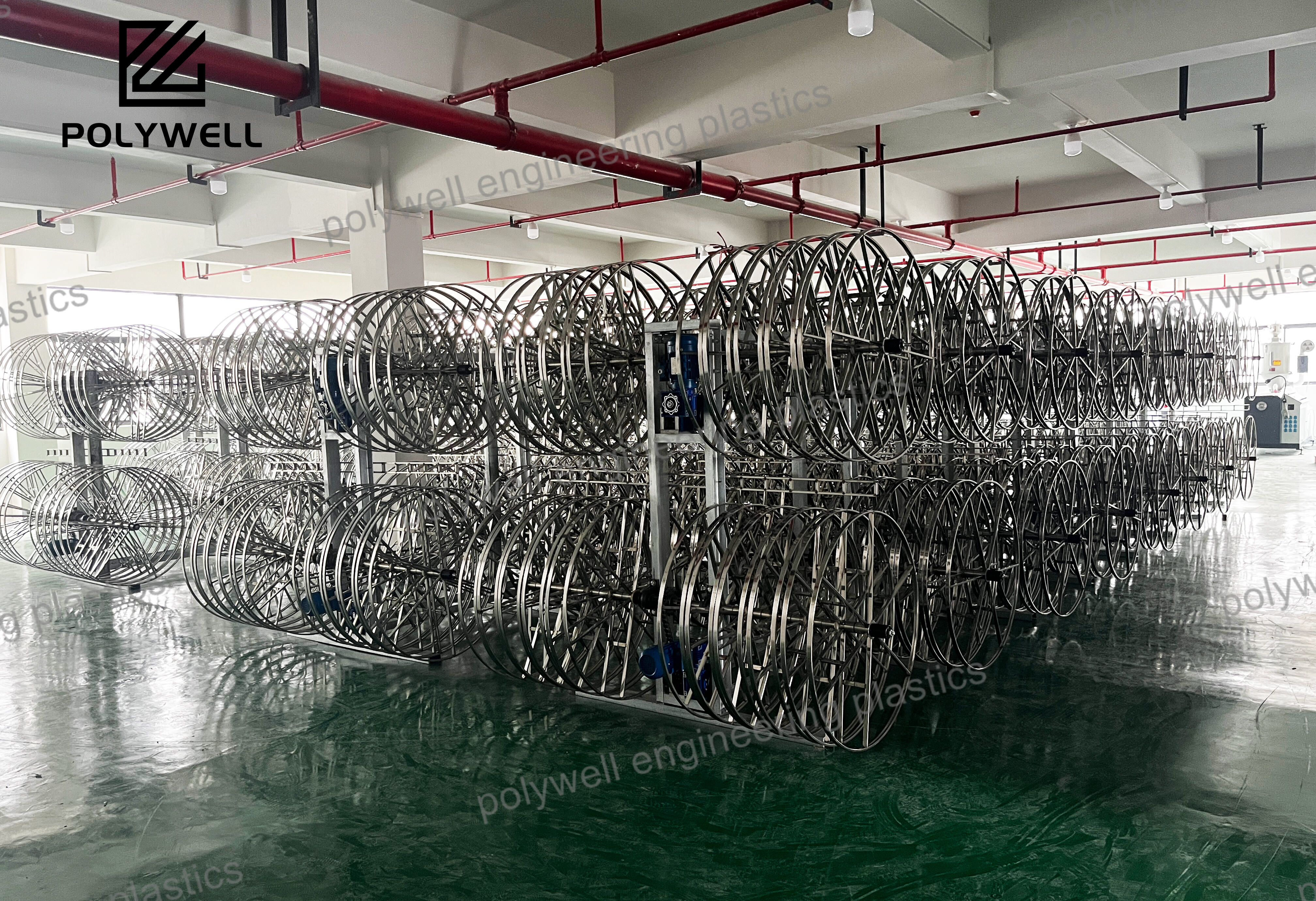
POLYWELL Profile Winding Rolling Machine: Equipment for Polyamide Profile Production
This page from POLYWELL includes profile winding rolling machines as part of its “Other equipments on Polyamide strips production line” offering, supporting efficient handling of polyamide profiles. With 15+ years of experience, it supplies high performance profile winding rolling machines, along with installation guidance, operational training (per its “Provide Production Technology” service), and lifelong technical support. The content emphasizes the machine’s compatibility with polyamide thermal break strips and other profiles, plus DFM like risk prediction for machine integration. On site service helps resolve on factory machine issues, and client feedback (Mr. Tiago wanting to develop more equipment with POLYWELL) confirms reliability. The 6 step cooperation process includes machine customization and shipping, catering to profile manufacturers.
Get A Quote
 EN
EN