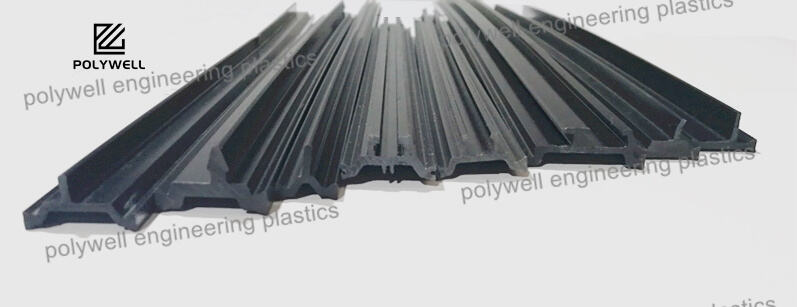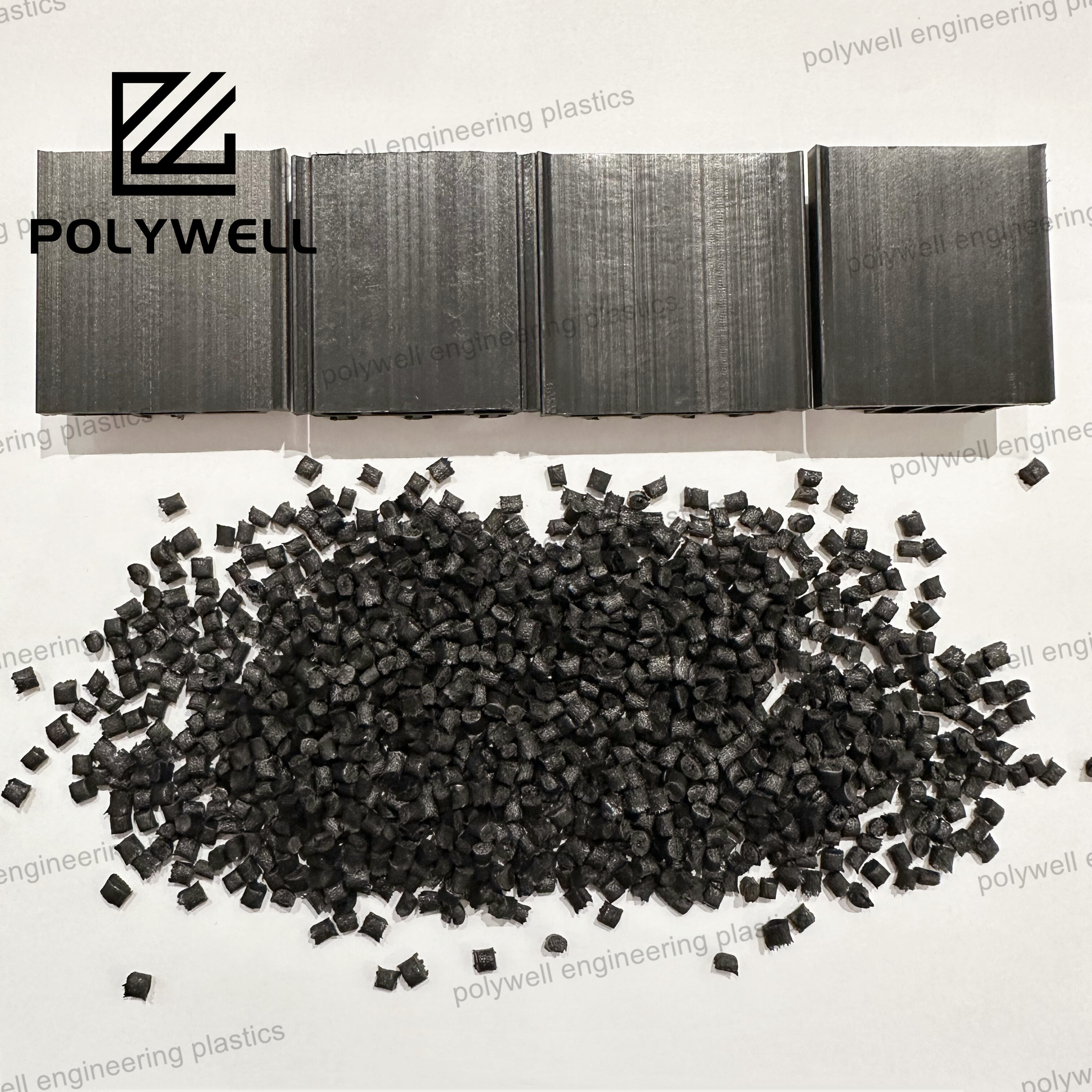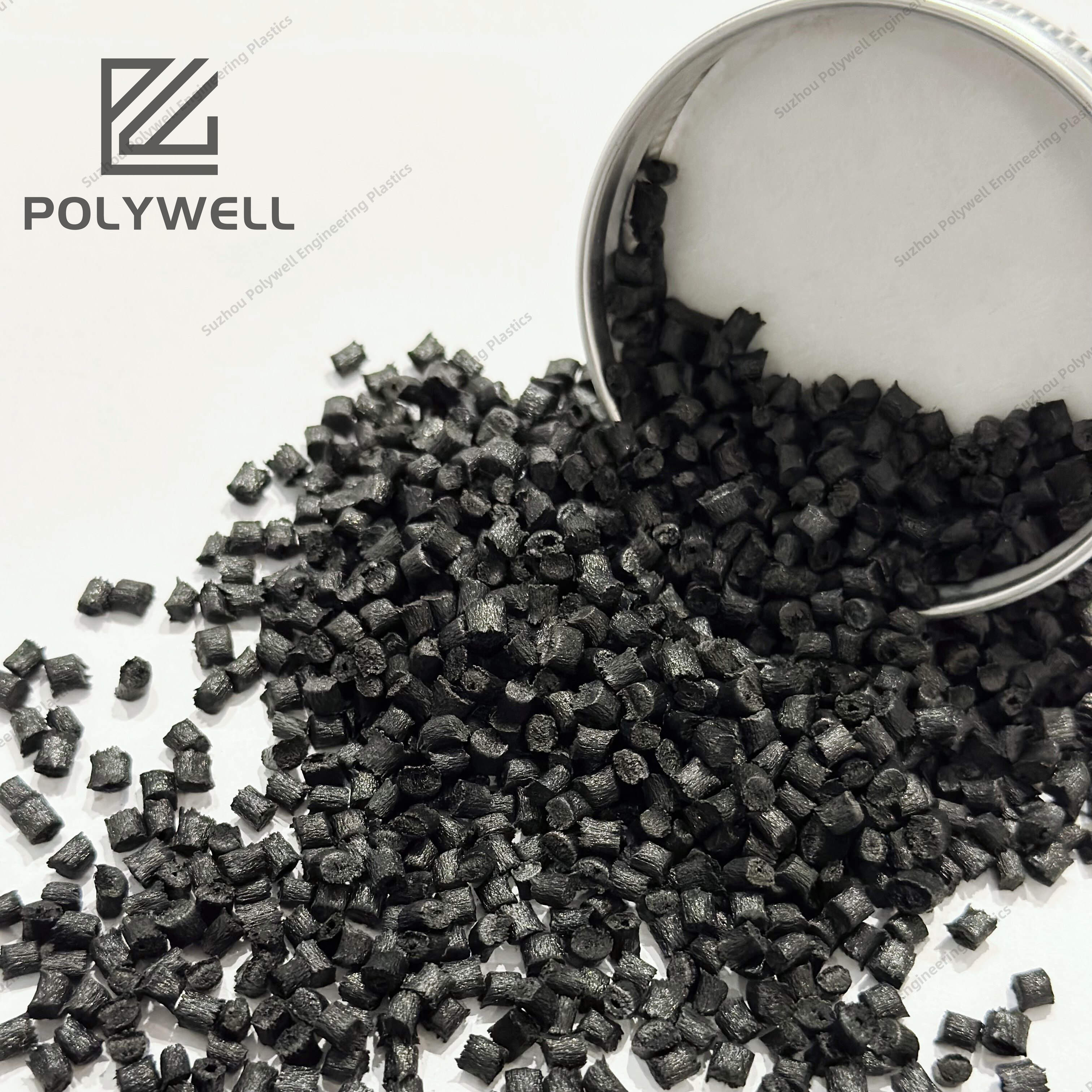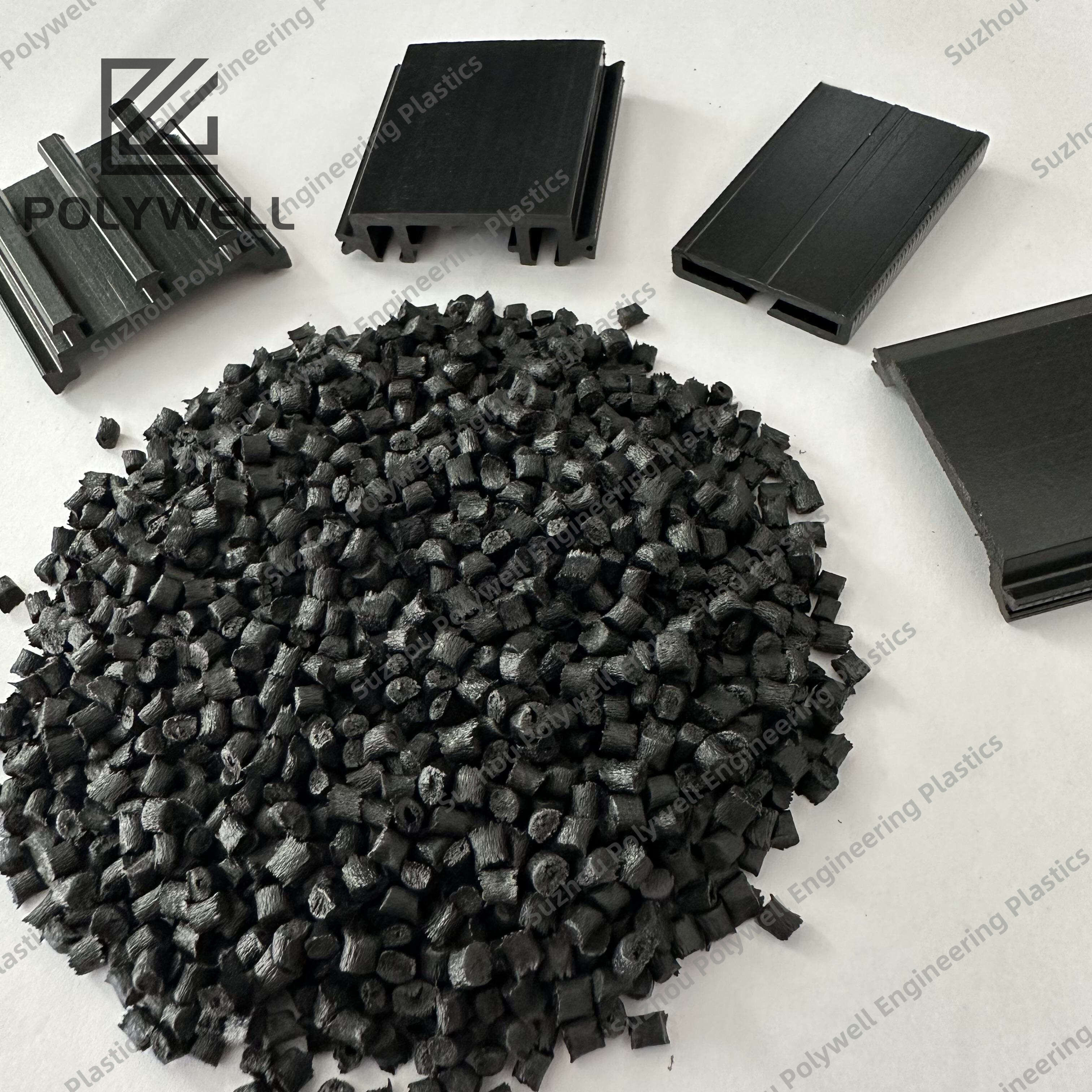
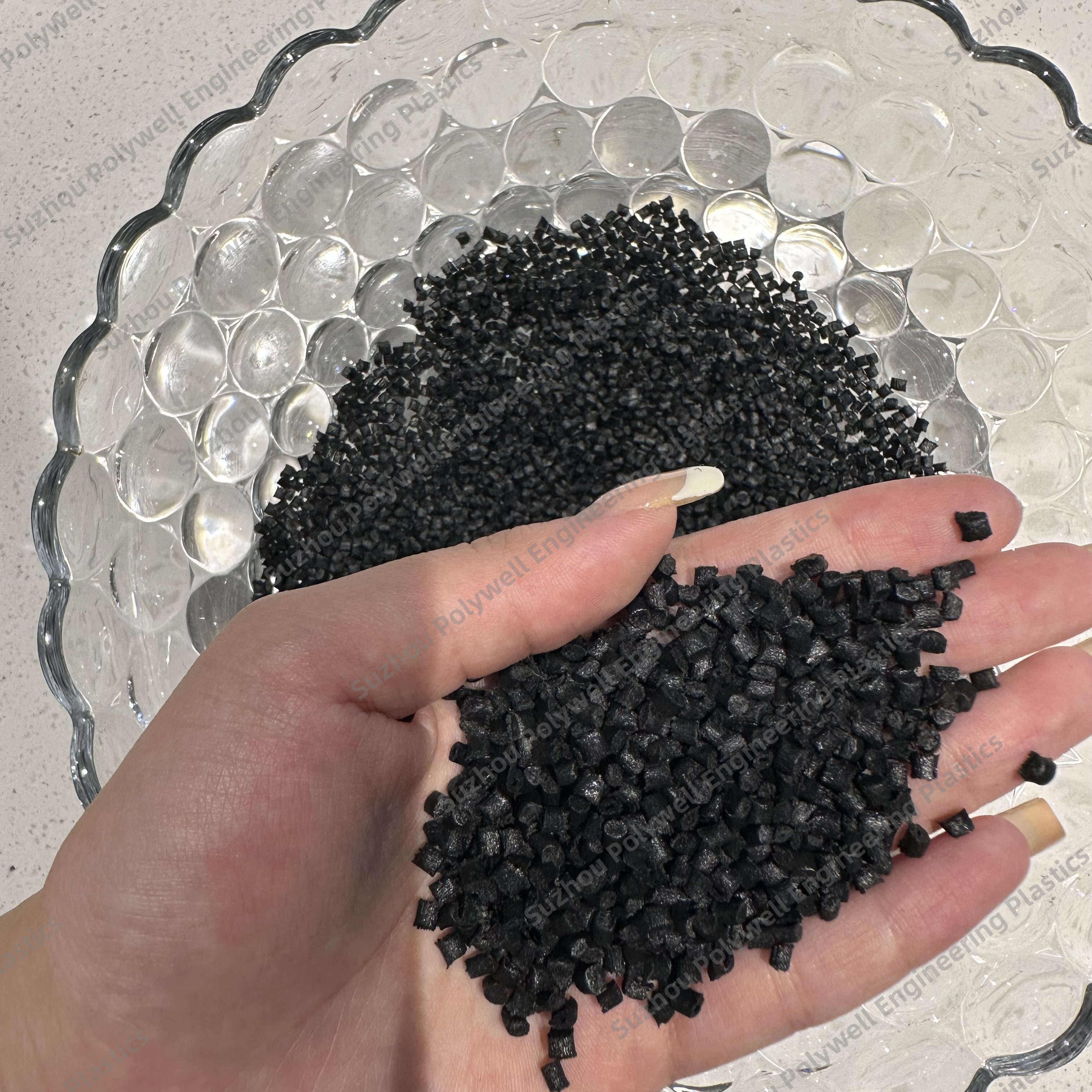
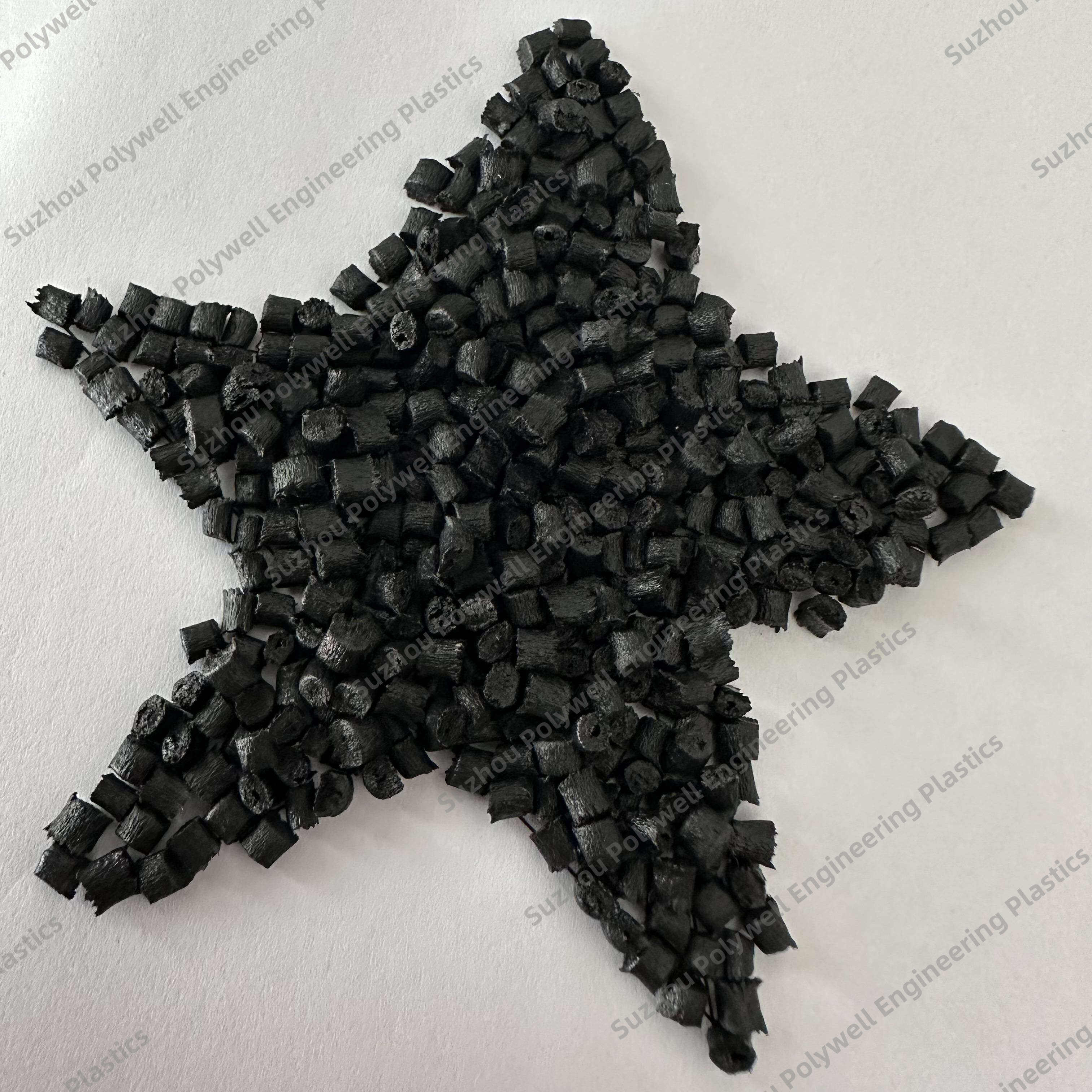
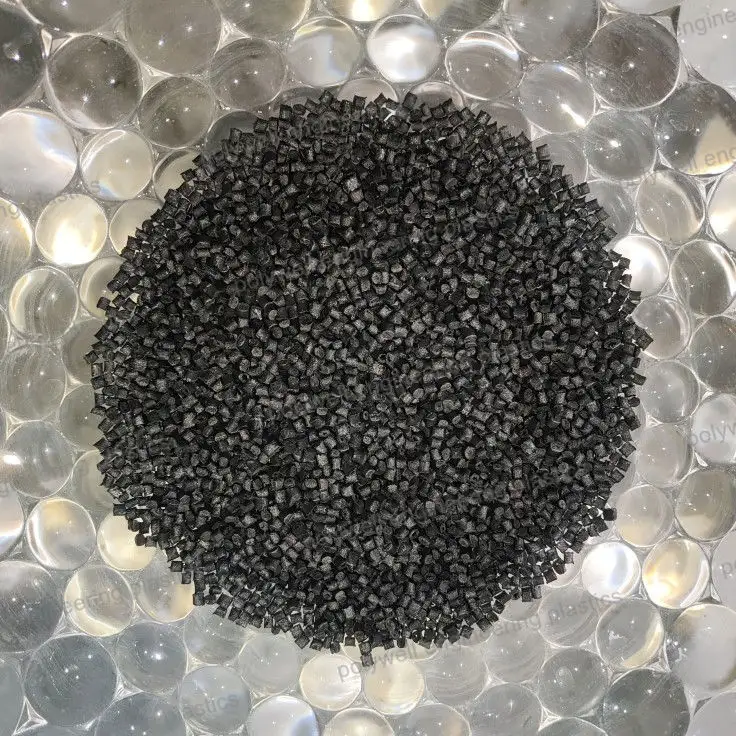
PA66 polyamide, commonly referred to as nylon 66, is a robust synthetic polymer characterized by its high mechanical strength, thermal stability, and resistance to chemicals and wear. This material is produced from the polymerization of adipic acid and hexamethylenediamine, forming a semi-crystalline structure that provides excellent toughness and durability. Typical properties include a tensile strength of 80–90 MPa, elongation at break of 10–50%, and a melting point of 260°C, with a heat deflection temperature ranging from 70°C to 100°C under load. Its hygroscopic nature necessitates pre-drying at 80–100°C for 2–4 hours before processing via injection molding or extrusion, with melt temperatures of 270–290°C recommended to ensure optimal flow and crystallization. PA66 polyamide is widely used in applications such as automotive components (e.g., fan blades, fuel lines), electrical connectors, and textile fibers, thanks to its low friction coefficient, good electrical insulation, and ability to withstand exposure to oils and hydrocarbons. Modifications with fillers like glass fibers or minerals can enhance properties such as stiffness and heat resistance, while additives improve UV stability or flame retardancy. Environmental considerations include its recyclability and potential for energy recovery, though moisture management is critical to maintain performance in humid climates. Overall, PA66 polyamide remains a cornerstone material in engineering, valued for its versatility and ability to meet stringent performance standards across different markets, ensuring reliability and cost-effectiveness in a wide range of products and industries.