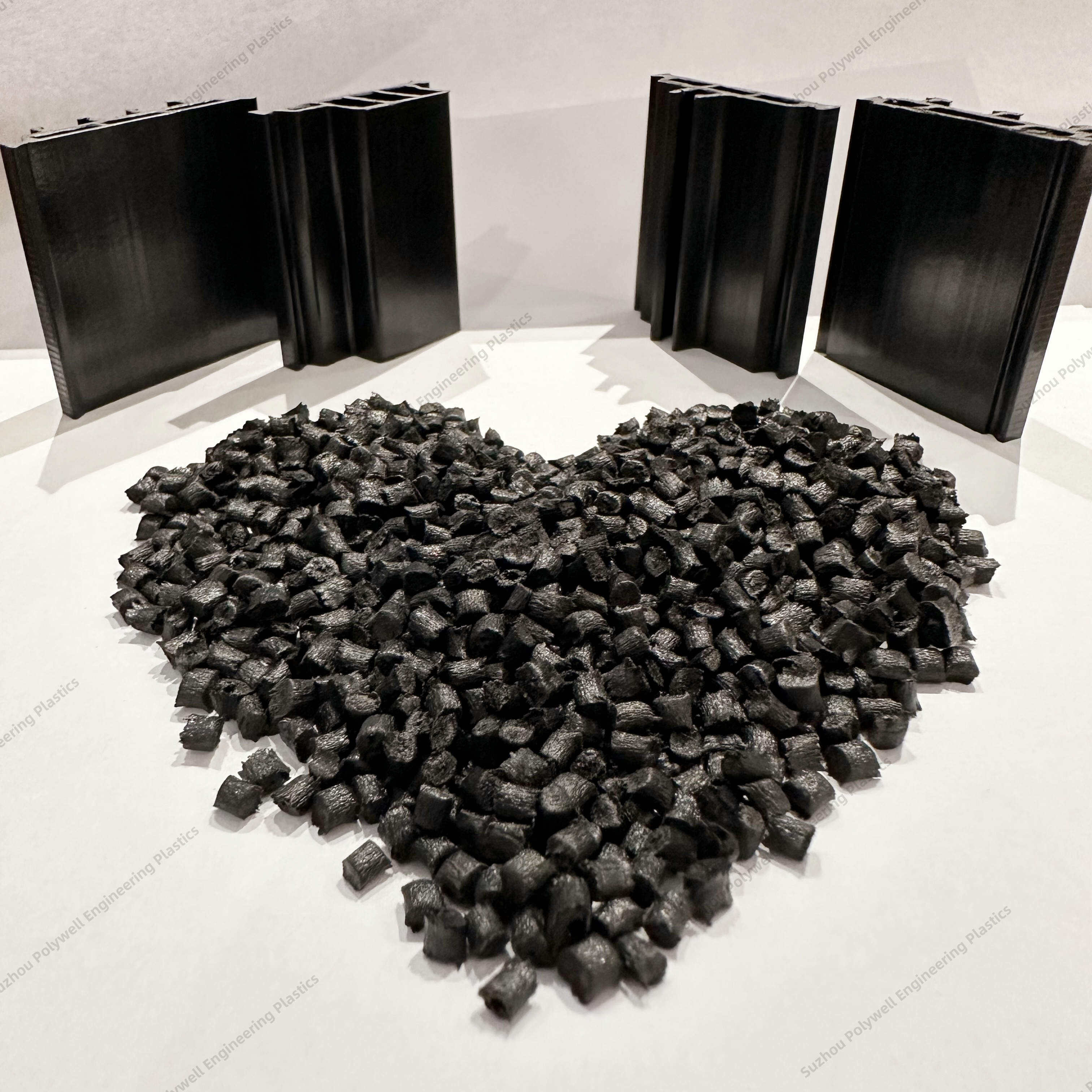
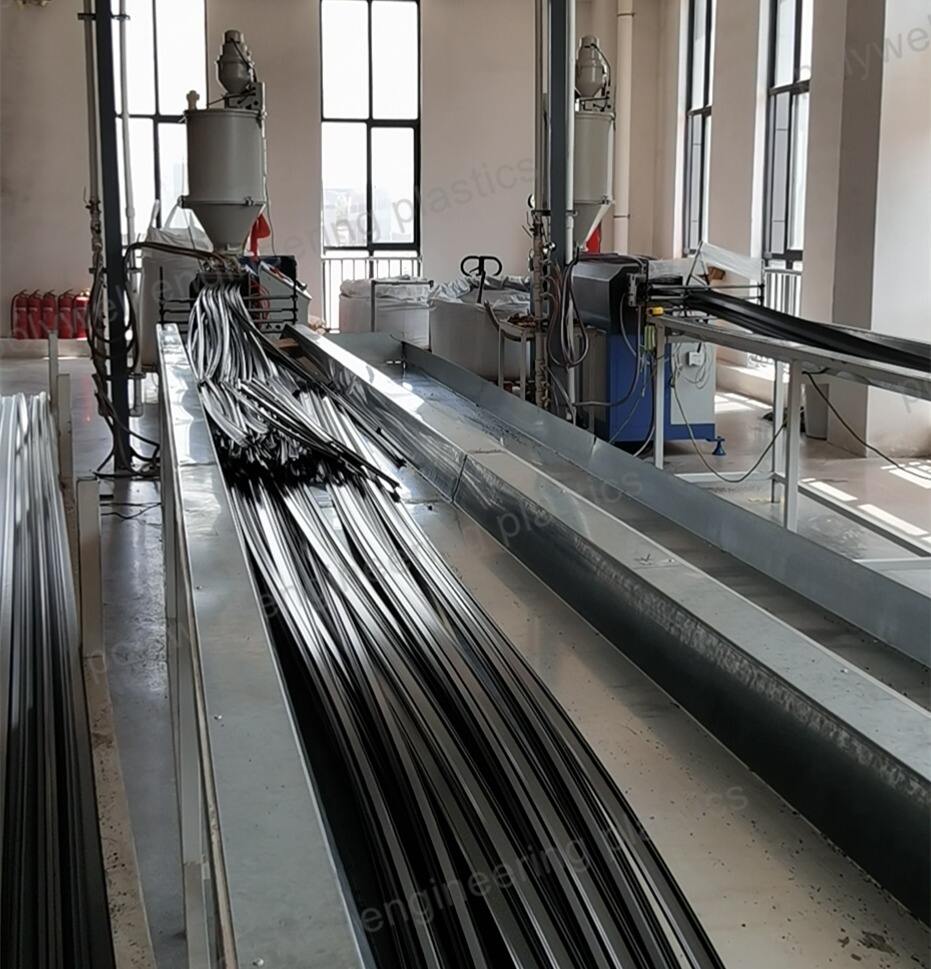
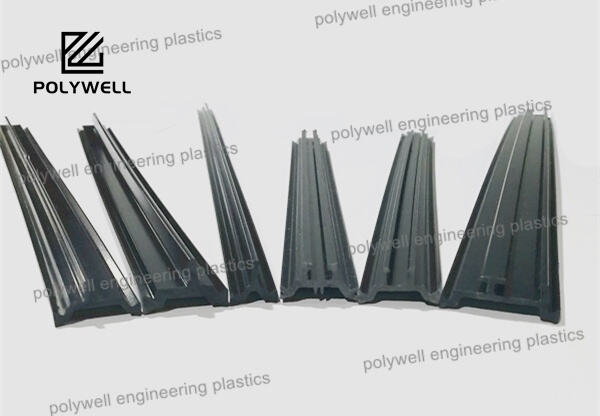
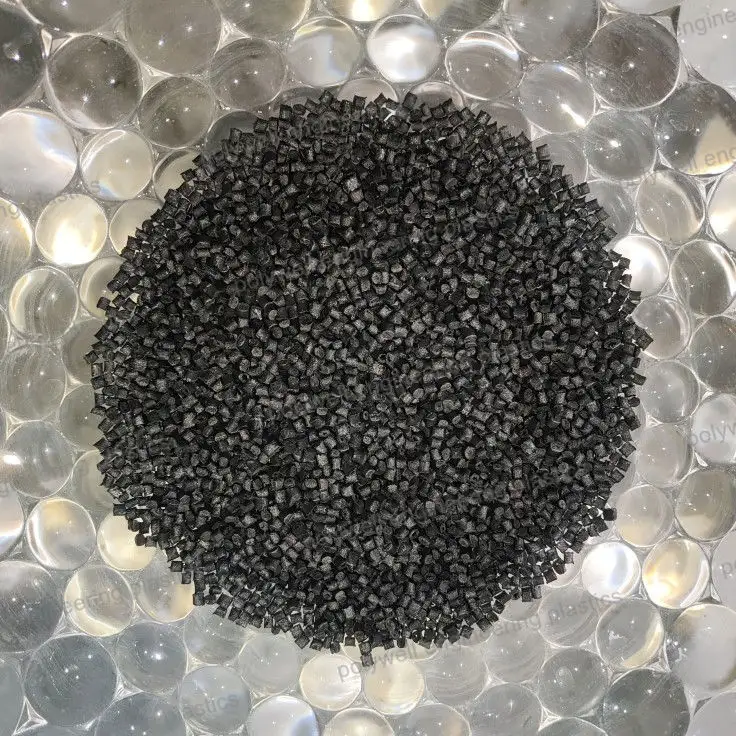
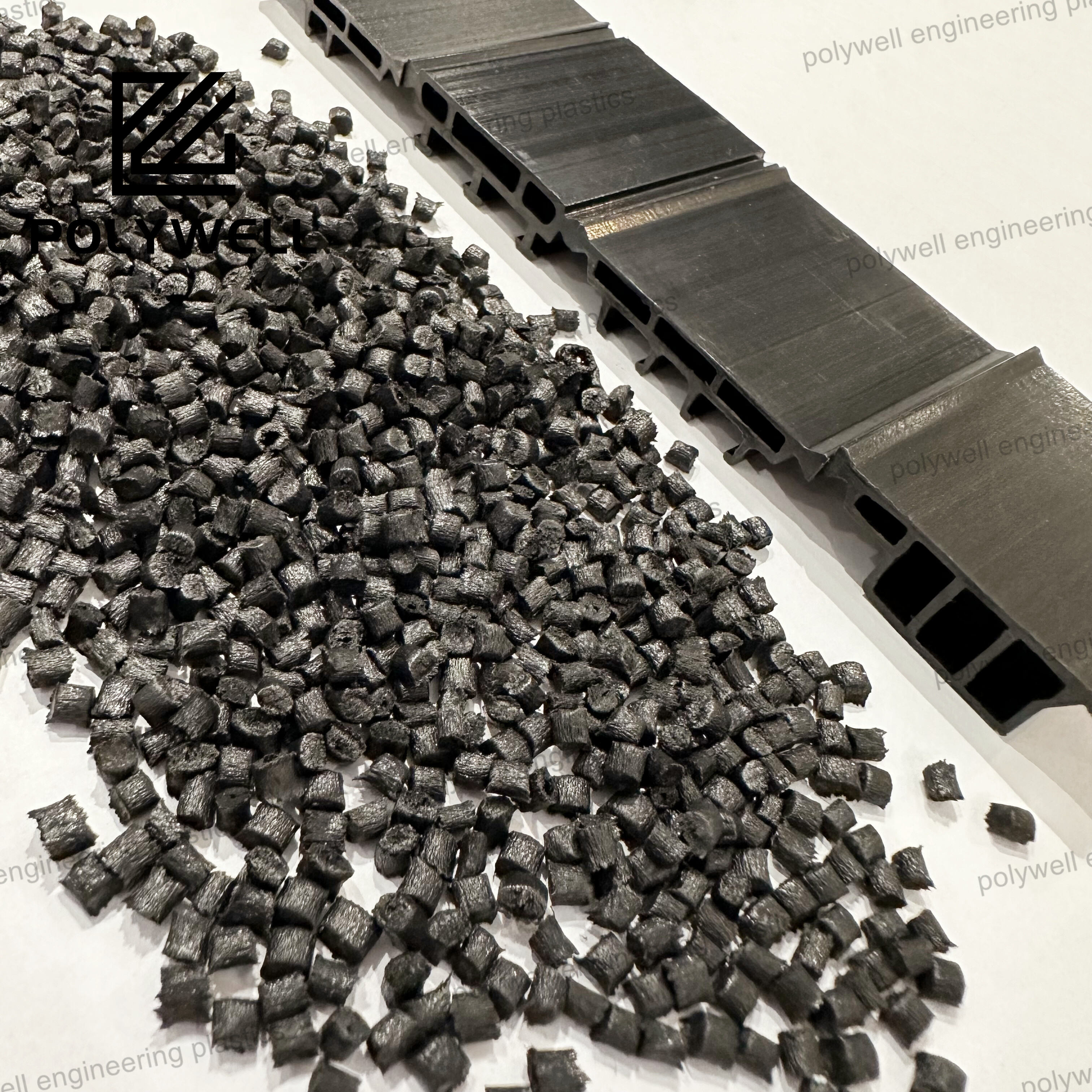
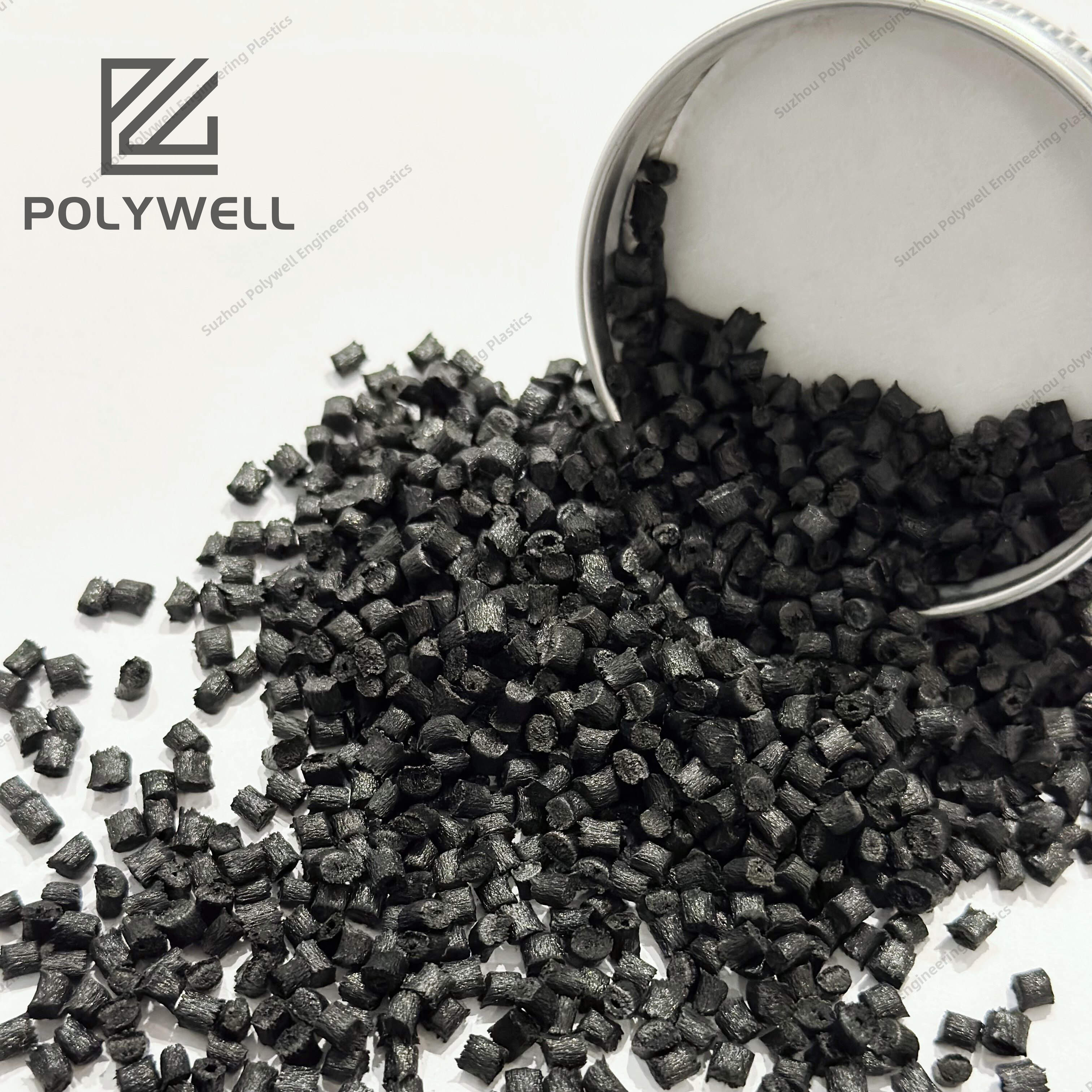
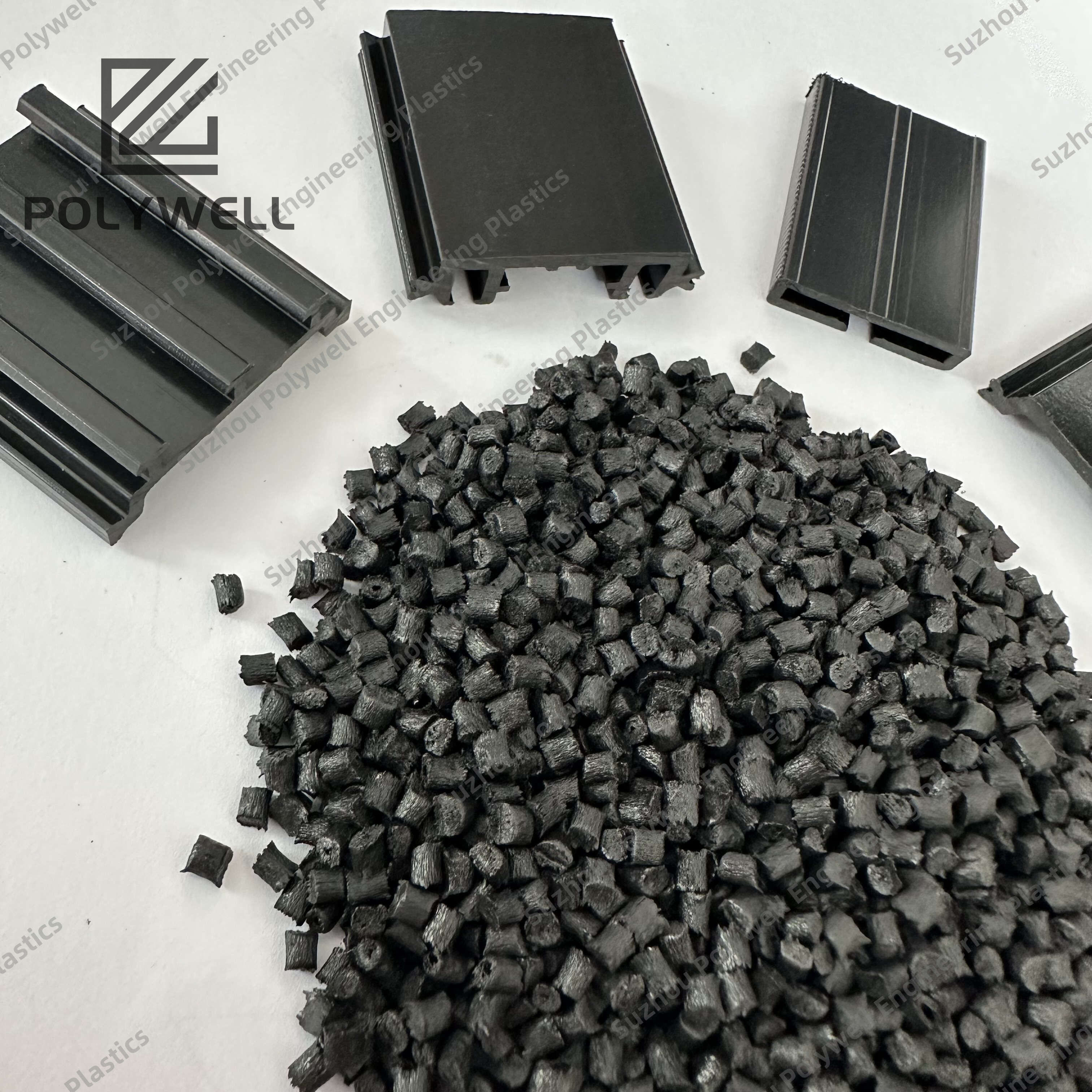
Nylon PA 66, also known as Polyamide 66, is a high-performance engineering thermoplastic renowned for its exceptional mechanical properties, thermal stability, and chemical resistance. It is synthesized through the polycondensation of hexamethylenediamine and adipic acid, resulting in a linear polymer with repeating amide groups that contribute to its strong intermolecular hydrogen bonding. This structure imparts high tensile strength, typically ranging from 80 to 90 MPa, and a stiffness that makes it suitable for load-bearing applications. With a melting point of approximately 260°C, PA 66 can withstand continuous exposure to elevated temperatures up to 120°C, making it ideal for automotive components like engine covers and electrical connectors. Its low thermal conductivity, around 0.25 W/m·K, positions it as an effective insulator in thermal management systems, such as thermal break strips in construction, where it minimizes heat transfer and enhances energy efficiency. However, PA 66 is hygroscopic, absorbing moisture from the environment, which can lead to dimensional changes and reduced mechanical properties if not properly dried before processing. Techniques like injection molding and extrusion are commonly employed, with pre-drying at 80°C for 4-6 hours recommended to avoid defects. Additionally, PA 66 exhibits good fatigue resistance and abrasion durability, but it may require additives or reinforcements for UV stability in outdoor applications. Its versatility extends to industries like consumer goods, where it is used in gears and fasteners, and in aerospace for lightweight components. Environmental considerations include recyclability, though degradation can occur under prolonged UV exposure, necessitating stabilizers. Overall, PA 66 balances processability with performance, offering a cost-effective solution for demanding engineering scenarios while adhering to international standards like ISO 1874-1 for quality assurance.