
 EN
EN


Applications of Polyamide Granules in Various Industries
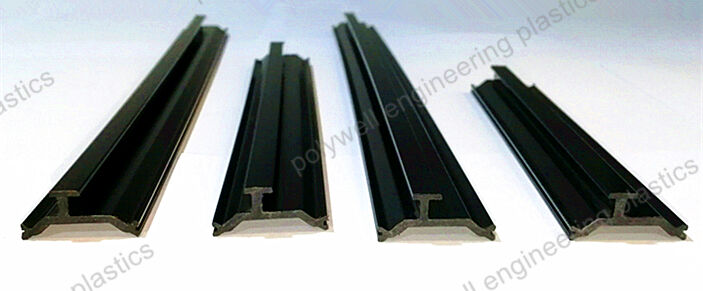
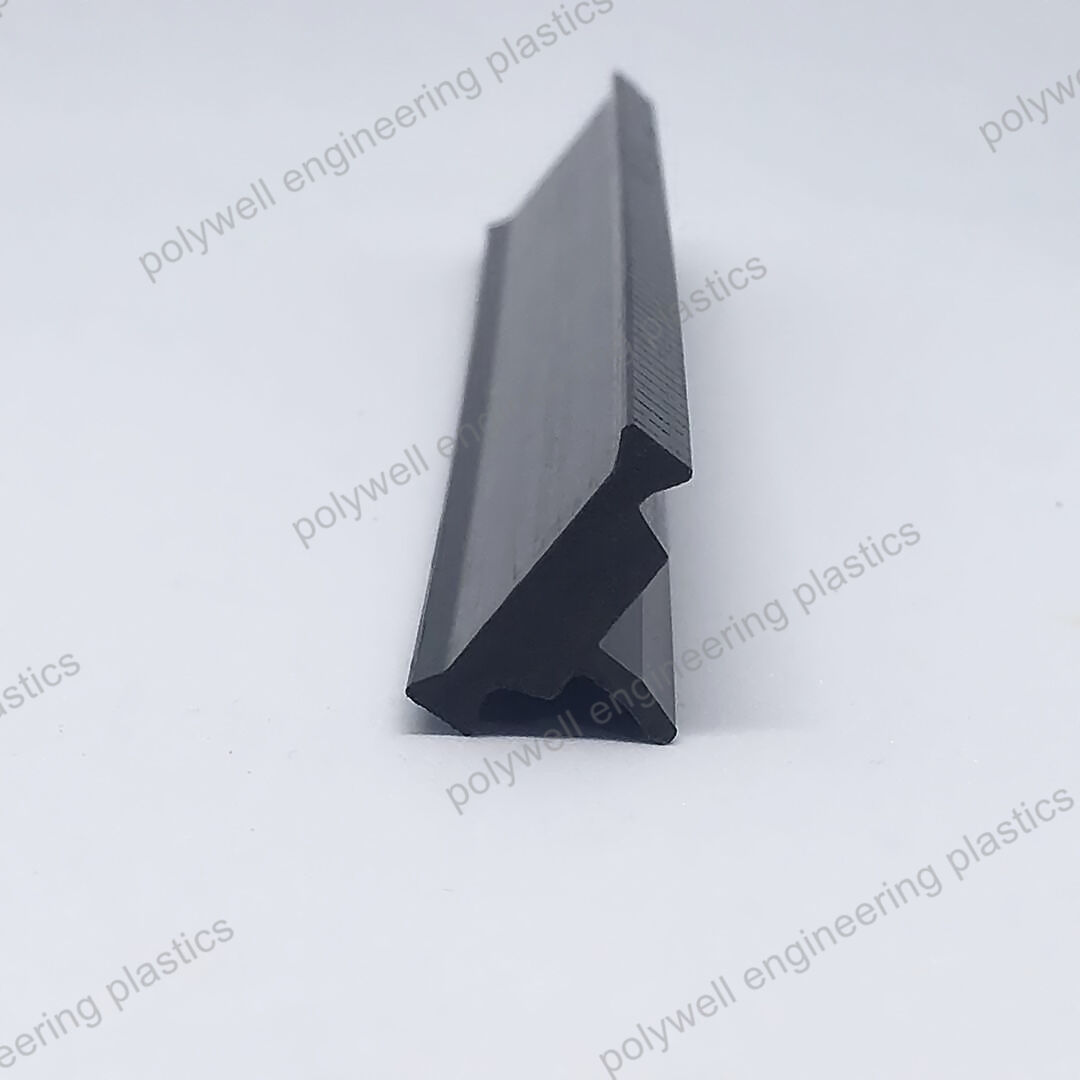
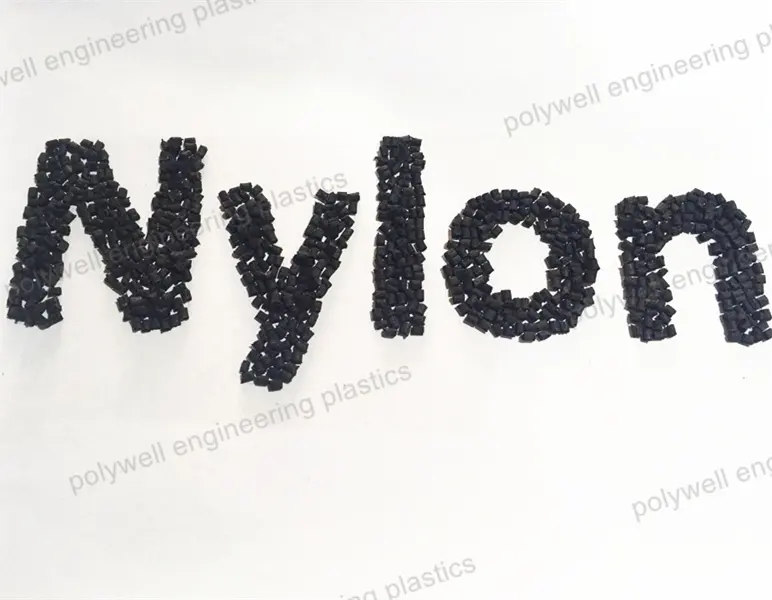
POLYWELL offers high-quality polyamide granules used in automotive, electronics, textiles, and construction, ensuring strength and durability.
View More
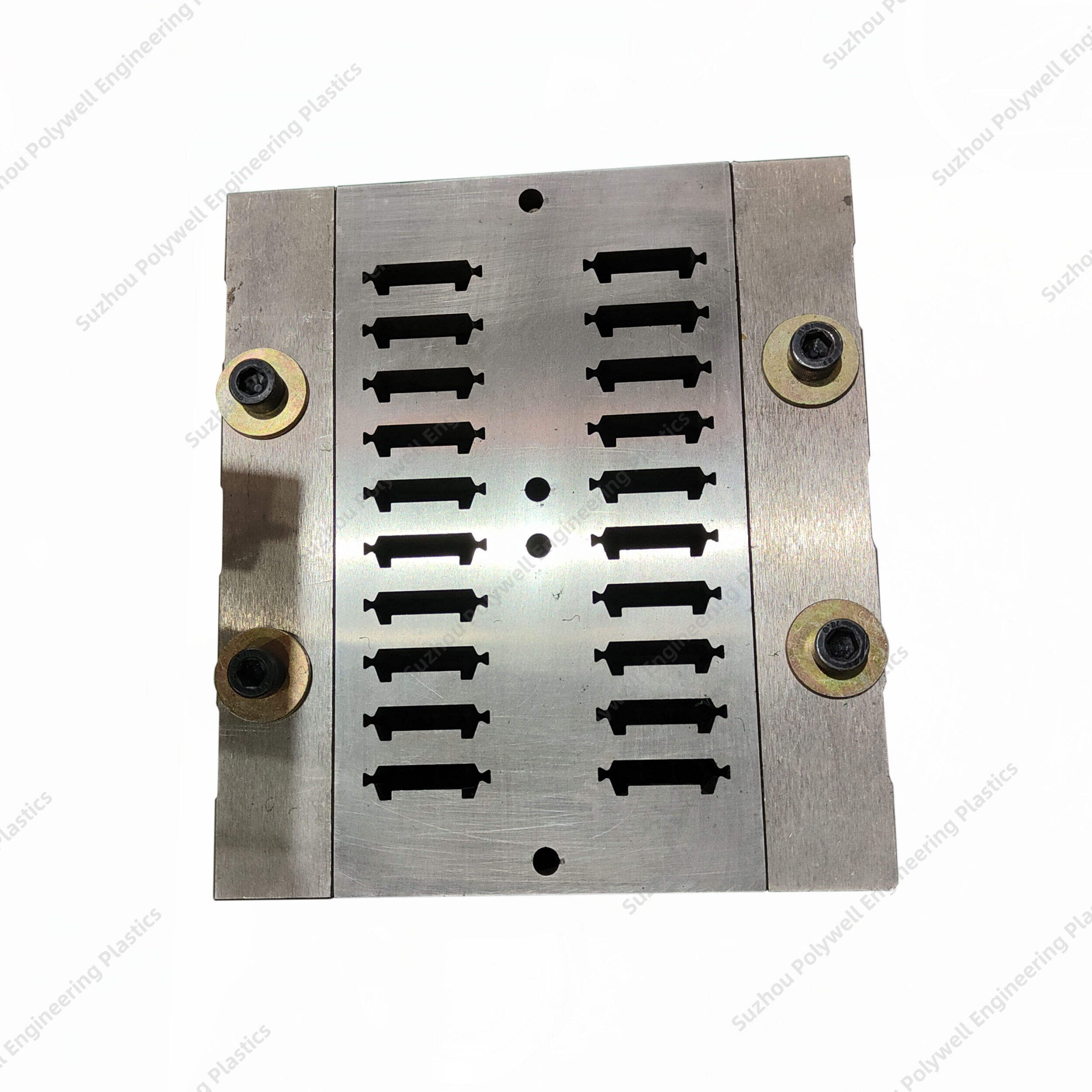
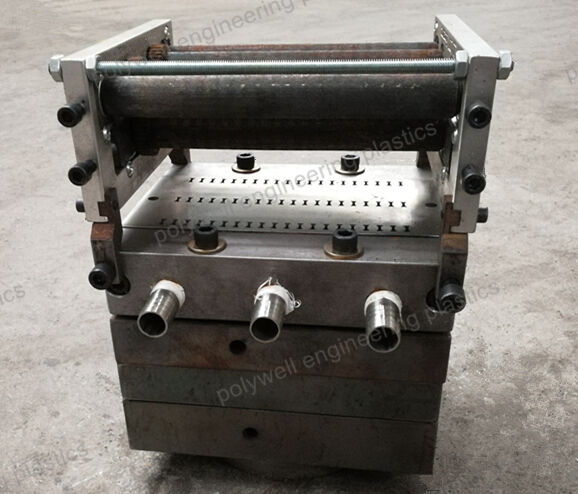
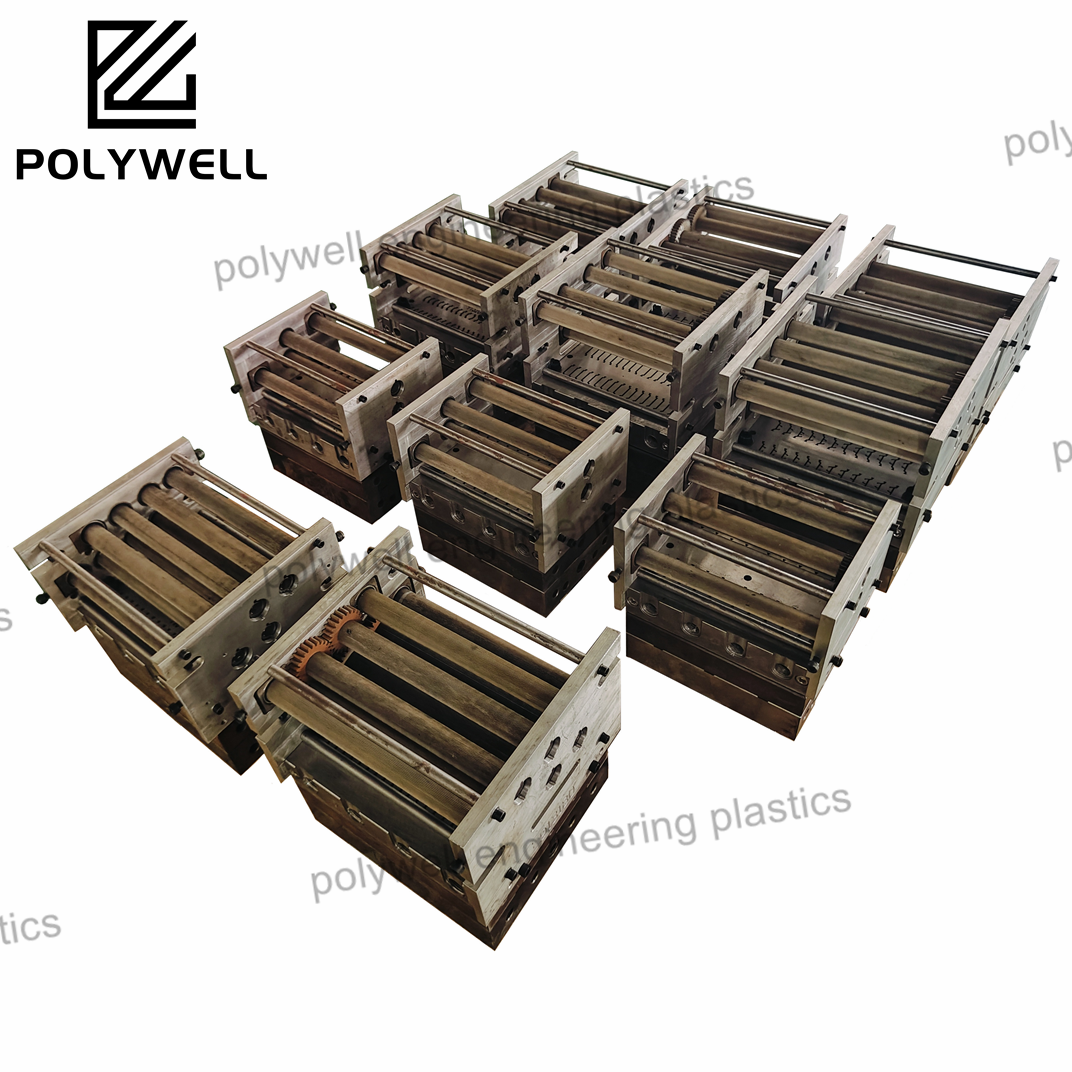
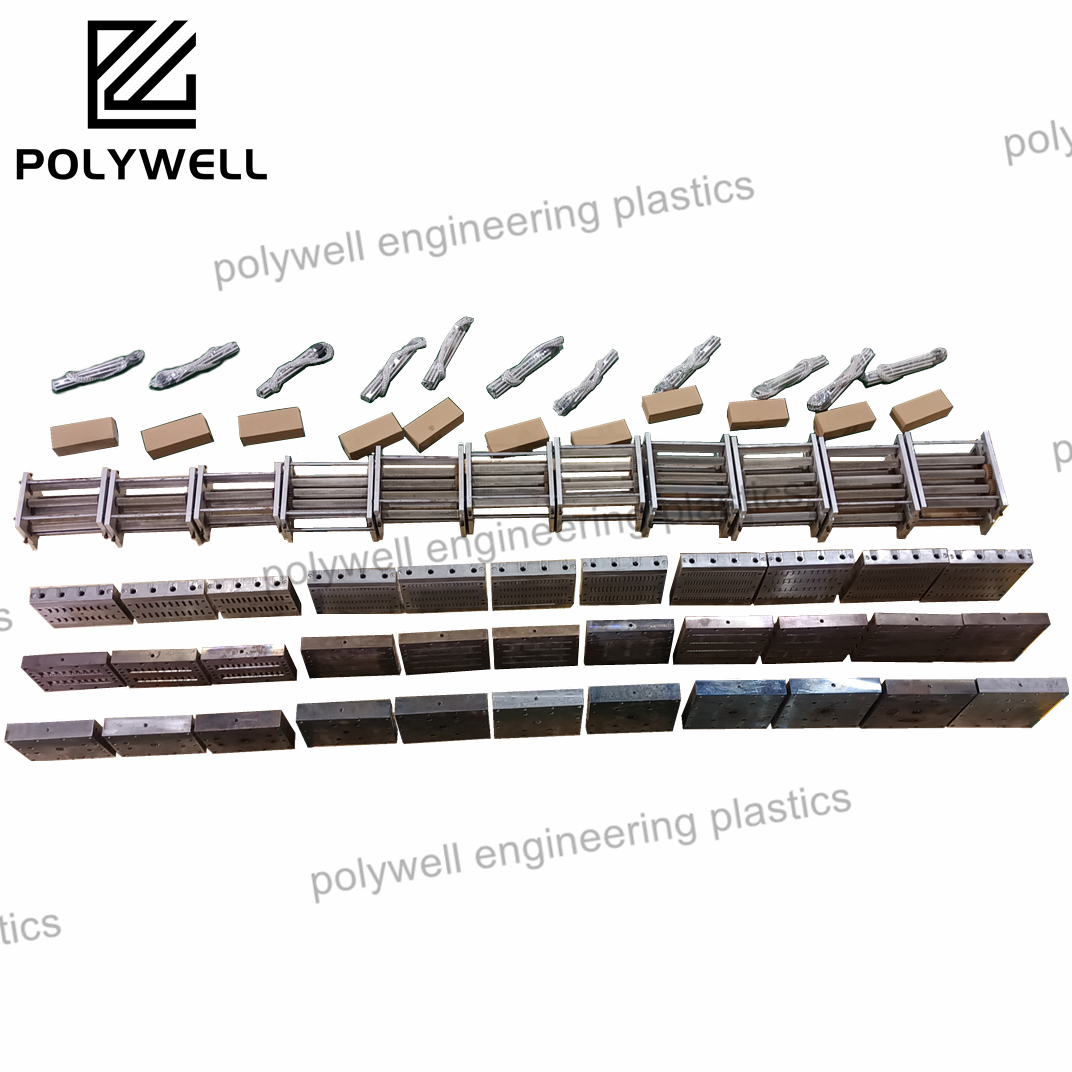
The extrusion die material is a critical factor in the plastic and aluminum profile extrusion processes, as the die is the tool that imparts the final shape to the molten material. The selection of material for the die is dictated by requirements for wear resistance, polishability, structural strength at high temperatures, and sometimes corrosion resistance. For plastic profile extrusion, especially for engineering polymers like glass-filled PA66 used in thermal breaks, the dies are almost universally manufactured from high-quality tool steels. AISI P20 and H13 (Chromium-Hot-Work steel) are common choices. H13 is particularly valued for its excellent combination of hot hardness, wear resistance, and toughness, which is essential for withstanding the abrasive nature of glass-filled compounds. The die lands and critical flow surfaces are often hardened and tempered to achieve a high surface hardness, typically between 48-52 HRC. After machining, these surfaces are meticulously polished to a mirror finish, often to an 8-16 micro-inch finish, to minimize friction and prevent material hang-up that can lead to degradation and surface defects on the extrudate. For aluminum extrusion, which involves much higher pressures and temperatures, nitrided steels like H13 are standard, with the nitriding process creating an extremely hard, wear-resistant surface layer. The integrity, thermal stability, and surface finish of the extrusion die material are paramount, as any wear or deformation will be directly replicated onto every meter of the extruded profile, affecting dimensional accuracy, surface quality, and ultimately, product performance.
18
Nov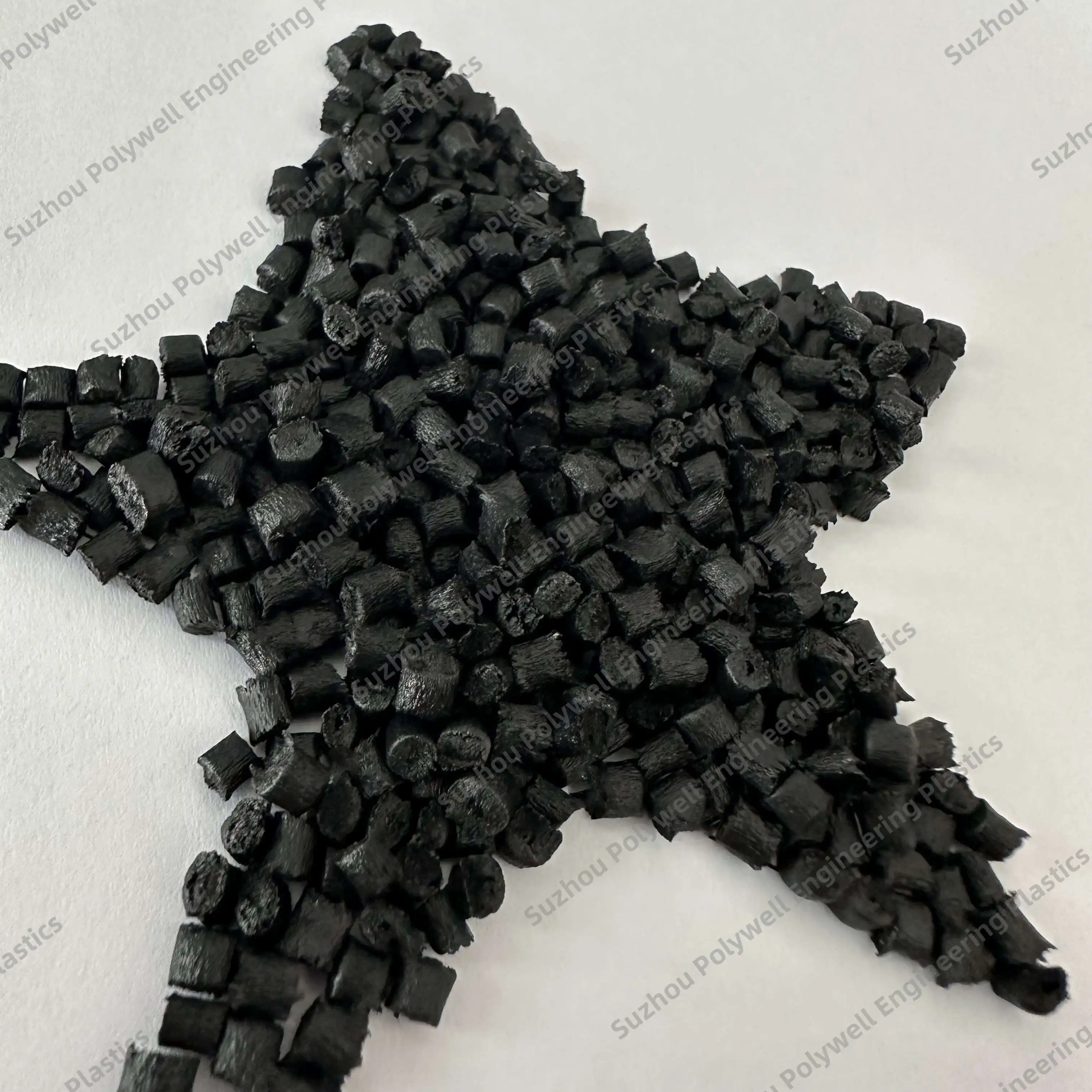
19
Nov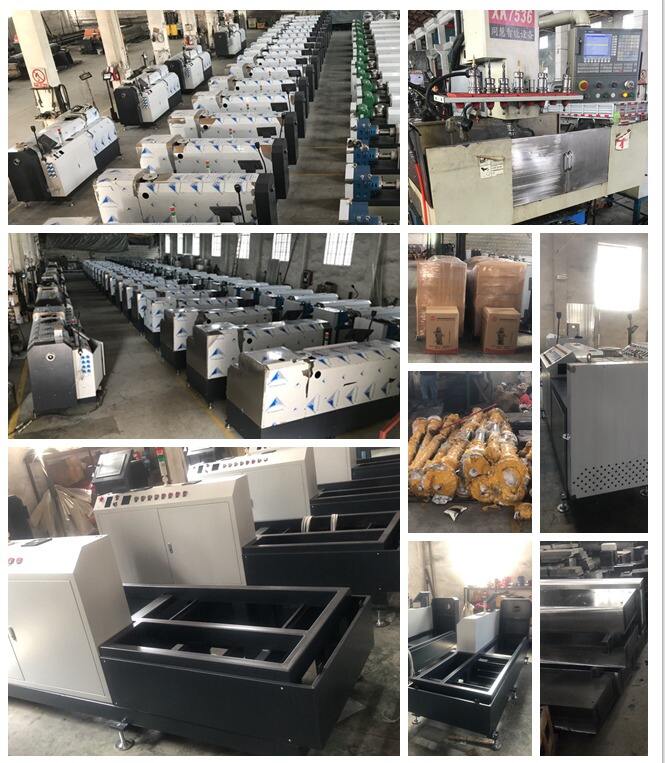
05
Mar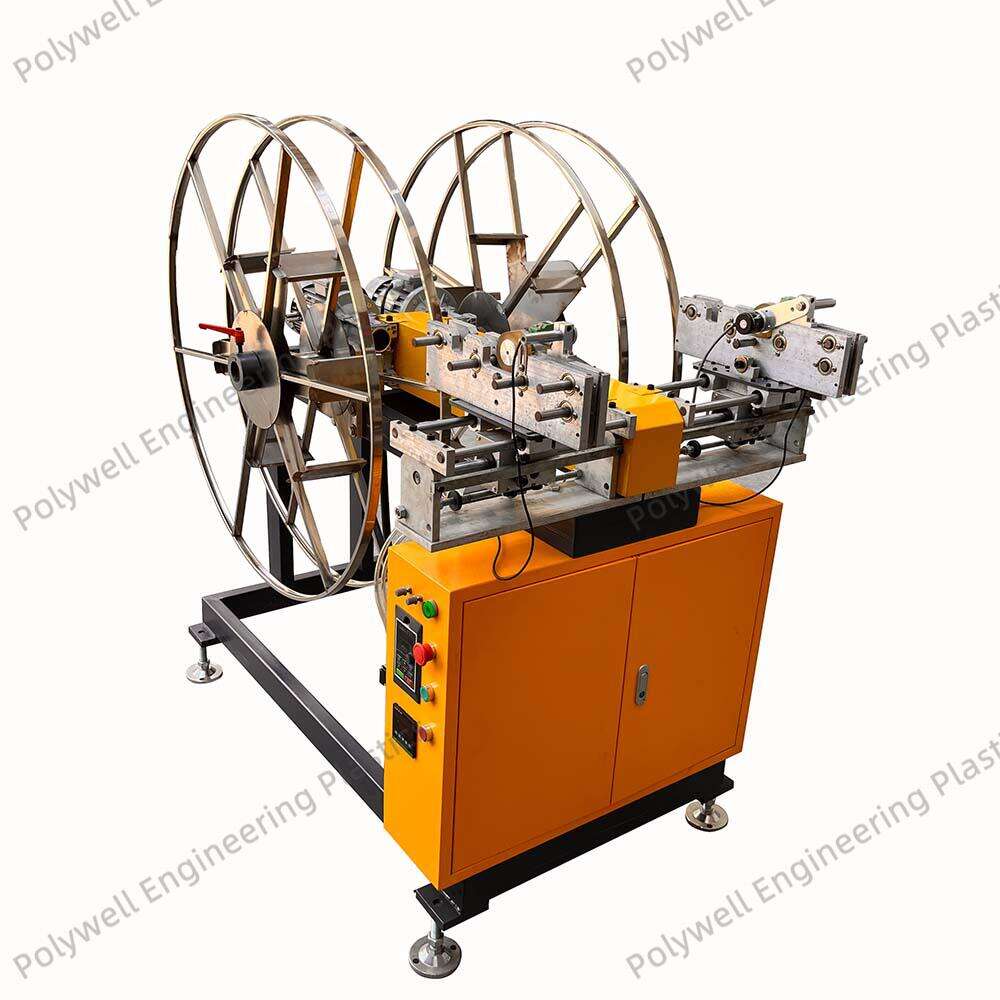
28
Mar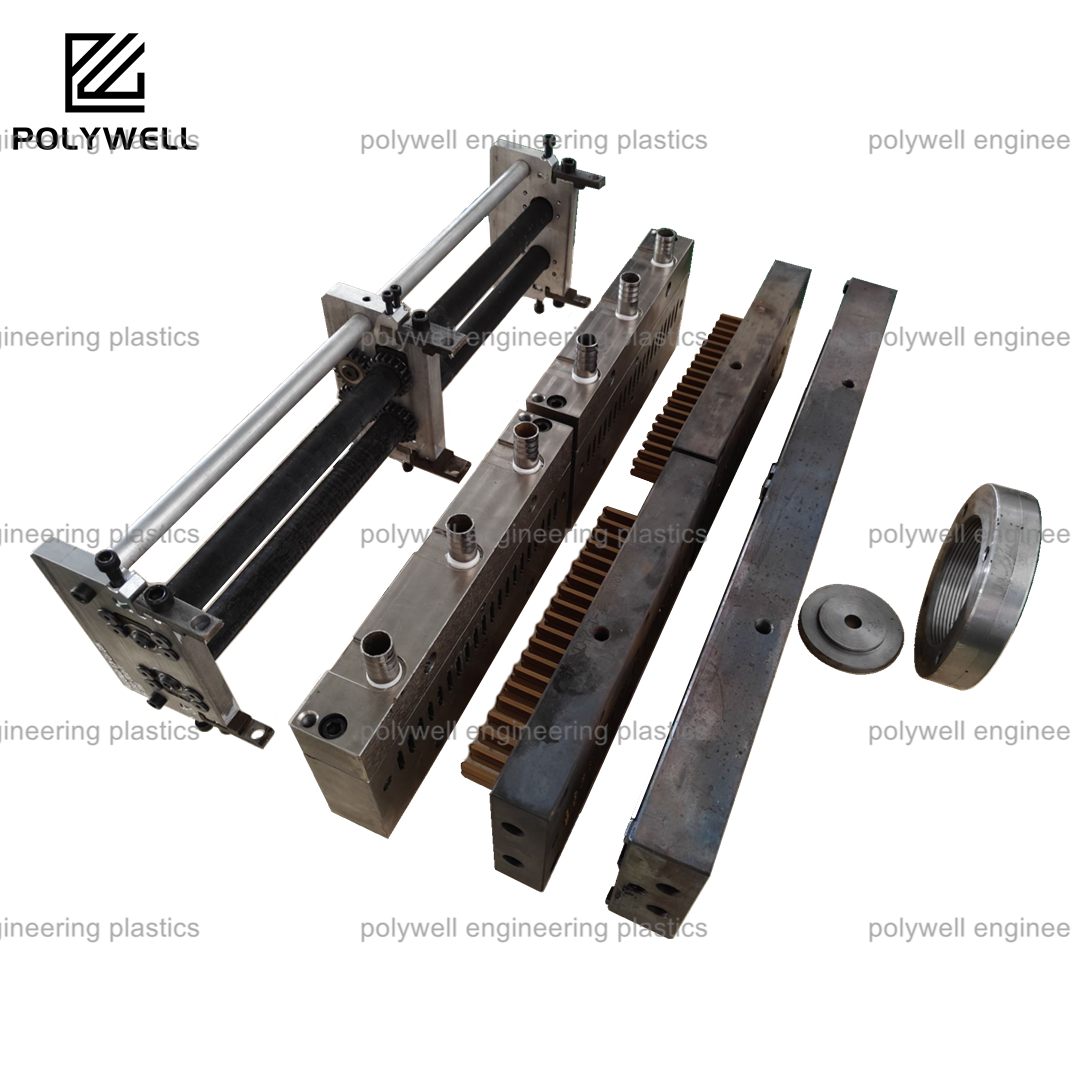

POLYWELL specializes in PA66 thermal insulation strips, offering polyamide granules, extruders, molds, winding machines, and comprehensive one-stop customization services.
Jinfeng Town, Zhangjiagang City, Suzhou City, Jiangsu Province, China
Copyright © 2024 Suzhou Polywell Engineering Plastics Co.,Ltd Privacy Policy