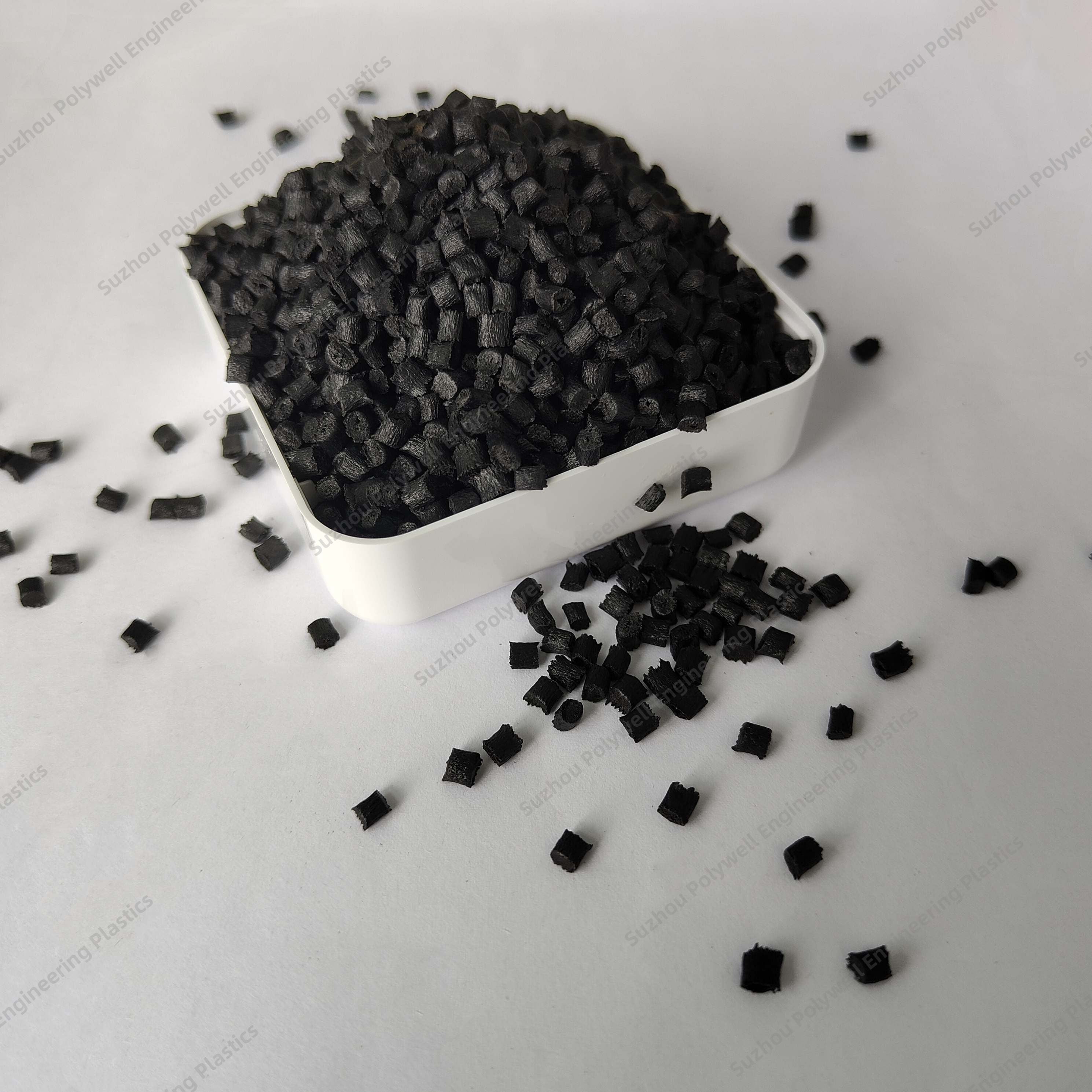
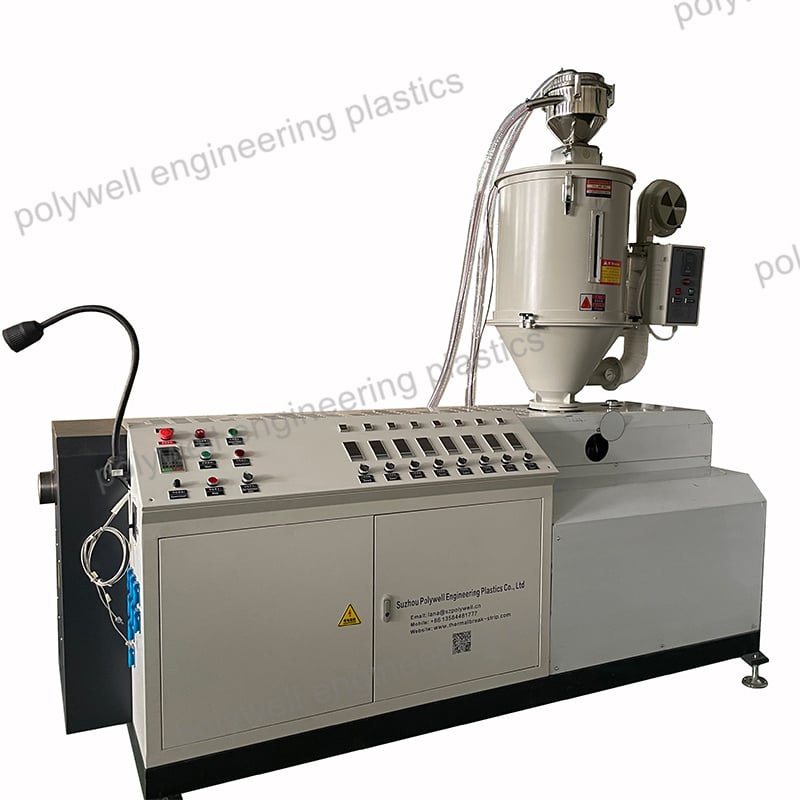
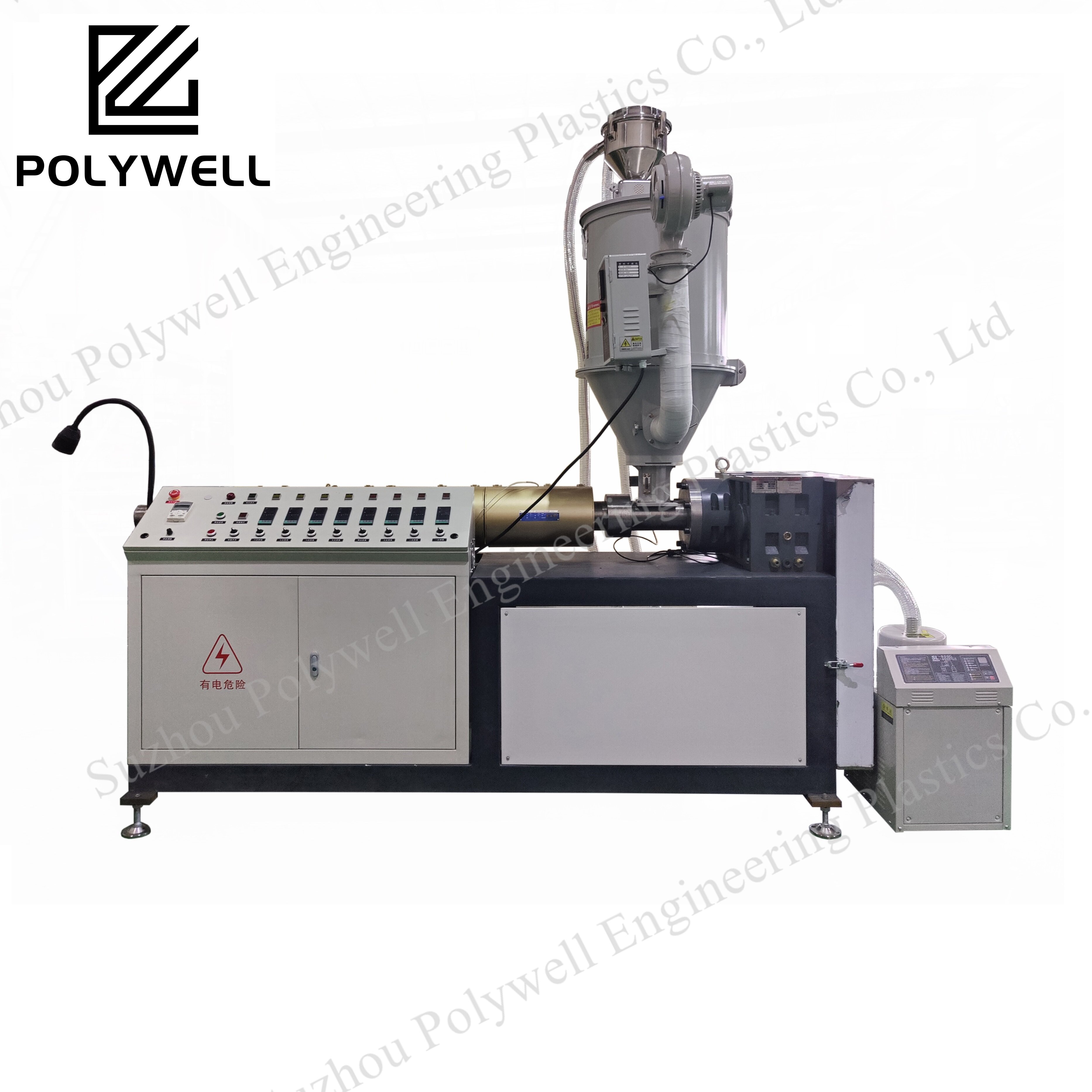
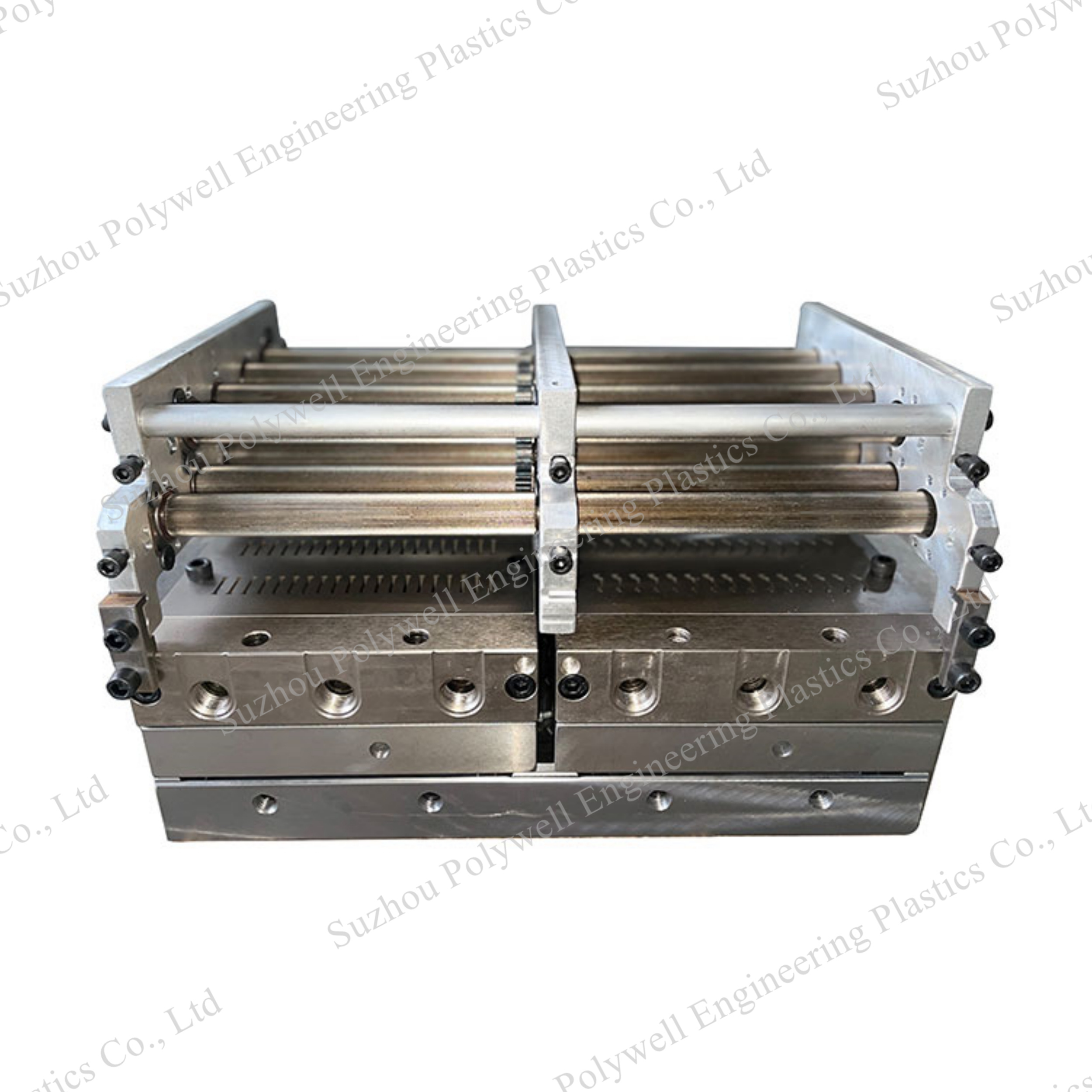
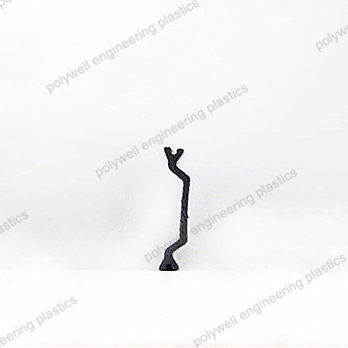
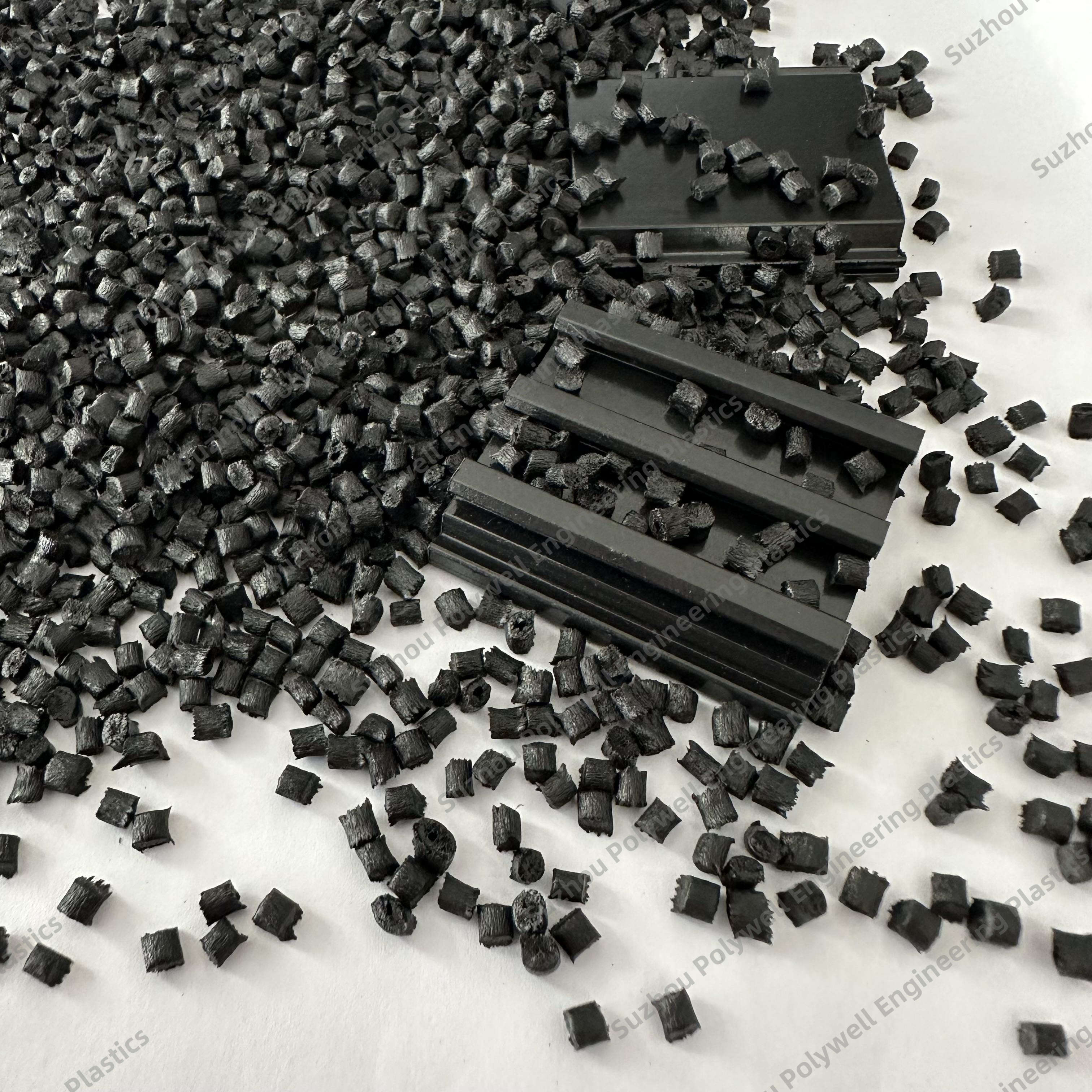
Flatness is a non negotiable standard for PA66 thermal break strips. Uneven strips fail to fit tightly with aluminum window frames, weakening thermal insulation and causing air leakage. As a thermal break strip manufacturer with R&D experience since 2006, we know that choosing the right rolling machine is key to achieving consistent flatness. Through our one stop service, we integrate rolling machines with raw material production (twin screw granulation) and extrusion (single screw extruders) to deliver high quality PA66 strips.
PA66 thermal break strips act as a barrier between aluminum frame sections. If a strip is uneven—even by 0.1mm—it creates gaps when assembled. These gaps let heat transfer through, reducing the strip’s thermal insulation effect by up to 30%. Additionally, uneven strips force workers to apply extra pressure during installation, which can crack the strip or deform the aluminum frame. For builders and window manufacturers, poor flatness leads to rework, delays and increased costs.
After PA66 strips are extruded by single screw extruders (the only equipment for this task), they still have minor surface unevenness due to melt cooling differences. A rolling machine presses the hot strips between precision rollers to smooth out imperfections. The right rolling machine not only flattens the surface but also maintains the strip’s structural integrity—critical for PA66 strips reinforced with glass fibers. Our one stop service includes matching rolling machines to our extrusion lines, ensuring every strip meets flatness standards (≤0.05mm deviation per meter).
Multi roll calenders (usually 3 to 5 rolls) are the top choice for PA66 strips. Unlike single roll machines, multi roll designs apply gradual, uniform pressure. The first roll (closest to the extruder) gently presses the warm strip to shape its basic flatness, while subsequent rolls—with slightly increased pressure—refine the surface. We adjust pressure based on PA66’s properties: for glass fiber reinforced PA66 (our main product), we set the final roll pressure to 0.8-1.2 MPa. This avoids fiber breakage (which harms strength) while ensuring flatness. The rolls’ parallelism is calibrated to ±0.01mm, so no area of the strip receives more pressure than others.
PA66’s elasticity changes with temperature, so a rolling machine with temperature control is essential. Our rolling machines have heated rolls (set to 80-100°C) that match the strip’s cooling curve. If the strip is too cold when rolled, it becomes brittle and prone to cracking; too hot, and it stretches unevenly. Heated rolls keep the strip in a “plastic” state, letting the machine smooth out unevenness without damage. The rolls also have internal cooling channels to prevent overheating—this balance ensures consistent flatness across every batch of strips.
Side guides are a small but critical part of a high performance rolling machine. PA66 strips can shift slightly during extrusion, and misalignment in the rolling machine causes edge unevenness. Our rolling machines have servo driven side guides that track the strip’s position in real time. Sensors detect the strip’s edges and adjust the guides to keep the strip centered, so the rolls press evenly across the entire width (10-30mm, common for thermal break strips). This prevents “wavy” edges and ensures the strip’s width and flatness are consistent from start to finish.
Our PA66 granules are made with twin screw extruders, which disperse glass fibers into the polymer to form a strong network structure. This uniform fiber distribution means the granules melt into consistent, strong strips—but only if the rolling machine handles them correctly. A low quality rolling machine with uneven pressure would break the glass fiber network, reducing the strip’s strength and causing flatness issues. Our rolling machines’ gradual pressure application preserves the fiber network: the multi roll design presses the strip without shearing it, keeping the fibers intact. This synergy between twin screw granules and precision rolling machines results in flat, durable strips.
Remember: only single screw extruders can produce PA66 thermal break strips (twin screw extruders are for granulation). Our one stop service ensures the rolling machine is perfectly matched to our single screw extruders. The extruder’s output speed (2-5m/min for PA66 strips) syncs with the rolling machine’s roll speed—if the extruder speeds up, the rolling machine adjusts automatically. This avoids “stretching” the strip (which causes thin spots and unevenness) or “piling up” (which leads to thick, lumpy areas). The seamless connection between extruder and rolling machine is a key part of our one stop solution, eliminating compatibility issues that plague customers who source equipment from multiple suppliers.
As a one stop service provider, we don’t just sell rolling machines—we tailor them to our customers’ needs. If a customer produces 20mm wide PA66 strips, we adjust the rolling machine’s roll width, pressure and temperature to match that specification. We also integrate the rolling machine with our other equipment (single screw extruders, granulators) and provide training on operation. This means customers don’t have to hire external experts to set up their lines—we handle it all.
Our service extends beyond installation. We offer regular maintenance for rolling machines: cleaning rolls to remove residual PA66, calibrating pressure sensors and replacing worn guides. We also provide flatness testing tools (like laser profilometers) that customers can use to check strips after rolling. If a customer notices flatness issues, our engineers visit their site to adjust the rolling machine—whether it’s tweaking roll temperature or realigning guides. This ongoing support ensures the rolling machine maintains peak performance, keeping strip quality consistent.
For PA66 thermal break strip manufacturers, the right rolling machine turns good strips into great ones. Our combination of multi roll, temperature controlled, precision guided rolling machines—paired with twin screw granules, single screw extruders and one stop service—gives customers a complete solution for flat, high performance strips. With 17 years of industry experience, we know how to integrate every part of the production line to deliver results.
 Hot News
POLYWELL specializes in PA66 thermal insulation strips, offering polyamide granules, extruders, molds, winding machines, and comprehensive one-stop customization services.
Jinfeng Town, Zhangjiagang City, Suzhou City, Jiangsu Province, China
Copyright © 2024 Suzhou Polywell Engineering Plastics Co.,Ltd Privacy Policy

 EN
EN